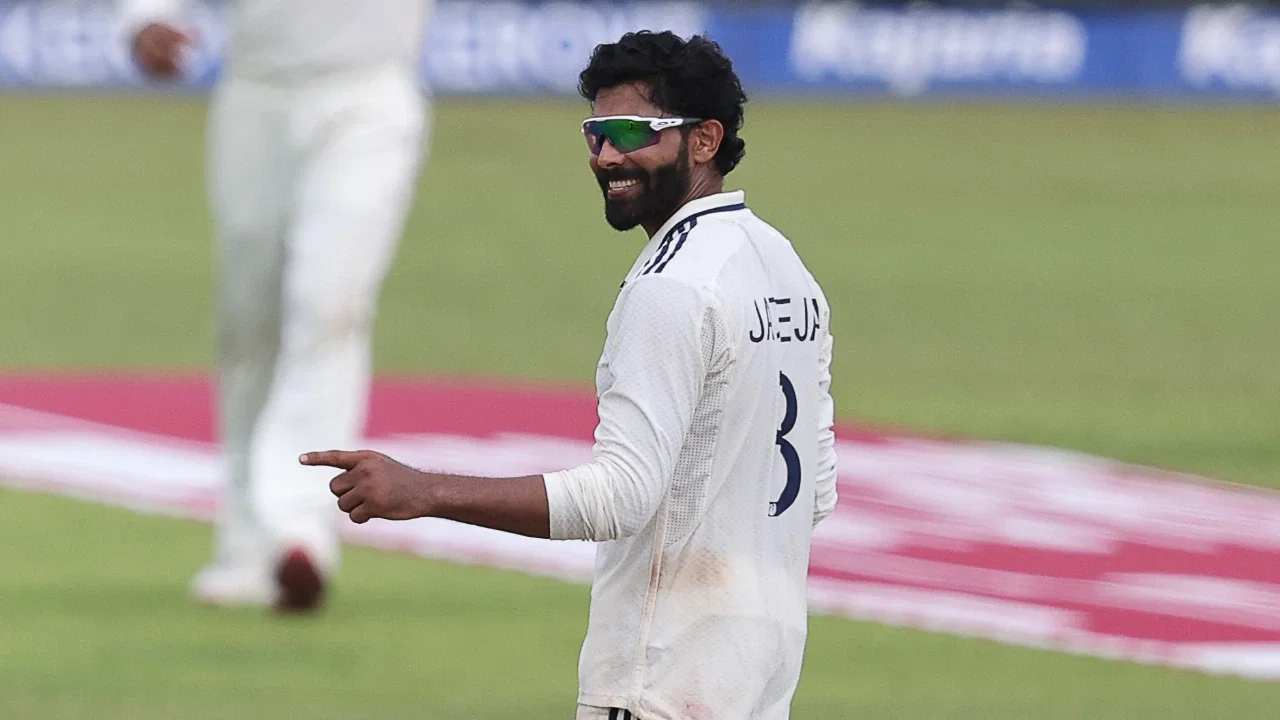
India cricketer nukes Ryan ten Doeschate over Rohit Sharma, Nitish Kumar Reddy remarks, demands immediate exit
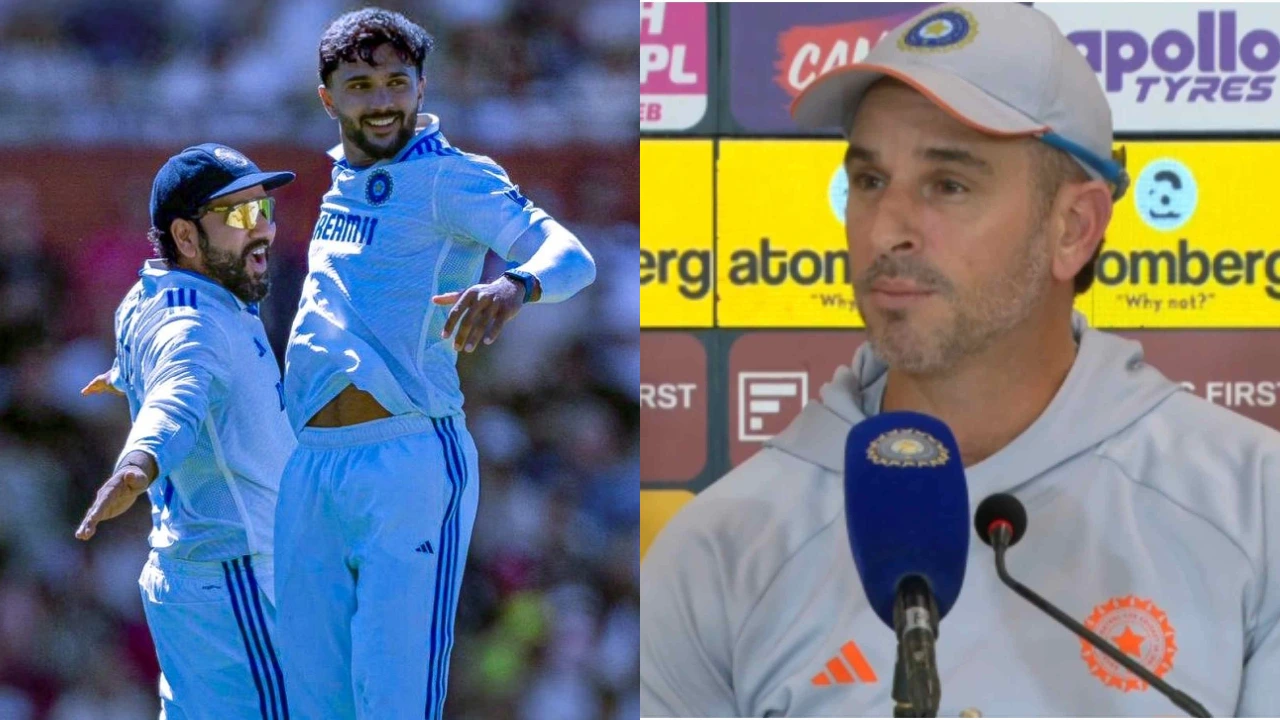
Priyank Panchal Criticizes Coach Ryan ten Doeschate for Comments on Rohit Sharma and Nitish Kumar Reddy
After Manoj Tiwary, another former Indian cricketer, Priyank Panchal, has expressed his dissatisfaction with the assistant coach Ryan ten Doeschate over his recent remarks regarding the form of Rohit Sharma and Nitish Kumar Reddy. This has sparked a fresh controversy in Indian cricket, with former players calling for Ten Doeschate’s removal following the Men in Blue’s defeat against New Zealand in the second ODI in Rajkot.
Ryan ten Doeschate’s Criticism of Rohit Sharma
In the first two matches against New Zealand, Rohit Sharma scored 26 and 24 runs, prompting Ten Doeschate to suggest that the Indian captain was struggling to find his rhythm due to lack of game time. Despite playing a couple of matches in the Vijay Hazare Trophy 2025-26, Rohit seemed less fluent than usual, according to the assistant coach.
During the post-match press conference in Rajkot, Ten Doeschate stated, “Rohit, I thought tonight, particularly, both innings were a real new-ball wicket. It didn’t look easy to bat. Over a short period of time, if you take the first ODI, he (Rohit) has not been as fluent as he has been, and that’s going to be a challenge for him, not playing cricket between series.”
Ten Doeschate’s Comments on Nitish Kumar Reddy
Aside from criticizing Rohit Sharma, Ten Doeschate also slammed Nitish Kumar Reddy for his performance in the match against New Zealand. Reddy scored only 20 runs and failed to take any wickets in his two overs as New Zealand successfully chased down the target of 284 in Rajkot. The assistant coach expressed disappointment in Reddy’s inability to make a significant impact when given the opportunity.
Ten Doeschate emphasized that the second ODI against the Black Caps presented an ideal chance for Nitish to showcase his talent and stake a claim for a regular spot in the playing XI. However, the young all-rounder failed to seize the opportunity, much to the frustration of the coaching staff.
Priyank Panchal’s Response
Former Indian cricketer Priyank Panchal strongly criticized Ryan ten Doeschate’s comments on both Rohit Sharma and Nitish Kumar Reddy. Panchal, who currently serves as the India A coach, pointed out that foreign coaches often struggle in India due to their lack of understanding in managing relationships within the dressing room.
Panchal took to social media to express his displeasure, stating, “Terrible comments by Ten Doeschate on Rohit and Nitish. There’s a reason foreign coaches don’t succeed in India. The dexterity you require to navigate through relationships here is lacking in them. Especially if they don’t have anything notable to show in their CV. #INDvNZ”
These comments have stirred debate within the cricketing community, with fans and experts weighing in on the controversy surrounding Ryan ten Doeschate’s remarks. As the Indian team prepares for upcoming matches, the fallout from this incident is likely to impact the dynamics within the squad and the coaching staff.
Impact of Foreign Coaches in Indian Cricket
The criticism directed at Ryan ten Doeschate raises questions about the effectiveness of foreign coaches in the Indian cricketing setup. While many international coaches have found success with the Indian team, there have been instances where cultural differences and communication challenges have led to friction within the squad.
Foreign coaches often bring a different perspective and a fresh approach to coaching, which can be beneficial in enhancing players’ skills and strategies. However, understanding the nuances of Indian cricket culture, player dynamics, and the pressure of performing in front of a cricket-crazy nation is essential for a coach to succeed in the Indian environment.
Effective communication and building strong relationships with players are crucial components of coaching in India. Local coaches like Ravi Shastri and Anil Kumble have excelled in these areas, earning the respect and trust of the players. On the other hand, foreign coaches who struggle to connect with the team on a personal level may face challenges in getting their message across and motivating the players.
Handling Player Form and Criticism
One of the key responsibilities of a coach is to manage player form and provide constructive feedback to help them improve. Criticism, when delivered in a constructive manner, can be a valuable tool for players to identify areas of improvement and work on their weaknesses.
However, the timing and manner in which criticism is delivered can impact the player’s confidence and morale. Publicly calling out players for underperformance, as seen in the case of Rohit Sharma and Nitish Kumar Reddy, can add unnecessary pressure and scrutiny on them, affecting their mindset on the field.
Coaches must strike a balance between pushing players to do better and offering support during challenging times. Building a supportive environment where players feel encouraged to take risks, learn from mistakes, and grow as individuals is essential for long-term success in cricket.
Resolving Internal Conflicts and Moving Forward
As the controversy surrounding Ryan ten Doeschate’s comments continues to unfold, it is crucial for the Indian cricket board and team management to address any internal conflicts and concerns promptly. Open communication, transparent discussions, and mutual respect are key to resolving issues and fostering a positive team culture.
It is essential for coaches, players, and support staff to work together towards a common goal of achieving success on the field. Learning from past mistakes, acknowledging different perspectives, and embracing diversity can create a more cohesive and resilient team environment.
Moving forward, constructive feedback, mutual understanding, and a growth-oriented mindset can help the Indian team navigate through challenges and emerge stronger as a unit. By fostering a culture of respect, collaboration, and continuous improvement, the team can overcome obstacles and strive for excellence in international cricket.
As the Indian cricket team continues its journey, the lessons learned from this incident can serve as a reminder of the importance of effective communication, cultural sensitivity, and teamwork in achieving success both on and off the cricket field.
Latest News
New Zealand suffer blow as William O’Rourke misses India ODIs and Tests
Top 10 highest run-chases in T20 cricket history, ft. West Indies’ Ranchi win vs India
Aaryavir Sehwag and Anvay Dravid set to make headlines at U19 Asia Cup 2026
Longest ducks in Test cricket history ft. Nic Maddinson, Shoaib Akhtar
ECB to offer 39 central contracts to England players after Ben Stokes, Mark Wood’s retirement
Steve Smith surpasses Steve Waugh in all-time Test run-scorers’ list
Shane Watson identifies Gautam Gambhir’s biggest problem as India struggle for consistency
Is Bhuvneshwar Kumar in India’s 2027 World Cup plans? Ajinkya Rahane makes revelation
BCCI’s big ₹127 Crore move after injury crisis raises concerns over Team India
Parthiv Patel reveals RCB ignored his Jasprit Bumrah recommendation in IPL 2014 Auction
“Never spoke ill of any faith”: Irfan Pathan hits back at fake news using his name
Nic Maddinson bags 33-ball duck on Test comeback, disappoints George Bailey
Imran Tahir predicts 2027 ICC ODI World Cup Semi-Finalists, snubs India for title
Australia create unwanted history with first all-30-plus Test XI