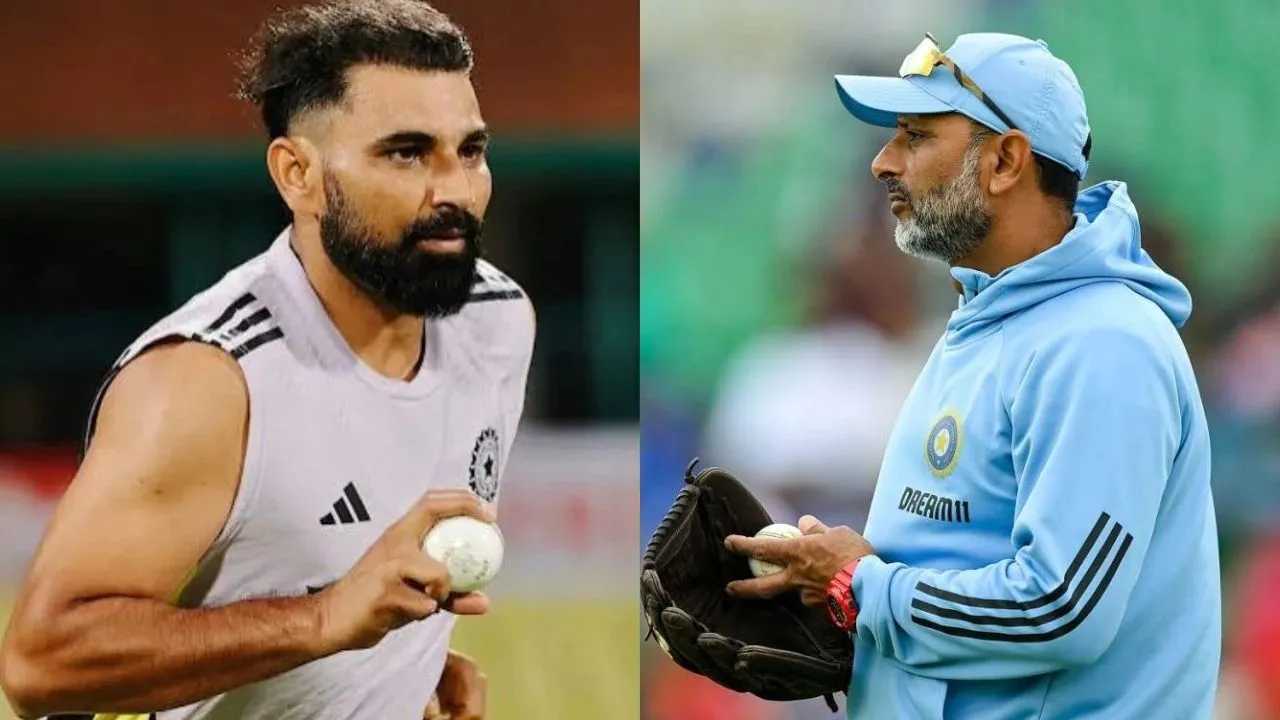
“India need a mentor, not a coach”: 2011 World Cup winner backs MS Dhoni, questions Gautam Gambhir
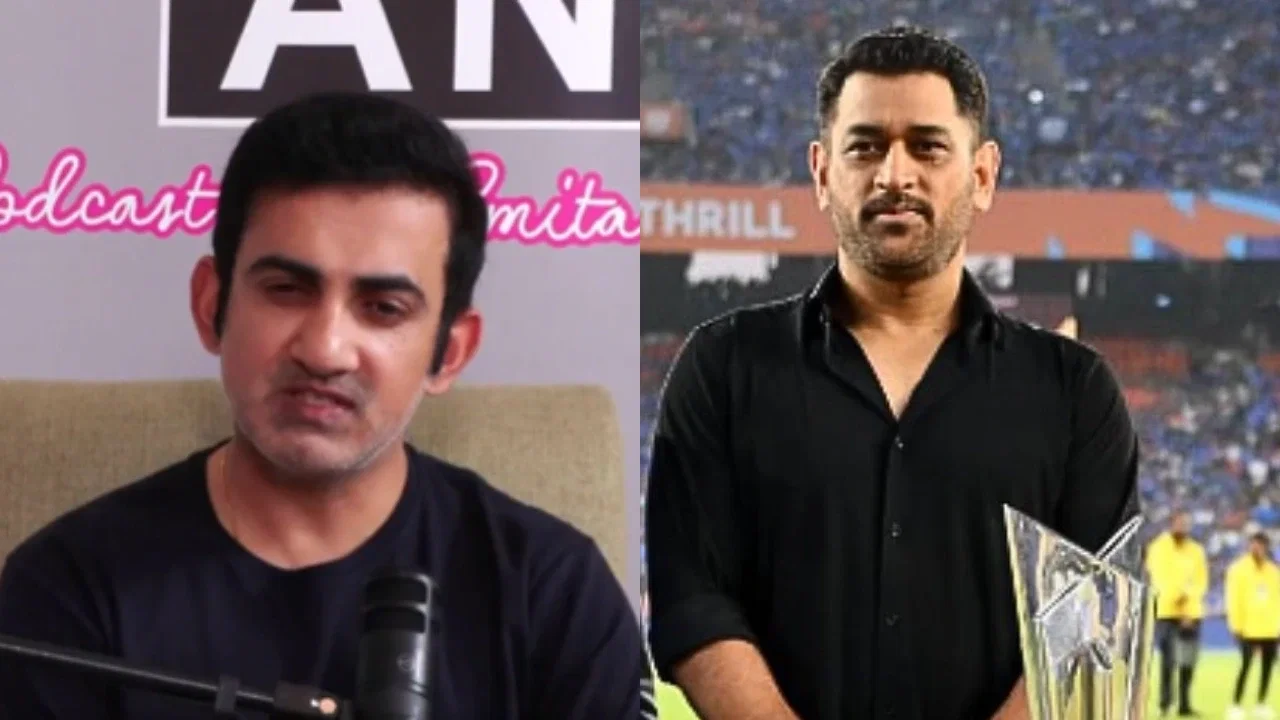
Former India Fast Bowler S Sreesanth Criticizes Gautam Gambhir’s Coaching
Former India fast bowler S Sreesanth recently expressed his opinions on Gautam Gambhir’s tenure as the head coach of the Indian cricket team. In a candid discussion on The Lallantop’s Guest in the Newsroom program, Sreesanth highlighted his belief that the team would benefit more from having MS Dhoni as a mentor rather than Gambhir as a coach.
Gambhir’s Coaching Record and Criticism
Gambhir took over as head coach amidst high expectations, but his first season has been a mix of successes and failures. India faced setbacks in the World Test Championship (WTC), suffered defeats to New Zealand and Australia, and struggled in red-ball cricket under Gambhir’s leadership. The team did manage some draws and victories, but the overall performance left room for improvement.
Sreesanth criticized Gambhir’s coaching style, stating that the players are under excessive pressure and would benefit more from mentorship that fosters confidence and support. He emphasized the importance of guidance and trust over constant scrutiny, suggesting that a mentor like MS Dhoni would be more beneficial for the team’s development.
Sreesanth’s Preference for MS Dhoni’s Leadership
During the podcast, Sreesanth elaborated on why he believes Dhoni’s leadership style is more suited for the national team. He emphasized the need for a calm and balanced leader who acts as a supportive figure rather than reacting harshly to setbacks. Sreesanth highlighted Dhoni’s track record of building confidence within the squad and backing players through challenging phases as qualities that are essential for the team’s success.
According to Sreesanth, Dhoni’s approach of being like a brother to the players, offering consistent support, and maintaining composure regardless of the result, is crucial for the team’s growth and performance on the field.
Gambhir’s Contribution to India’s T20 World Cup Triumph
Sreesanth also addressed the credit given to Gambhir for India’s recent T20 World Cup victory. He argued that while Gambhir played a role as the head coach, the players on the field ultimately deserved the most recognition for their performances and decision-making during critical moments in the tournament.
Sreesanth pointed out that players like Suryakumar Yadav and Sanju Samson were instrumental in India’s success, showcasing their talent and delivering match-winning performances throughout the tournament. He emphasized that the coach’s role is important, but the players’ efforts and execution on the field were paramount in securing the victory.
Final Thoughts
In conclusion, Sreesanth’s critique of Gautam Gambhir’s coaching and endorsement of MS Dhoni’s mentorship highlight the importance of leadership and support in cricket. As India looks to enhance its performance across formats, the debate around coaching styles and mentorship will continue to be a topic of discussion among fans and experts alike.
Impact of Leadership in Cricket
Leadership plays a critical role in the success of any cricket team. The coach’s ability to inspire, motivate, and strategize can significantly impact the performance of the players on the field. While some coaches excel in technical aspects of the game, others focus on creating a positive team environment and instilling confidence in their players. Finding the right balance between these approaches is crucial for achieving success at the highest levels of the sport.
MS Dhoni’s leadership style is renowned for its calm demeanor, strategic thinking, and unwavering support for his teammates. His ability to remain composed under pressure and make decisive decisions in challenging situations has earned him respect not only from his teammates but also from fans and experts worldwide. Dhoni’s leadership qualities have been instrumental in India’s success in various formats of the game, including winning the ICC Cricket World Cup in 2011.
The Role of Mentors in Cricket
Having a mentor like MS Dhoni can provide invaluable guidance and support to players, especially in high-pressure situations. Mentors often have the experience and wisdom to help young cricketers navigate the complexities of international cricket and develop their skills both on and off the field. Dhoni’s mentorship could benefit the Indian team by fostering a positive team culture, building confidence among players, and enhancing their overall performance.
While a coach focuses on the technical aspects of the game and strategic planning, a mentor like Dhoni can offer personal guidance, leadership insights, and emotional support to players. This dual approach to leadership can create a well-rounded support system for the team, promoting both individual growth and team cohesion.
The Evolution of Coaching in Cricket
Cricket coaching has evolved significantly over the years, with an increased focus on mental conditioning, leadership development, and holistic player welfare. Coaches are now expected to not only improve players’ skills but also nurture their mental resilience, emotional intelligence, and overall well-being. The role of a coach extends beyond the boundaries of the cricket field, encompassing personal development, teamwork, and psychological preparation for elite competition.
As the expectations placed on coaches continue to grow, the debate around coaching styles and mentorship in cricket will remain a dynamic and evolving conversation. The balance between technical expertise and soft skills, between strategic planning and emotional support, will shape the future of coaching in cricket and impact the success of teams on the global stage.
Conclusion
In the ever-changing landscape of international cricket, the role of coaches and mentors is more crucial than ever in shaping the future of the sport. The contrasting styles of leadership offered by coaches like Gautam Gambhir and mentors like MS Dhoni bring unique perspectives and insights to the game, highlighting the importance of a diverse approach to leadership in cricket. As teams strive for excellence and success on the field, finding the right balance between coaching and mentorship will continue to be a key factor in achieving their goals and cementing their legacy in the world of cricket.
Latest News
Top 10 highest run-chases in T20 cricket history, ft. West Indies’ Ranchi win vs India
Aaryavir Sehwag and Anvay Dravid set to make headlines at U19 Asia Cup 2026
Longest ducks in Test cricket history ft. Nic Maddinson, Shoaib Akhtar
ECB to offer 39 central contracts to England players after Ben Stokes, Mark Wood’s retirement
Steve Smith surpasses Steve Waugh in all-time Test run-scorers’ list
Shane Watson identifies Gautam Gambhir’s biggest problem as India struggle for consistency
Is Bhuvneshwar Kumar in India’s 2027 World Cup plans? Ajinkya Rahane makes revelation
BCCI’s big ₹127 Crore move after injury crisis raises concerns over Team India
Parthiv Patel reveals RCB ignored his Jasprit Bumrah recommendation in IPL 2014 Auction
“Never spoke ill of any faith”: Irfan Pathan hits back at fake news using his name
Nic Maddinson bags 33-ball duck on Test comeback, disappoints George Bailey
Imran Tahir predicts 2027 ICC ODI World Cup Semi-Finalists, snubs India for title
Australia create unwanted history with first all-30-plus Test XI
Ravindra Jadeja returns to Ranji Trophy as Saurashtra announce squad