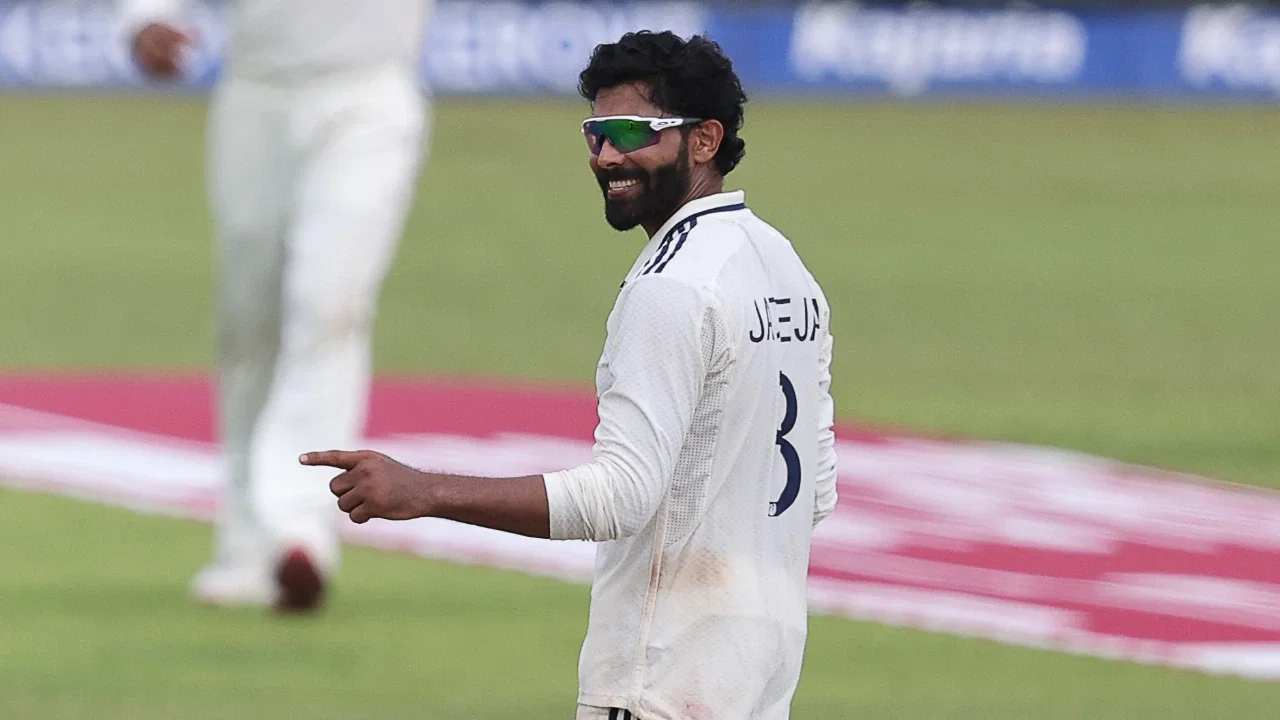
India vs Pakistan Asia Cup 2025 match live broadcasting gets BLOCKED
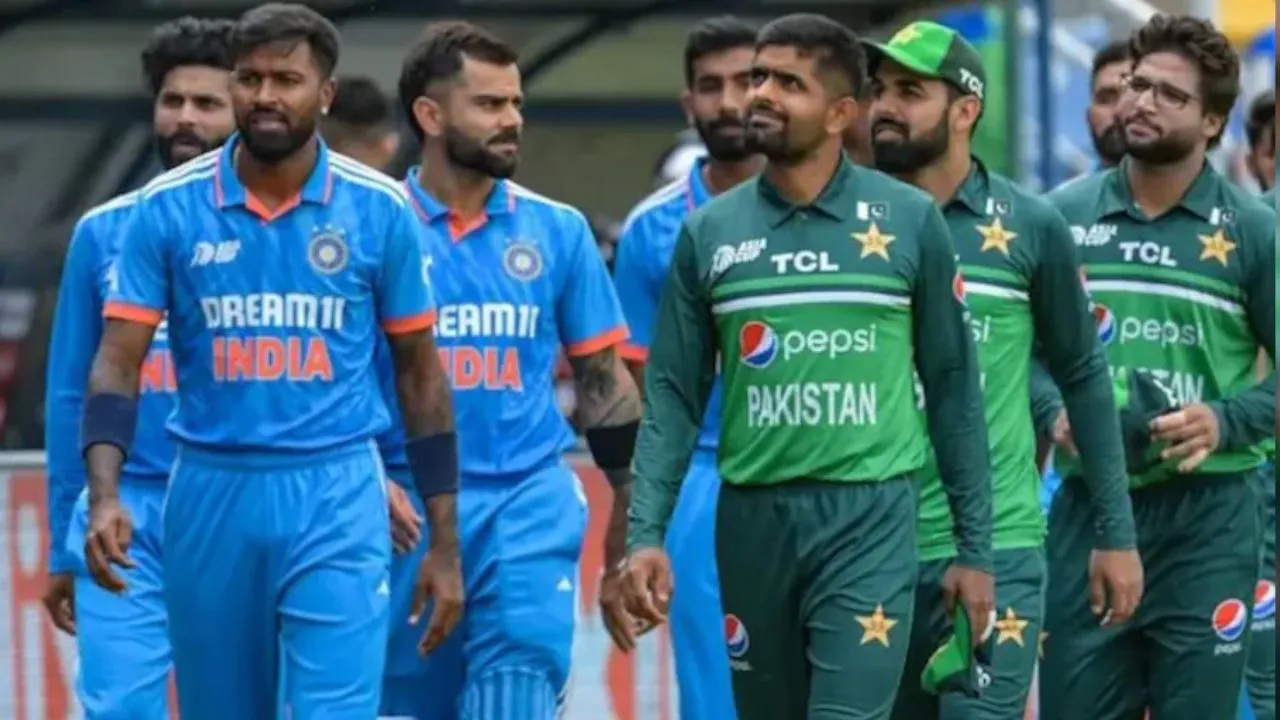
Boycott Calls Grow for India-Pakistan Asia Cup 2025 Clash
As tensions between India and Pakistan continue to simmer, Shiv Sena (UBT) MP Priyanka Chaturvedi has urged the Indian government to block the live broadcast of the highly anticipated India-Pakistan Asia Cup 2025 match. Chaturvedi also criticized the Board of Control for Cricket in India (BCCI) for agreeing to play against Pakistan in the eight-team tournament despite ongoing hostilities at the border.
Criticism Mounts Over India-Pakistan Clash
The match scheduled for September 14 in Dubai has sparked outrage among fans and former Indian cricketers, who have been calling for a boycott in light of recent events such as the Pahalgam terror attack and Operation Sindoor. The two teams could potentially face off up to three times if they both make it to the Super 4s and the final of the tournament.
Earlier this week, the Sports Ministry announced that Team India would not engage in any bilateral series with Pakistan but would continue to participate in multilateral tournaments like the Asia Cup 2025. This decision has drawn criticism from various quarters, with opposition MPs also raising concerns in Parliament about the BCCI’s choice to proceed with the fixture despite strained relations between the neighboring nations.
Allegations of Offensive Content
Priyanka Chaturvedi further accused the Pakistan Cricket Board chairman, Mohsin Naqvi, of making inflammatory remarks about India. She also pointed out that some Pakistani players had shared objectionable posts targeting India on social media platforms.
Chaturvedi highlighted a specific incident involving Pakistani cricketer Faheem Ashraf, who allegedly posted an Instagram story depicting a Pakistani army general applying sindoor on the forehead of a widowed terror victim. These actions have only added fuel to the fire of controversy surrounding the upcoming match between India and Pakistan.
The Call to Forfeit Matches
Raising questions about the government’s stance on cricketing ties with Pakistan, Chaturvedi emphasized that bilateral relations between the two countries had already ceased in 2013. She stressed that while India may be obligated to participate in multilateral tournaments with Pakistan, the option of forfeiting matches remains on the table.
Chaturvedi called on the Indian cricket team and its players to consider the sentiments of the Indian people, who support them and contribute to their revenue. She underscored the symbolism of the tricolor they represent, which is intertwined with the sacrifices of the armed forces. Despite contractual obligations from the BCCI and the ICC, Chaturvedi urged the players to prioritize the fight against terrorism over cricket contracts.
As the debate intensifies and the countdown to the India-Pakistan Asia Cup 2025 match continues, the call for a boycott grows louder, raising important questions about sportsmanship, diplomacy, and national pride.
Escalating Tensions: A History of India-Pakistan Cricket Rivalry
The longstanding cricket rivalry between India and Pakistan dates back to their first Test series in 1952. Since then, matches between the two nations have been charged with emotion, national pride, and intense competition. Over the years, cricket has become entwined with the political and social dynamics of India and Pakistan, often serving as a reflection of the broader relationship between the two countries.
Historically, cricket matches have been marred by controversies, on-field altercations, and off-field tensions. The 2011 World Cup semi-final between India and Pakistan, for example, was watched by millions worldwide and carried immense symbolic weight. The outcome of such matches transcends mere sporting success, with victories celebrated as national triumphs and defeats mourned as collective setbacks.
The Role of Sports in Diplomacy
While sports are meant to foster camaraderie and unity, they can also highlight underlying tensions and divisions. In the case of India and Pakistan, cricket has often been used as a diplomatic tool, with matches serving as opportunities for engagement, dialogue, and even peace-building. However, in times of heightened conflict, sports can become a battleground for political posturing and nationalist fervor.
The decision to participate in sporting events against a backdrop of strained relations is a complex one, balancing the ideals of sportsmanship with national interests and public sentiment. For athletes, representing their country on the field carries significant responsibility, as they become symbols of national identity and pride.
The Ethics of Sporting Boycotts
Calls for sporting boycotts, such as the one surrounding the India-Pakistan Asia Cup 2025 match, raise ethical questions about the role of sports in politics. While boycotts can be a powerful form of protest, they also risk depriving athletes of opportunities to compete, fans of the thrill of the game, and the broader public of the unifying potential of sports.
In the case of the India-Pakistan match, the decision to boycott must be weighed against the potential consequences for cricketing diplomacy, the aspirations of athletes, and the expectations of fans. The challenge lies in finding a balance between expressing dissent and upholding the spirit of fair play and competition.
Looking Ahead: The Future of India-Pakistan Cricket
As tensions persist and calls for boycotts grow louder, the future of India-Pakistan cricket remains uncertain. The sport has the potential to bridge divides, build connections, and promote understanding between the two nations. However, it also runs the risk of exacerbating existing conflicts, reinforcing stereotypes, and inflaming nationalist sentiments.
Ultimately, the decision to engage in cricketing contests with Pakistan will continue to be a contentious issue, requiring careful consideration of political, social, and ethical implications. As the India-Pakistan Asia Cup 2025 match approaches, the debate surrounding the fixture serves as a reminder of the complex interplay between sports, diplomacy, and national identity.
In navigating these complexities, stakeholders must prioritize dialogue, empathy, and a commitment to peaceful coexistence, recognizing the power of sports to transcend borders and bring people together, even in the face of adversity.
Latest News
New Zealand suffer blow as William O’Rourke misses India ODIs and Tests
Top 10 highest run-chases in T20 cricket history, ft. West Indies’ Ranchi win vs India
Aaryavir Sehwag and Anvay Dravid set to make headlines at U19 Asia Cup 2026
Longest ducks in Test cricket history ft. Nic Maddinson, Shoaib Akhtar
ECB to offer 39 central contracts to England players after Ben Stokes, Mark Wood’s retirement
Steve Smith surpasses Steve Waugh in all-time Test run-scorers’ list
Shane Watson identifies Gautam Gambhir’s biggest problem as India struggle for consistency
Is Bhuvneshwar Kumar in India’s 2027 World Cup plans? Ajinkya Rahane makes revelation
BCCI’s big ₹127 Crore move after injury crisis raises concerns over Team India
Parthiv Patel reveals RCB ignored his Jasprit Bumrah recommendation in IPL 2014 Auction
“Never spoke ill of any faith”: Irfan Pathan hits back at fake news using his name
Nic Maddinson bags 33-ball duck on Test comeback, disappoints George Bailey
Imran Tahir predicts 2027 ICC ODI World Cup Semi-Finalists, snubs India for title
Australia create unwanted history with first all-30-plus Test XI