India vs Pakistan bilateral series incoming? PCB chairman breaks silence
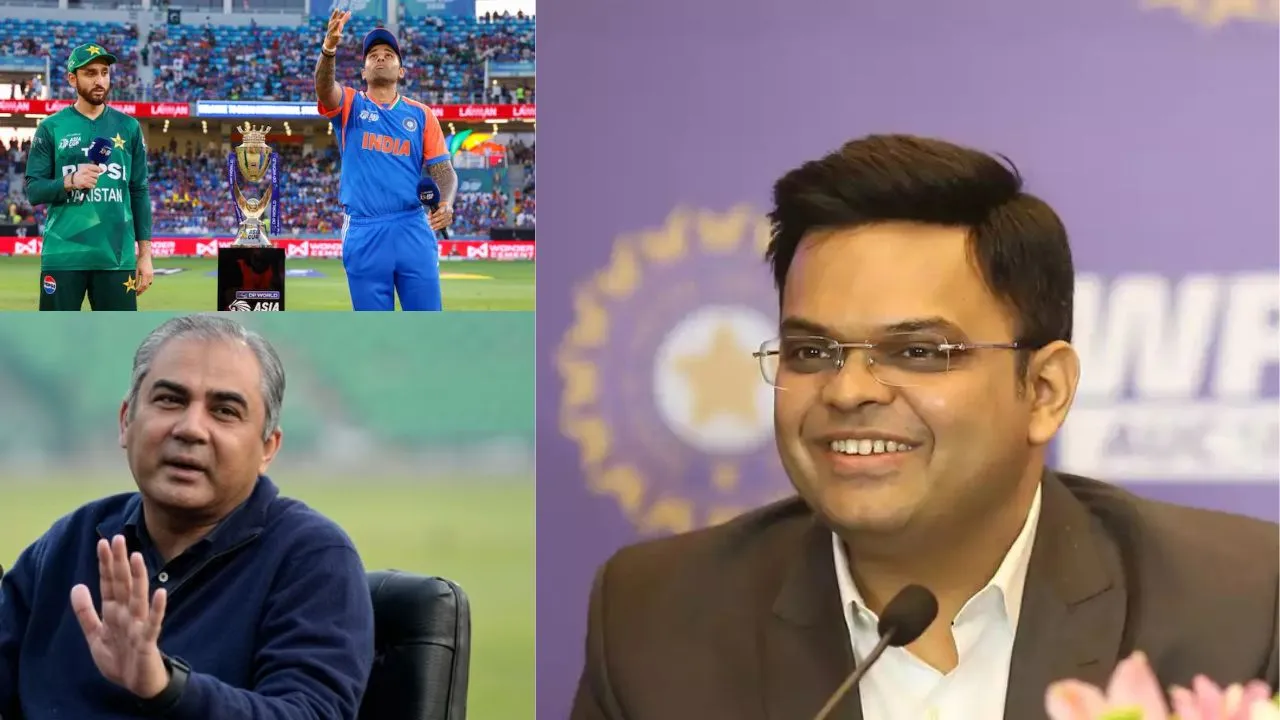
Mohsin Naqvi Reveals Truth Behind T20 World Cup 2026 Drama
The Pakistan Cricket Board (PCB) chairman, Mohsin Naqvi, has finally addressed the recent speculation and political turmoil surrounding the T20 World Cup 2026. Naqvi clarified that Pakistan’s recent discussions with the International Cricket Council (ICC) in Lahore were solely focused on supporting Bangladesh, dismissing any claims of ulterior motives or personal gains.
Denial of Alleged Demands
Contrary to reports suggesting that Pakistan had presented conditions to the ICC, including the resumption of bilateral cricket with India, Naqvi emphasized that the discussions were centered on advocating for Bangladesh’s fair treatment. He firmly denied any demands related to the India-Pakistan bilateral series revival, asserting that Pakistan’s intentions were transparent and altruistic.
Speaking to the media, Naqvi stated, “We did not discuss anything apart from Bangladesh. Our only purpose was to get respect for Bangladesh and highlight the injustice done to them. And you saw that whatever demands Bangladesh made were accepted. That’s it.”
Emphasis on Bangladesh’s Needs
Naqvi reiterated that Pakistan had no hidden agenda or personal interests during the discussions with the ICC. He emphasized that the decision to participate in the T20 World Cup match against India was made in solidarity with Bangladesh, following the ICC’s acknowledgement of the injustices faced by the Bangladesh Cricket Board (BCB).
Highlighting the importance of addressing Bangladesh’s concerns, Naqvi explained, “Our task was purely related to Bangladesh. The government took its decision on that basis. When their demands were accepted and it was acknowledged that injustice was done to them, we decided to play.”
ICC’s Response and Potential Concessions
Following the ICC’s statement expressing regret over Bangladesh’s absence from the T20 World Cup, the global body announced that the BCB would not face any penalties and would be granted hosting rights for an event in the upcoming cricket cycle. While the ICC’s statement did not mention any concessions to Pakistan, reports suggest that the ICC may have offered certain concessions to ensure Pakistan’s participation in the India match.
Details regarding these alleged concessions are expected to surface soon, shedding light on the intricate dynamics of the discussions between Pakistan, Bangladesh, and the ICC. Naqvi’s transparency regarding Pakistan’s stance aims to dispel any misconceptions surrounding the T20 World Cup 2026 drama and reaffirm the country’s commitment to supporting fellow cricket-playing nations.
As the cricketing world awaits further developments, the focus remains on the upcoming matches and the evolving relationships within the international cricket community.
Impact on Pakistan’s Cricket Diplomacy
While Mohsin Naqvi’s clarification has shed light on Pakistan’s motivations in the T20 World Cup 2026 drama, it also underscores the intricate web of diplomatic relationships within the cricketing world. Pakistan’s decision to stand in solidarity with Bangladesh not only reflects a commitment to supporting fellow cricket-playing nations but also showcases the country’s diplomatic finesse in navigating complex international dynamics.
By advocating for Bangladesh’s fair treatment and highlighting the injustices faced by the BCB, Pakistan has positioned itself as a champion of inclusivity and fairness in cricket. This strategic move not only strengthens Pakistan’s ties with Bangladesh but also sends a powerful message to the broader cricketing community about the importance of unity and solidarity in the sport.
Future Implications and Potential Opportunities
The fallout from the T20 World Cup 2026 drama and Pakistan’s role in advocating for Bangladesh could have far-reaching consequences for the future of international cricket. The ICC’s response to the situation sets a precedent for addressing grievances within the cricketing community and opens up opportunities for constructive dialogue and collaboration between member nations.
As the cricketing world awaits further details on the alleged concessions offered to Pakistan, there is speculation about how these potential benefits could impact Pakistan’s cricketing landscape. Whether in terms of scheduling, hosting rights, or other privileges, these concessions could have significant implications for Pakistan’s cricketing future and its standing within the international cricketing arena.
Transparency and Trust Building
Mohsin Naqvi’s transparency in addressing the T20 World Cup 2026 drama not only clarifies Pakistan’s stance but also demonstrates a commitment to building trust and fostering open communication within the cricketing community. By dispelling misconceptions and rumors, Naqvi’s statements pave the way for constructive dialogue and collaboration between Pakistan, Bangladesh, and the ICC.
Moving forward, this transparency and commitment to fair play could enhance Pakistan’s reputation on the global cricketing stage and strengthen its relationships with other cricketing nations. By upholding principles of fairness and solidarity, Pakistan stands to gain respect and recognition as a responsible and proactive member of the international cricketing community.
Looking Ahead
As the dust settles on the T20 World Cup 2026 drama, the focus now shifts to the upcoming matches and the evolving dynamics within international cricket. With Pakistan’s role in advocating for Bangladesh and the potential concessions offered by the ICC, the stage is set for a new chapter in the world of cricket diplomacy.
As stakeholders await further developments and details on the alleged concessions, there is anticipation and curiosity about how these decisions will shape the future of international cricket and the relationships between cricketing nations. The T20 World Cup 2026 drama may have been a moment of controversy and speculation, but it also offers a valuable opportunity for reflection, dialogue, and progress within the cricketing community.
Ultimately, the lessons learned from this episode could pave the way for a more inclusive, transparent, and collaborative future for international cricket, where principles of fairness, unity, and respect guide the interactions between cricket-playing nations. As the cricketing world navigates through these complexities, the spirit of the sport remains a unifying force that transcends borders and differences, bringing together nations in the shared love of cricket.
Latest News
New Zealand suffer blow as William O’Rourke misses India ODIs and Tests
Top 10 highest run-chases in T20 cricket history, ft. West Indies’ Ranchi win vs India
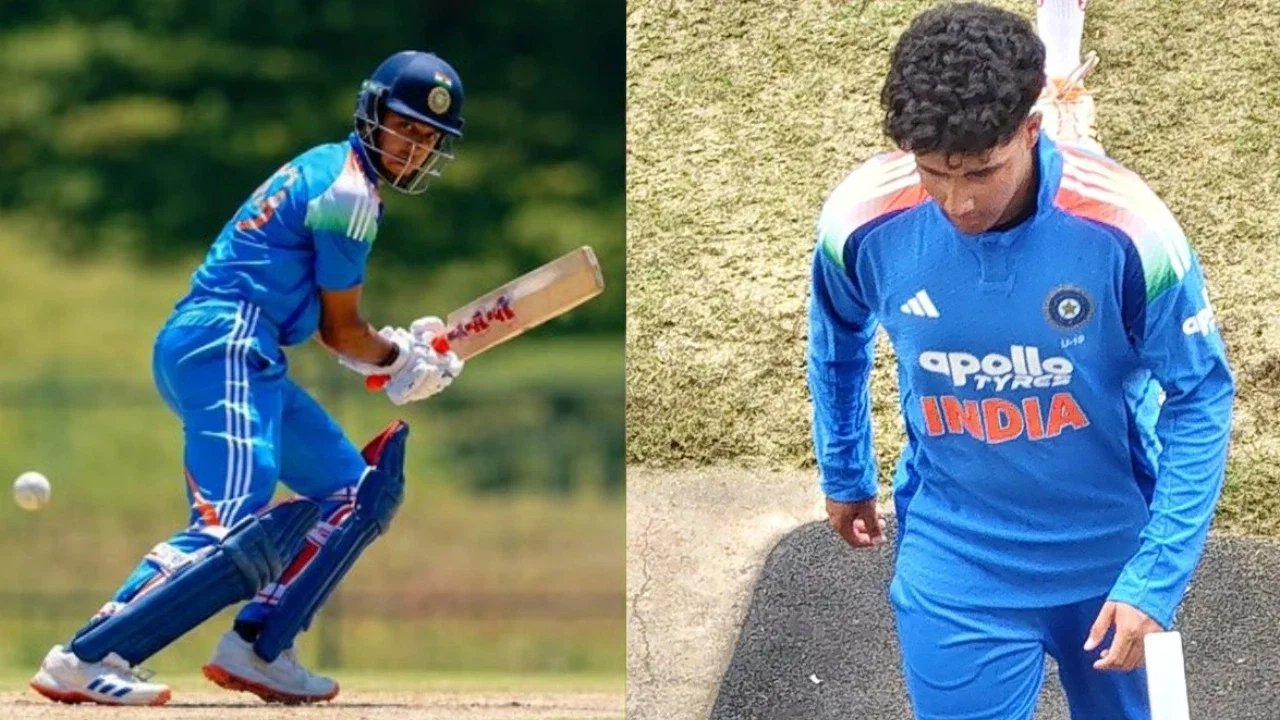
Aaryavir Sehwag and Anvay Dravid set to make headlines at U19 Asia Cup 2026
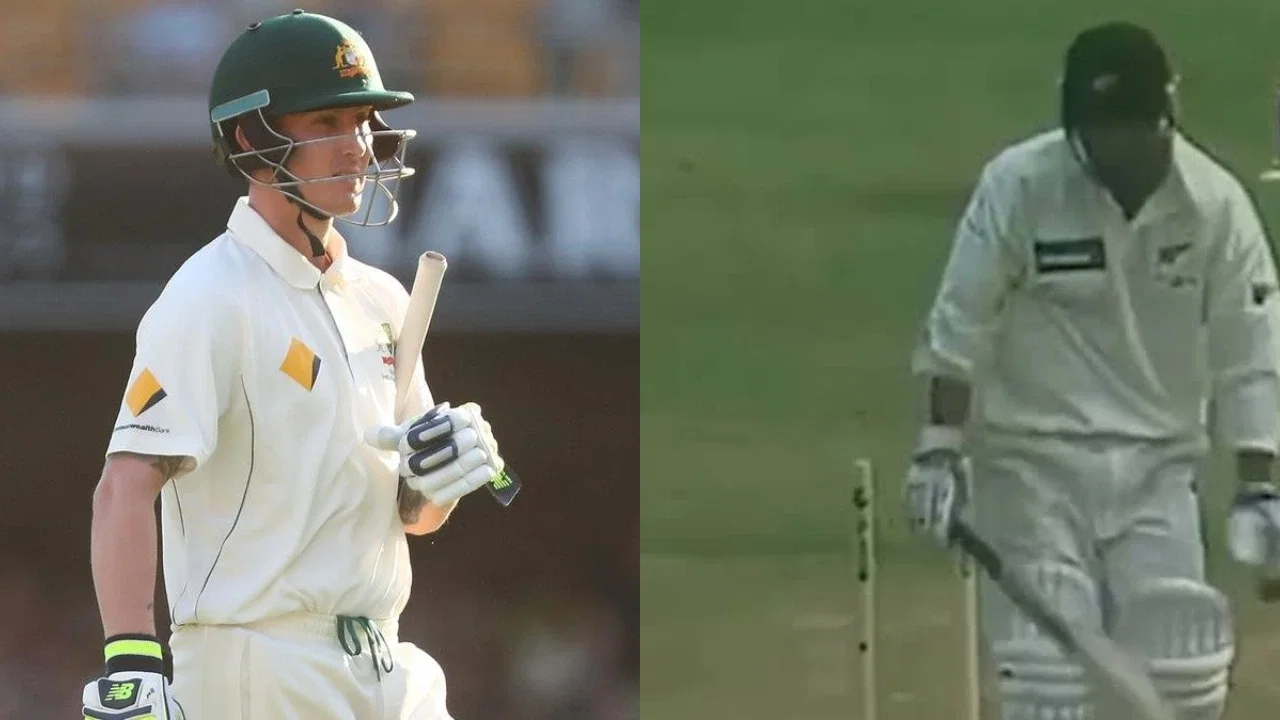
Longest ducks in Test cricket history ft. Nic Maddinson, Shoaib Akhtar
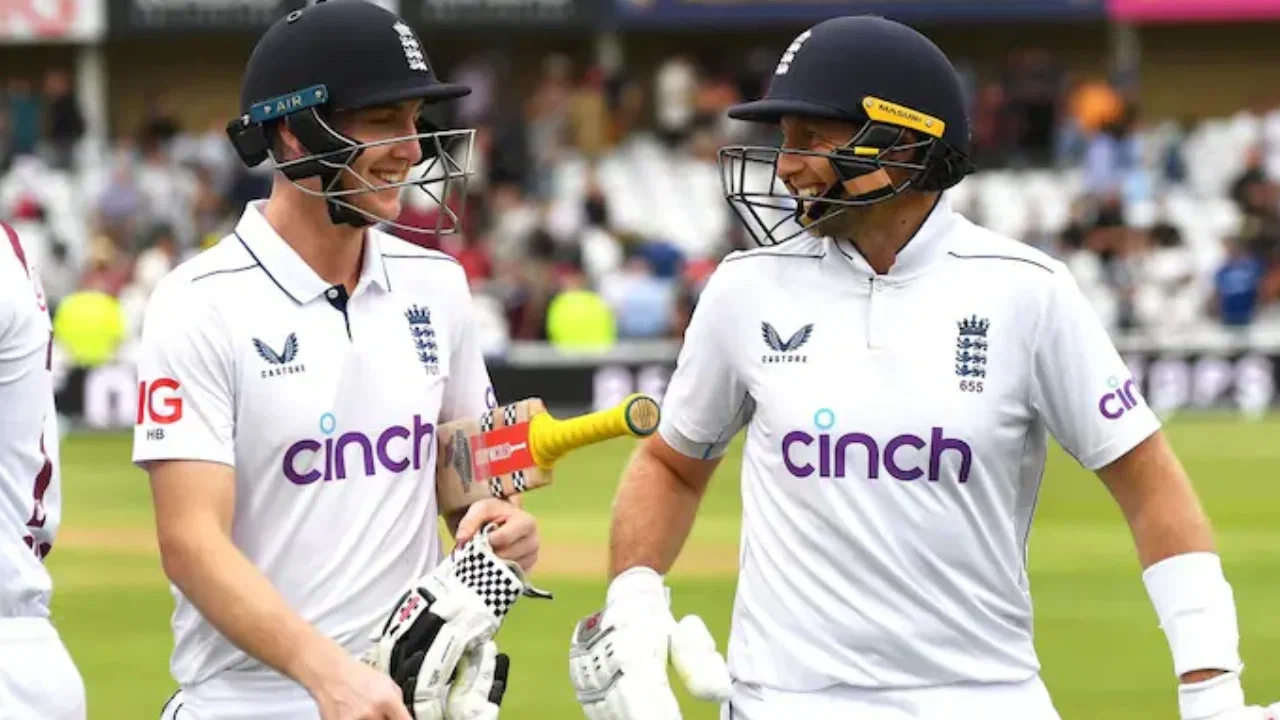
ECB to offer 39 central contracts to England players after Ben Stokes, Mark Wood’s retirement
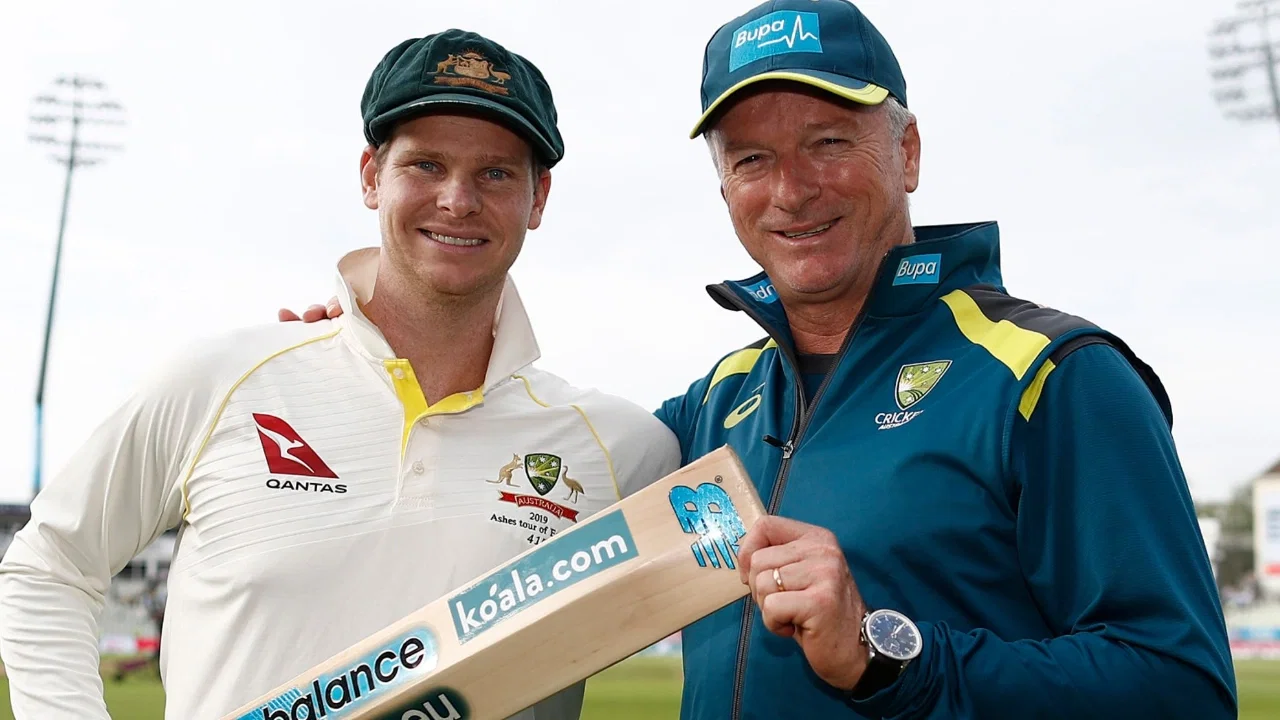
Steve Smith surpasses Steve Waugh in all-time Test run-scorers’ list

Shane Watson identifies Gautam Gambhir’s biggest problem as India struggle for consistency
Is Bhuvneshwar Kumar in India’s 2027 World Cup plans? Ajinkya Rahane makes revelation
BCCI’s big ₹127 Crore move after injury crisis raises concerns over Team India
Parthiv Patel reveals RCB ignored his Jasprit Bumrah recommendation in IPL 2014 Auction
“Never spoke ill of any faith”: Irfan Pathan hits back at fake news using his name
Nic Maddinson bags 33-ball duck on Test comeback, disappoints George Bailey
Imran Tahir predicts 2027 ICC ODI World Cup Semi-Finalists, snubs India for title
Australia create unwanted history with first all-30-plus Test XI