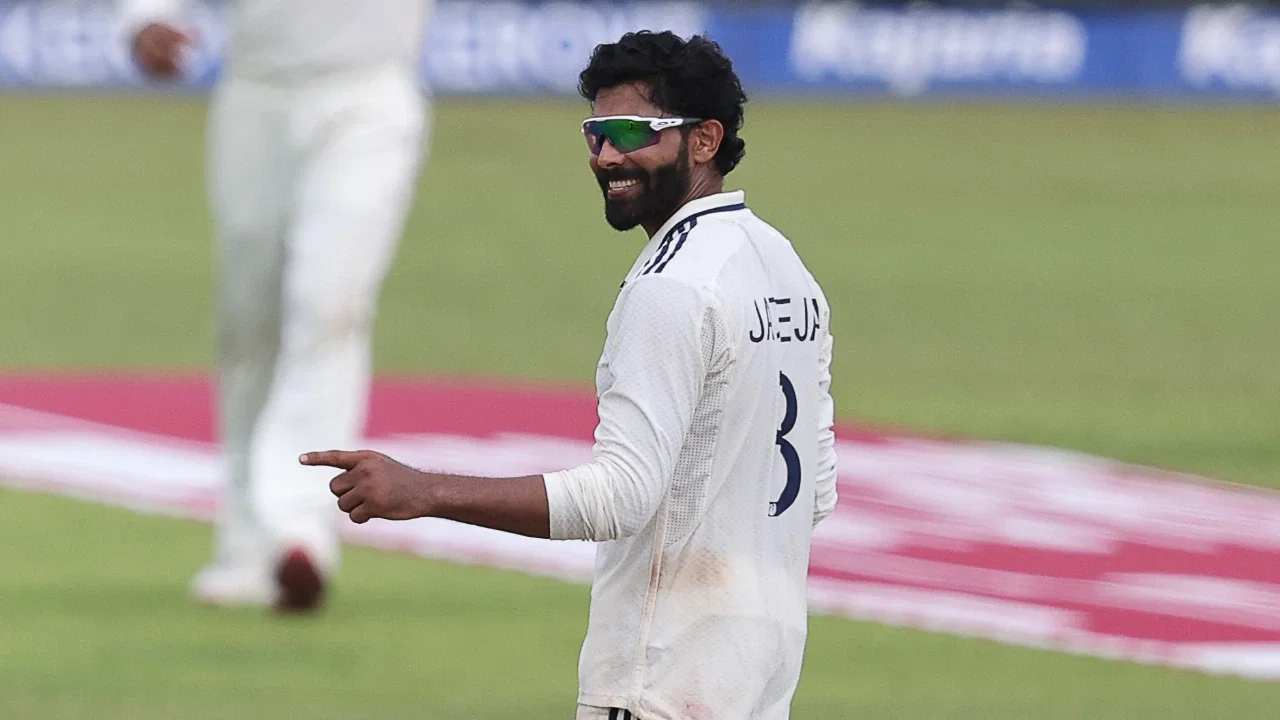
India’s colossal ‘Abhishek Sharma weakness’ exposed ahead of Pakistan clash
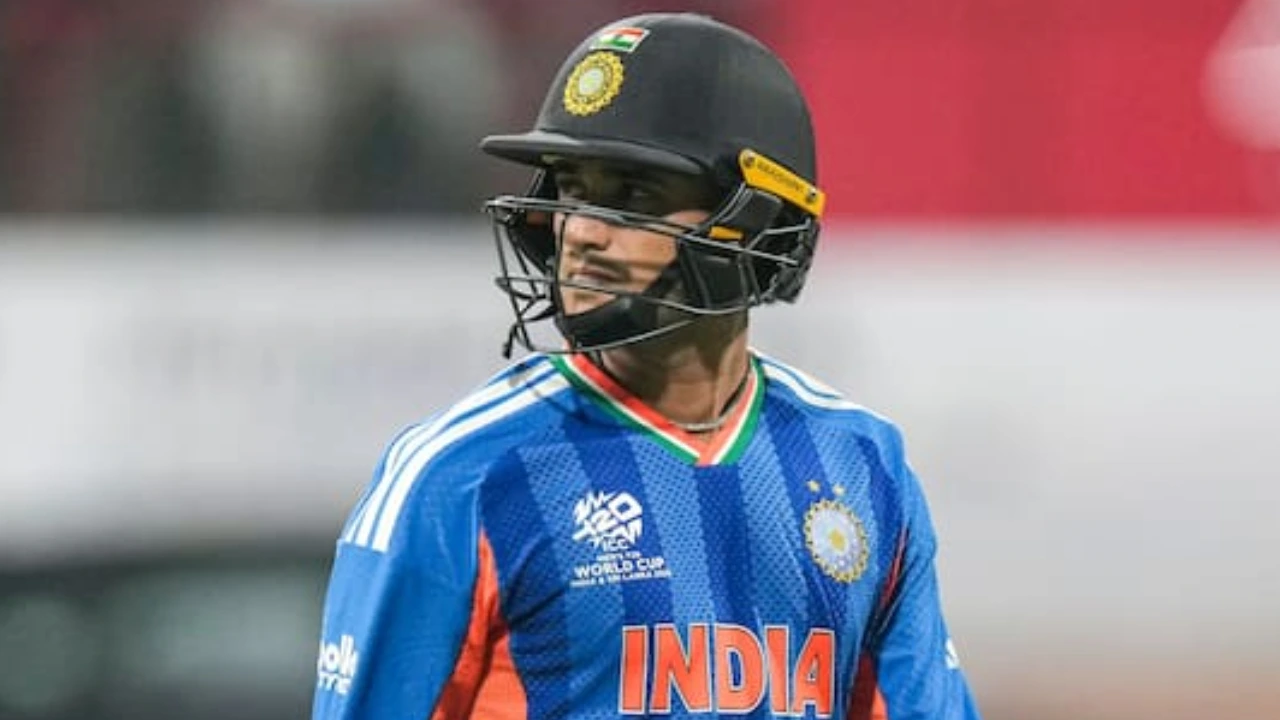
India’s Victory Over USA Unveils Key Weakness in T20 World Cup Opener
India kicked off their T20 World Cup 2026 campaign with a thrilling 29-run victory over the USA, but the match highlighted a significant concern in their lineup. Former fast bowler Lakshmipathy Balaji raised alarms over Abhishek Sharma’s early exit and the team’s overreliance on him for quick starts.
Abhishek Sharma’s Early Exit Reveals Vulnerabilities in India’s Batting Lineup
Defending champions India found themselves in a precarious position after Abhishek Sharma perished for a golden duck on the very first ball he faced. The subsequent collapse left India struggling at 77/6 in the 13th over, putting immense pressure on the team. However, skipper Suryakumar Yadav displayed exceptional leadership by crafting a brilliant unbeaten innings of 84 runs from 49 balls, guiding India to a total of 161/9 in 20 overs.
The narrow victory was secured by a disciplined bowling performance led by Mohammed Siraj at the iconic Wankhede Stadium in Mumbai. The win sets the stage for India’s upcoming clash against Namibia on February 12, a crucial encounter in Group A of the ongoing T20 World Cup.
Balaji Highlights the Flaws in India’s Opening Partnership Strategy
Prior to the match against Namibia, Lakshmipathy Balaji emphasized the risks associated with India’s fragile opening formula, with Abhishek Sharma shouldering the burden of providing quick starts. Balaji underscored the absence of a stable opening partner for Abhishek, citing Ishan Kishan’s recent return to the side as a factor contributing to the imbalance in the lineup.
Balaji expressed concerns over Abhishek’s shot selection and urged the young opener to exhibit greater maturity at the crease, especially as opposition teams are devising strategies to contain his explosive stroke play. The former pacer stressed the importance of situational awareness and the need for Abhishek to assess match conditions before playing risky shots early in his innings.
Reevaluating Batting Order Choices Against the USA
Balaji also criticized India’s decision to send in Shivam Dube during the collapse against the USA, suggesting that the big-hitter should have been held back for later in the innings. In tense situations, Balaji advocated for experienced players like Hardik Pandya or Axar Patel to take charge and stabilize the innings.
Axar’s versatility across formats and Pandya’s prowess in power-hitting make them ideal candidates to navigate challenging situations, according to Balaji. While Pandya is typically reserved for the final overs, the need for experienced heads to intervene early in crises like the one against the USA was emphasized by the former cricketer.
As India prepares to face Namibia in their next T20 World Cup encounter, the spotlight remains on Abhishek Sharma and the team’s ability to address the vulnerabilities exposed in their opening match. Balaji’s insights serve as a timely reminder for India to shore up their strategies and ensure a more balanced approach in pursuit of World Cup glory.
India’s Batting Depth: A Critical Analysis
While India’s victory over the USA in the T20 World Cup opener was a positive start to their campaign, it also shed light on the team’s batting vulnerabilities. The early exit of Abhishek Sharma revealed a key weakness in the Indian lineup: the lack of a solid opening partnership. With Sharma failing to provide a quick start, the middle order was exposed to pressure, resulting in a collapse that could have cost India the match.
It is essential for India to address this issue by reevaluating their batting order choices and finding a stable opening partner for Abhishek Sharma. The reliance on one player for explosive starts is risky, especially in high-stakes tournaments like the T20 World Cup. By developing a strong opening partnership, India can mitigate the risk of early wickets and build a solid foundation for the middle order to thrive.
The Role of Experience in Pressure Situations
Lakshmipathy Balaji’s critique of India’s decision to send in Shivam Dube during the collapse against the USA raises an important point about the value of experience in pressure situations. While Dube is known for his big-hitting abilities, the situation called for a more seasoned player to stabilize the innings. Players like Hardik Pandya and Axar Patel, with their wealth of experience in challenging scenarios, could have been better suited to handle the pressure and guide India to a competitive total.
As India gears up to face Namibia in their next match, the team must consider the impact of experience on their batting lineup. Balaji’s emphasis on situational awareness and the ability to assess match conditions is crucial for the success of the team in the T20 World Cup. By incorporating the wisdom of seasoned players into their strategy, India can navigate challenging situations with confidence and composure.
Strategies for Success Against Namibia
As India prepares for their upcoming clash against Namibia, they have an opportunity to implement the insights provided by Lakshmipathy Balaji and strengthen their batting approach. By selecting a reliable opening partner for Abhishek Sharma and leveraging the experience of players like Hardik Pandya and Axar Patel in pressure situations, India can enhance their chances of success in the T20 World Cup.
Furthermore, the team must focus on adaptability and flexibility in their batting order, allowing for quick adjustments based on the match situation. By fostering a mindset of resilience and strategic thinking, India can overcome any challenges posed by their opponents and showcase their true potential on the global stage.
In conclusion, India’s victory over the USA in the T20 World Cup opener was a positive start, but it also unveiled key weaknesses that the team must address moving forward. By incorporating the lessons learned from this match and implementing strategic changes in their batting lineup, India can position themselves as strong contenders for the T20 World Cup title.
Latest News
New Zealand suffer blow as William O’Rourke misses India ODIs and Tests
Top 10 highest run-chases in T20 cricket history, ft. West Indies’ Ranchi win vs India
Aaryavir Sehwag and Anvay Dravid set to make headlines at U19 Asia Cup 2026
Longest ducks in Test cricket history ft. Nic Maddinson, Shoaib Akhtar
ECB to offer 39 central contracts to England players after Ben Stokes, Mark Wood’s retirement
Steve Smith surpasses Steve Waugh in all-time Test run-scorers’ list
Shane Watson identifies Gautam Gambhir’s biggest problem as India struggle for consistency
Is Bhuvneshwar Kumar in India’s 2027 World Cup plans? Ajinkya Rahane makes revelation
BCCI’s big ₹127 Crore move after injury crisis raises concerns over Team India
Parthiv Patel reveals RCB ignored his Jasprit Bumrah recommendation in IPL 2014 Auction
“Never spoke ill of any faith”: Irfan Pathan hits back at fake news using his name
Nic Maddinson bags 33-ball duck on Test comeback, disappoints George Bailey
Imran Tahir predicts 2027 ICC ODI World Cup Semi-Finalists, snubs India for title
Australia create unwanted history with first all-30-plus Test XI