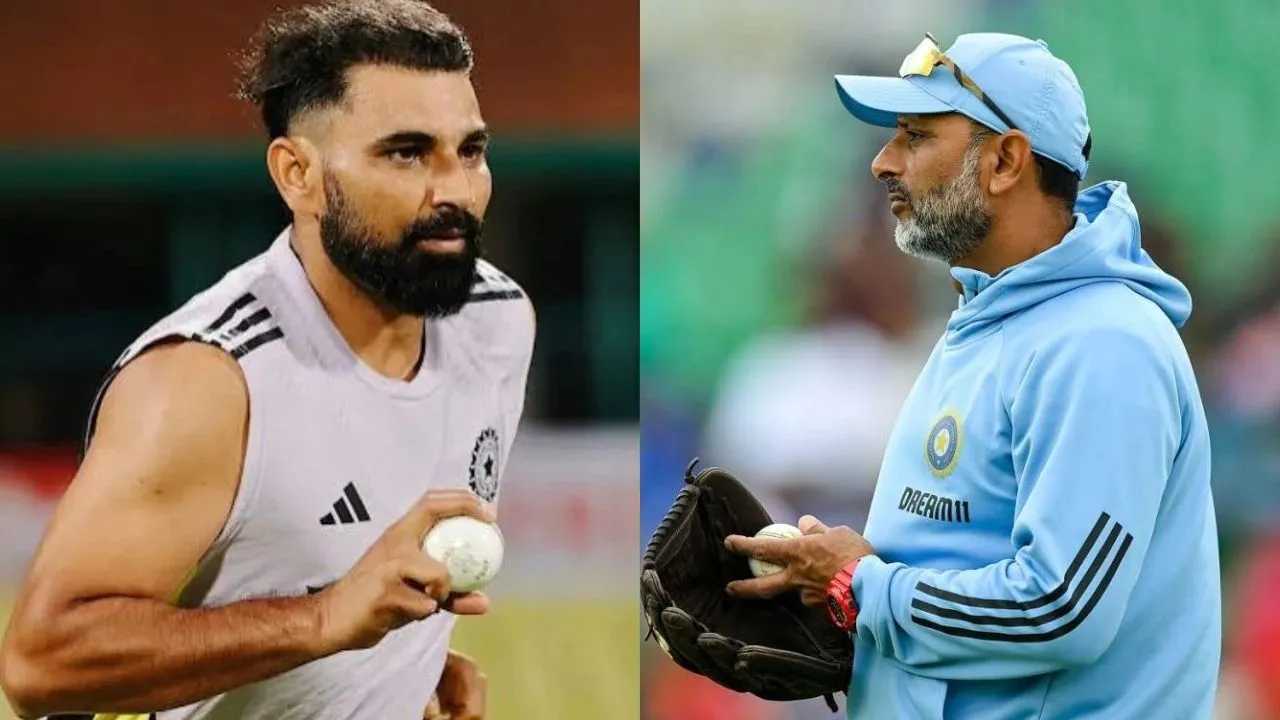
Internal conflict hits Delhi Capitals as Venugopal Rao targets his brother over poor fielding in IPL 2026
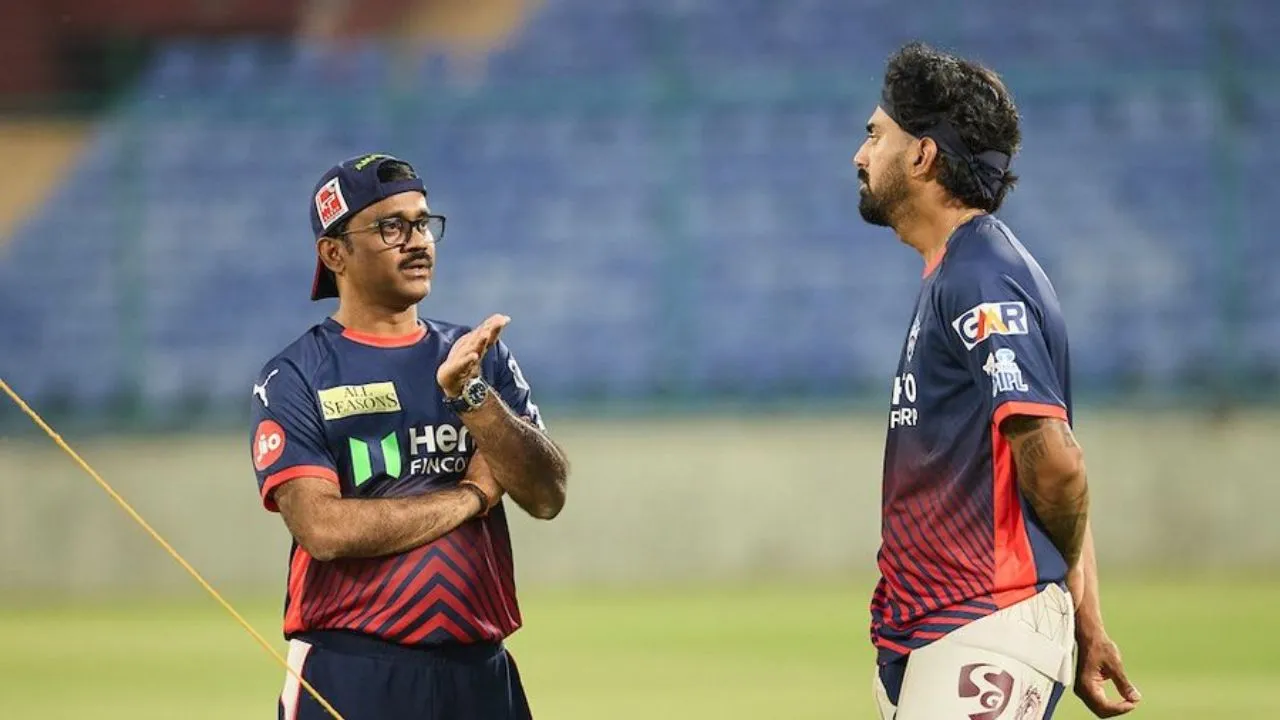
Venugopal Rao Expresses Disappointment Over Delhi Capitals’ Fielding Performance
Delhi Capitals (DC) Director of Cricket, Venugopal Rao, has expressed his disappointment with the overall fielding standards displayed by his franchise in the recent match against Chennai Super Kings (CSK).
After suffering a 23-run defeat at the hands of CSK on April 11, Rao indirectly targeted his brother, Gnaneswara Rao, the fielding coach for the Delhi-based team. The DC team conceded 212 runs after losing the toss and were then bowled out for 189 runs in response, marking their second consecutive defeat in the IPL 2026.
Delhi Capitals’ loss against Chennai Super Kings was largely attributed to sloppy fielding. Pathum Nissanka’s crucial dropped catch at long-off when Sanju Samson was on 52 runs proved to be costly. Additionally, the team missed a simple run-out chance against Ayush Mhatre immediately after the strategic timeout.
Venugopal Rao’s Criticism Puts Pressure on Fielding Coach
During the post-match press conference, Venugopal Rao openly spoke about the fielding failures and emphasized the need for improvement in that area. He stated, “I think fielding was one area that we need to improve a lot. If we fielded well, we could have saved 15–20 runs, and it would have helped us a lot.”
Rao’s direct criticism of the fielding performance has brought significant attention to Gnaneswara Rao and his coaching methods. Venugopal Rao highlighted the importance of consistent fielding standards in a long tournament like the IPL.
Sanju Samson’s Century Punishes Delhi Capitals
The dropped catch allowed Sanju Samson to dominate the Delhi Capitals’ bowling attack as he scored an unbeaten 115 runs from just 56 deliveries, including 15 boundaries and four sixes. Samson reached his half-century in 26 balls, setting the stage for CSK’s imposing total.
Chennai Super Kings’ captain, Ruturaj Gaikwad, was dismissed early, but Ayush Mhatre’s 59 runs from 36 balls and Shivam Dube’s quick 20 off 10 balls helped CSK post a massive total of 212/2.
Key Turning Point in the Match
Delhi Capitals’ chase started well with a 62-run opening partnership. However, the team lost four key wickets within four overs against disciplined CSK bowlers. Tristan Stubbs tried to fight back with 60 runs from 30 balls, but Jamie Overton’s four wickets for just 18 runs and Anshul Kamboj’s three wickets for 35 runs proved to be too much for Delhi Capitals.
Venugopal Rao admitted that losing four wickets in quick succession was the turning point of the match. He acknowledged that the extra runs conceded due to sloppy fielding completely changed the match dynamics and made it challenging for Delhi Capitals to chase down the target set by CSK.
In conclusion, Venugopal Rao’s critique of Delhi Capitals’ fielding performance highlights the importance of consistency and precision in all aspects of the game to succeed in high-stakes tournaments like the IPL.
Factors Affecting Fielding Performance in T20 Matches
Fielding has always been a crucial aspect of cricket, especially in fast-paced T20 matches where every run counts. Several factors can influence a team’s fielding performance, including pressure, skill levels, fitness, teamwork, and mental focus.
Pressure in high-stakes matches like the IPL can often lead to fielders making mistakes they wouldn’t in a less intense situation. The ability to handle pressure and stay composed under challenging circumstances is a key skill that all fielders must possess.
Skill levels play a significant role in fielding performance. Techniques such as catching, throwing, and anticipation are essential for success in the field. Fielding drills and practice sessions are essential for improving these skills and maintaining high standards during matches.
Fitness is another crucial factor that can impact fielding. Fielders need to be agile, quick on their feet, and have good endurance to cover ground, chase down balls, and make quick decisions in the field. A lack of fitness can lead to dropped catches, missed run-out opportunities, and overall sloppy fielding.
Teamwork is vital in the field, as coordination and communication between fielders can make a significant difference in preventing runs and taking wickets. Fielders need to work together to support each other, anticipate each other’s movements, and make split-second decisions to field efficiently as a unit.
Mental focus is perhaps the most critical factor affecting fielding performance. Fielders need to stay alert, focused, and engaged throughout the match to react quickly to opportunities and threats in the field. A lapse in concentration can result in missed chances, dropped catches, and costly mistakes that can change the course of a match.
The Role of the Fielding Coach in Improving Performance
Fielding coaches play a crucial role in improving a team’s fielding performance. They are responsible for conducting fielding drills, providing feedback to players, identifying areas for improvement, and instilling a culture of excellence in the fielding department.
Fielding coaches work closely with players to develop their skills, techniques, and fitness levels. They design specific drills to target weaknesses, improve reaction times, enhance throwing accuracy, and sharpen anticipation skills. Regular practice under the guidance of a fielding coach can help players build confidence and consistency in their fielding abilities.
In addition to technical skills, fielding coaches also focus on the mental aspect of fielding. They help players develop a strong mindset, stay focused under pressure, and maintain high levels of concentration throughout the match. Mental resilience is essential for fielders to bounce back from mistakes, stay positive, and continue performing at their best.
Fielding coaches also play a role in developing teamwork and communication among fielders. They encourage players to support each other, communicate effectively on the field, and work together to execute fielding strategies. A cohesive fielding unit can make a significant impact on the team’s overall performance and success in matches.
Conclusion
Fielding is a critical aspect of cricket that can have a significant impact on the outcome of matches, especially in fast-paced formats like T20. Consistent, precise, and error-free fielding can help teams save runs, create opportunities, and turn the tide of a match in their favor.
Delhi Capitals’ Director of Cricket, Venugopal Rao, highlighting the importance of fielding standards and expressing disappointment over his team’s performance serves as a reminder of the critical role fielding plays in a team’s success. By addressing weaknesses, working on skills, maintaining fitness, fostering teamwork, and enhancing mental focus, teams can improve their fielding performance and overall chances of victory in tournaments like the IPL.
Latest News
Top 10 highest run-chases in T20 cricket history, ft. West Indies’ Ranchi win vs India
Aaryavir Sehwag and Anvay Dravid set to make headlines at U19 Asia Cup 2026
Longest ducks in Test cricket history ft. Nic Maddinson, Shoaib Akhtar
ECB to offer 39 central contracts to England players after Ben Stokes, Mark Wood’s retirement

Steve Smith surpasses Steve Waugh in all-time Test run-scorers’ list

Shane Watson identifies Gautam Gambhir’s biggest problem as India struggle for consistency

Is Bhuvneshwar Kumar in India’s 2027 World Cup plans? Ajinkya Rahane makes revelation

BCCI’s big ₹127 Crore move after injury crisis raises concerns over Team India

Parthiv Patel reveals RCB ignored his Jasprit Bumrah recommendation in IPL 2014 Auction
“Never spoke ill of any faith”: Irfan Pathan hits back at fake news using his name
Nic Maddinson bags 33-ball duck on Test comeback, disappoints George Bailey

Imran Tahir predicts 2027 ICC ODI World Cup Semi-Finalists, snubs India for title
Australia create unwanted history with first all-30-plus Test XI
Ravindra Jadeja returns to Ranji Trophy as Saurashtra announce squad