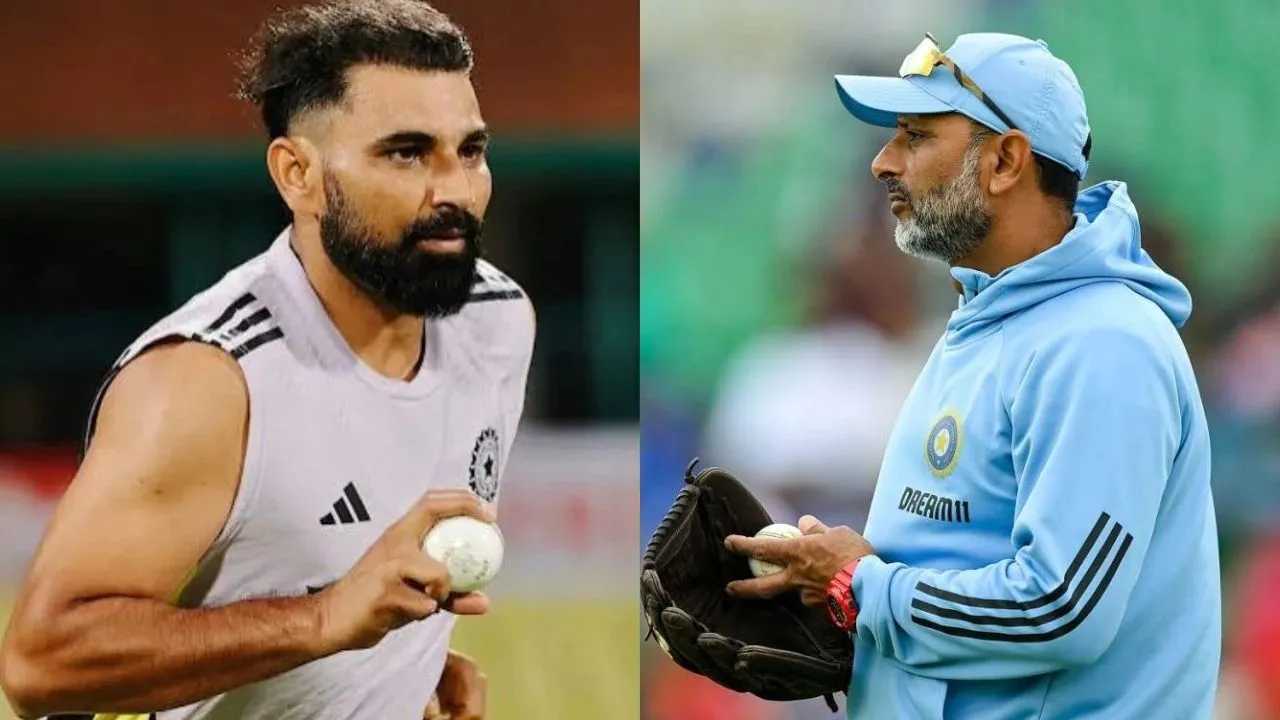
IPL 2026: Impact Player Rule Is Destroying Certain Cricketers – 5 Victims Named
The Impact of the Impact Player Rule in IPL 2026
The Impact Player rule introduced in the Indian Premier League in 2023 has been a hotly debated topic among fans, players, and cricket experts. This rule allows teams to substitute one of their 11 players for a 12th one during the course of a match, leading to various implications for team composition and player development.
Controversy Surrounding the Rule
Initially tried in domestic cricket during the Syed Mushtaq Ali Trophy in 2022, the Impact Player rule was later incorporated into the IPL. However, due to criticism from fans and players, the Board of Control for Cricket in India (BCCI) decided to remove this rule from the Syed Mushtaq Ali Trophy in 2024. Despite the backlash, the BCCI confirmed during the IPL captains’ meet that the rule would remain in effect until at least 2027.
Effects on Player Development
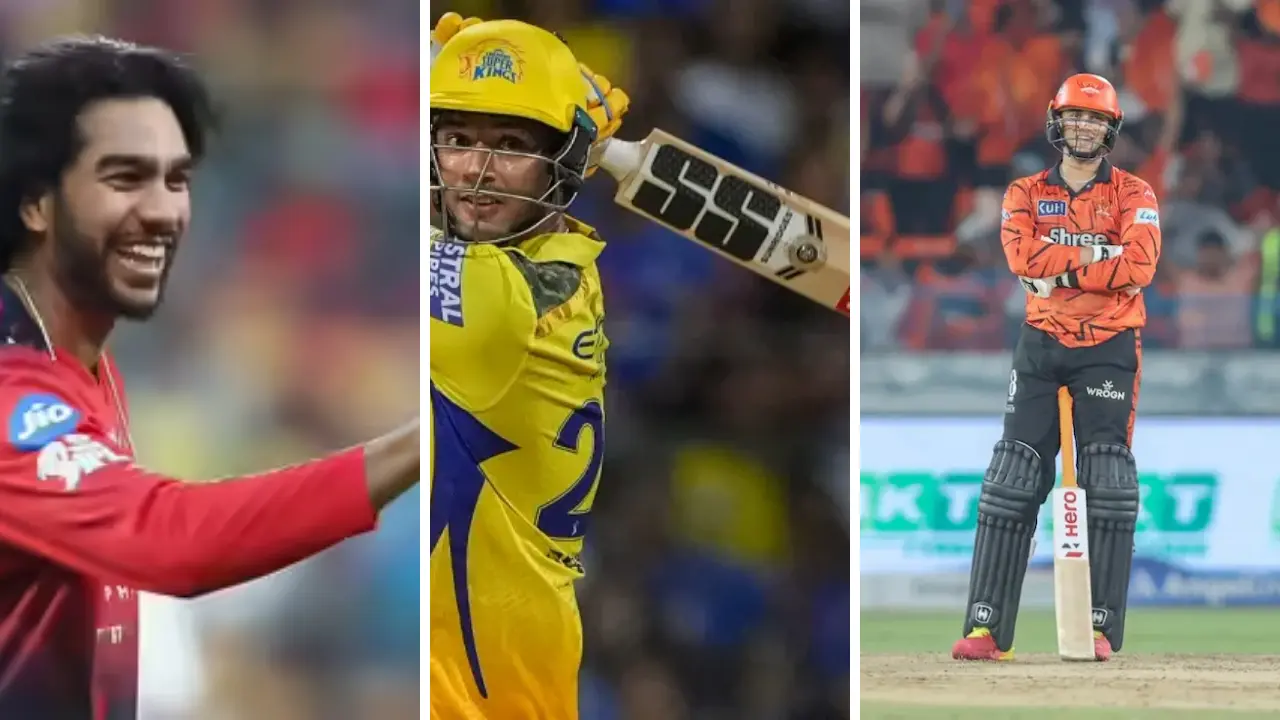
One of the most significant impacts of the Impact Player rule is the hindrance it poses to the development of all-rounders in the game. With teams opting to use the extra player as a specialist batter or bowler, the opportunities for all-rounders to showcase their skills and secure a spot in the playing XI have diminished. Players like Venkatesh Iyer, Abhishek Sharma, Prashant Veer, Shivam Dube, and Jacob Bethell have experienced setbacks in their careers due to the constraints imposed by this rule.
Case Studies: Players Affected by the Rule
Venkatesh Iyer: Since the introduction of the Impact Player rule, Iyer, known for his medium pace deliveries, has struggled to find opportunities to bowl in the IPL, impacting his overall performance and growth as a cricketer.
Abhishek Sharma: Despite being a top-ranked batter in T20I rankings, Sharma’s left-arm spin has suffered in the IPL, with limited chances to showcase his bowling skills due to the dominance of specialist bowlers in the Impact Player role.
Prashant Veer: Veer, who entered the IPL as a promising uncapped player with impressive statistics in domestic cricket, has faced challenges in securing a consistent role in the playing XI, restricting his impact on the field.
Shivam Dube: Dube, recognized for his hard-hitting abilities and bowling prowess, has struggled to find opportunities to bowl in the IPL, despite delivering consistent performances for India and his domestic team.
Jacob Bethell: Bethell’s potential as an all-rounder has been overlooked by his team, RCB, due to the restrictions imposed by the Impact Player rule, hindering his chances to contribute effectively on the field.
Looking Ahead
As the Impact Player rule continues to influence team strategies and player selections in the IPL, it remains to be seen how players adapt to these challenges and carve out successful careers in the competitive world of T20 cricket.
The Evolution of Team Strategies
With the introduction of the Impact Player rule in the IPL, teams have had to rethink their strategies and adapt to the new dynamics of the game. Coaches and captains now face the challenge of deciding when to utilize the extra player for maximum impact. This has led to a shift in team composition, with some franchises opting to strengthen their batting or bowling lineup depending on the match situation.
For instance, teams facing a strong bowling attack may choose to bring in an extra batter as the Impact Player to bolster their batting depth. On the other hand, teams defending a modest total might turn to a specialist bowler to apply more pressure on the opposition. This strategic decision-making has added an element of unpredictability to the game, keeping fans on the edge of their seats till the last ball is bowled.
Rise of Specialized Impact Players
As teams adapt to the Impact Player rule, a new breed of specialized players has emerged in the IPL. These Impact Players are selected based on their specific skills that can tilt the balance of the game in favor of their team. Whether it be a power-hitting batter, a mystery spinner, or a death overs specialist, these players are crucial in determining the outcome of matches.
Franchises have started scouting for players who excel in certain aspects of the game and can make an immediate impact when called upon. This trend has led to the rise of young talents who are groomed to excel in high-pressure situations and deliver when the team needs them the most. The emphasis on specialized roles has reshaped the way teams approach team selection and player development in the IPL.
Balancing Development and Competition
While the Impact Player rule has sparked debates and controversies, it also presents an opportunity for players to hone their skills and showcase their talents on a larger platform. Young cricketers, in particular, have the chance to prove their worth and make a name for themselves in the highly competitive environment of the IPL.
However, striking a balance between player development and the pressure to perform in every game remains a challenge. With limited opportunities for certain players due to the rule, teams and coaches must find ways to nurture talent while also aiming for success on the field. This delicate balance between fostering talent and ensuring competitiveness adds a layer of complexity to the already intense world of T20 cricket.
The Future of the Impact Player Rule
As the Impact Player rule continues to shape the landscape of the IPL, discussions around its long-term impact on the game persist. While some argue that the rule hampers the development of all-rounders and limits player opportunities, others believe it adds excitement and strategic depth to the tournament.
Looking ahead, the BCCI and IPL governing council may need to evaluate the effectiveness of the rule and consider potential modifications to address concerns raised by players and fans. Whether the rule undergoes further changes or remains unchanged, its influence on team dynamics, player strategies, and the overall fan experience is undeniable.
In conclusion, the Impact Player rule in the IPL has sparked a new era of strategy, competition, and talent development in T20 cricket. As players adapt to the challenges posed by this rule, the game continues to evolve, offering a thrilling spectacle for fans and stakeholders alike.
Latest News
Top 10 highest run-chases in T20 cricket history, ft. West Indies’ Ranchi win vs India
Aaryavir Sehwag and Anvay Dravid set to make headlines at U19 Asia Cup 2026
Longest ducks in Test cricket history ft. Nic Maddinson, Shoaib Akhtar
ECB to offer 39 central contracts to England players after Ben Stokes, Mark Wood’s retirement

Steve Smith surpasses Steve Waugh in all-time Test run-scorers’ list

Shane Watson identifies Gautam Gambhir’s biggest problem as India struggle for consistency
Is Bhuvneshwar Kumar in India’s 2027 World Cup plans? Ajinkya Rahane makes revelation
BCCI’s big ₹127 Crore move after injury crisis raises concerns over Team India
Parthiv Patel reveals RCB ignored his Jasprit Bumrah recommendation in IPL 2014 Auction
“Never spoke ill of any faith”: Irfan Pathan hits back at fake news using his name
Nic Maddinson bags 33-ball duck on Test comeback, disappoints George Bailey
Imran Tahir predicts 2027 ICC ODI World Cup Semi-Finalists, snubs India for title
Australia create unwanted history with first all-30-plus Test XI
Ravindra Jadeja returns to Ranji Trophy as Saurashtra announce squad