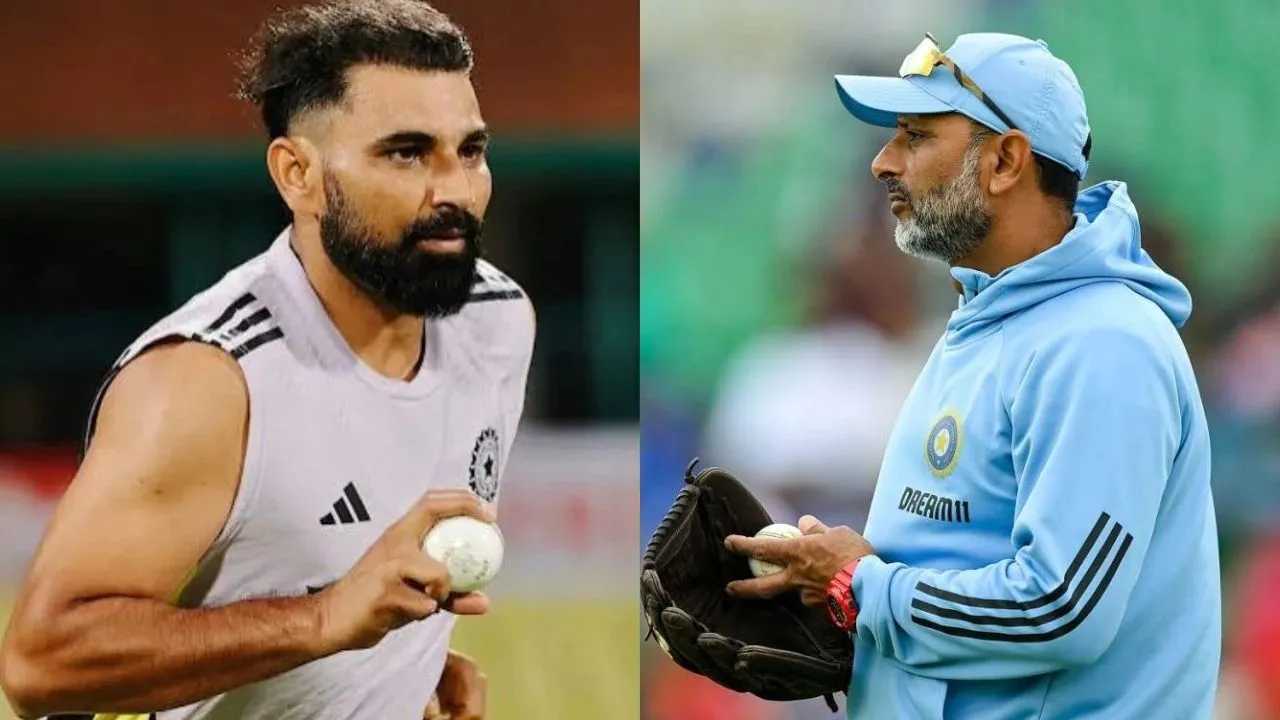
IPL 2026’s Biggest Trend: Old Guard (MI, CSK, KKR) Is Being Made Obsolete by New Kind of Cricket
The Evolution of Cricket: Adapting to Changes in the IPL
The Evolution of Cricket
As Charles Darwin once said, “It is not the strongest of the species that survives, nor the most intelligent that survives. It is the one that is the most adaptable to change.” This theory is not only applicable in nature but also in the world of cricket. Over the years, cricket has undergone significant transformations, from the era of Test cricket to 60 overs ODIs, and now the fast-paced Twenty20 cricket.
The Rise of Franchise Leagues
One of the most notable changes in cricket has been the rise of franchise leagues, turning the traditional ‘gentleman’s game’ into a platform for mass entertainment. The Indian Premier League (IPL) stands as a prime example of how cricket has evolved into a high-octane spectacle filled with lights, pyro, and firecrackers.
The Reigning Champions
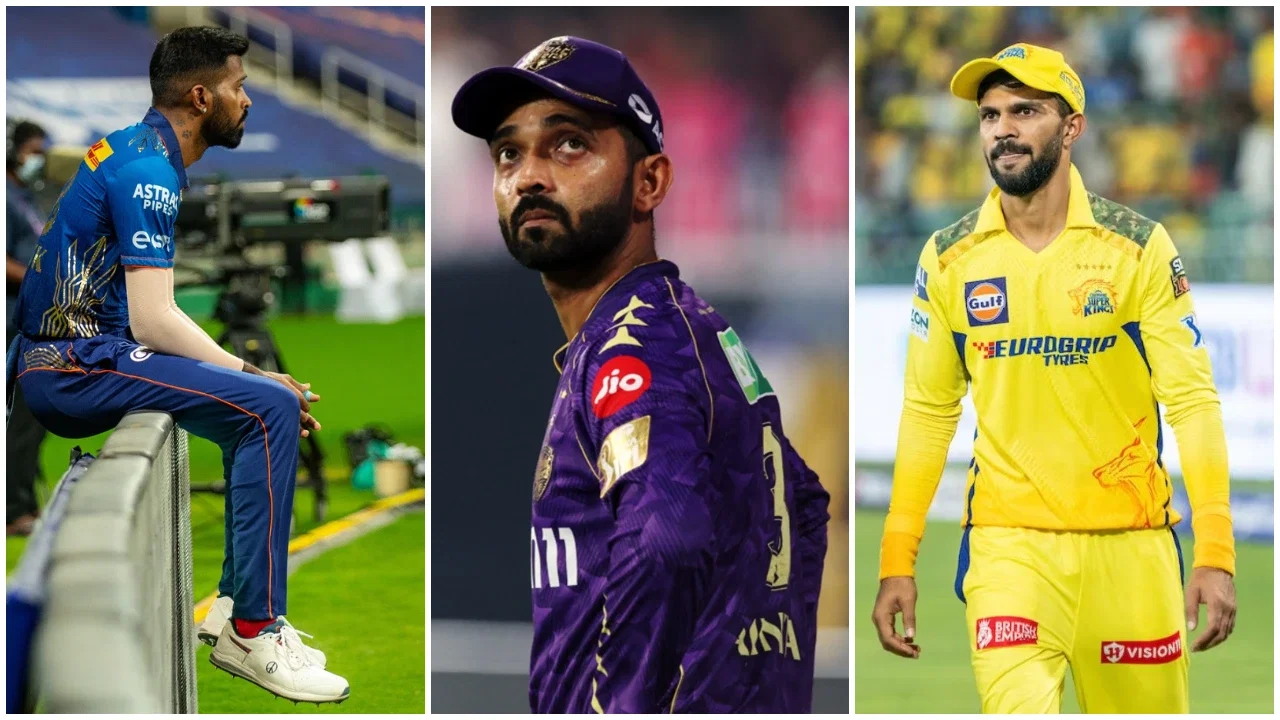
When it comes to the IPL, success is measured by consistency. Teams like Mumbai Indians (MI) and Chennai Super Kings (CSK) have dominated the league, each clinching 5 titles. Kolkata Knight Riders (KKR) have also made their mark with three titles. However, these once-dominant teams are now facing challenges in the ongoing season, struggling to secure a spot in the top four.
Challenges Faced by IPL Giants
So, what has led to the downfall of these IPL giants in 2026? The answer lies in their ability to adapt to change. In the current landscape of cricket, individual brilliance is no longer enough to secure victories. Teams now need a cohesive unit of talented players who can work together towards a common goal.
Players like MS Dhoni, Rohit Sharma, and Rinku Singh, who were once instrumental in their teams’ success, are now finding it challenging to maintain their previous form. Bowlers have become smarter, coaches are more strategic, and the game has evolved to favor teams that can anticipate and adapt to changing scenarios.
The Impact Player Rule
One significant change in the IPL has been the implementation of the impact player rule, allowing teams to make strategic changes during matches. Young talents like Sameer Rizvi, Asutosh Sharma, and Ayush Mhatre are now making a mark in the league, showcasing a shift towards a new generation of cricket stars.
The Rise of New-Age Teams
Teams like Punjab Kings, Royal Challengers Bengaluru, Delhi Capitals, and Gujarat Titans are thriving in the IPL by embracing a team-centric approach. These teams have focused on developing a well-balanced playing style that relies on the collective contributions of all team members.
Adapting to Survive
For giants like MI, CSK, and KKR, the key to survival lies in their ability to adapt to the changing dynamics of cricket. While CSK has embraced new talents and strategic changes, MI and KKR must also consider revamping their strategies to stay competitive in the evolving landscape of the IPL.
As cricket continues to evolve, teams must be willing to embrace change, nurture emerging talents, and trust in the process to secure their spot at the top of the league.
Embracing Data and Analytics
One of the key aspects of adapting to the changes in cricket, especially in the IPL, is the increasing reliance on data and analytics. Teams are now using advanced metrics and technology to analyze player performance, opposition strategies, and even match conditions. This data-driven approach allows teams to make informed decisions regarding team composition, batting orders, bowling strategies, and field placements.
By leveraging data and analytics, teams can identify player strengths and weaknesses, optimize their game plans, and make real-time adjustments during matches. This shift towards a more scientific and strategic approach has revolutionized the way cricket is played and managed in the IPL.
Training and Fitness Revolution
Another significant change in cricket is the emphasis on training and fitness. In the past, cricket was often considered a leisurely sport, requiring more emphasis on skill than physical conditioning. However, with the evolution of the game into a faster and more demanding format like T20, players are now required to be at the peak of their physical fitness.
Teams have invested heavily in strength and conditioning programs, nutrition, recovery techniques, and sports science to ensure that their players are fit enough to withstand the rigors of modern cricket. This focus on training and fitness has not only improved player performance but has also reduced the risk of injuries, allowing players to maintain their form throughout the season.
Globalization of Cricket Talent
The IPL has also played a significant role in the globalization of cricket talent. With players from different countries participating in the league, teams now have access to a diverse pool of talent, bringing in varied skill sets and experiences. This diversity has enriched the league and has contributed to the overall growth and development of cricket worldwide.
International players like AB de Villiers, David Warner, and Rashid Khan have become household names in India, showcasing their talent and skills on the biggest stage of T20 cricket. This cross-pollination of talent has not only raised the standard of play in the IPL but has also fostered cultural exchange and camaraderie among players from different backgrounds.
The Future of Cricket Predictions
As cricket continues to evolve, one of the most exciting developments is the use of predictive analytics and machine learning in the sport. By analyzing historical data, player performances, and match conditions, teams can now make accurate predictions about game outcomes, player form, and even strategic decisions.
Prediction models have become an integral part of cricket management, helping teams identify potential game-changers, optimize player rotations, and foresee potential challenges. This data-driven approach not only enhances the decision-making process but also provides fans with a deeper understanding of the game and its nuances.
As the IPL and cricket as a whole continue to adapt to changing trends and technologies, the future of the sport looks bright with endless possibilities for innovation, growth, and excitement for players, teams, and fans alike.
Latest News
Top 10 highest run-chases in T20 cricket history, ft. West Indies’ Ranchi win vs India
Aaryavir Sehwag and Anvay Dravid set to make headlines at U19 Asia Cup 2026
Longest ducks in Test cricket history ft. Nic Maddinson, Shoaib Akhtar
ECB to offer 39 central contracts to England players after Ben Stokes, Mark Wood’s retirement
Steve Smith surpasses Steve Waugh in all-time Test run-scorers’ list
Shane Watson identifies Gautam Gambhir’s biggest problem as India struggle for consistency
Is Bhuvneshwar Kumar in India’s 2027 World Cup plans? Ajinkya Rahane makes revelation

BCCI’s big ₹127 Crore move after injury crisis raises concerns over Team India
Parthiv Patel reveals RCB ignored his Jasprit Bumrah recommendation in IPL 2014 Auction
“Never spoke ill of any faith”: Irfan Pathan hits back at fake news using his name
Nic Maddinson bags 33-ball duck on Test comeback, disappoints George Bailey
Imran Tahir predicts 2027 ICC ODI World Cup Semi-Finalists, snubs India for title
Australia create unwanted history with first all-30-plus Test XI
Ravindra Jadeja returns to Ranji Trophy as Saurashtra announce squad