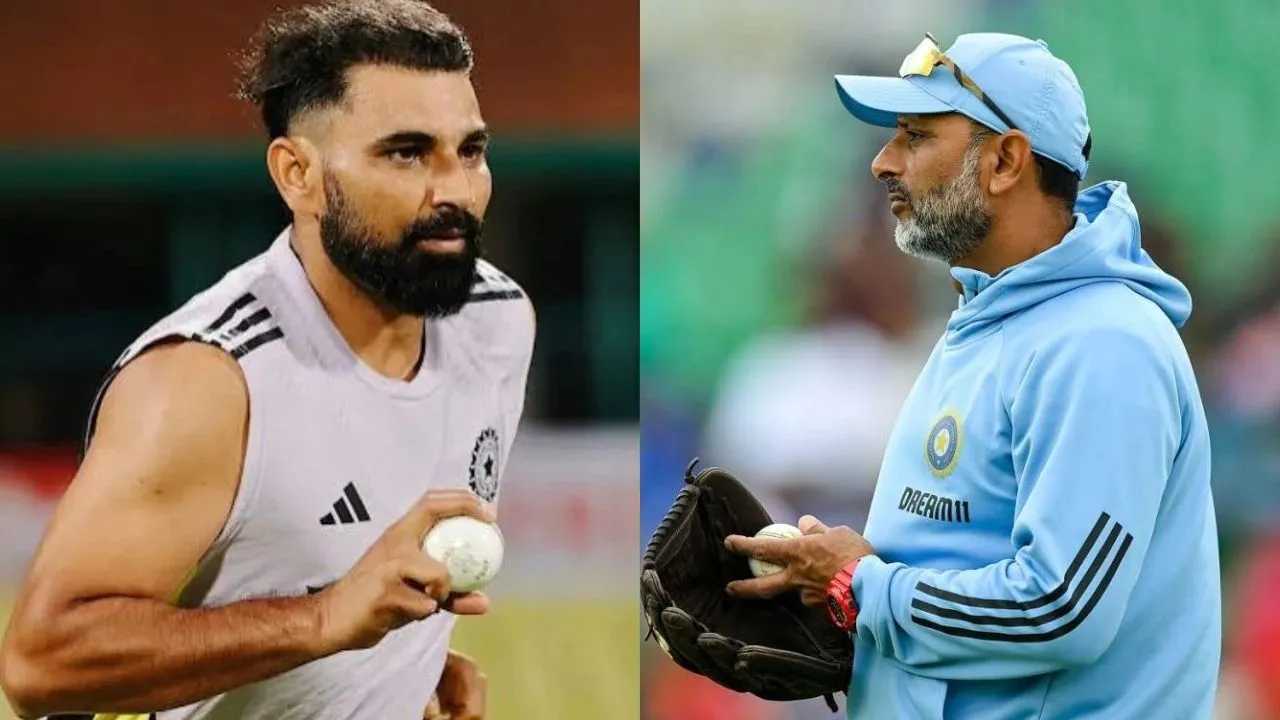
IPL franchises demand big change as BCCI faces pressure over player agents

IPL Franchises Call for Stricter Monitoring of Player Agents
The Indian Premier League (IPL) franchises have recently raised concerns with the Board of Control for Cricket in India (BCCI) regarding the need for a more structured and transparent system for player agents. With the IPL gaining more prominence each year, teams are seeking greater clarity on who represents players and how they operate within the league.
Franchises Push for Major Agent Registration Rule
Currently, there is no official database that details which agent is connected to each cricketer. This lack of transparency has led to confusion among franchises, who feel that a proper registration system is necessary to ensure accountability and professionalism in player-related negotiations and activities. As reported by CricBlogger, IPL teams are urging the BCCI to implement a system where every player agent is officially registered and monitored.
According to a franchise official quoted by CricBlogger, “There has to be a system to ensure things function in a more transparent and professional manner and to avoid bitterness later.”
Teams Demand Greater Transparency in Player Representation
Similar suggestions for a registration system for player agents were previously made by the Lodha Committee, but were not put into action by the Indian cricket board. The lack of clarity surrounding player representation has made it challenging for franchises to maintain transparency within the league.
Franchises are also advocating for a monitoring process similar to those in England and Australia, where player representatives operate under more structured guidelines. This model is believed to create a cleaner and more professional environment within the IPL.
IPL Franchises Seek Stricter Monitoring of Player Activities
In addition to monitoring player agents, franchises are also discussing the need for closer monitoring of player activities during the tournament. This includes keeping track of IPL players’ social media posts and the external agencies they work with throughout the season.
Franchises are pushing for players to disclose if they are working with PR agencies, media managers, or other professional agencies. They argue that such information should be readily available to avoid misunderstandings and enhance transparency within the league.
Ian Botham’s Views on IPL’s Impact on West Indies Cricket
Former England cricketer Ian Botham has expressed his belief that the rise of the IPL has negatively affected West Indies cricket. Botham suggests that the best players in the Caribbean are opting to play in the IPL and other lucrative formats, causing a decline in the competitiveness of West Indies cricket.
Botham shared his thoughts on The Overlap: Stick to Cricket podcast, stating, “I think the reason is that the best players in the Caribbean nowadays are going to the IPL and other formats because they’re not getting paid the amount they should be.”
Overall, the call for a more structured system for player agents and increased monitoring of player activities within the IPL reflects the franchises’ commitment to enhancing transparency and professionalism in the league.
Proposed Solutions for Enhanced Monitoring of Player Agents
To address the concerns raised by IPL franchises, several proposed solutions could be implemented to ensure a more structured and transparent system for player agents. One potential solution is the creation of a centralized database managed by the BCCI, where all registered player agents and their respective clients are listed. This database could include detailed information about the agents’ credentials, previous dealings, and any disciplinary actions taken against them.
Moreover, the introduction of a licensing system for player agents could help regulate their activities within the IPL. Agents would be required to meet certain criteria, such as passing a background check, completing a training program on ethical conduct, and adhering to a code of ethics set by the BCCI. This would help professionalize the role of player agents and ensure that they operate within the league’s guidelines.
Benefits of Enhanced Monitoring for Player Representation
By implementing stricter monitoring of player agents, IPL franchises can benefit from a more transparent and efficient player representation process. Knowing which agent is connected to each player can help teams navigate negotiations more effectively and prevent conflicts of interest. Additionally, a registration system for player agents can safeguard players from potential exploitation and ensure that their best interests are represented.
Greater transparency in player representation can also foster a sense of trust between franchises, players, and agents, leading to smoother contract negotiations and a more harmonious working relationship. This, in turn, can contribute to the overall professionalism and integrity of the IPL as a premier cricket league.
Implications of Closer Monitoring of Player Activities
In addition to monitoring player agents, closer scrutiny of player activities during the IPL can have significant implications for the league’s reputation and integrity. By keeping track of players’ social media posts and external collaborations, franchises can mitigate the risk of controversies or scandals that may tarnish the league’s image.
Requiring players to disclose their partnerships with PR agencies, media managers, and other professional entities can also help maintain a level playing field and prevent unfair advantages that may arise from undisclosed affiliations. This level of transparency can promote fairness, accountability, and ethical conduct among players participating in the IPL.
Considerations for Balancing Player Opportunities and National Commitments
While the rise of the IPL has provided lucrative opportunities for players worldwide, including those from the West Indies, concerns about its impact on national cricket teams have been raised. The allure of the IPL’s financial rewards may prompt talented players to prioritize franchise cricket over representing their countries in international competitions.
Finding a balance between allowing players to pursue IPL opportunities and honoring their national commitments is crucial for sustaining the competitiveness of cricket at both the domestic and international levels. Ensuring that players have the freedom to participate in the IPL while also upholding their responsibilities to their national teams is a delicate balance that cricket authorities must navigate.
Conclusion
The discussions surrounding the need for stricter monitoring of player agents and player activities within the IPL underscore the league’s commitment to upholding transparency, professionalism, and ethical standards. By implementing structured systems for player representation and monitoring, IPL franchises can enhance trust, accountability, and integrity within the league, ultimately benefiting players, teams, and cricket fans worldwide.
As the IPL continues to evolve and expand its influence on the cricketing landscape, proactive measures to regulate player agents and activities are essential for maintaining the league’s reputation as a premier cricket tournament.
Latest News
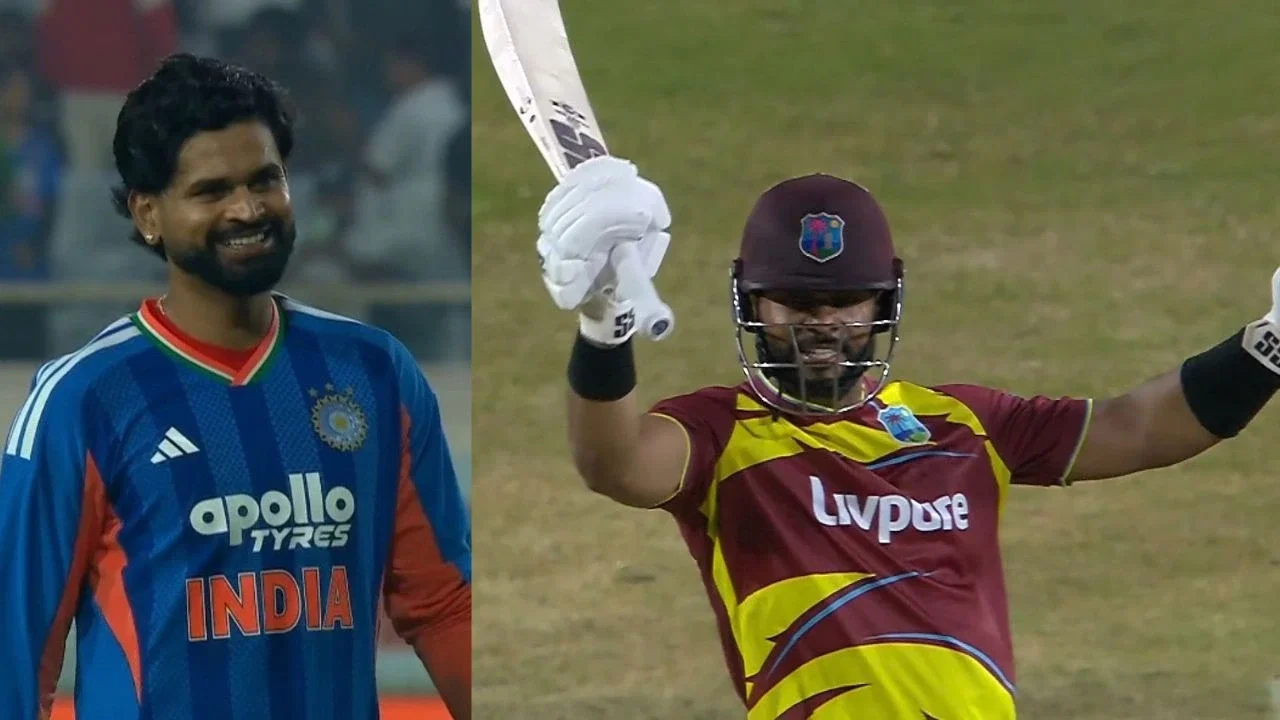
Top 10 highest run-chases in T20 cricket history, ft. West Indies’ Ranchi win vs India
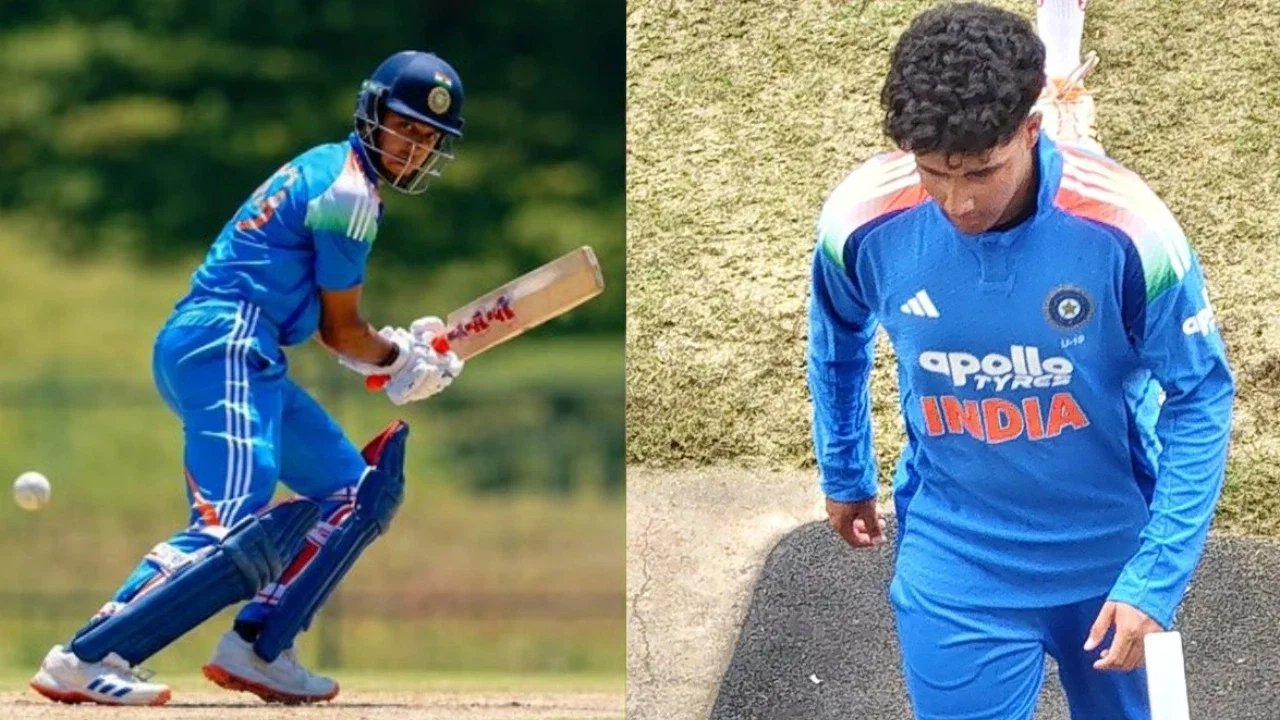
Aaryavir Sehwag and Anvay Dravid set to make headlines at U19 Asia Cup 2026

Longest ducks in Test cricket history ft. Nic Maddinson, Shoaib Akhtar
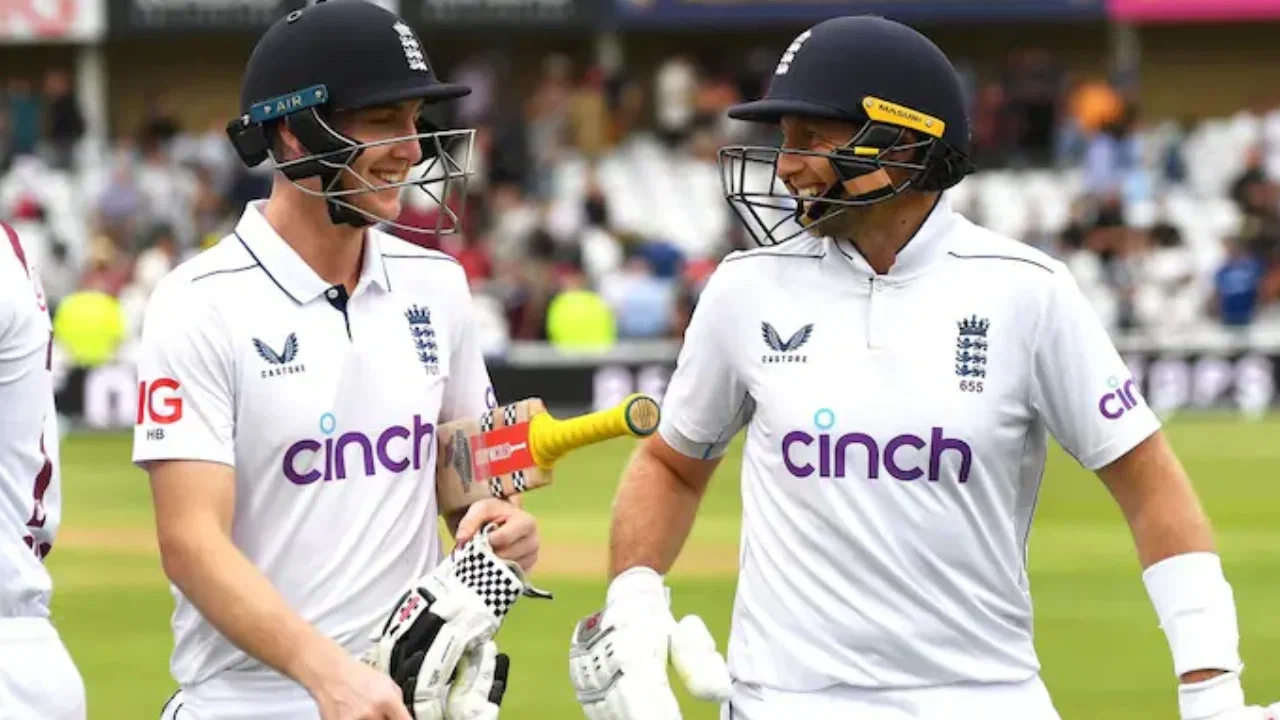
ECB to offer 39 central contracts to England players after Ben Stokes, Mark Wood’s retirement
Steve Smith surpasses Steve Waugh in all-time Test run-scorers’ list

Shane Watson identifies Gautam Gambhir’s biggest problem as India struggle for consistency
Is Bhuvneshwar Kumar in India’s 2027 World Cup plans? Ajinkya Rahane makes revelation

BCCI’s big ₹127 Crore move after injury crisis raises concerns over Team India

Parthiv Patel reveals RCB ignored his Jasprit Bumrah recommendation in IPL 2014 Auction
“Never spoke ill of any faith”: Irfan Pathan hits back at fake news using his name
Nic Maddinson bags 33-ball duck on Test comeback, disappoints George Bailey

Imran Tahir predicts 2027 ICC ODI World Cup Semi-Finalists, snubs India for title
Australia create unwanted history with first all-30-plus Test XI
Ravindra Jadeja returns to Ranji Trophy as Saurashtra announce squad