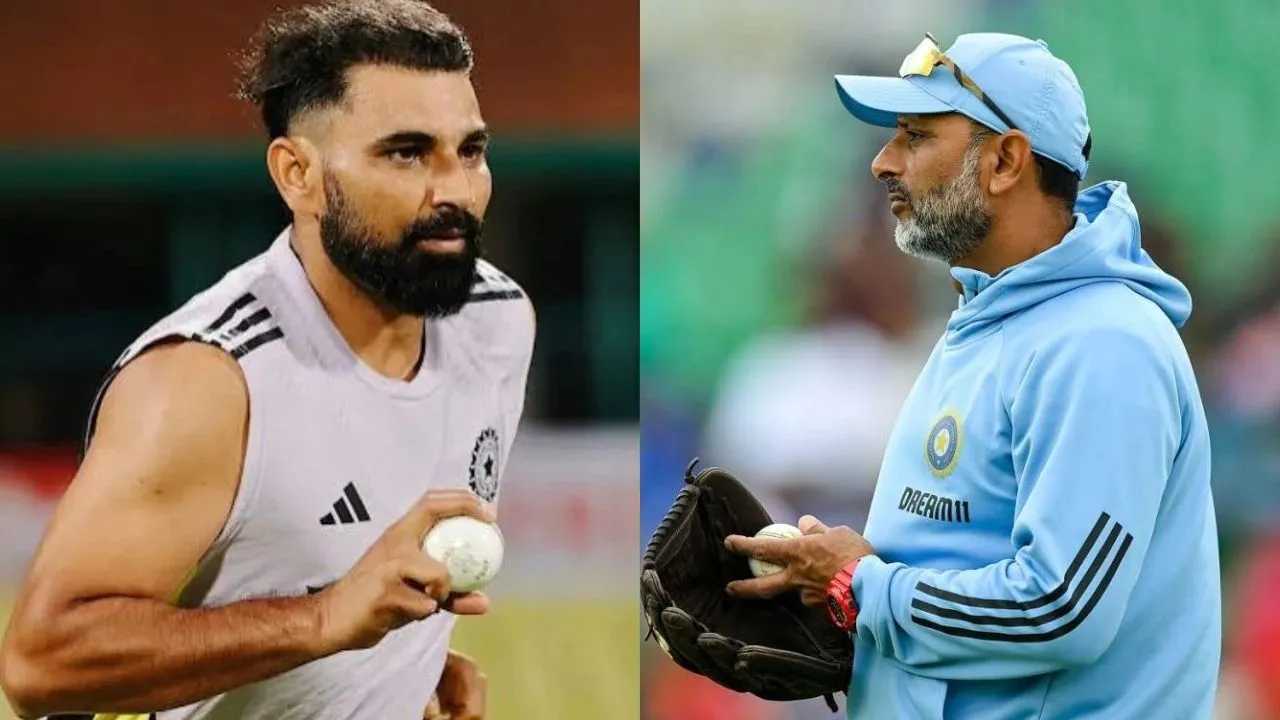
IPL franchises forcing Indian players to play through injuries, BCCI CoE source reveals
Indian Premier League (IPL) Putting Players at Risk of Injury
As the popularity of the Indian Premier League (IPL) continues to soar, so do the concerns surrounding the physical well-being of the players involved. The intense schedule of back-to-back matches has raised alarms about the increased risk of injuries faced by Indian cricketers. Recently, a source from the BCCI’s Center of Excellence (CoE) shed light on the issue, revealing some shocking insights into the challenges faced by the players.
Pressure to Perform
According to the CoE source, players are often compelled to play through injuries during the IPL due to pressure from franchises and financial reasons. This puts them in a precarious position where their long-term fitness is compromised for short-term gains. Once the IPL season concludes, these players are handed over to the CoE physios for rehabilitation, leading to a flood of injured players seeking treatment.
On August 9, Vipul Kashyap, an ANI journalist, highlighted the plight of players in a social media post, quoting the CoE source and bringing attention to the challenges faced by the players. The source emphasized that the combination of financial incentives and the demanding schedule of the IPL contributes to players risking their fitness for the sake of the game.
Injuries Plague IPL 2026
The toll of the IPL’s rigorous schedule was evident in the 2026 season, with several Team India players succumbing to injuries while representing their franchises. Notable names like Jasprit Bumrah, Hardik Pandya, Rohit Sharma, Varun Chakravarthy, Sai Sudharshan, and Riyan Parag were among those who suffered setbacks during the tournament.
Hardik Pandya, in particular, has been sidelined from the national team since IPL 2026 due to an injury, while Bumrah faced a similar fate after a brief return. Varun Chakravarthy’s struggle with a hairline fracture and Riyan Parag’s post-IPL surgery underscore the physical toll that the league takes on players.
Too Much Cricket, Too Little Recovery
With stars like Prince Yadav and Washington Sundar also grappling with injuries post-IPL 2027, the issue of player fitness has come under intense scrutiny. Harshit Rana’s case, where he was injured playing for Team India after missing IPL due to an injury, highlights the challenges faced by players in maintaining their health amidst a grueling schedule.
One of the main reasons behind this spate of injuries could be attributed to the relentless cricket calendar that offers players minimal time for recovery. The lure of lucrative IPL deals often prompts players to push themselves beyond their limits, leading to long-term consequences for their fitness and well-being.
As the debate around player welfare in the IPL gains momentum, stakeholders in Indian cricket are urged to prioritize the health of their athletes to ensure a sustainable and successful future for the sport.
The Importance of Precautionary Measures
Given the high stakes involved in the IPL, it is essential for teams and players to prioritize preventive measures to reduce the risk of injuries. Proper conditioning, adequate rest, and regular health assessments can go a long way in safeguarding players’ well-being throughout the tournament. Implementing structured training programs tailored to individual needs can help prevent overuse injuries and maximize performance on the field.
Furthermore, creating a culture that encourages open communication between players, coaching staff, and medical professionals can ensure that injuries are identified and addressed promptly. By fostering a supportive environment where players feel comfortable reporting discomfort or pain, teams can intervene early and prevent minor issues from escalating into major setbacks.
The Role of Technology in Injury Prevention
Advancements in sports science and technology have revolutionized the way injuries are managed in cricket. Teams now have access to sophisticated monitoring systems that track players’ workload, fatigue levels, and movement patterns to identify potential injury risks. Utilizing data-driven insights, teams can make informed decisions about player rotation, workload management, and recovery strategies to minimize the likelihood of injuries.
In addition, the integration of wearable technology, such as GPS trackers and accelerometers, allows teams to monitor players’ physical exertion during training sessions and matches. By analyzing this data, teams can adjust training loads, optimize performance, and reduce the risk of overtraining injuries. Embracing technology-driven solutions can empower teams to proactively address player welfare concerns and create a safer playing environment.
Educating Players on Injury Prevention
Empowering players with knowledge about injury prevention strategies and the importance of self-care can help them make informed decisions about their health and well-being. Educating players on proper warm-up and cool-down routines, recovery techniques, and injury management protocols equips them with the tools to stay healthy and resilient throughout the season.
Furthermore, promoting a holistic approach to player development that emphasizes mental health, nutrition, and rest alongside physical conditioning can enhance overall performance and reduce the risk of injuries. By instilling a mindset of proactive self-care and injury prevention, players can take ownership of their health and longevity in the sport.
Collaborative Efforts for Player Welfare
Addressing the issue of player injuries in the IPL requires a collective effort from all stakeholders involved, including the BCCI, franchises, coaches, medical staff, and players themselves. By fostering collaboration and communication among these parties, a comprehensive framework for player welfare can be established to prioritize health and safety.
Implementing standardized protocols for injury management, rehabilitation, and return-to-play criteria can ensure consistent care across teams and promote transparency in the handling of player injuries. By working together towards a common goal of safeguarding player welfare, the cricketing community can uphold the integrity of the sport and create a sustainable environment for future generations of players.
In conclusion, prioritizing player welfare in the IPL is crucial for the long-term success and sustainability of the league. By implementing preventative measures, leveraging technology, educating players, and fostering collaborative efforts, stakeholders can mitigate the risk of injuries and create a safer, healthier environment for all involved. As the cricketing landscape evolves, it is imperative to place the well-being of players at the forefront of decision-making to ensure a bright future for the sport.
Latest News
Top 10 highest run-chases in T20 cricket history, ft. West Indies’ Ranchi win vs India
Aaryavir Sehwag and Anvay Dravid set to make headlines at U19 Asia Cup 2026
Longest ducks in Test cricket history ft. Nic Maddinson, Shoaib Akhtar
ECB to offer 39 central contracts to England players after Ben Stokes, Mark Wood’s retirement
Steve Smith surpasses Steve Waugh in all-time Test run-scorers’ list

Shane Watson identifies Gautam Gambhir’s biggest problem as India struggle for consistency
Is Bhuvneshwar Kumar in India’s 2027 World Cup plans? Ajinkya Rahane makes revelation
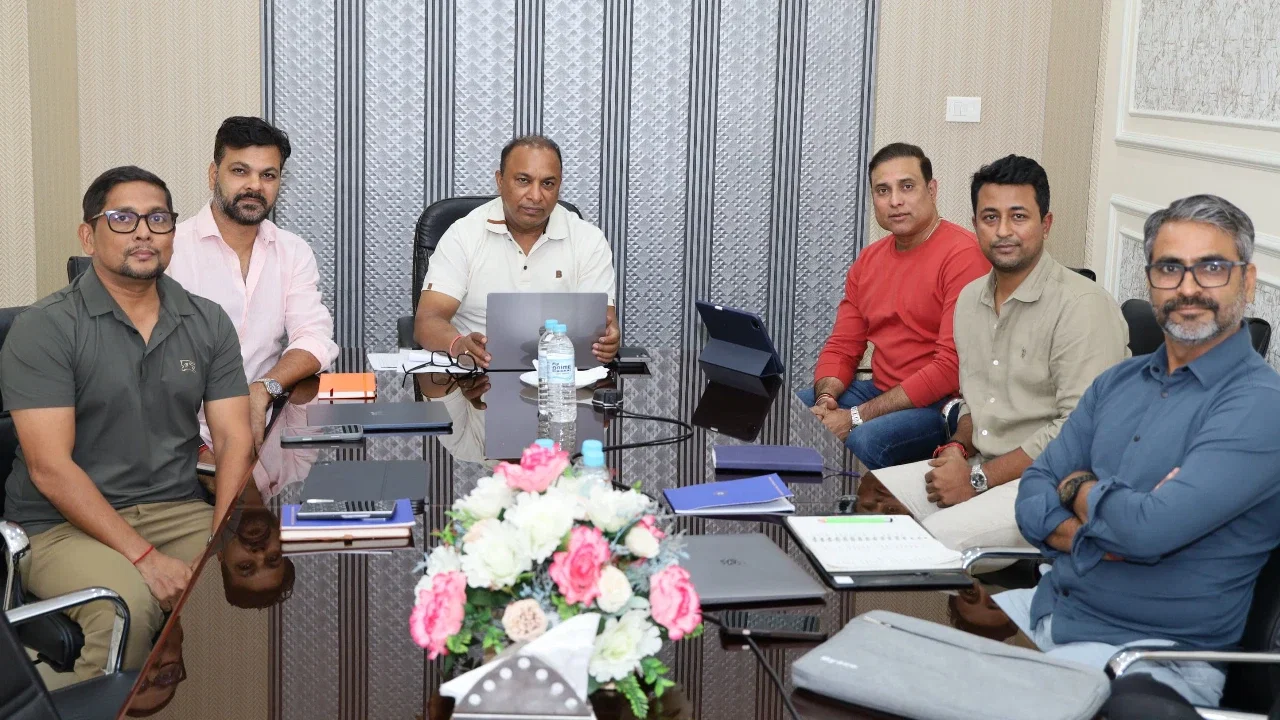
BCCI’s big ₹127 Crore move after injury crisis raises concerns over Team India
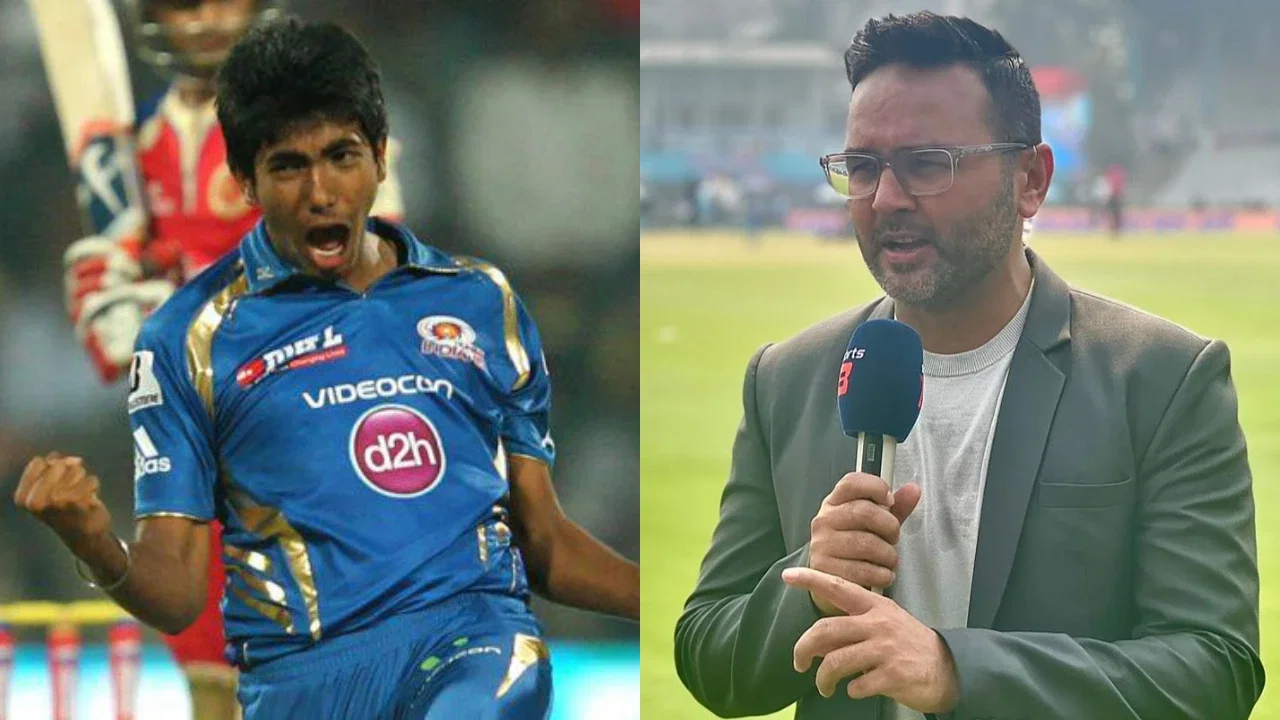
Parthiv Patel reveals RCB ignored his Jasprit Bumrah recommendation in IPL 2014 Auction
“Never spoke ill of any faith”: Irfan Pathan hits back at fake news using his name
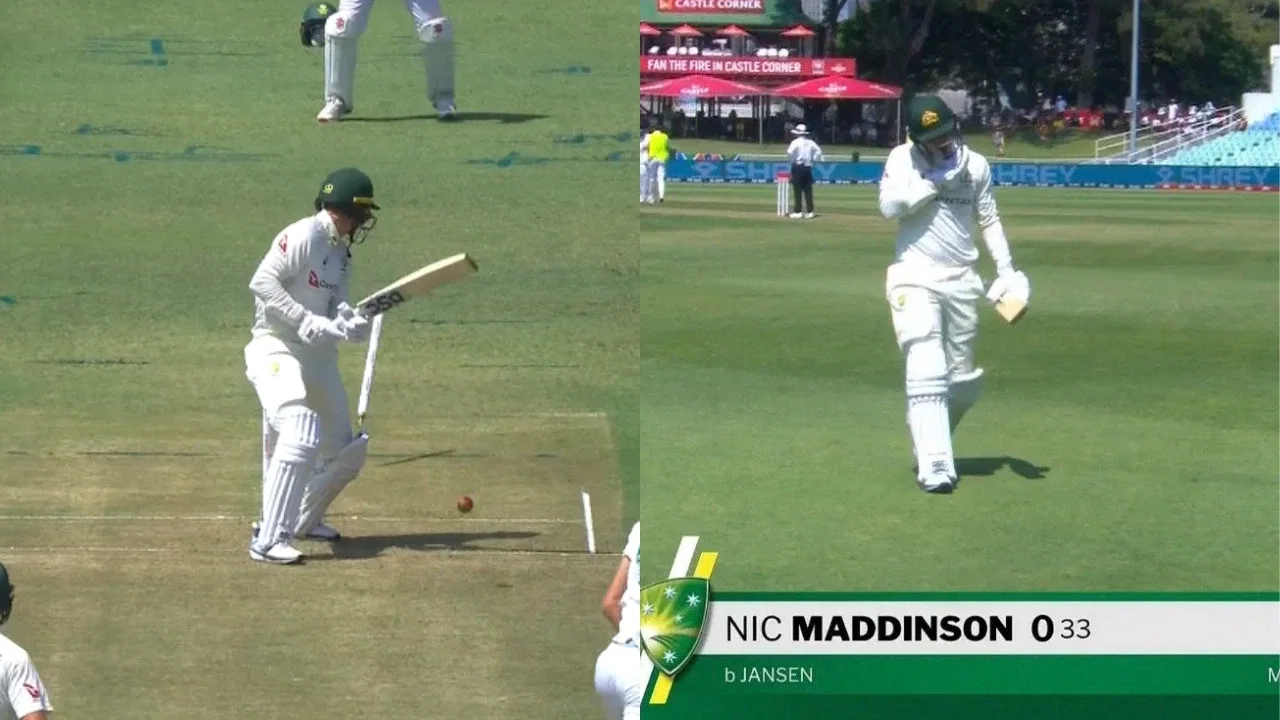
Nic Maddinson bags 33-ball duck on Test comeback, disappoints George Bailey
Imran Tahir predicts 2027 ICC ODI World Cup Semi-Finalists, snubs India for title
Australia create unwanted history with first all-30-plus Test XI
Ravindra Jadeja returns to Ranji Trophy as Saurashtra announce squad