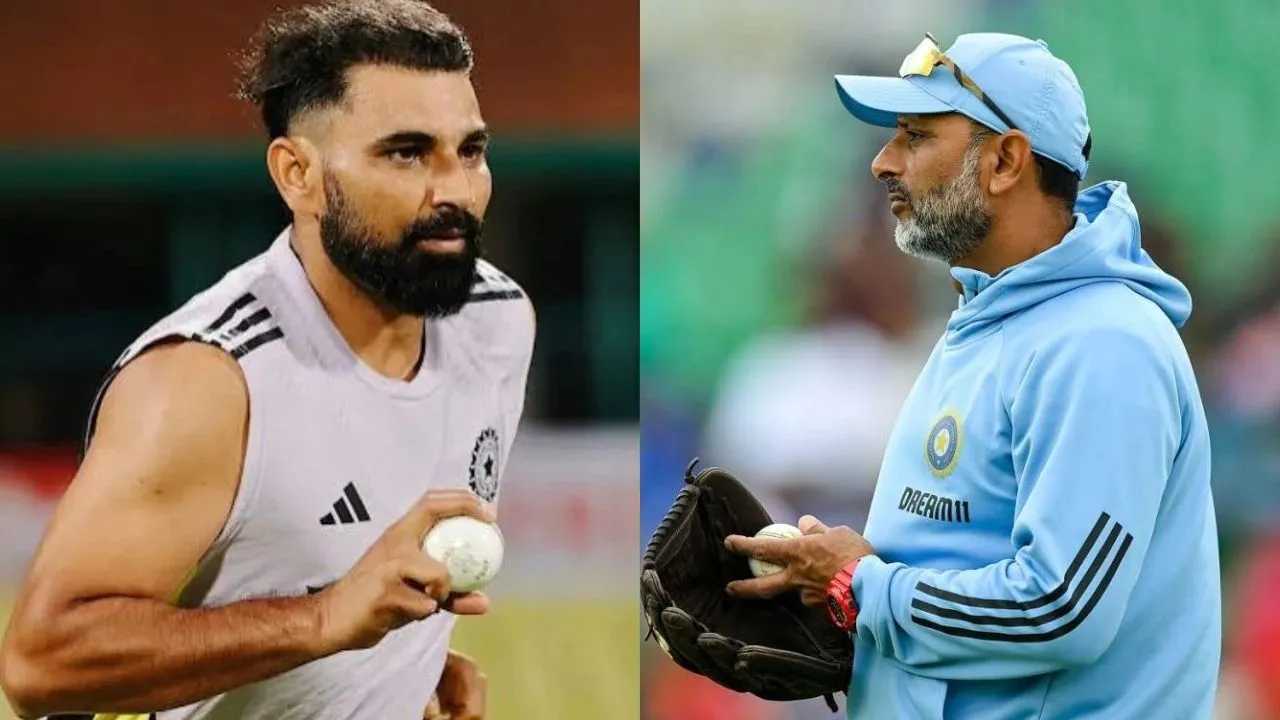
IPL’s role in explosive fight between Shubman Gill and Zak Crawley EXPOSED
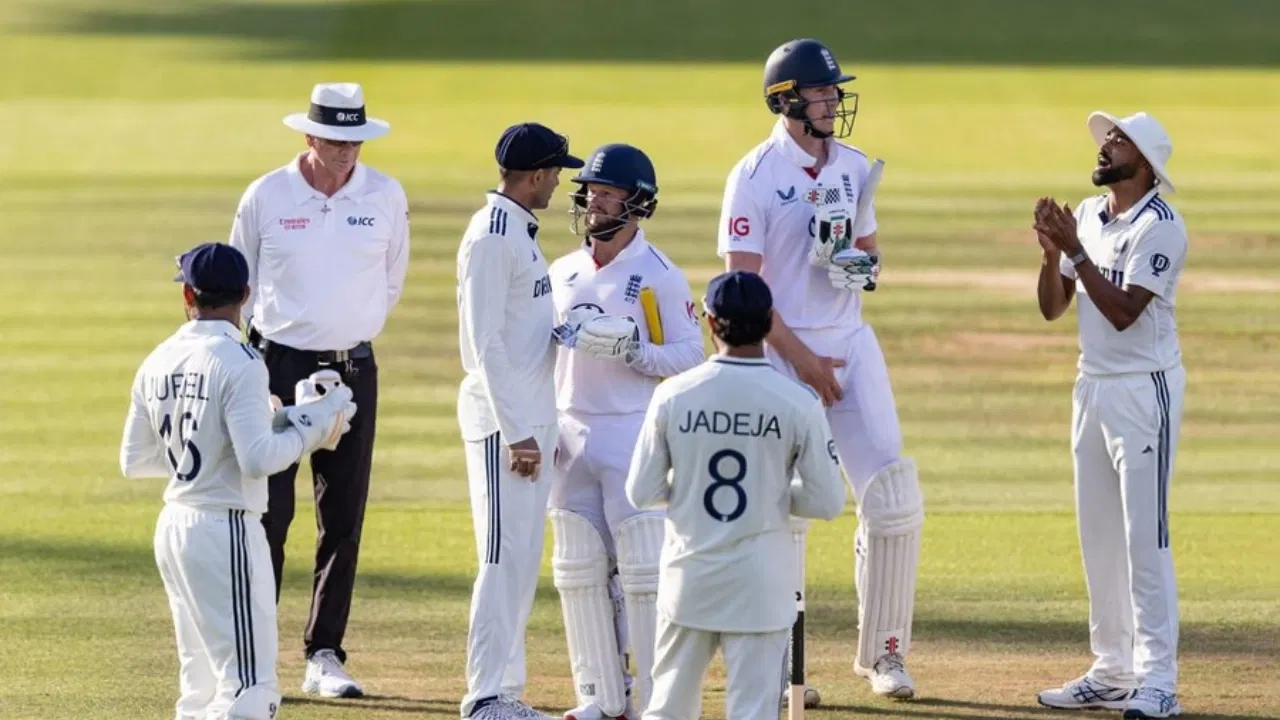
Sunil Gavaskar Blames IPL for Confrontation between Shubman Gill and English Openers at Lord’s Test
Former Indian cricket legend Sunil Gavaskar recently shared his insights on the heated confrontation that took place between Indian skipper Shubman Gill and English openers Zak Crawley and Ben Duckett during the Lord’s Test. Gavaskar pointed fingers at the Indian Premier League (IPL) for the incident.
Reasoning behind the Confrontation
Gavaskar suggested that the confrontation between Shubman Gill and the English batters stemmed from the fact that none of the English players in the Test side feature in the IPL. He emphasized that such conflicts could be avoided if the players were part of IPL franchises.
According to Gavaskar, the camaraderie and interactions among players during the IPL help in resolving conflicts and building rapport between players from different teams. He highlighted that the IPL has played a significant role in reducing animosities and promoting a spirit of sportsmanship among players.
Indian Bowlers Dominate
Meanwhile, on the field, Indian bowlers displayed a stellar performance at Lord’s, wreaking havoc on the English top order. Led by Shubman Gill, the Indian team saw Mohammed Siraj and Jasprit Bumrah making significant contributions with the new ball.
Siraj emerged as the key wicket-taker for India, dismissing Ben Duckett and Ollie Pope early on. Nitish Kumar Reddy then removed Zak Crawley, followed by Akash Deep claiming the wicket of Harry Brook. India managed to restrict England to 98/4 by lunch.
Comparing Crawley’s Act to Rishabh Pant’s
Although India was frustrated by Zak Crawley’s tactics to delay play at Lord’s, Gavaskar highlighted that Crawley’s actions were within the rules. Crawley’s attempt to prolong the day’s play by utilizing available tactics, such as calling for a physio check, is a legal strategy permissible in cricket.
Gavaskar drew a comparison to Indian wicket-keeper batsman Rishabh Pant’s utilization of similar tactics during the ICC T20 World Cup Final. He emphasized that such strategic moves are part of the game and are meant to explore every possible advantage within the regulations.
Conclusion
In conclusion, the incident at Lord’s highlighted the importance of sportsmanship, strategic gameplay, and the impact of tournaments like the IPL on fostering positive relationships among players from different teams. As the cricketing world continues to evolve, it is essential for players to adapt and embrace the spirit of healthy competition while upholding the values of the sport.
The Influence of T20 Leagues on Player Dynamics
Expanding on Sunil Gavaskar’s observations, it is evident that the rise of T20 leagues like the IPL has significantly impacted the dynamics of international cricket. Players from various countries come together in these leagues, forming bonds and friendships that transcend national boundaries. This exposure to diverse playing styles and personalities helps in breaking down barriers and fostering a sense of camaraderie among cricketers.
The IPL, in particular, has revolutionized the way players interact both on and off the field. The intense competition in the league fosters a spirit of mutual respect and understanding among players, which can carry over to international matches. The shared experiences in high-pressure situations during the IPL often translate into a more amicable atmosphere during bilateral series and tournaments.
Strategic Gameplay and Mind Games
The incident involving Zak Crawley’s tactics at Lord’s sheds light on the strategic aspects of cricket. Mind games and tactical maneuvers are as much a part of the sport as batting and bowling. Players often employ various tactics to gain an edge over their opponents, whether it be through delaying tactics, sledging, or psychological warfare.
Understanding and adapting to these strategic ploys is crucial for teams to succeed in modern cricket. The ability to stay focused and maintain composure in the face of such tactics is a testament to a team’s resilience and mental toughness. It adds an extra layer of complexity to the game, challenging players to think beyond their batting and bowling skills.
Embracing the Spirit of Healthy Competition
As cricket continues to evolve, the emphasis on sportsmanship and fair play remains paramount. While competitiveness is inherent in any sport, it is essential for players to compete with integrity and respect for the game. The incident at Lord’s serves as a reminder of the fine balance between aggression and sportsmanship in cricket.
Players must uphold the values of the sport while also adapting to the changing dynamics of the game. The ability to compete fiercely on the field and share a camaraderie off it is what sets cricket apart as a gentleman’s game. It is this balance between competitiveness and mutual respect that defines the true spirit of cricket.
Conclusion: Nurturing a Culture of Respect and Collaboration
In conclusion, the convergence of T20 leagues, strategic gameplay, and sportsmanship in modern cricket underscores the need for players to cultivate a culture of respect and collaboration. While conflicts and confrontations may arise on the field, it is essential for players to navigate these challenges with maturity and grace.
By embracing the positive aspects of tournaments like the IPL, understanding the nuances of strategic gameplay, and upholding the values of sportsmanship, cricketers can continue to elevate the game to new heights. As the sport evolves, it is the collective responsibility of players, coaches, and fans to nurture a culture that celebrates both the competitive spirit and the camaraderie that cricket embodies.
Latest News
Top 10 highest run-chases in T20 cricket history, ft. West Indies’ Ranchi win vs India
Aaryavir Sehwag and Anvay Dravid set to make headlines at U19 Asia Cup 2026
Longest ducks in Test cricket history ft. Nic Maddinson, Shoaib Akhtar
ECB to offer 39 central contracts to England players after Ben Stokes, Mark Wood’s retirement
Steve Smith surpasses Steve Waugh in all-time Test run-scorers’ list
Shane Watson identifies Gautam Gambhir’s biggest problem as India struggle for consistency
Is Bhuvneshwar Kumar in India’s 2027 World Cup plans? Ajinkya Rahane makes revelation

BCCI’s big ₹127 Crore move after injury crisis raises concerns over Team India
Parthiv Patel reveals RCB ignored his Jasprit Bumrah recommendation in IPL 2014 Auction
“Never spoke ill of any faith”: Irfan Pathan hits back at fake news using his name
Nic Maddinson bags 33-ball duck on Test comeback, disappoints George Bailey
Imran Tahir predicts 2027 ICC ODI World Cup Semi-Finalists, snubs India for title
Australia create unwanted history with first all-30-plus Test XI
Ravindra Jadeja returns to Ranji Trophy as Saurashtra announce squad