Irfan Pathan reveals confronting Greg Chappell, exposes him for threatening and abusing players

Greg Chappell’s Controversial Stint as India’s Head Coach
Greg Chappell’s tenure as India’s head coach remains a topic of debate and controversy in the history of Indian cricket. His methods, strict discipline, and no-nonsense approach stood in stark contrast to what Indian players were accustomed to. However, amidst the tension in the dressing room, one player’s career took off under Chappell’s guidance.
Irfan Pathan’s Rise to Prominence
During Greg Chappell’s time as coach, Irfan Pathan’s career saw significant progress. Chappell made the bold move to promote Pathan in the batting order and encouraged the left-arm pacer to extend his bowling spells. Despite this, the atmosphere in the Indian dressing room was tense due to Chappell’s management style.
Chappell’s Impact on Team India
Reflecting on his experience, Pathan revealed that Chappell’s equal treatment of both seniors and juniors, though seemingly fair, instilled insecurity within the team. Chappell’s constant warnings about dropping players after poor performances created a sense of unease among the players. Pathan even attempted to address this issue with Chappell privately, expressing that the team didn’t need continuous reminders about the consequences of failure.
Pathan emphasized the importance of open communication and trust in the Indian cricket culture, which he felt Chappell failed to grasp. Despite his aggressive coaching style, Chappell struggled to blend into the team’s environment and respect their upbringing.
The Importance of Cultural Acceptance
Pathan stressed the significance of a coach understanding and embracing the culture of the team they lead. He highlighted that a coach’s ideas and methods, no matter how strong, would not succeed if imposed without considering the players’ background and environment. Pathan suggested that foreign coaches should adapt to the team’s culture first, rather than expecting immediate adjustment from the players.
He recounted his experience at Middlesex in county cricket, where he learned the value of adapting to different cultures. Pathan believes that Chappell’s lack of cultural adaptation hindered his coaching effectiveness and ultimately impacted his legacy as a coach.
Pathan’s Final Thoughts
Pathan concluded by emphasizing the need for coaches to blend into the team’s culture to foster a conducive environment for success. He shared a personal anecdote from his time at Middlesex, underscoring the importance of accepting and integrating into different cultures to build strong team dynamics.
If Chappell had embraced Indian cricket culture more effectively, Pathan believes he could have been remembered as one of the best coaches in the game. This serves as a valuable lesson for coaches looking to lead diverse teams and achieve long-term success.
Challenges Faced by Foreign Coaches in International Cricket
The case of Greg Chappell’s coaching stint with the Indian cricket team raises broader questions about the challenges foreign coaches face when working with teams from different cultural backgrounds. While globalization has brought opportunities for cross-cultural exchanges in sports, it has also highlighted the complexities of understanding and adapting to diverse environments.
Foreign coaches often bring innovative ideas and fresh perspectives to the table, which can benefit teams seeking to evolve and improve. However, the success of these ideas hinges on the coach’s ability to navigate the nuances of the team’s culture and establish trust and rapport with the players.
Building Trust and Communication
One of the critical factors in a coach-player relationship is trust. Players need to trust their coach’s intentions, expertise, and commitment to their development. This trust is built through effective communication, mutual respect, and a shared sense of purpose within the team.
For foreign coaches, gaining the trust of players from a different cultural background requires humility, empathy, and a willingness to learn. It involves listening to players’ perspectives, understanding their values and beliefs, and adapting coaching strategies to align with the team’s ethos.
The Role of Emotional Intelligence in Coaching
Emotional intelligence plays a vital role in coaching, especially in diverse team settings. Coaches need to be aware of their own emotions and how they impact their interactions with players. They also need to understand and manage the emotions of their players, creating a supportive and inclusive environment for optimal performance.
Foreign coaches like Greg Chappell can benefit from developing their emotional intelligence to navigate cultural differences, build strong relationships with players, and foster a positive team culture. This includes being sensitive to the unique experiences and challenges faced by players from diverse backgrounds.
Lessons for Future Coaches
As the landscape of international cricket continues to evolve, the importance of cultural intelligence in coaching becomes increasingly evident. Coaches who can adapt to different cultural contexts, communicate effectively across cultural boundaries, and build inclusive team environments are more likely to succeed in the long run.
Greg Chappell’s controversial tenure as India’s head coach serves as a valuable case study for future coaches looking to lead diverse teams. By learning from his experiences and focusing on cultural acceptance, communication, and emotional intelligence, coaches can establish meaningful connections with players, inspire performance, and leave a lasting legacy in the world of cricket.
Conclusion
Ultimately, the success of a coach in international cricket goes beyond technical expertise and strategic acumen. It hinges on their ability to understand, respect, and integrate into the cultural fabric of the team they lead. By valuing diversity, fostering open communication, and building trust with players, coaches can create a supportive and inclusive environment where athletes can thrive and reach their full potential.
Greg Chappell’s tenure as India’s head coach serves as a cautionary tale and a valuable learning opportunity for aspiring coaches aiming to make a positive impact on the global stage of cricket.
Latest News
Top 10 highest run-chases in T20 cricket history, ft. West Indies’ Ranchi win vs India
Aaryavir Sehwag and Anvay Dravid set to make headlines at U19 Asia Cup 2026

Longest ducks in Test cricket history ft. Nic Maddinson, Shoaib Akhtar
ECB to offer 39 central contracts to England players after Ben Stokes, Mark Wood’s retirement
Steve Smith surpasses Steve Waugh in all-time Test run-scorers’ list

Shane Watson identifies Gautam Gambhir’s biggest problem as India struggle for consistency
Is Bhuvneshwar Kumar in India’s 2027 World Cup plans? Ajinkya Rahane makes revelation

BCCI’s big ₹127 Crore move after injury crisis raises concerns over Team India

Parthiv Patel reveals RCB ignored his Jasprit Bumrah recommendation in IPL 2014 Auction
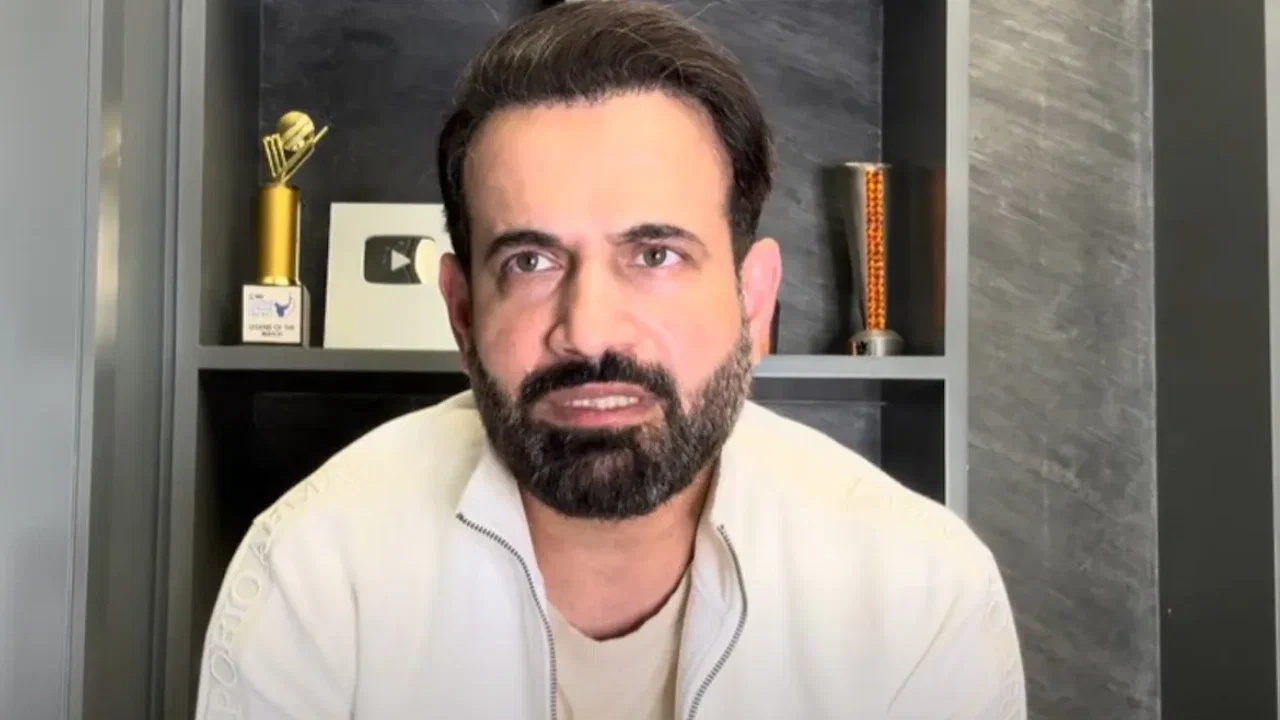
“Never spoke ill of any faith”: Irfan Pathan hits back at fake news using his name
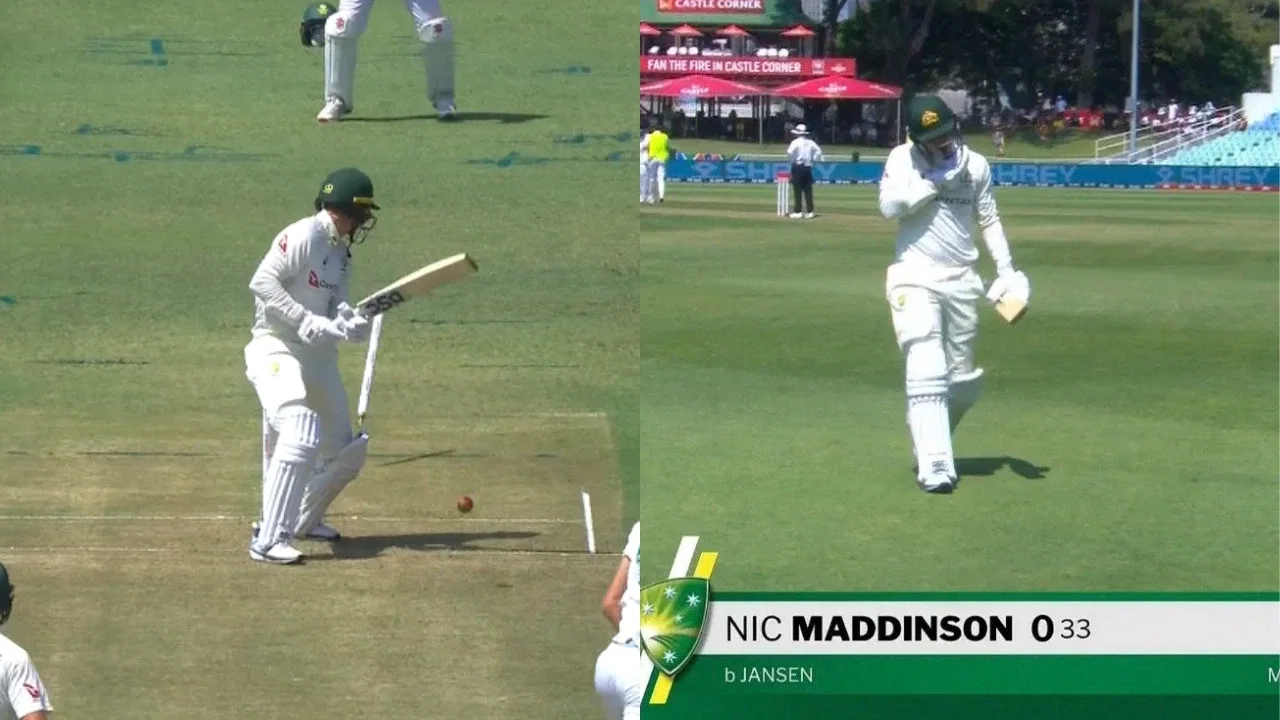
Nic Maddinson bags 33-ball duck on Test comeback, disappoints George Bailey
Imran Tahir predicts 2027 ICC ODI World Cup Semi-Finalists, snubs India for title
Australia create unwanted history with first all-30-plus Test XI
Ravindra Jadeja returns to Ranji Trophy as Saurashtra announce squad