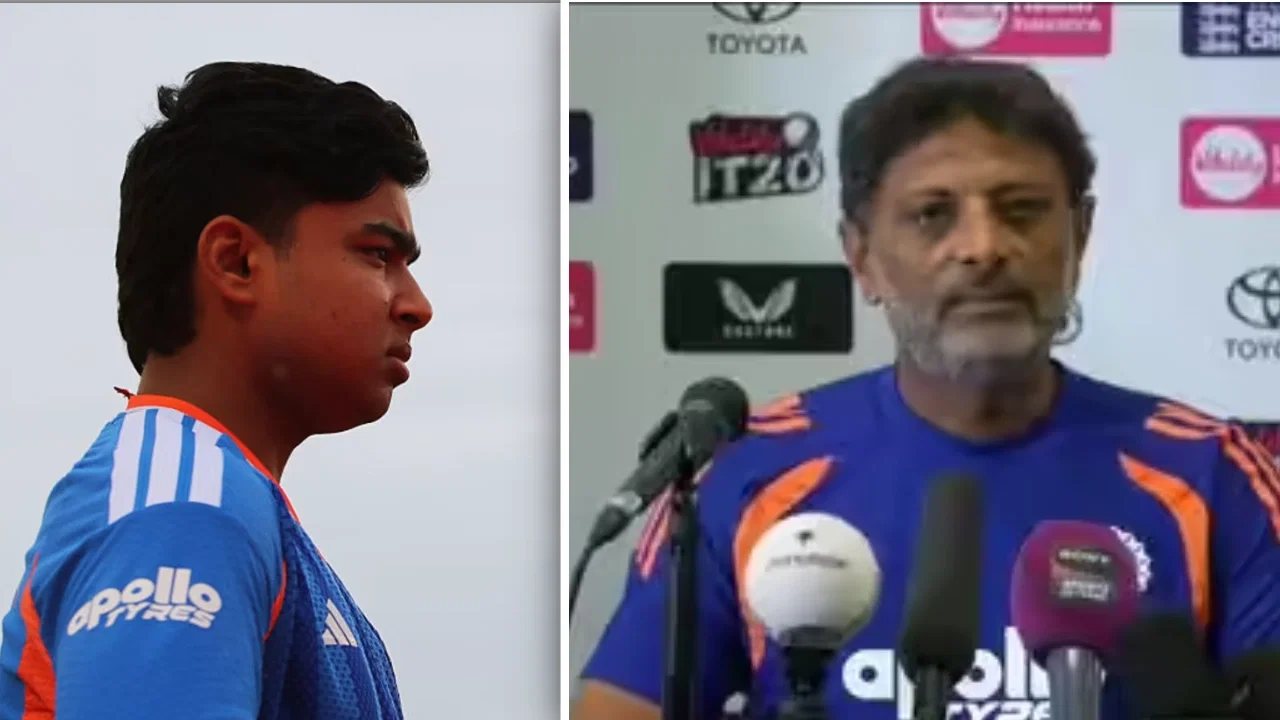
Irfan Pathan takes aim at Gautam Gambhir’s haters over Ishan Kishan-Tilak Varma controversy
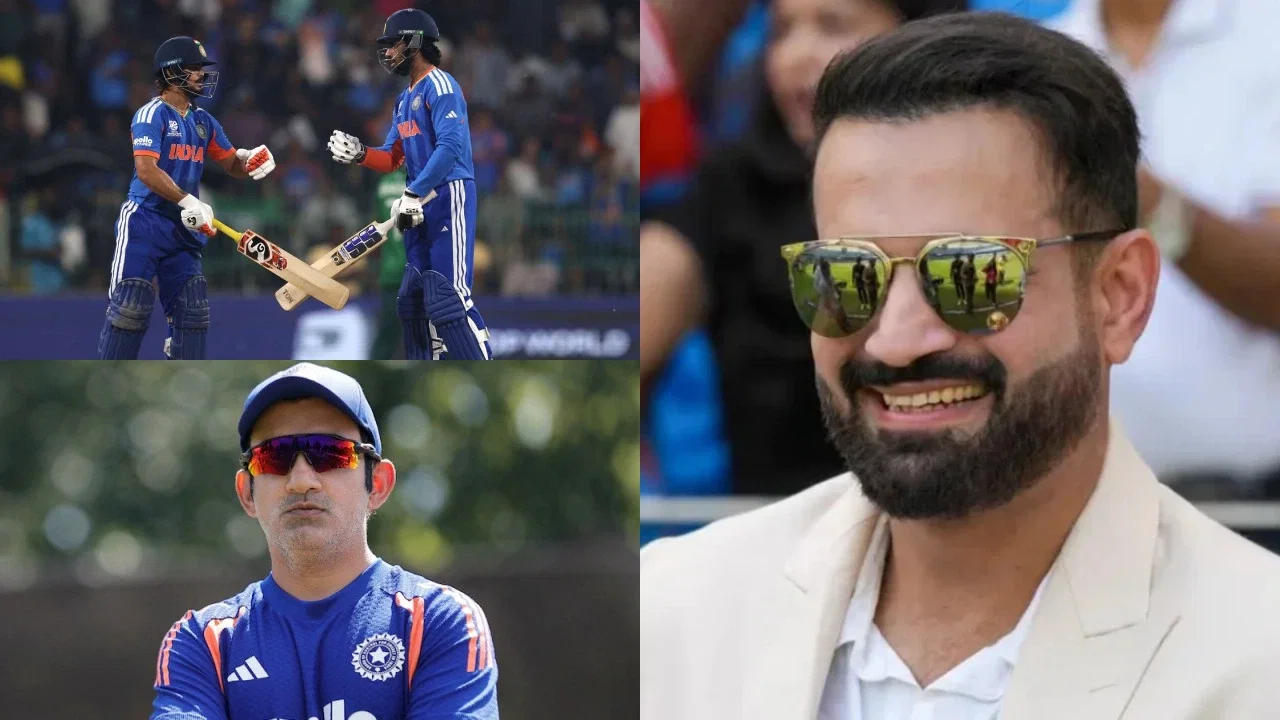
Irfan Pathan Defends Gautam Gambhir After India’s T20I Batting-Order Debate
Former India all-rounder Irfan Pathan has defended head coach Gautam Gambhir following the debate over India’s batting order in the first T20I against New Zealand at Hagley Oval in Christchurch. Pathan said wicketkeeper-batter Ishan Kishan was managing a niggle during the match, explaining why he came in lower than expected during India’s run chase.
The clarification offered important context after Gambhir faced criticism for sending Tilak Varma in at No. 3 following the dismissal of opener Abhishek Sharma. The decision drew attention because Kishan is an aggressive top-order batter, while the change came during a chase that became more complicated than India’s supporters had anticipated.
Why Tilak Varma Batted Ahead of Ishan Kishan
India were pursuing the target in the opening match of the five-game T20I series when Abhishek Sharma’s wicket prompted a change in the expected batting sequence. Rather than promoting Kishan, the team sent Tilak Varma to the crease. Tilak made six runs from 11 deliveries before being dismissed, while Kishan later scored one run after entering the game further down the order.
Those brief innings intensified scrutiny of the decision. Some supporters questioned whether India had moved away from a settled batting plan at a crucial point in the chase. Others argued that Kishan’s attacking style might have been better suited to the situation, particularly with New Zealand’s spinners applying pressure.
However, Pathan’s explanation suggests the move was linked to Kishan’s physical condition rather than a judgment that he should be kept out of his usual position. A minor niggle can affect a batter’s readiness to run, rotate the strike or respond to the demands of a high-pressure innings. Teams may therefore adjust their order to manage a player’s workload, even when the change is not immediately obvious to viewers.
Pathan Urges Critics to Wait for the Full Story
Pathan shared his defence of Gambhir on X, formerly Twitter, after India took a 1-0 lead in the series. He said Kishan had a niggle during the first T20I, which was why he batted lower down the order. Pathan also criticised the speed with which fans and commentators blamed the coach without knowing the circumstances behind the decision.
“Criticising him has become everyone’s favourite timepass these days,” Pathan wrote, urging people to pause before passing judgment. He added that social media users should avoid drawing conclusions without the full story, warning that the pursuit of views and engagement can lead people to make unfair accusations and cause harm.
His comments touched on a broader issue in modern cricket coverage: decisions are often analysed in real time, while the information needed to understand them may only emerge later. A batting-order change can look like a tactical experiment from the stands or on television, but it may also reflect a fitness concern, a match-up plan or a conversation within the dressing room.
Gambhir’s Tactics Under the Spotlight
Gambhir has faced frequent scrutiny since taking charge of India, with supporters and former players closely examining his selection choices and tactical calls. In Christchurch, the decision to send Tilak ahead of Kishan became the focal point, especially after Tilak struggled to score freely against New Zealand’s spin attack.
Former India cricketer and commentator Murali Kartik also criticised the move in a Facebook post, questioning the coach’s approach. Meanwhile, online discussion extended beyond tactics, with some users alleging that Kishan had been overlooked in favour of Tilak. Such claims added a personal dimension to what began as a debate about match strategy, despite the lack of complete information at the time.
Pathan’s intervention served as a reminder that cricket decisions are rarely made in isolation. Coaches and team management must weigh a player’s fitness, the state of the match, the opposition’s bowling options and the roles assigned to different batters. The reasoning behind a choice may not be visible to fans until someone involved provides clarification.
What the Batting-Order Debate Means for India
India’s 1-0 series advantage gives the team an opportunity to assess its plans before the next T20I. The first match may prompt questions about how the middle order should respond when an early wicket falls, but Kishan’s reported niggle changes the context of the discussion. If he is fully fit, the team could return to its preferred order; if not, management may continue to make adjustments.
For fans looking ahead, any prediction about India’s batting combination should account for player availability as well as form. One innings is not necessarily enough to establish a new hierarchy, particularly when a fitness issue may have influenced the original decision. The team’s choices in the following matches will offer a clearer indication of whether the Christchurch order was a temporary measure or part of a broader tactical plan.
The episode also highlights the difference between legitimate cricket analysis and speculation. It is reasonable to question a tactical call, especially when a chase becomes tense. But criticism is more useful when it is based on confirmed details rather than assumptions about a player’s treatment or a coach’s intentions.
A Reminder to Judge Decisions With Context
Pathan’s defence does not mean Gambhir’s decisions are beyond criticism. Coaches are expected to explain their strategies through results, and supporters will naturally debate choices that appear unconventional. But the former all-rounder’s central point was that criticism should leave room for facts that may not be immediately available.
With the T20I series still underway, attention will return to India’s performances, team balance and ability to adapt to New Zealand’s bowling. The Christchurch controversy may soon fade if the batting order settles and the players deliver. For now, Pathan’s comments have shifted the conversation from a simple tactical dispute to a wider reminder: in cricket, as in life, a quick prediction about what happened can be wrong when the full story has yet to emerge.
Latest News
Nasser Hussain defends James Anderson after Lancashire contract uncertainty
S Meghana retires from all forms of cricket, thanks RCB
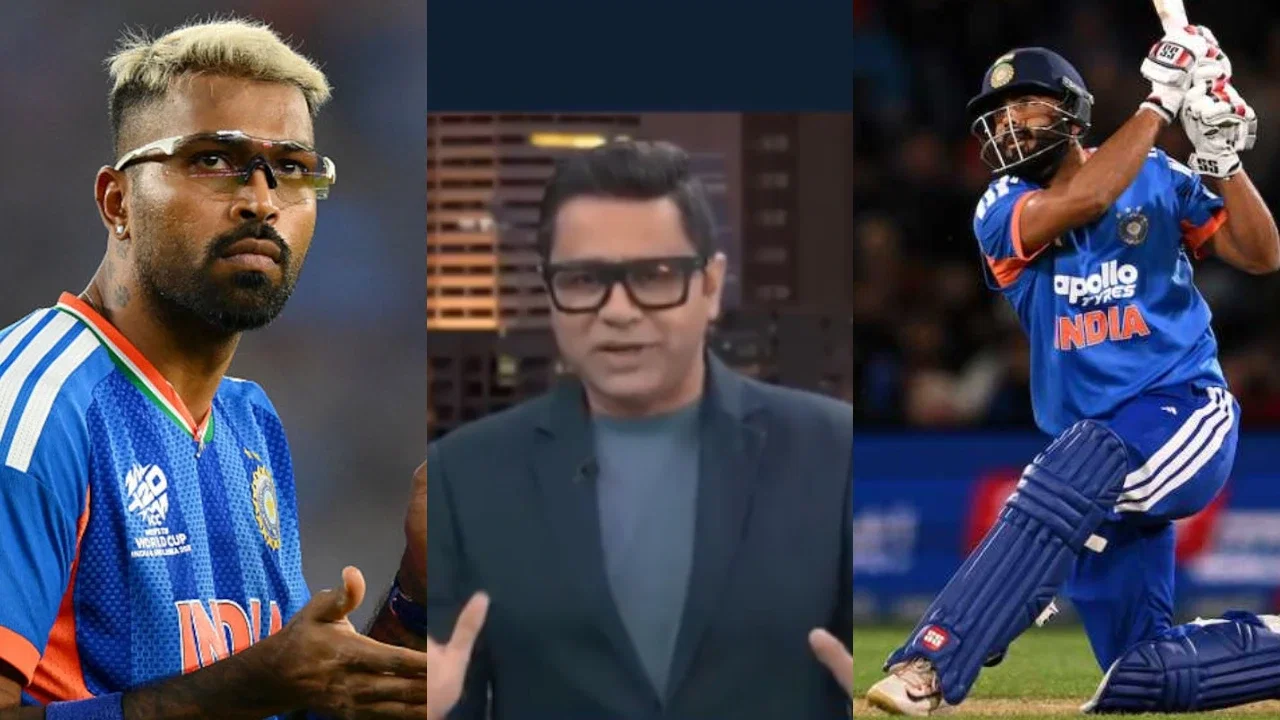
Not Nitish Kumar Reddy! This Mumbai Indians sensation tipped as the next Hardik Pandya
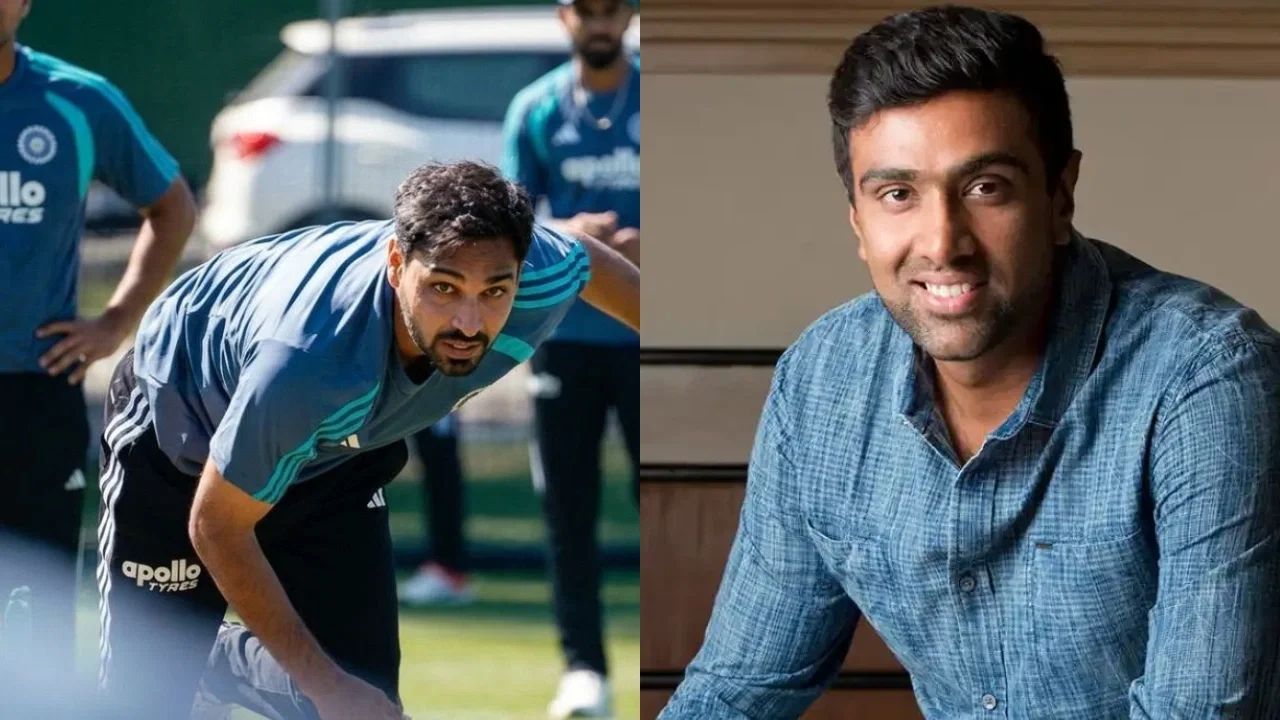
Ravichandran Ashwin explains why Bhuvneshwar Kumar struggled in 1st T20I vs New Zealand
Irfan Pathan takes aim at Gautam Gambhir’s haters over Ishan Kishan-Tilak Varma controversy
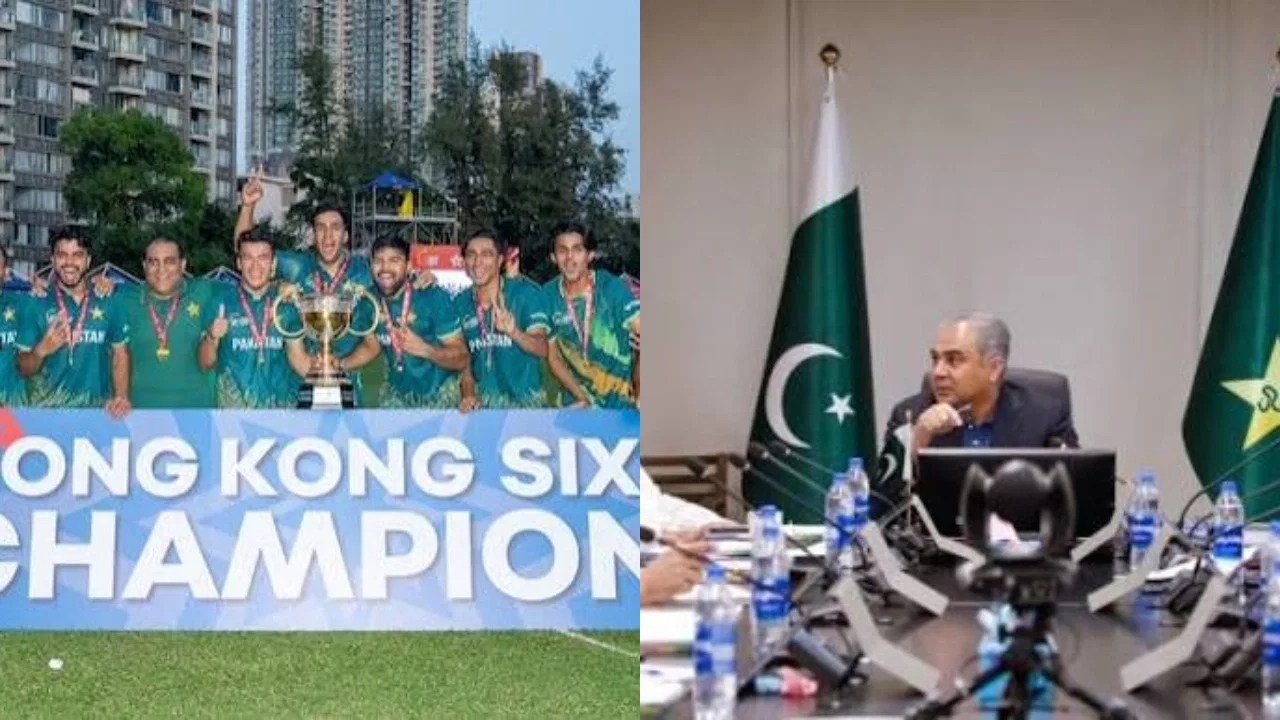
PCB to introduce PSL Sixes to compete with Hong Kong Sixes

IND vs NZ Playing 11 Today, Live Streaming, Pitch & Weather: New Zealand vs India 2nd T20I, 2026
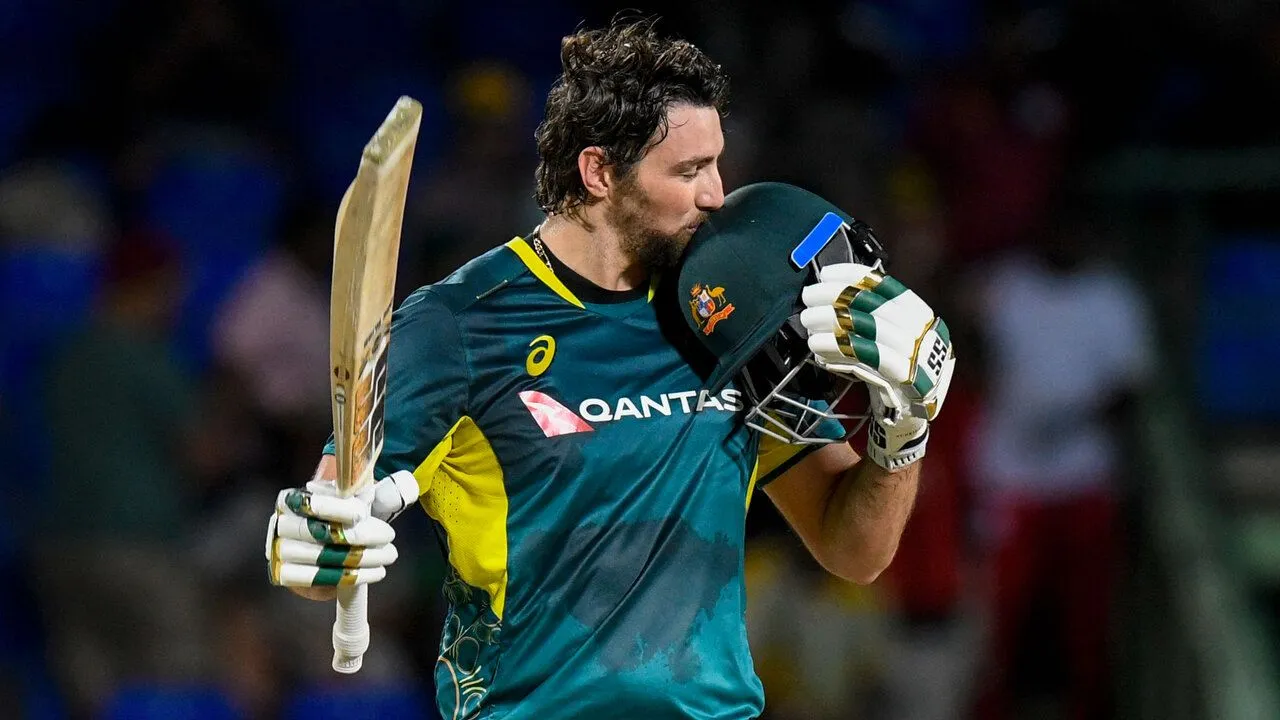
Tim David eyes Australia’s 2027 ODI World Cup spot with surprise Tasmania return
Virat Kohli ignored calls, messages: Amit Mishra blames ex-India captain for crushing comeback hopes
Riyan Parag to lose Rajasthan Royals captaincy after ownership change
President’s Trophy 2026-27: Final date, venue and the story behind MITS vs SBP

ICC makes big Los Angeles Olympics 2028 announcements, India secure direct entry
BCCI reveals new Junior Selection Panel, Parvinder Awana named Chairman

“Beyond cricketing reasons”: Wasim Jaffer questions selectors over Sarfaraz Khan’s India snub