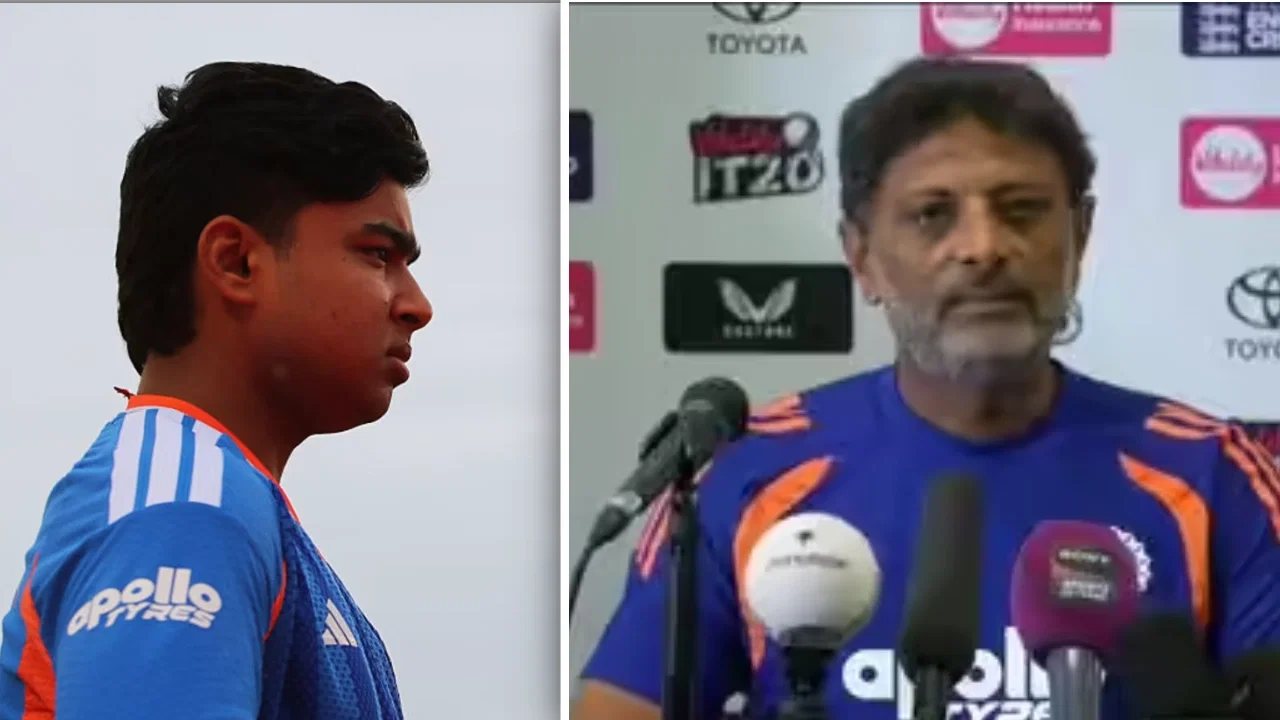
Ravichandran Ashwin explains why Bhuvneshwar Kumar struggled in 1st T20I vs New Zealand
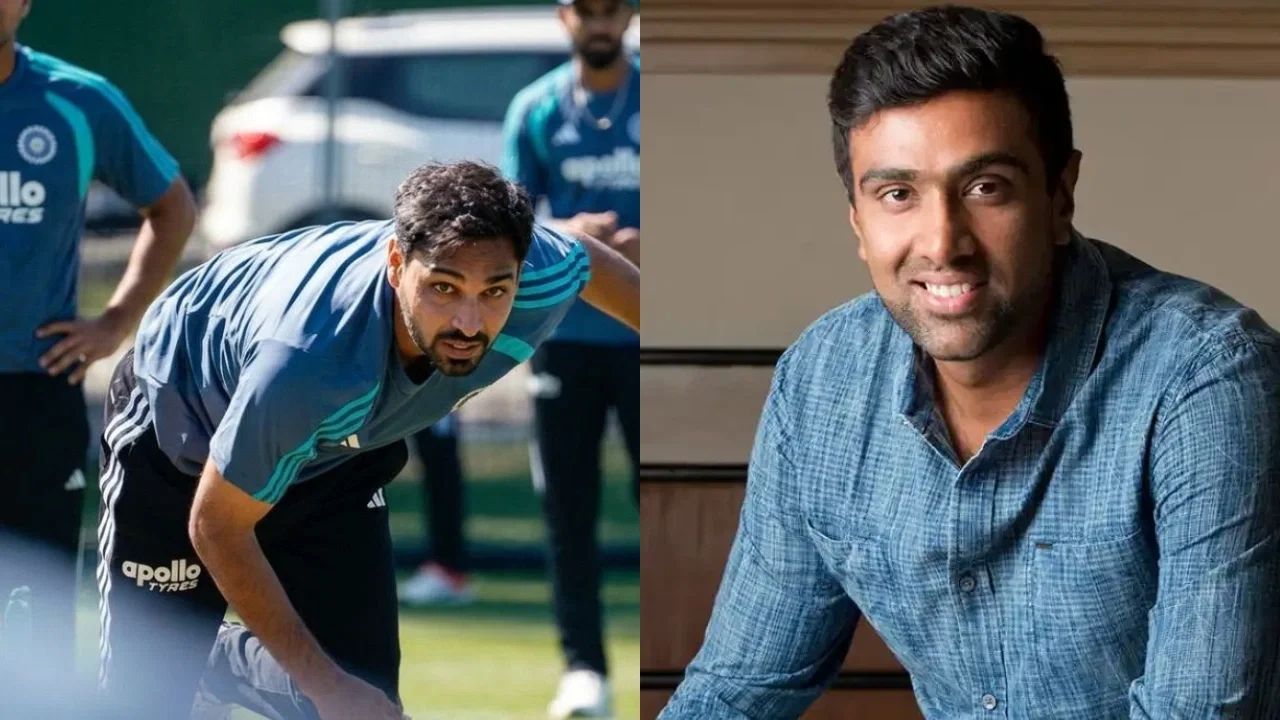
Bhuvneshwar Kumar’s India Comeback: Ravichandran Ashwin Urges Patience After Costly T20I
Bhuvneshwar Kumar’s return to India’s T20I side did not go to plan in the opening match against New Zealand in Christchurch. The experienced fast bowler finished with figures of 0 for 49 from four overs, conceding runs without taking a wicket. A rare no-ball also proved a talking point, with former India spinner Ravichandran Ashwin suggesting the delivery may have disrupted Kumar’s rhythm.
Despite the difficult outing, Ashwin has called on supporters to avoid drawing conclusions from one performance. Kumar had been away from the national team for nearly four years, and the conditions—including heavy dew—presented a challenging test. Ashwin’s message was straightforward: give the veteran bowler time to settle back into international cricket.
A no-ball may have shifted the momentum
Kumar began his spell with a controlled opening burst, according to Ashwin, who said the pacer looked on target during his first eight or nine deliveries. The no-ball came after that promising start, and Ashwin believes the mistake may have affected the bowler’s confidence and flow.
“It was not as good as it could have been. But I don’t think his bowling was really bad,” Ashwin said on his YouTube programme, Ash ki Baat. He added that the no-ball appeared to change the momentum, while noting that Kumar is not typically known for giving away extra runs through such errors.
A no-ball can be costly in T20 cricket for more than the extra run it adds to the total. It can also provide the batting side with a free hit, reduce the bowler’s margin for error on the next delivery and increase pressure in an already fast-moving innings. For a bowler returning after a long international break, that interruption can make it harder to maintain a consistent plan.
Dew and expectations added to the challenge
Conditions in Christchurch may also have played a role. Dew can make the ball slippery, affecting a bowler’s grip and control, particularly when attempting variations such as slower balls or changes in length. While it does not explain every expensive over, it offers useful context when assessing a performance in isolation.
Kumar’s return carried considerable attention after his strong Indian Premier League seasons with Royal Challengers Bengaluru. Those performances helped build expectations around what he might bring back to India’s attack. But international cricket presents a different challenge, and a comeback match is not always a reliable measure of a player’s form or future impact.
A balanced prediction for Kumar’s next appearance should therefore account for more than his opening-match figures. His experience, ability to swing the new ball and record of delivering at the death remain valuable assets. If he can regain control of his line and length, a single difficult outing need not define his place in the team.
Ashwin says it is too early to judge Kumar
Ashwin cautioned that fans can be quick to criticise players after one disappointing performance. Kumar had not played for India for an extended period, and Ashwin argued that he deserves time to adjust to the pace, pressure and conditions of a new series.
“People are very quick to judge. We need to be a bit patient and give him some time,” Ashwin said. His comments underline a familiar challenge for returning players: they are expected to make an immediate impact, even though match sharpness and confidence often develop over several appearances.
For India, the broader question is how to assess Kumar’s role in a fast-bowling group that must balance control, wicket-taking threat and death-over options. One expensive spell will naturally invite scrutiny, but the next match could offer a clearer indication of whether he can adapt and provide the consistency the team is seeking.
Vaibhav Sooryavanshi’s absence sparks debate
Kumar was not the only selection talking point from the match. Some supporters were also disappointed that young batter Vaibhav Sooryavanshi remained outside the playing XI, with Sanju Samson and Abhishek Sharma continuing as India’s opening pair.
Ashwin acknowledged the excitement surrounding Sooryavanshi, whom he described as an exceptional talent. However, he also urged fans to appreciate the established openers while they are in form. Samson and Abhishek have been trusted at the top of the order, and their attacking approach gives India the chance to build early momentum in a short-format match.
“Vaibhav’s time will come. But till these guys are playing, we need to enjoy it,” Ashwin said, encouraging supporters to recognise the value of the performances already being produced rather than treating every selection decision as a rejection of a young player.
Injuries could influence India’s next selection
Sooryavanshi’s prospects for the next match may improve if India need to make changes because of injury. The original report indicated that he could come into consideration in place of Ishan Kishan, who was injured. Any final decision will depend on the team’s assessment of Kishan’s fitness and the balance India want in their batting order.
Introducing a young player can bring energy and fresh options, but selection also involves timing. Team management must weigh a prospect’s readiness against the value of continuity, particularly in a series where each match offers limited time to recover from setbacks. If Sooryavanshi gets an opportunity, the focus will be on how he handles the demands of international T20 cricket—not simply on the expectations surrounding his potential.
What to watch in the next T20I
The next match will offer two compelling storylines: whether Kumar can respond to a difficult return and whether India make room for Sooryavanshi. For Kumar, improved discipline and a wicket or two would help restore confidence. For the batting selection, the key will be balancing immediate form with the opportunity to develop emerging talent.
Ashwin’s comments offer a useful reminder for fans following both debates. A player’s long-term value is rarely captured by one scorecard, and a young batter’s future should not be judged solely by whether he makes the XI in a particular match. India’s decisions will become clearer as the series progresses, but patience—not a snap verdict—may be the fairest way to assess both Kumar’s comeback and Sooryavanshi’s wait for an opportunity.
Latest News
Nasser Hussain defends James Anderson after Lancashire contract uncertainty
S Meghana retires from all forms of cricket, thanks RCB
Not Nitish Kumar Reddy! This Mumbai Indians sensation tipped as the next Hardik Pandya
Ravichandran Ashwin explains why Bhuvneshwar Kumar struggled in 1st T20I vs New Zealand
Irfan Pathan takes aim at Gautam Gambhir’s haters over Ishan Kishan-Tilak Varma controversy
PCB to introduce PSL Sixes to compete with Hong Kong Sixes
IND vs NZ Playing 11 Today, Live Streaming, Pitch & Weather: New Zealand vs India 2nd T20I, 2026
Tim David eyes Australia’s 2027 ODI World Cup spot with surprise Tasmania return
Virat Kohli ignored calls, messages: Amit Mishra blames ex-India captain for crushing comeback hopes
Riyan Parag to lose Rajasthan Royals captaincy after ownership change
President’s Trophy 2026-27: Final date, venue and the story behind MITS vs SBP

ICC makes big Los Angeles Olympics 2028 announcements, India secure direct entry
BCCI reveals new Junior Selection Panel, Parvinder Awana named Chairman
“Beyond cricketing reasons”: Wasim Jaffer questions selectors over Sarfaraz Khan’s India snub