Virat Kohli ignored calls, messages: Amit Mishra blames ex-India captain for crushing comeback hopes
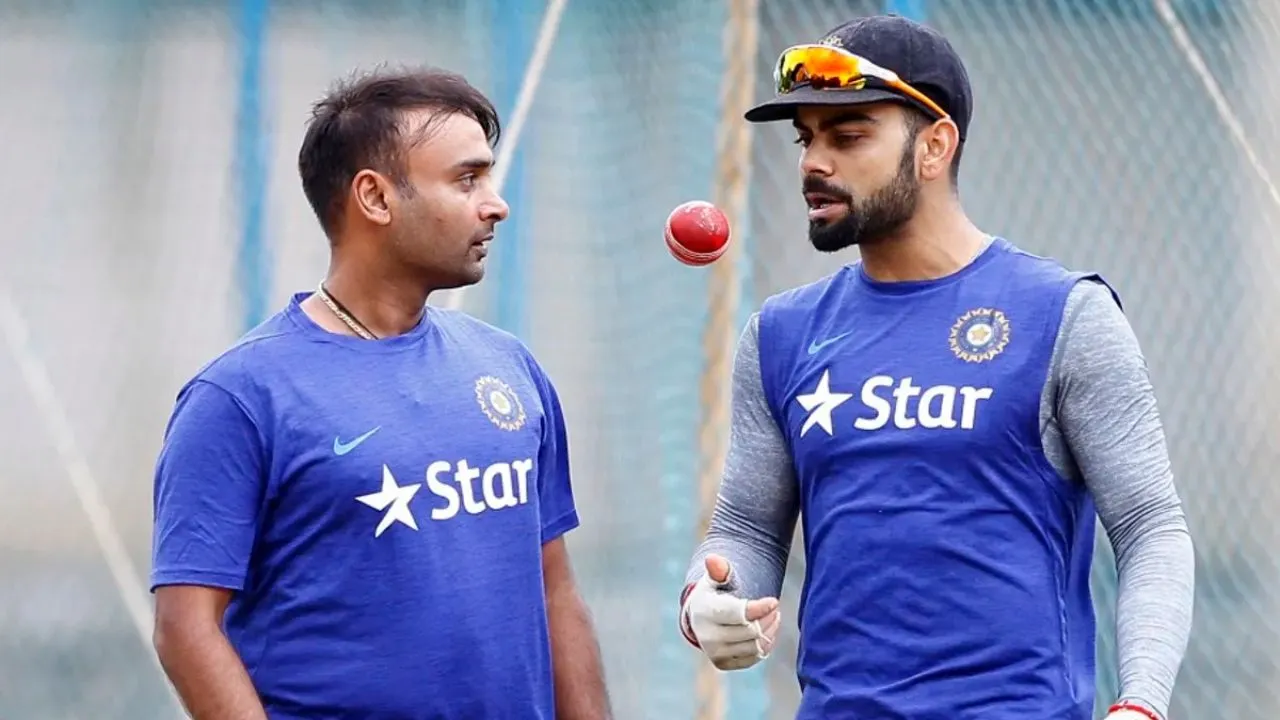
Amit Mishra Recounts His India Comeback Struggle and Unanswered Calls to Virat Kohli
Former India leg-spinner Amit Mishra has offered a candid account of the uncertainty he faced while trying to return to the national team after an injury. Speaking on former India batter Aakash Chopra’s YouTube programme, Baith and Bol, Mishra said he received assurances that he would be considered once fit, but later struggled to get a clear response from then-captain Virat Kohli.
Mishra’s comments have renewed discussion about the challenges players can face when recovering from injury, particularly in a competitive international setup where selection decisions are shaped by form, team balance and the emergence of younger talent. His recollection is a personal account of events; it does not, by itself, establish why selectors ultimately moved in another direction.
Mishra says he was told to focus on recovery
Mishra recalled that Anil Kumble was India’s coach when he was injured. According to the spinner, Kumble encouraged him to concentrate on getting fit and suggested that a return to the side would follow once he was available. Kohli became captain later, and Mishra said he also approached him to understand where he stood.
“I asked Virat Kohli, ‘What do you want to do?’ He replied, ‘Don’t worry, once you get fit and you are there,’” Mishra said during the interview. He described the response as giving him hope that he would have an opportunity to rejoin the national setup after completing his recovery.
However, Mishra said that when he later sought a more definite update, he was told he would receive one within a week or ten days. He recalled waiting beyond that period without hearing back. He also said he tried contacting Kohli by phone and message, but did not receive a reply.
“I left the hope,” the spinner says
In the interview, Mishra said he made several attempts to get clarity but eventually stopped expecting an answer. He also pointed out that other players who had been injured for longer periods later returned to the team, while he did not receive a clear explanation about his own prospects.
“I called him, but he didn’t pick up the call. I messaged him, but he didn’t reply,” Mishra said. “Then again I called and messaged, but there was no reply. After that, I left the hope. What can we do when he doesn’t want to reply?”
Mishra’s remarks provide insight into how uncertain a player’s future can feel during rehabilitation. A return to fitness does not automatically guarantee selection: a player must also compete for a place, fit the team’s tactical plans and convince decision-makers that he is ready for the demands of international cricket. Mishra’s account highlights the personal side of that process, especially the difficulty of waiting without clear communication.
The former spinner’s experience also serves as a reminder that selection is rarely determined by one factor alone. Team requirements, the availability of other players, performance trends and long-term planning can all influence a decision. Mishra has described how the period felt from his perspective, while the full circumstances behind his non-selection remain broader than the comments shared in the interview.
Amit Mishra’s record across formats
Mishra made an immediate impression in Test cricket. He debuted against Australia in 2008 and claimed 5/71 in the first innings, helping India secure victory. His ability to generate turn and flight made him a valuable option in conditions suited to spin, and he went on to take 76 wickets in 22 Test matches.
In one-day internationals, Mishra was part of India’s successful bowling effort during the 2013 bilateral series in Zimbabwe. He took 18 wickets, equalling Javagal Srinath’s record for the most wickets in a bilateral ODI series at the time. Across 36 ODIs, Mishra finished with 64 wickets.
He also represented India in 10 T20 internationals, taking 16 wickets. One of the notable chapters of his international career came at the 2014 T20 World Cup, where he was part of the India squad that reached the final. Mishra claimed 10 wickets during the tournament, contributing to the team’s run to the runners-up position.
IPL success and a new coaching role
Mishra’s impact was especially visible in the Indian Premier League. He took 174 wickets in the competition, placing him among its leading wicket-takers. His experience across different teams and match situations made him a consistent threat, particularly when batters were forced to attack his leg-spin.
Although his IPL performances established him as a proven T20 bowler, his international opportunities were more limited. That contrast has often shaped discussion around his career: Mishra demonstrated his ability to take wickets at the highest domestic level, but did not enjoy an uninterrupted run in India’s national side.
He is now set to take on a new role as spin bowling coach with the Delhi Capitals ahead of IPL 2027. Mishra will work alongside head coach Sourav Ganguly, batting coach Yuvraj Singh and pace bowling coach Chaminda Vaas. His responsibilities are expected to include helping develop the franchise’s young spin options and sharing lessons from a career spanning international cricket and the IPL.
The coaching appointment gives Mishra an opportunity to pass on the skills that made him a successful leg-spinner: controlling pace, varying flight, reading a batter’s intentions and maintaining composure under pressure. For emerging bowlers, his experience could be especially useful in a format where a single over can change a match.
Why Mishra’s account has drawn attention
Mishra’s comments have attracted interest not only because they involve two prominent figures in Indian cricket, but also because they raise a familiar question: how should teams communicate with players whose place is uncertain? Clear and timely feedback can help athletes plan their recovery and understand what they need to do next, even when selection is not guaranteed.
For fans looking for a prediction about what Mishra’s coaching role may bring, his appointment points to a practical focus on nurturing spin talent rather than revisiting his international selection story. His experience offers Delhi Capitals a resource with a deep understanding of both leg-spin craft and the pressures of elite competition.
Mishra’s interview, meanwhile, adds a personal perspective to the story of his career. His international achievements and substantial IPL record are clear, while his account of the comeback period reflects the frustration he says he experienced. As he begins a new chapter in coaching, his knowledge may help the next generation of spinners navigate the same demanding environment in which he made his name.
Latest News
Tim David eyes Australia’s 2027 ODI World Cup spot with surprise Tasmania return
Virat Kohli ignored calls, messages: Amit Mishra blames ex-India captain for crushing comeback hopes
Riyan Parag to lose Rajasthan Royals captaincy after ownership change
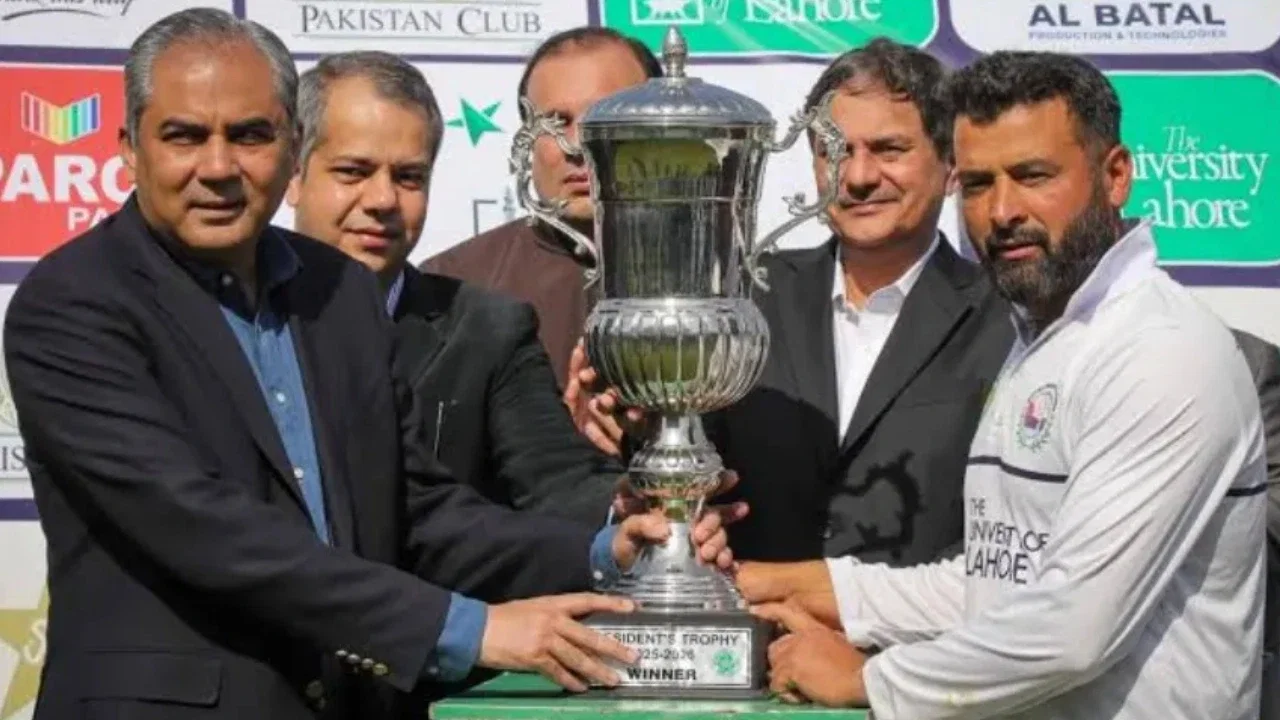
President’s Trophy 2026-27: Final date, venue and the story behind MITS vs SBP

ICC makes big Los Angeles Olympics 2028 announcements, India secure direct entry
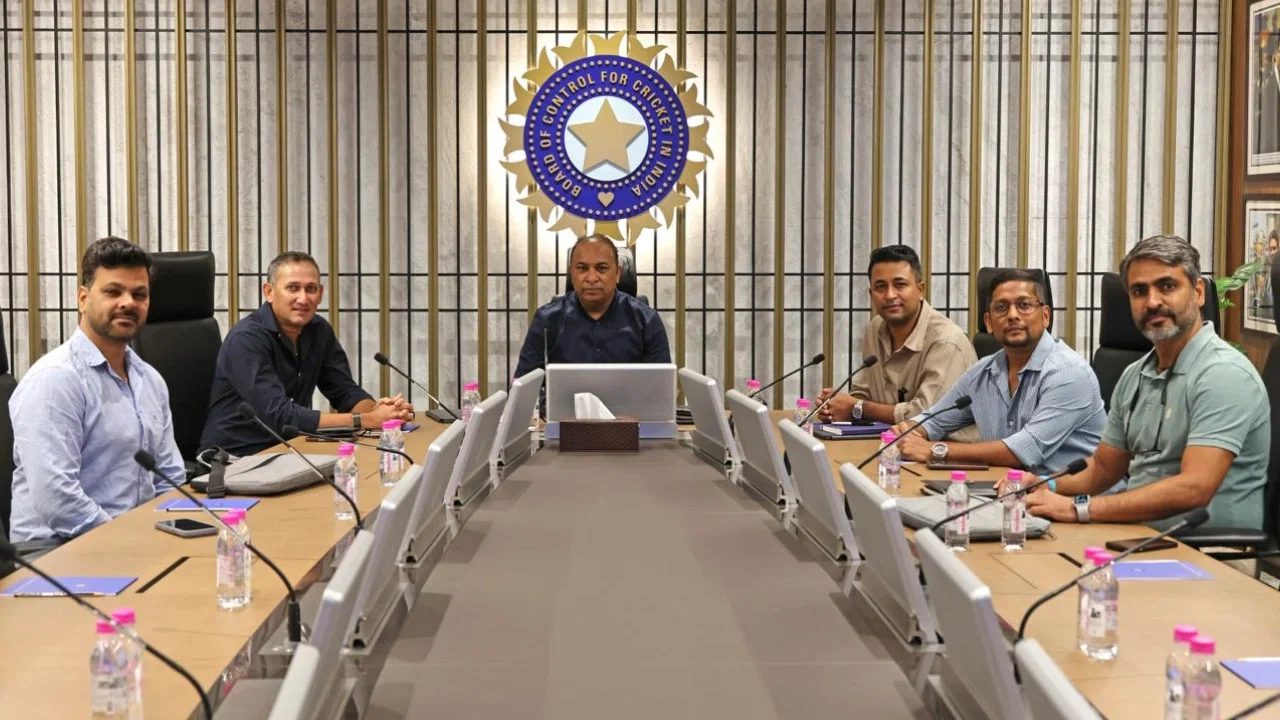
BCCI reveals new Junior Selection Panel, Parvinder Awana named Chairman
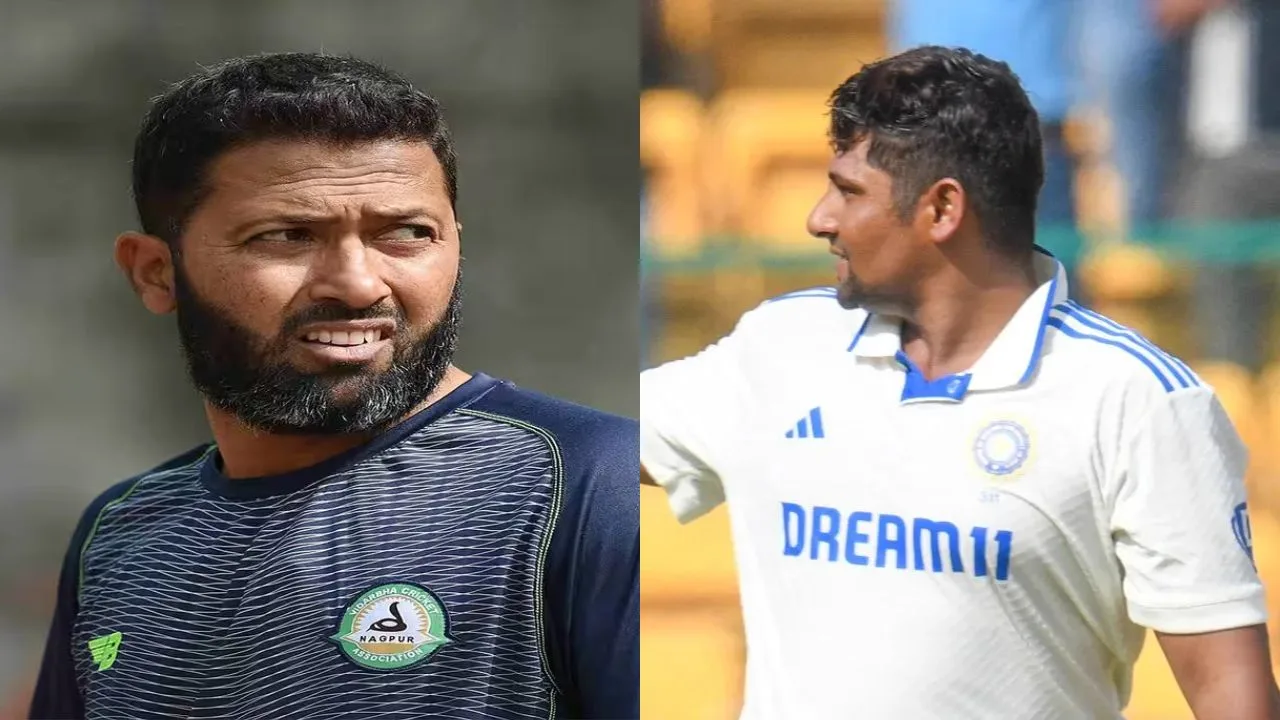
“Beyond cricketing reasons”: Wasim Jaffer questions selectors over Sarfaraz Khan’s India snub
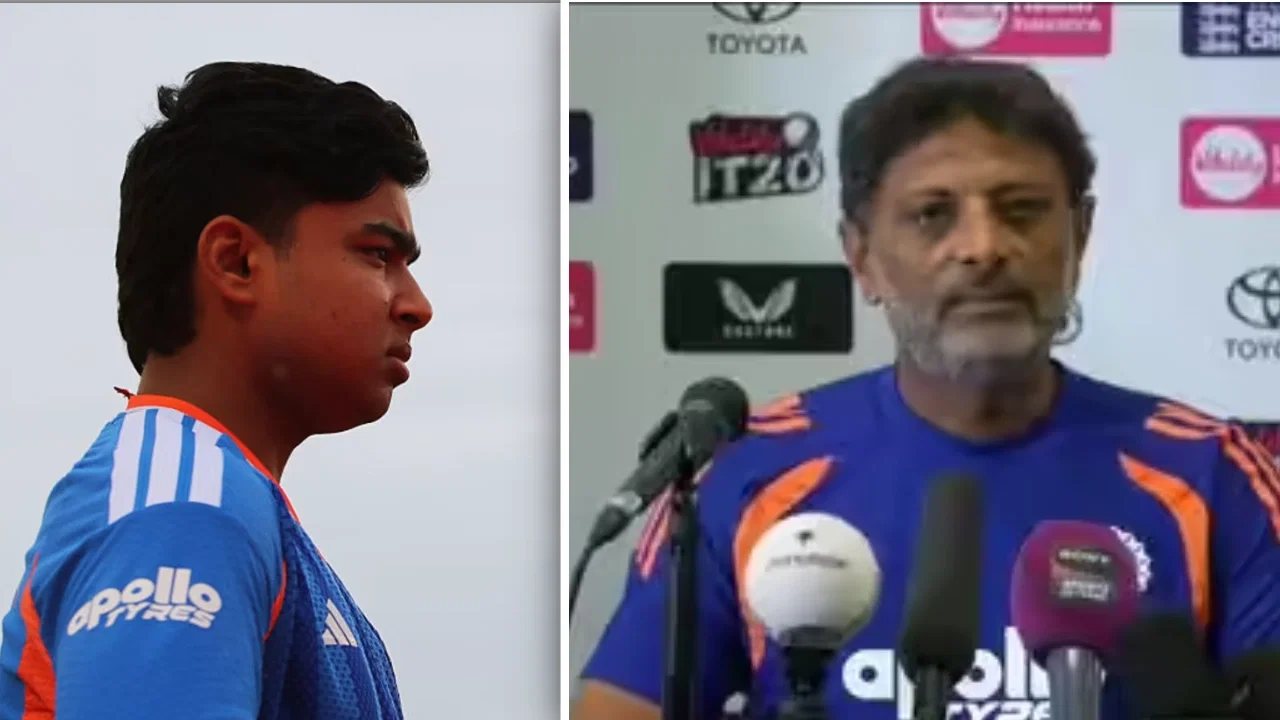
Sitanshu Kotak takes aim at fans and experts demanding Vaibhav Sooryavanshi’s India selection
Bangladesh name 15-member squad for West Indies Tests; Taskin Ahmed returns
New Zealand name 11 international stars in 19-member squad for India A series
Ayush Mhatre set to miss rest of Mumbai’s domestic season after surgery for Grade 4 hamstring tear
Pat Cummins expects Cameron Green and Josh Inglis to be available for third South Africa Test
Daren Sammy used Hindi expletive “BC” in reaction to Sri Lanka’s historic chase vs England? Fans react
PSL Sixes: PCB mulls new six-a-side tournament to expand league’s reach