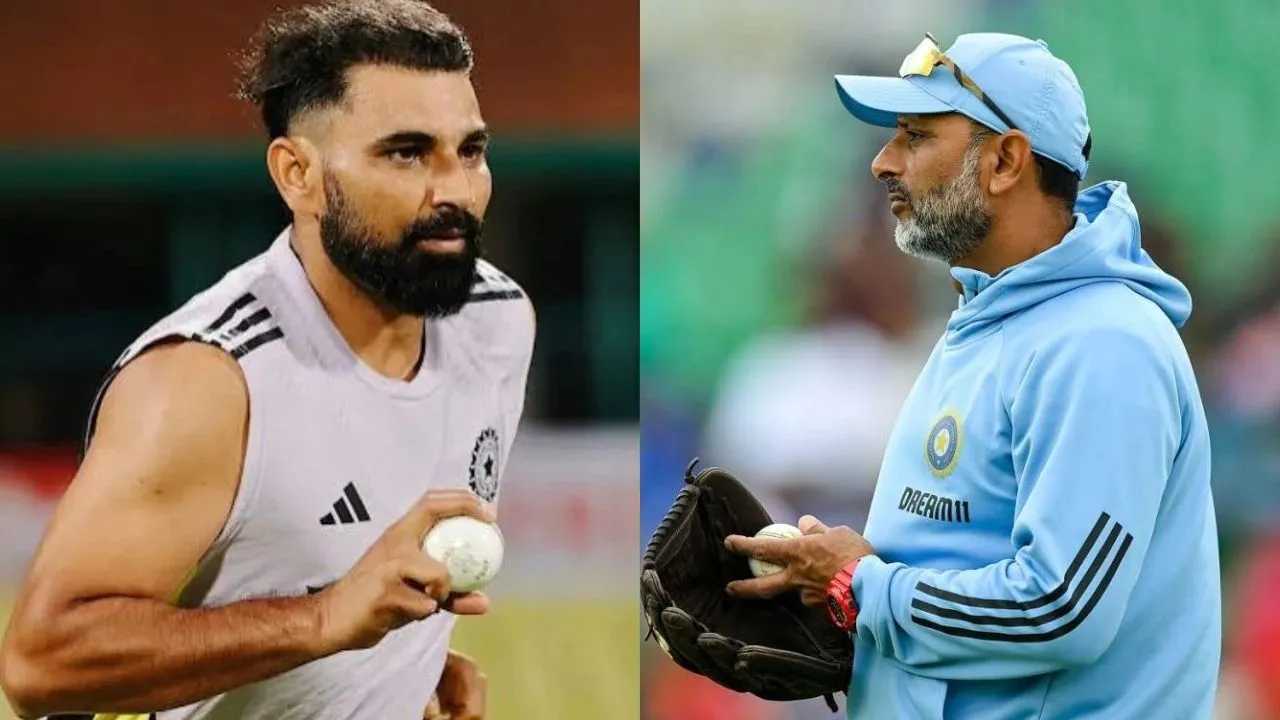
‘Jadeja, Sundar were in 90s’: Shubman Gill justifies ignoring Ben Stokes’ handshake
Shubman Gill Supports Jadeja and Sundar in Handshake Controversy
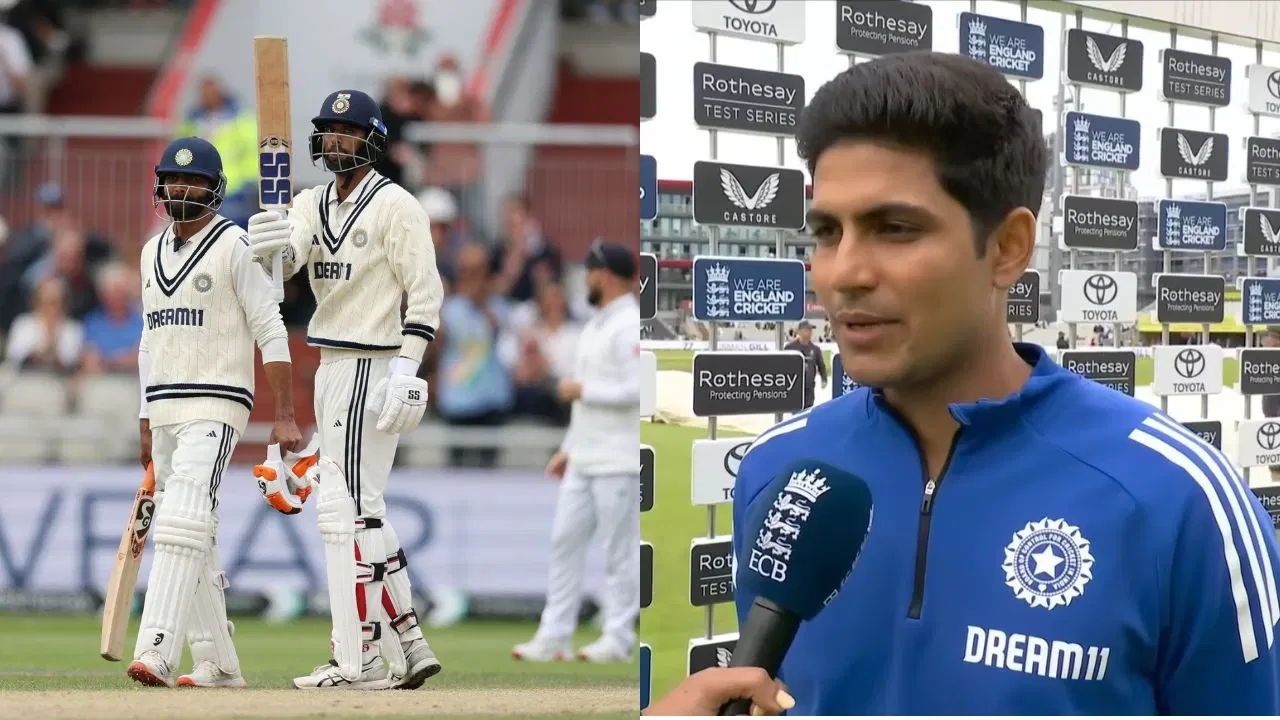
Shubman Gill, the captain of the India National Cricket Team, has come out in support of Ravindra Jadeja and Washington Sundar for their decision to refuse a handshake with Ben Stokes in the Manchester Test. The match ended in a draw, with tensions running high during the final session of play.
The Manchester Test Drama
The fourth Test of the five-match series between India and England at Old Trafford in Manchester was filled with drama, culminating in the controversial handshake incident. With just an hour left in the game, Ben Stokes extended his hand to Jadeja and Sundar to call it a draw, a result that seemed inevitable.
However, Jadeja and Sundar, both nearing their centuries, were determined to continue playing. Gill supported their decision, acknowledging the significance of achieving a Test century, especially overseas in England. Stokes, visibly upset by the rejection, engaged in a heated exchange with the Indian players.
Shubman Gill’s Perspective
During the post-match presentation, Shubman Gill expressed his pride in the team’s performance, particularly the batting effort. He emphasized the importance of handling pressure and taking the game deep into the final day, highlighting the team’s resilience.
Gill defended Jadeja and Sundar’s decision, commending their outstanding batting and stating that they deserved to reach the milestone of a century. He underlined his own commitment to giving his best on the field for the country, emphasizing the honor and responsibility of representing India in Test cricket.
Looking Ahead
Gill, who recently joined the ranks of Don Bradman and Sunil Gavaskar by scoring 700 Test runs in a debut series as captain, expressed optimism for the upcoming final Test. Reflecting on the team’s performance in the previous matches, he highlighted the learnings and growth experienced by the players.
When asked about the availability of Jasprit Bumrah for the next match, Gill mentioned that the team is yet to make a final decision. He emphasized the importance of converting starts into big scores, acknowledging the need for batters to capitalize on their opportunities to dominate the game.
Conclusion
As the India National Cricket Team prepares for the final Test of the series, Shubman Gill’s leadership and support for his teammates will be crucial in maintaining a competitive edge against England. The handshake controversy in the Manchester Test serves as a reminder of the passion and intensity that define Test cricket, showcasing the dedication and commitment of players striving for excellence on the field.
The Importance of Team Unity
Team unity and solidarity are essential components of a successful cricket team, and Shubman Gill’s support for his teammates in the handshake controversy demonstrates the strong bond within the Indian squad. In high-pressure situations like the one witnessed in the Manchester Test, it is crucial for players to back each other’s decisions and stand together as a united front.
By publicly endorsing Jadeja and Sundar’s choice to continue playing instead of accepting a draw, Gill showcased the team’s unwavering commitment to their individual goals and collective success. This display of solidarity can boost morale, foster trust among teammates, and create a sense of belonging within the team.
The Mental Aspect of Cricket
Cricket is not just a physical sport; it is also a mental game that requires immense focus, determination, and resilience. The decision-making process on the field, especially in critical moments like the one faced by Jadeja and Sundar, reflects the mental strength and clarity of the players.
Gill’s acknowledgment of the mental fortitude displayed by his teammates underscores the psychological aspect of cricket. Managing pressure, staying composed under challenging circumstances, and making tough decisions are all part of the mental battle that cricketers constantly face. Support from teammates and captains like Gill can have a significant impact on players’ mental well-being and performance on the field.
Leadership Qualities of Shubman Gill
As the captain of the Indian Test team, Shubman Gill has demonstrated exemplary leadership qualities both on and off the field. His ability to understand and empathize with his teammates’ decisions, as seen in the handshake controversy, showcases his maturity and emotional intelligence as a leader.
Gill’s role in fostering a positive team environment, encouraging open communication, and standing by his players in challenging moments reflects his leadership acumen. These qualities are essential for building a cohesive and successful team that can overcome obstacles and achieve collective goals.
The Legacy of Shubman Gill
Shubman Gill’s emergence as a promising young cricketer and a dynamic leader in the Indian team has sparked discussions about his potential legacy in the sport. With comparisons to legendary players like Don Bradman and Sunil Gavaskar, Gill’s early success and impressive performance have raised hopes for a bright future in cricket.
As Gill continues to lead the Indian team with poise and determination, his impact on the cricketing world is likely to grow. Whether through his batting prowess, leadership skills, or ability to inspire his teammates, Gill’s legacy in Indian cricket could be one marked by success, resilience, and a commitment to excellence.
Final Thoughts
Shubman Gill’s support for Jadeja and Sundar in the handshake controversy goes beyond a simple gesture of solidarity; it exemplifies the values of teamwork, mental strength, leadership, and legacy-building in cricket. As the Indian team prepares for the final Test against England, Gill’s influence and guidance will be pivotal in shaping the team’s performance and maintaining a winning mindset.
Cricket fans and analysts alike are eager to see how Gill’s leadership evolves and impacts the Indian team’s future endeavors, both on and off the field. The handshake controversy may have been a moment of tension, but it also served as a testament to the resilience and unity of the Indian cricket team under Gill’s captaincy.
Latest News
Top 10 highest run-chases in T20 cricket history, ft. West Indies’ Ranchi win vs India
Aaryavir Sehwag and Anvay Dravid set to make headlines at U19 Asia Cup 2026
Longest ducks in Test cricket history ft. Nic Maddinson, Shoaib Akhtar
ECB to offer 39 central contracts to England players after Ben Stokes, Mark Wood’s retirement
Steve Smith surpasses Steve Waugh in all-time Test run-scorers’ list
Shane Watson identifies Gautam Gambhir’s biggest problem as India struggle for consistency
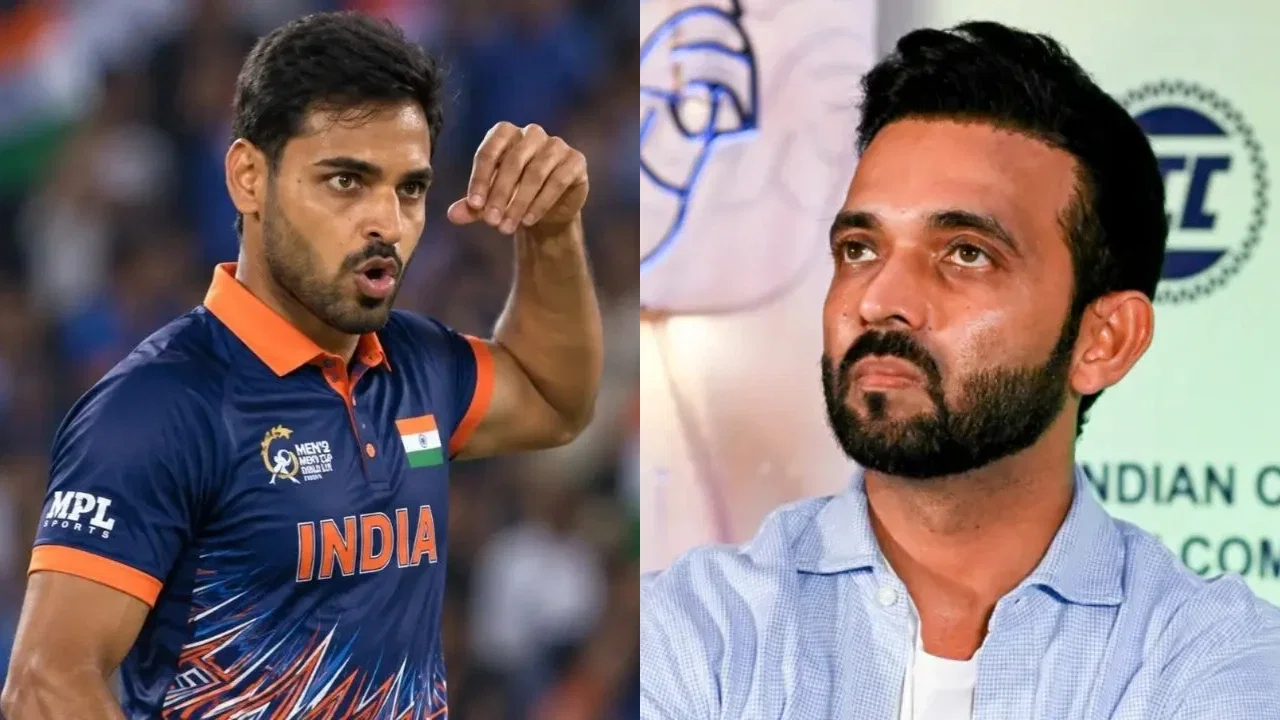
Is Bhuvneshwar Kumar in India’s 2027 World Cup plans? Ajinkya Rahane makes revelation
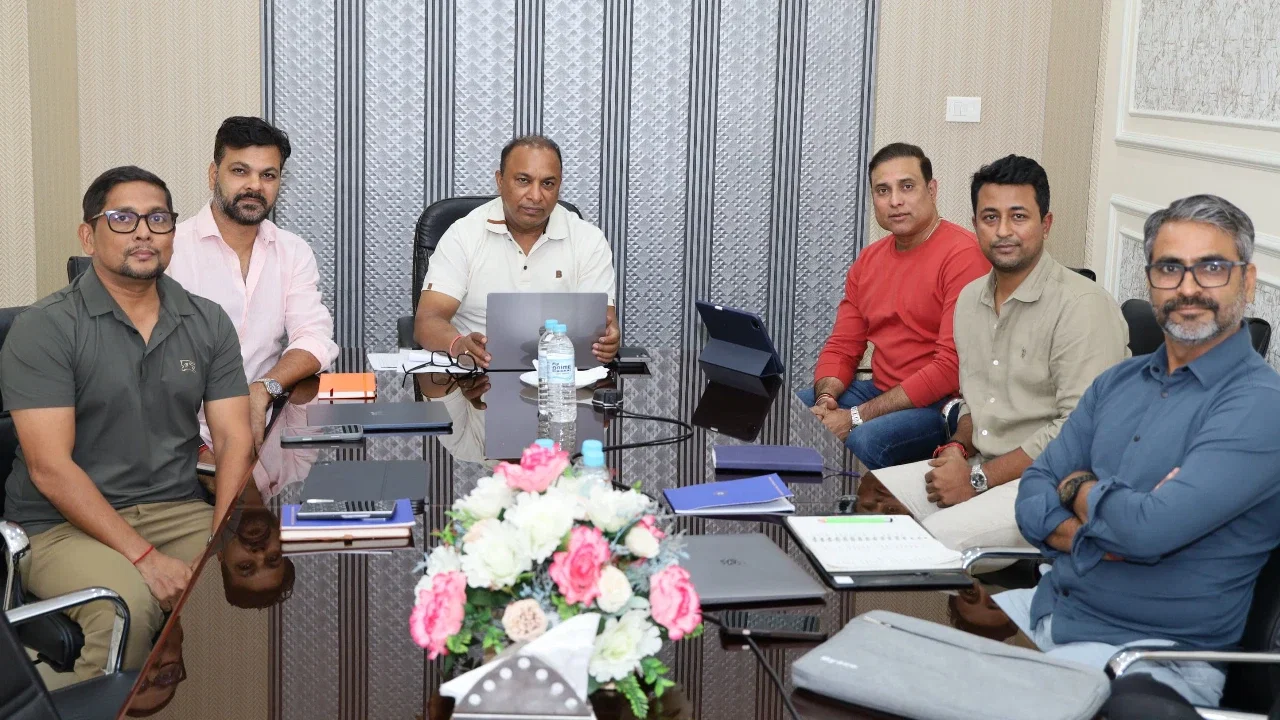
BCCI’s big ₹127 Crore move after injury crisis raises concerns over Team India
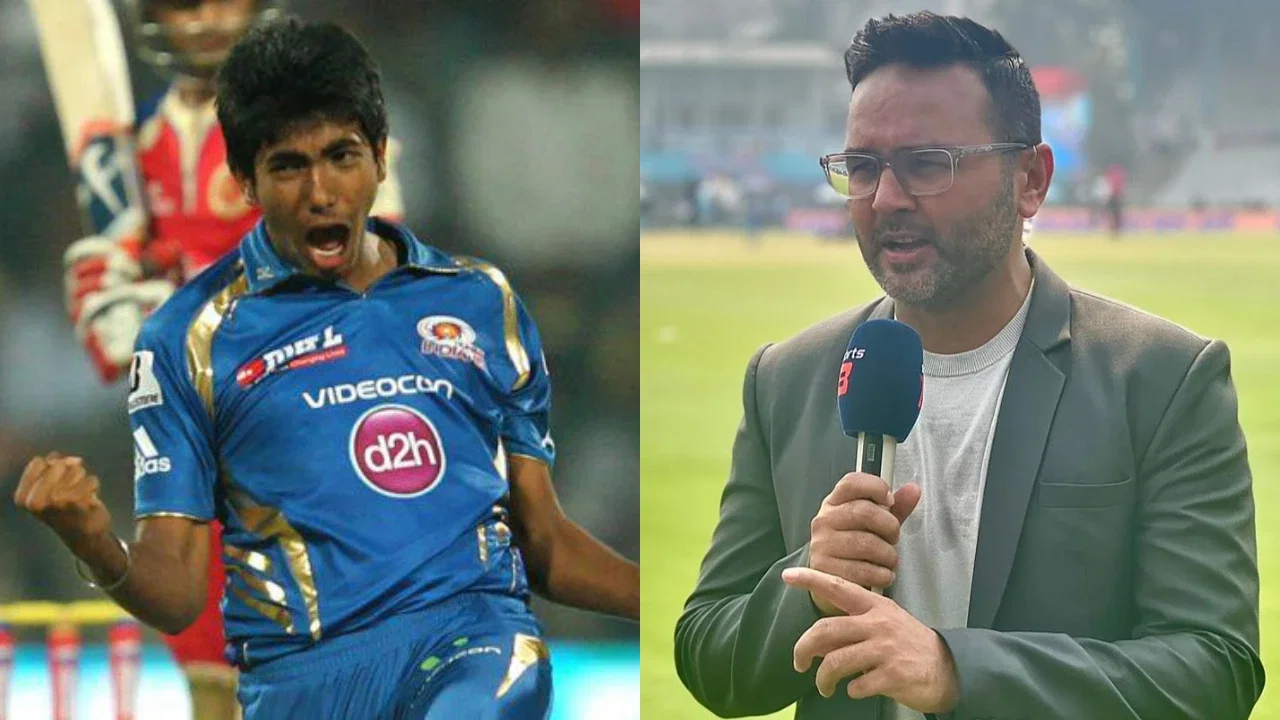
Parthiv Patel reveals RCB ignored his Jasprit Bumrah recommendation in IPL 2014 Auction
“Never spoke ill of any faith”: Irfan Pathan hits back at fake news using his name
Nic Maddinson bags 33-ball duck on Test comeback, disappoints George Bailey
Imran Tahir predicts 2027 ICC ODI World Cup Semi-Finalists, snubs India for title
Australia create unwanted history with first all-30-plus Test XI
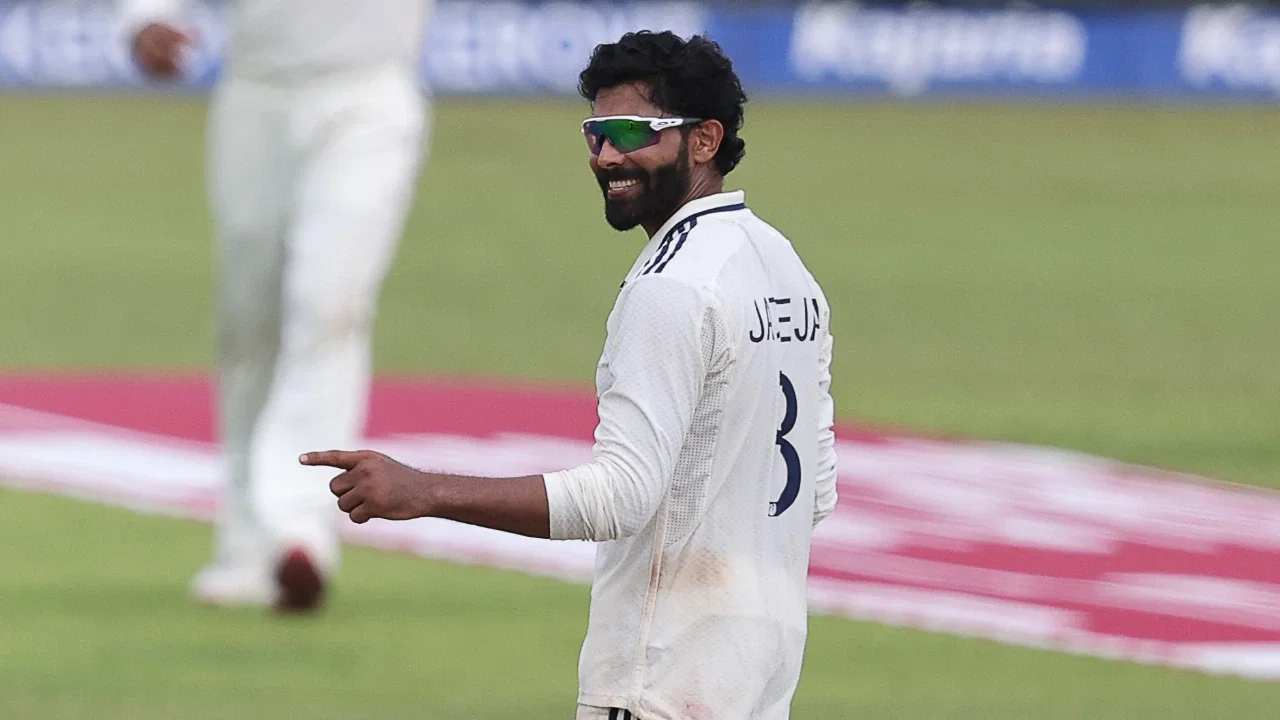
Ravindra Jadeja returns to Ranji Trophy as Saurashtra announce squad