Jason Gillespie calls Aaqib Javed a ‘muppet’, rejects claims over Pakistan coaching tenure
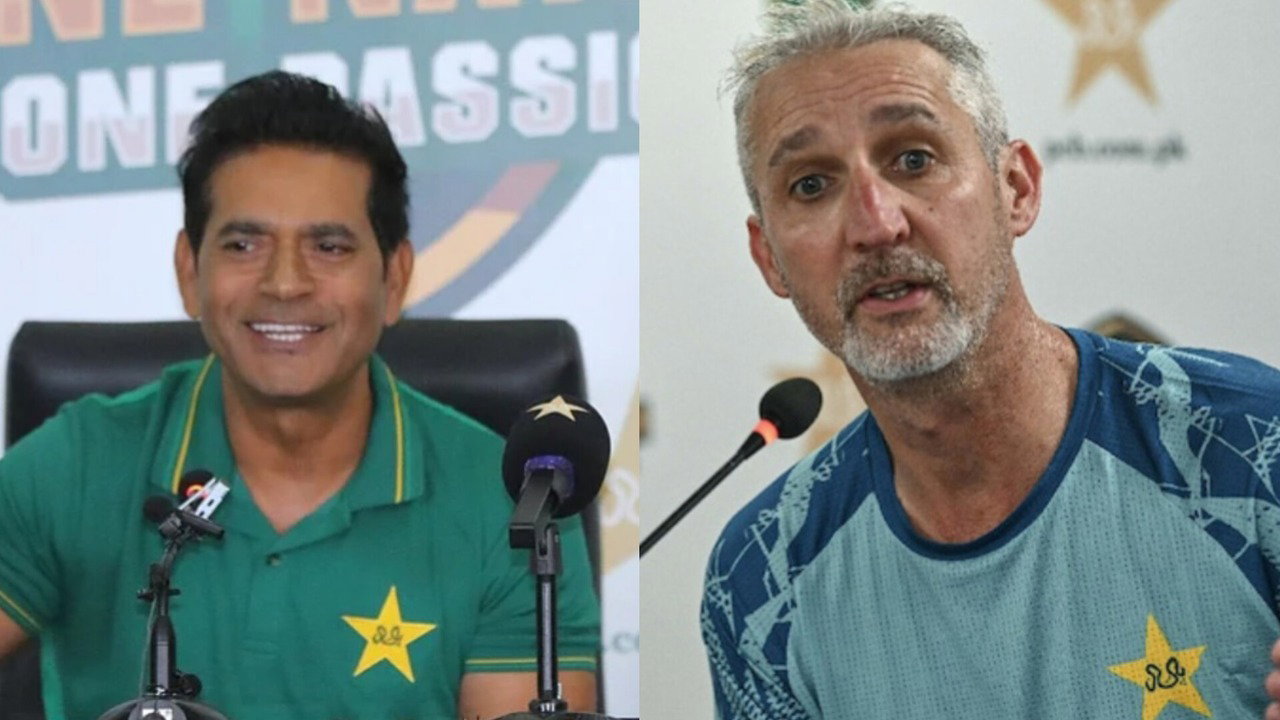
**Former Pakistan Coach Jason Gillespie Criticizes PCB Director Aaqib Javed Over Coaching Claims**
Former Australian fast bowler Jason Gillespie recently found himself in a war of words with the Director of High-Performance for the Pakistan Cricket Board (PCB), Aaqib Javed. The disagreement stemmed from alleged false claims made by Javed regarding Gillespie’s coaching tenure with the Pakistan national team. This controversy has reignited a longstanding issue within the PCB, which began over a year ago when Gillespie and former South African cricketer Gary Kirsten stepped down from their coaching roles.
**Aaqib Javed’s Accusations**
In a recent podcast appearance on the Public Sports and Public News YouTube channel, Aaqib Javed accused Gillespie and Kirsten of making the selectors’ job impossible by refusing to listen to anyone during meetings. Javed claimed that the former coaches overruled every selector and failed to come up with a clear plan after the first Test against England. According to Javed, the situation deteriorated further when Pakistan won a match following a change in pitch and team selection.
**Gillespie Fires Back**
However, Gillespie vehemently denied these allegations during an appearance on the Fast Bowling Cartel YouTube channel. He refuted Javed’s claims, stating that the Director of High-Performance never inquired about the team’s strategy but instead arrived with directives to play on used pitches sprinkled with sand. Gillespie criticized this approach, emphasizing the importance of playing on the best available surface in international cricket.
**Challenges Faced by Gillespie and Kirsten**
Gillespie shed light on the challenging environment he and Kirsten faced while working with the PCB. He highlighted issues such as using industrial dryers and sprinkling sand on worn-out pitches, practices that he believed were not suitable for international cricket standards. Gillespie expressed disagreement with the decision to alter pitch conditions in such a manner and revealed that Kirsten was relieved of his duties as a selector following a Test match loss, despite not being actively involved with the white ball team for several months.
**Moving Forward**
The ongoing dispute between Jason Gillespie and Aaqib Javed underscores the underlying tensions within the PCB’s coaching setup. As both parties continue to defend their positions, it remains to be seen how this conflict will impact Pakistan cricket moving forward. With the spotlight now on the internal workings of the cricket board, fans and experts alike are closely following developments to understand the implications of this public spat on the future of the national team.
In conclusion, the clash between Gillespie and Javed serves as a reminder of the challenges faced by coaches in navigating the complex landscape of international cricket. As the debate rages on, it is essential for all stakeholders to prioritize effective communication and collaboration to ensure the success and growth of Pakistan cricket on the global stage.
**The Impact of Coaching Disputes on Team Performance**
Coaching disputes and conflicts within a cricket board can have significant ramifications on team performance. When coaches are at odds with board officials or each other, it can create a disruptive environment that affects players’ focus and morale. The recent clash between Gillespie and Javed has highlighted the importance of a harmonious relationship between coaching staff and cricket board officials in fostering a conducive atmosphere for player development and success.
**The Significance of Pitch Conditions in International Cricket**
Pitch conditions play a crucial role in determining the outcome of a cricket match. International cricket standards require pitches to be fair and balanced, providing an equal opportunity for both batsmen and bowlers. The controversy surrounding the alteration of pitch conditions by the PCB raises questions about the impact of such practices on the integrity of the game. Gillespie’s emphasis on playing on the best available surface underscores the importance of upholding high standards in pitch preparation to ensure a level playing field for all teams.
**The Need for Transparency and Accountability in Coaching Structures**
Transparency and accountability are essential components of an effective coaching structure. Clear communication between coaches, selectors, and board officials is vital for aligning strategies and goals to drive the team towards success. The conflicting accounts between Gillespie and Javed highlight the importance of open and honest dialogue within coaching setups to prevent misunderstandings and conflicts that can hinder progress. By fostering a culture of transparency and accountability, cricket boards can cultivate a positive environment conducive to achieving long-term success.
**Learning from Past Mistakes to Shape the Future of Pakistan Cricket**
The ongoing dispute between Gillespie and Javed presents an opportunity for the PCB to reflect on past mistakes and implement changes for the future. By addressing the issues raised by both parties and taking proactive steps to improve communication and collaboration within the coaching setup, the PCB can create a more stable and supportive environment for players and coaches alike. Learning from this experience can help shape the future of Pakistan cricket, ensuring that the team is better equipped to overcome challenges and achieve their full potential on the international stage.
**The Role of Fans and Experts in Holding Cricket Boards Accountable**
Fans and experts play a crucial role in holding cricket boards accountable for their decisions and actions. By closely following developments within the PCB and expressing their views on coaching disputes and other issues, fans can exert pressure on cricket boards to act in the best interests of the team and the sport. The public scrutiny surrounding the conflict between Gillespie and Javed highlights the power of external stakeholders in influencing the direction of cricket governance. By engaging with fans and experts, cricket boards can gain valuable insights and feedback to guide their decision-making processes and ensure transparency in their operations.
In conclusion, the dispute between Jason Gillespie and Aaqib Javed sheds light on the complexities and challenges inherent in the world of international cricket coaching. By addressing the underlying issues and fostering a culture of openness and collaboration, the PCB can pave the way for a brighter future for Pakistan cricket. As the cricketing world watches with interest, the resolution of this conflict has the potential to shape the trajectory of the national team and set a precedent for effective coaching structures in the future.
Latest News
Top 10 highest run-chases in T20 cricket history, ft. West Indies’ Ranchi win vs India
Aaryavir Sehwag and Anvay Dravid set to make headlines at U19 Asia Cup 2026
Longest ducks in Test cricket history ft. Nic Maddinson, Shoaib Akhtar

ECB to offer 39 central contracts to England players after Ben Stokes, Mark Wood’s retirement
Steve Smith surpasses Steve Waugh in all-time Test run-scorers’ list

Shane Watson identifies Gautam Gambhir’s biggest problem as India struggle for consistency
Is Bhuvneshwar Kumar in India’s 2027 World Cup plans? Ajinkya Rahane makes revelation
BCCI’s big ₹127 Crore move after injury crisis raises concerns over Team India

Parthiv Patel reveals RCB ignored his Jasprit Bumrah recommendation in IPL 2014 Auction
“Never spoke ill of any faith”: Irfan Pathan hits back at fake news using his name
Nic Maddinson bags 33-ball duck on Test comeback, disappoints George Bailey

Imran Tahir predicts 2027 ICC ODI World Cup Semi-Finalists, snubs India for title
Australia create unwanted history with first all-30-plus Test XI
Ravindra Jadeja returns to Ranji Trophy as Saurashtra announce squad