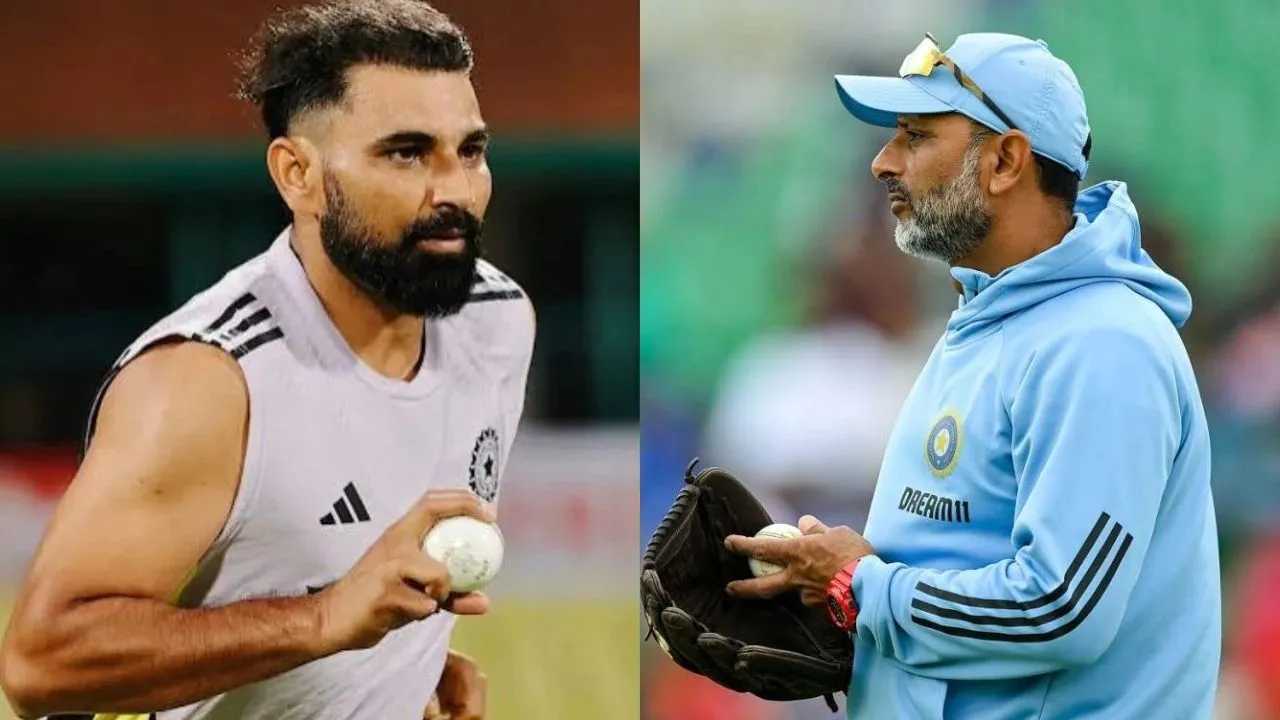
Jasprit Bumrah gets ultimatum from BCCI selector: ‘Don’t play at all if you’re…’
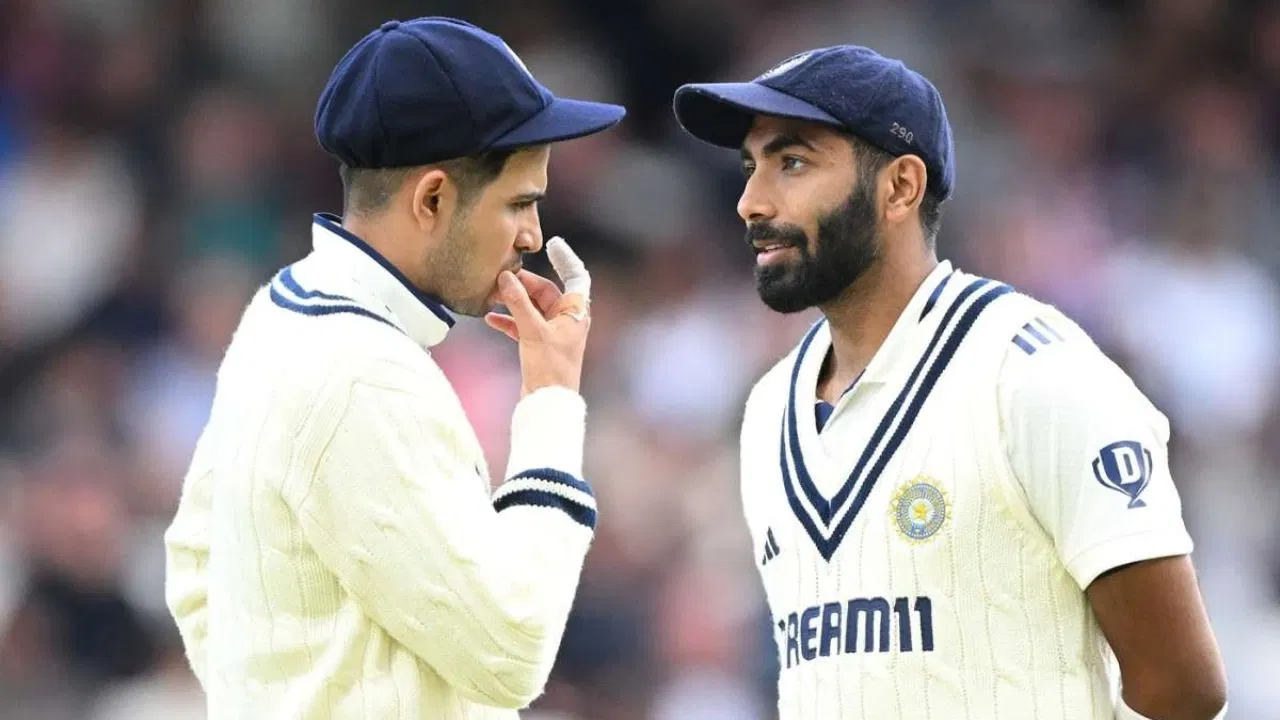
Former India Chief Selector Dilip Vengsarkar Criticizes Bumrah for Selective Test Matches
Former India chief selector and captain, Dilip Vengsarkar, has recently criticized premier right-arm quick Jasprit Bumrah for not playing all five Test matches in the ongoing Anderson-Tendulkar Trophy. Vengsarkar expressed his frustration over Bumrah’s workload management plans and emphasized that the fast bowler should not be allowed to pick and choose which matches to play based on personal preference.
Bumrah’s ‘Three Tests’ Demand Approved By BCCI
Before the start of the Anderson-Tendulkar Trophy, the Board of Control for Cricket in India (BCCI) chairman of selectors, Ajit Agarkar, announced that Jasprit Bumrah would only participate in three out of the five Tests in England. This decision came after Bumrah himself requested the BCCI to limit his appearances due to frequent injury issues, with the latest one occurring after playing five back-to-back Test matches in the Border-Gavaskar Trophy.
Bumrah had revealed that the medical team advised him to be cautious in managing his workload to prevent further back injuries. Despite being rested for the second Test, he delivered exceptional performances in the first and third Test matches against England, showcasing his bowling prowess and even contributing with the bat in a crucial situation.
Vengsarkar Opposes Selective Approach
Speaking to RevSportz, Dilip Vengsarkar expressed his disapproval of bowlers like Bumrah being allowed to selectively choose which Test matches to play. He emphasized the importance of commitment to the national team, stating that players should be willing to participate in all matches if they are fit and available.
Vengsarkar specifically criticized Bumrah’s absence in the Edgbaston Test, labeling it as unacceptable. He highlighted the significant gap between the first and second Test matches where Bumrah could have potentially played, questioning the decision to rest him.
Jadeja’s Performance and Vengsarkar’s Analysis
Reflecting on India’s loss in the Lord’s Test, Dilip Vengsarkar also shared his thoughts on Ravindra Jadeja’s performance. Despite Jadeja playing a crucial unbeaten knock and forming partnerships with Bumrah and Mohammed Siraj, India fell short of a win. Vengsarkar suggested that Jadeja should have taken more risks while batting to push for a victory.
While acknowledging the team’s effort and fighting spirit, Vengsarkar believed that a more aggressive approach from Jadeja could have potentially changed the outcome of the match. He lamented the missed opportunity to secure a win at Lord’s and emphasized the importance of taking calculated risks in challenging situations.
In conclusion, Dilip Vengsarkar’s comments highlight the debate surrounding player workload management and the expectations for national team players to prioritize representing their country over personal preferences. The ongoing discussion on the balance between player fitness and team commitments continues to be a topic of interest and scrutiny in Indian cricket.
Bumrah’s Importance in the Indian Bowling Lineup
Jasprit Bumrah’s presence in the Indian cricket team has been pivotal, especially in the fast bowling department. Known for his unorthodox action and ability to bowl deadly yorkers, Bumrah has emerged as one of the premier fast bowlers in world cricket. His impact in limited-overs cricket is well-documented, with his ability to control the run-flow in the death overs and pick up crucial wickets making him a valuable asset for the team.
However, the transition to Test cricket has posed new challenges for Bumrah, particularly in managing his workload and preventing injuries. The demands of Test cricket, with long spells and intense schedules, require a different level of physical and mental endurance. Bumrah’s request to limit his appearances in certain Test matches reflects the need for a balanced approach to ensure his longevity in the game.
The Evolution of Player Workload Management
In recent years, the concept of player workload management has gained prominence in international cricket. With the rise of various formats and the increase in bilateral series, players are constantly under pressure to perform across different formats while maintaining their fitness levels. This has led to cricket boards and team management adopting a more strategic approach to managing player workloads to prevent burnout and injuries.
Players like Bumrah, who are integral to their team’s success across formats, require careful monitoring and planning to ensure their availability for key matches and tournaments. The balance between player rest and match participation has become a delicate issue, with selectors and team management having to make tough decisions to prioritize player well-being while maintaining competitive performance.
The Role of Sports Science in Workload Management
Advancements in sports science and technology have played a significant role in assisting teams in managing player workloads effectively. Monitoring tools, such as GPS tracking, heart rate monitors, and player wellness assessments, provide valuable data to assess player fatigue levels and injury risks. This data-driven approach allows teams to make informed decisions about player workload and recovery strategies.
Sports scientists and physiotherapists work closely with players to design personalized training programs and recovery protocols to optimize performance and prevent injuries. The integration of sports science into cricket has revolutionized the way teams approach player management, ensuring that players are fit and ready to compete at their best levels.
Bumrah’s Longevity and Future Prospects
As Jasprit Bumrah continues to make a mark in international cricket, his longevity and durability will be key factors in shaping his career. Balancing the demands of fast bowling in all formats while ensuring his fitness and well-being will be crucial for his sustained success. Learning from past experiences and listening to medical advice will be essential for Bumrah to navigate through the challenges of modern cricket.
With a strong support system in place and a growing emphasis on player welfare, Bumrah can strive to achieve new milestones and cement his legacy as one of India’s finest fast bowlers. The evolution of player workload management will continue to shape the future of cricket, with players like Bumrah serving as examples of how to navigate the demands of the game while prioritizing health and performance.
By exploring the evolution of player workload management in cricket, the role of sports science in optimizing player performance, and the implications for Bumrah’s future career, this expanded content provides a comprehensive perspective on the challenges and opportunities facing modern cricketers. Balancing the demands of a rigorous schedule with the need for rest and recovery is a delicate dance that requires careful planning and collaboration between players, teams, and support staff. As the cricketing landscape continues to evolve, the conversation around player workload management will remain a focal point for teams and players alike.
Latest News
Top 10 highest run-chases in T20 cricket history, ft. West Indies’ Ranchi win vs India
Aaryavir Sehwag and Anvay Dravid set to make headlines at U19 Asia Cup 2026

Longest ducks in Test cricket history ft. Nic Maddinson, Shoaib Akhtar

ECB to offer 39 central contracts to England players after Ben Stokes, Mark Wood’s retirement

Steve Smith surpasses Steve Waugh in all-time Test run-scorers’ list

Shane Watson identifies Gautam Gambhir’s biggest problem as India struggle for consistency
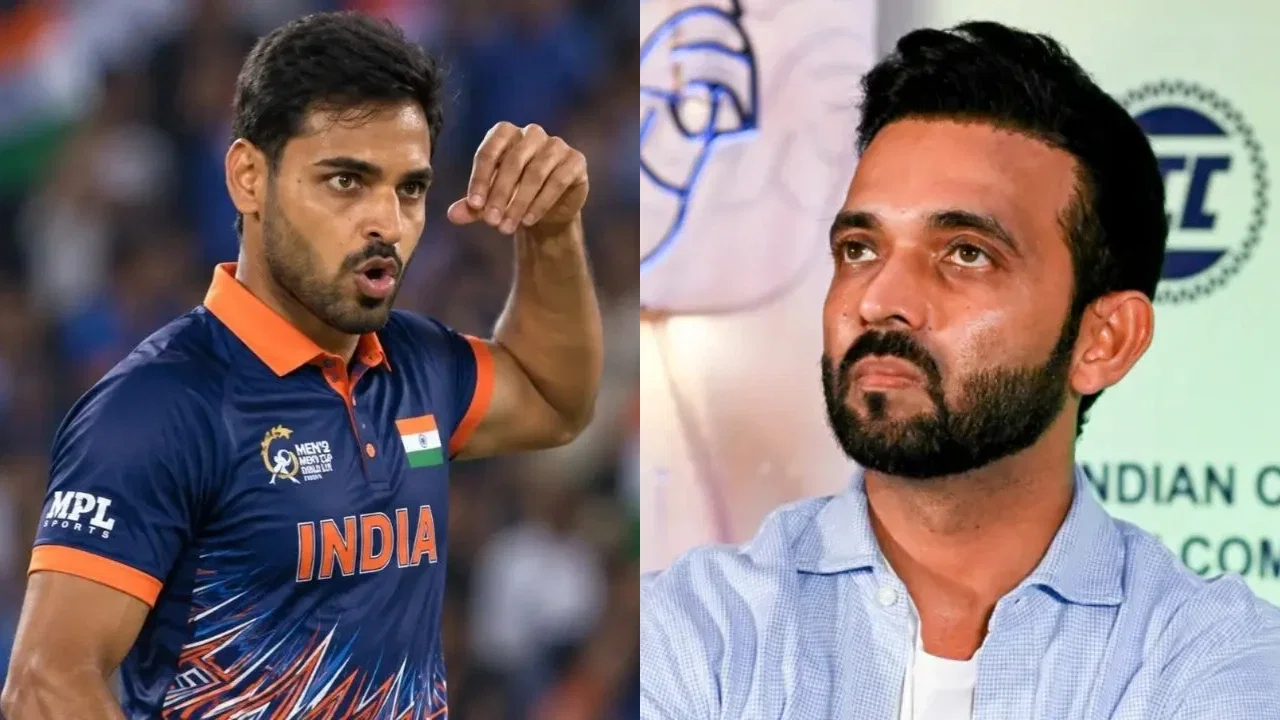
Is Bhuvneshwar Kumar in India’s 2027 World Cup plans? Ajinkya Rahane makes revelation
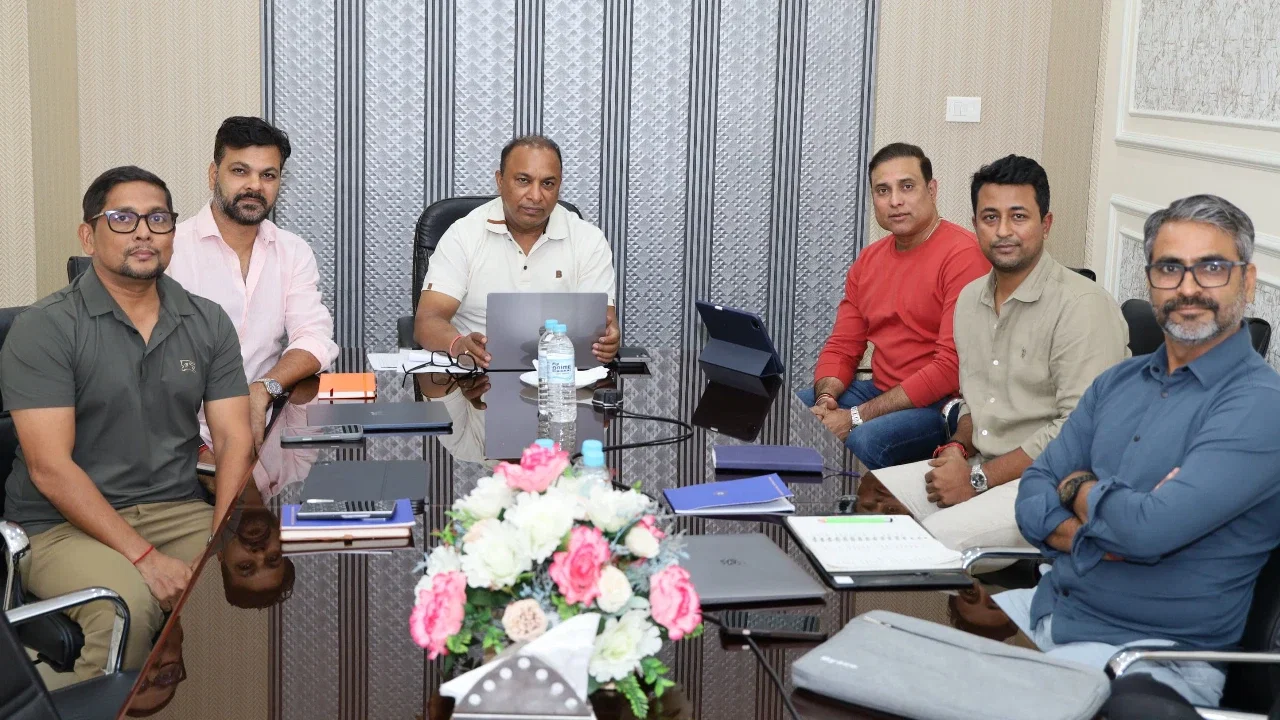
BCCI’s big ₹127 Crore move after injury crisis raises concerns over Team India

Parthiv Patel reveals RCB ignored his Jasprit Bumrah recommendation in IPL 2014 Auction
“Never spoke ill of any faith”: Irfan Pathan hits back at fake news using his name
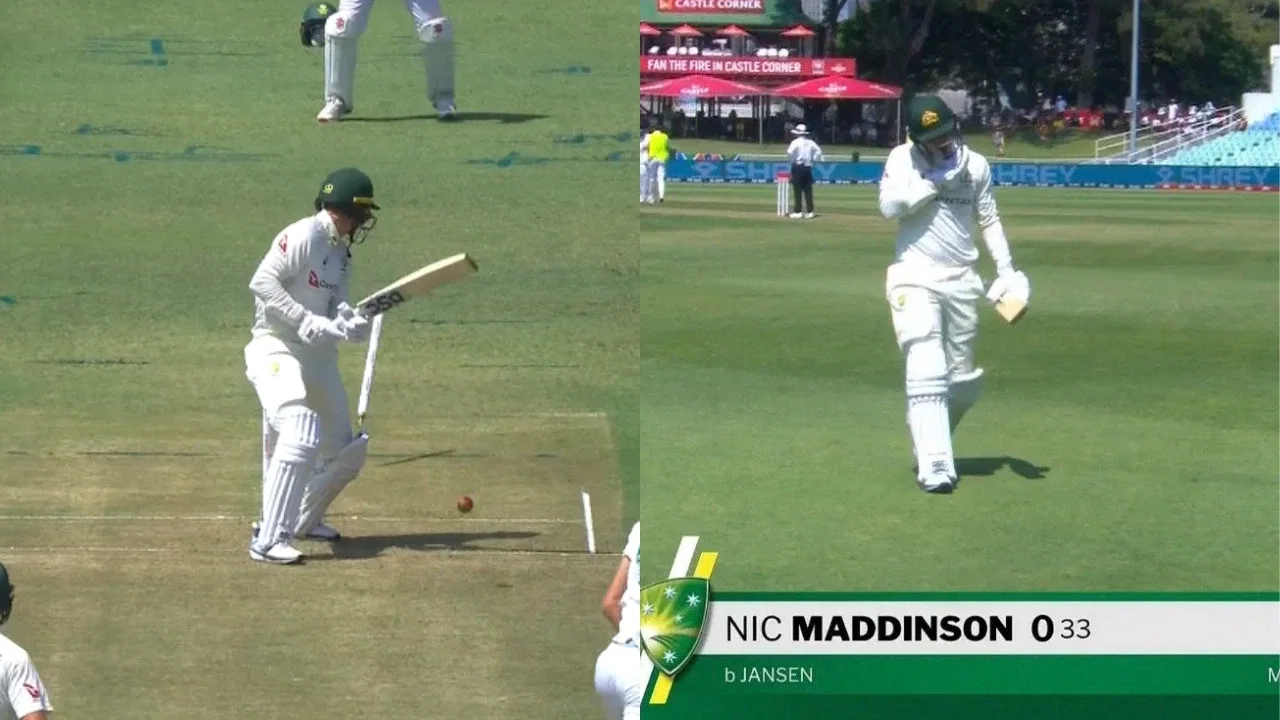
Nic Maddinson bags 33-ball duck on Test comeback, disappoints George Bailey

Imran Tahir predicts 2027 ICC ODI World Cup Semi-Finalists, snubs India for title
Australia create unwanted history with first all-30-plus Test XI
Ravindra Jadeja returns to Ranji Trophy as Saurashtra announce squad