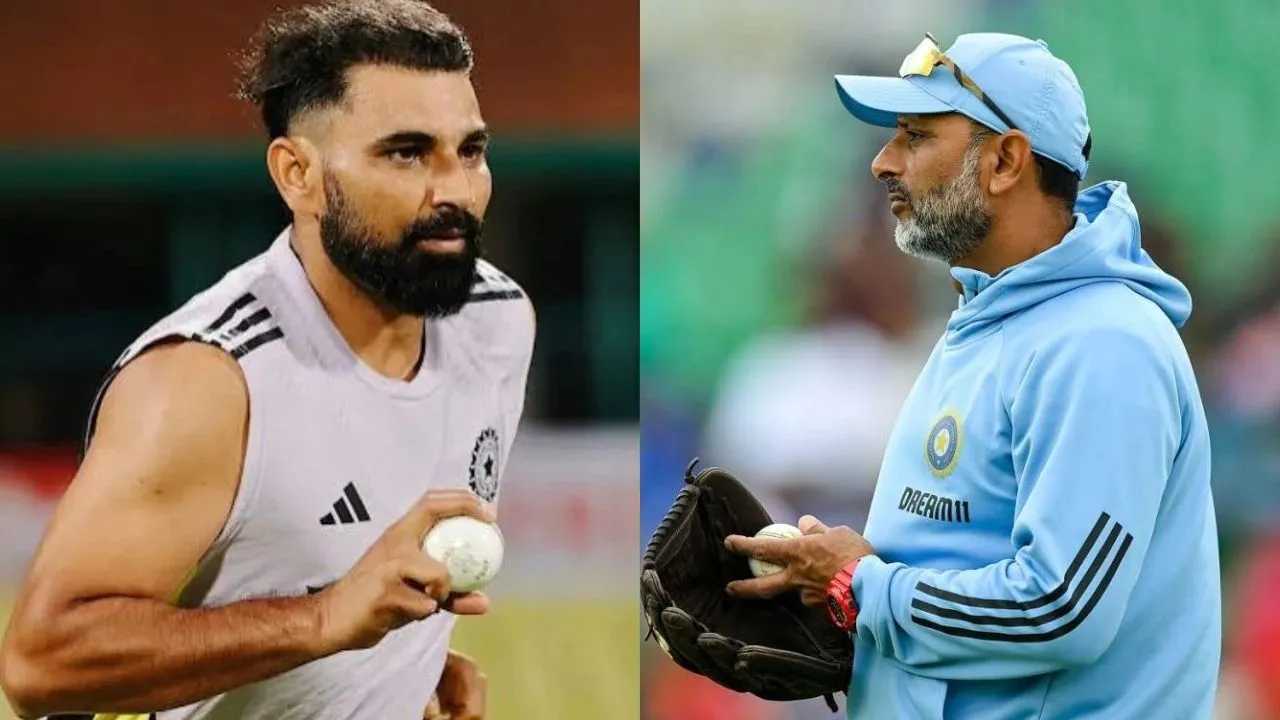
Jasprit Bumrah in crosshairs as Sunil Gavaskar issues notice for ban on ‘workload management’
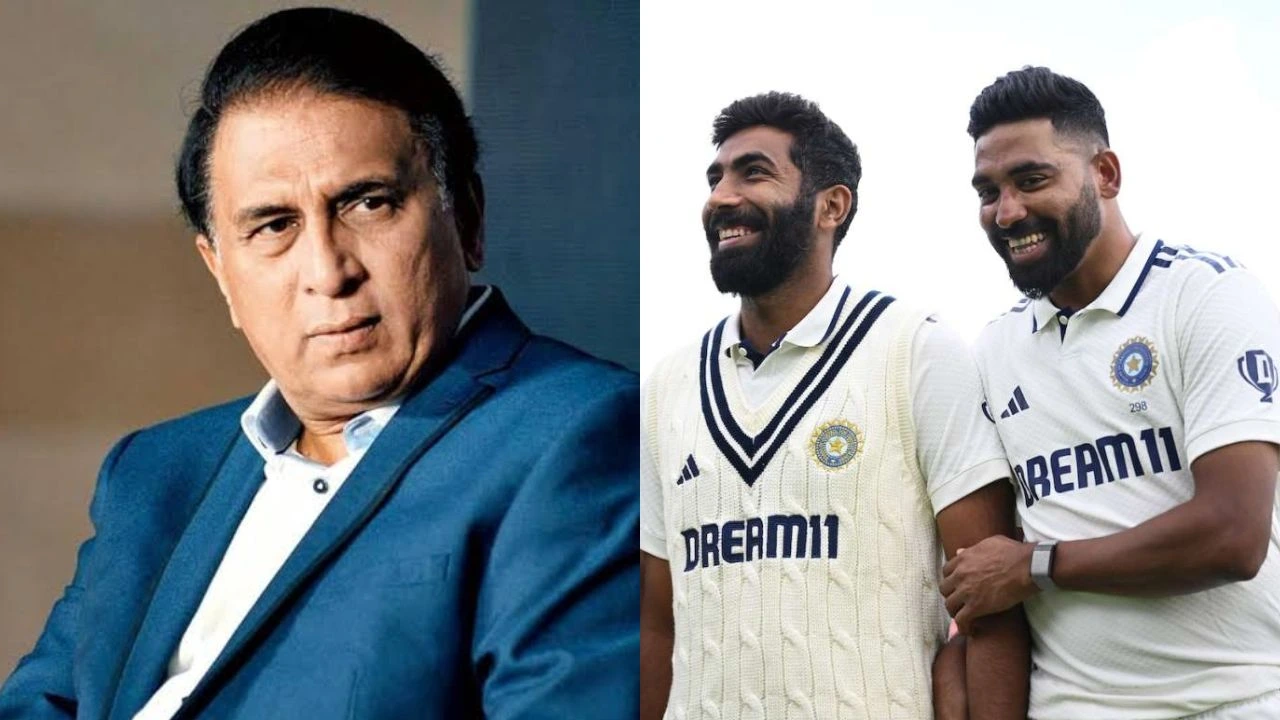
**Sunil Gavaskar Calls for End to Workload Management in Indian Cricket**
Legendary Indian cricketer Sunil Gavaskar has recently made headlines by criticizing the concept of workload management in Indian cricket. In a bold statement, Gavaskar demanded that the term ‘workload management’ be removed from the Indian cricket dictionary, emphasizing the importance of players giving their all for the country.
**Mohammed Siraj’s Stellar Performance in Anderson-Tendulkar Trophy 2025**
Gavaskar specifically pointed out the exceptional performance of premier pacer Mohammed Siraj in the Anderson-Tendulkar Trophy 2025. Despite the absence of pace spearhead Jasprit Bumrah due to workload management, Siraj stepped up and played a pivotal role in helping India draw the series 2-2.
**Siraj’s Incredible Bowling Display**
Throughout the series, Siraj showcased his talent and dedication by consistently delivering impressive performances. He bowled a total of 1113 balls (185.3 overs) and claimed 23 wickets, earning praise from cricket fans and experts alike.
**Gavaskar’s Critique of Workload Management**
During an interaction on India Today, Gavaskar commended Siraj for his unwavering commitment to the team and questioned the relevance of workload management in cricket. He emphasized that representing the country should take precedence over concerns about physical strain.
**A Call to Prioritize National Duty**
Gavaskar urged players to prioritize their national duty and emulate the dedication of soldiers who sacrifice for their country without complaint. He highlighted the example of Rishabh Pant, who played with a fracture, as a testament to the spirit of representing India on the cricket field.
**Balancing Injury Concerns with National Duty**
While acknowledging the importance of managing injuries, Gavaskar differentiated between injury issues and workload management. He noted that while injuries must be taken into consideration, players should be prepared to give their best for the country, especially in overseas series where the team’s balance can be affected.
**Recognition of Bumrah’s Talent**
Gavaskar also acknowledged Jasprit Bumrah’s talent and contributions to the team, despite missing matches due to injury concerns. He emphasized Bumrah’s skill as a bowler and the need to appreciate the efforts of all players in representing India on the international stage.
**Conclusion**
In conclusion, Sunil Gavaskar’s comments have sparked a debate on the topic of workload management in Indian cricket. His call to prioritize national duty and give one’s best for the country resonates with fans and players alike. As the cricketing world continues to evolve, Gavaskar’s words serve as a reminder of the honor and responsibility that come with representing India on the global stage.
Impact of Gavaskar’s Statements on Indian Cricket Culture
Sunil Gavaskar’s remarks have reignited discussions around the traditional values of Indian cricket and the expectations placed on players representing the nation. His stance against workload management signals a shift towards a more old-school mentality that prioritizes commitment and sacrifice for the team above all else.
In a cricketing landscape increasingly dominated by T20 leagues and franchise cricket, Gavaskar’s call to focus on national duty harks back to a time when playing for India was considered the highest honor for any cricketer. By highlighting the sacrifices made by soldiers for their country, Gavaskar emphasizes the need for players to embody a similar level of dedication and selflessness on the cricket field.
Workload Management vs. Player Performance
The debate sparked by Gavaskar’s comments raises important questions about the balance between workload management and player performance in modern cricket. While it is crucial to protect athletes from burnout and injuries, there is a fine line between responsible player management and potentially hindering the team’s chances of success.
Gavaskar’s critique challenges the notion that resting players for workload management purposes always results in improved performance in the long run. The stellar performance of Mohammed Siraj in the Anderson-Tendulkar Trophy serves as a compelling argument for allowing players to showcase their skills and contribute to the team’s success without being sidelined due to workload concerns.
Redefining Player Prioritization and Team Balance
Gavaskar’s emphasis on national duty and the importance of players giving their all for India raises questions about how player prioritization should be approached in the context of team dynamics and performance. While individual player welfare is essential, Gavaskar’s stance highlights the need for a balance between managing injuries and ensuring that the best players are available to represent the country in critical matches.
The example of Jasprit Bumrah’s absence due to injury concerns underscores the delicate balance between protecting players and maintaining the team’s competitive edge. Gavaskar’s recognition of Bumrah’s talents and contributions despite missing matches serves as a reminder of the challenges faced by team management in balancing player workload and team performance.
Continuing the Conversation on Workload Management
Sunil Gavaskar’s call to end workload management in Indian cricket has opened up a crucial conversation about the values, priorities, and challenges facing modern-day cricketers. As the game continues to evolve, finding the right balance between player welfare, team performance, and national duty will remain a complex and ongoing process.
Gavaskar’s passionate plea for players to give their all for India serves as a poignant reminder of the inherent pride and responsibility that come with representing the country on the cricket field. Moving forward, the cricketing community will need to navigate the nuances of workload management while upholding the spirit of commitment and sacrifice that have defined Indian cricket for generations.
Latest News
Top 10 highest run-chases in T20 cricket history, ft. West Indies’ Ranchi win vs India
Aaryavir Sehwag and Anvay Dravid set to make headlines at U19 Asia Cup 2026
Longest ducks in Test cricket history ft. Nic Maddinson, Shoaib Akhtar
ECB to offer 39 central contracts to England players after Ben Stokes, Mark Wood’s retirement
Steve Smith surpasses Steve Waugh in all-time Test run-scorers’ list

Shane Watson identifies Gautam Gambhir’s biggest problem as India struggle for consistency
Is Bhuvneshwar Kumar in India’s 2027 World Cup plans? Ajinkya Rahane makes revelation
BCCI’s big ₹127 Crore move after injury crisis raises concerns over Team India

Parthiv Patel reveals RCB ignored his Jasprit Bumrah recommendation in IPL 2014 Auction
“Never spoke ill of any faith”: Irfan Pathan hits back at fake news using his name
Nic Maddinson bags 33-ball duck on Test comeback, disappoints George Bailey

Imran Tahir predicts 2027 ICC ODI World Cup Semi-Finalists, snubs India for title
Australia create unwanted history with first all-30-plus Test XI
Ravindra Jadeja returns to Ranji Trophy as Saurashtra announce squad