Jasprit Bumrah shown brutal Mohammed Siraj mirror by India’s Great asset vs Pakistan

Former India All-Rounder Raises Concerns About Jasprit Bumrah’s Workload Management
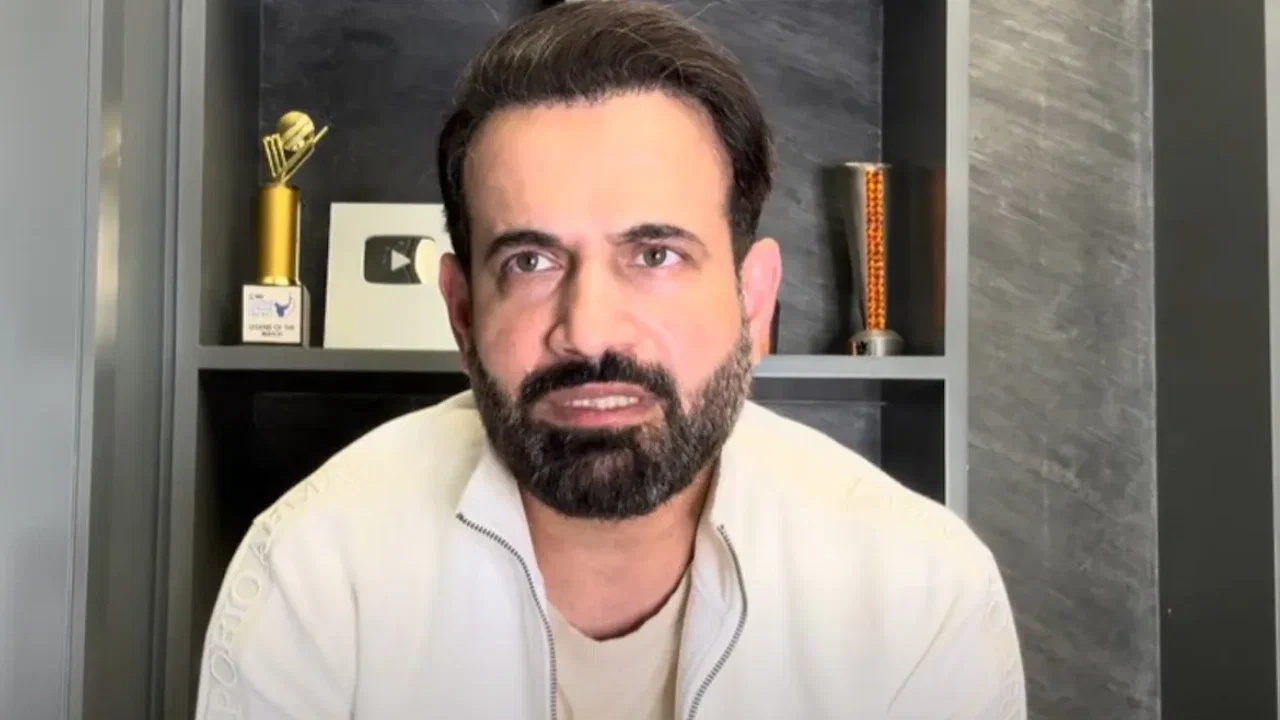
Former India all-rounder Irfan Pathan recently highlighted concerns regarding ace pacer Jasprit Bumrah’s workload management during the Anderson-Tendulkar Trophy 2025 against England. Pathan expressed his worries about Bumrah only playing three out of the five Tests, while other bowlers like Mohammed Siraj, who played all five Tests and emerged as the leading wicket-taker, shouldered a heavier workload.
Team India’s Performance in the Series
Despite the absence of senior players like Virat Kohli and Rohit Sharma, Team India managed to draw the five-match series 2-2. Skipper Shubman Gill led from the front with an impressive 754 runs, while KL Rahul and Ravindra Jadeja also contributed with over 500 runs each. Mohammed Siraj stood out as the leading wicket-taker with 23 wickets at an average of 32.43.
Jasprit Bumrah’s Limited Participation
Bumrah, who missed India’s Champions Trophy earlier in the year due to injury, returned to the Test side in England but only featured in three out of the five Tests as part of a workload management plan. Despite his limited appearances, Bumrah managed to take 14 wickets at an average of 26.00, including two five-wicket hauls. Interestingly, India lost both matches where Bumrah took five-wicket hauls, while the two Tests he missed ended in wins.
Irfan Pathan’s Views on Workload Management
Pathan emphasized the importance of recovery protocols for fast bowlers but also stressed the need for players to give their best on the field without worrying about workload management. According to Pathan, once a player steps onto the field wearing the Indian jersey, the focus should solely be on winning the battle against the opposition.
Pathan’s remarks on workload management were not specific to Bumrah but applied to all players. He highlighted Mohammed Siraj’s workload during the final Test at The Oval, where Siraj bowled over 140 km/h on the last day. Pathan’s message was clear – regardless of the player or their workload, once they step onto the field, they should give it their all.
Jasprit Bumrah’s Unique Bowling Style
Despite concerns raised about Bumrah’s workload management, it is essential to acknowledge his unique bowling style and body that require careful fitness management. Bumrah’s exceptional performance on the field is a testament to his abilities, as he boasts the best average among Test bowlers with over 200 wickets, solidifying his position as one of India’s greatest fast bowlers.
Overall, the discussion around workload management in cricket continues to evolve, with former players like Irfan Pathan shedding light on the importance of balancing recovery, fitness, and on-field performance for players at the highest level of the sport.
Impact of Bumrah’s Workload Management on Team India
While Bumrah’s limited participation in the Anderson-Tendulkar Trophy raised concerns about workload management, it is imperative to analyze how it affected Team India’s performance as a whole. Bumrah’s absence from two crucial Tests coincided with India’s victories, prompting questions about the team’s dependency on the star pacer. This scenario underscores the delicate balance between managing a player’s workload and ensuring team success.
One could argue that Bumrah’s strategic rest could have been a contributing factor to India’s victories in the Tests he missed. It allowed other bowlers like Mohammed Siraj and Shardul Thakur to step up and deliver match-winning performances, showcasing the depth and resilience of India’s bowling attack. This situation highlights the team’s adaptability and the importance of having a well-rounded squad capable of filling in for key players when needed.
Long-term Benefits of Workload Management
Looking beyond the immediate concerns raised by Irfan Pathan, it is crucial to consider the long-term benefits of effective workload management for players like Jasprit Bumrah. By carefully monitoring and controlling his playing time, the team management can ensure Bumrah’s longevity and sustained performance over the course of his career. This approach is vital in preserving Bumrah’s physical and mental well-being, ultimately benefiting both the player and the team in the long run.
Moreover, proper workload management can prevent burnout and injuries, common occurrences among fast bowlers in the rigorous sport of cricket. By striking a balance between rest and play, players like Bumrah can maintain peak performance levels and continue to excel on the international stage for years to come. This proactive approach not only safeguards the players’ health but also enhances their overall effectiveness on the field.
Future Strategies for Workload Management
As cricket continues to evolve with packed schedules and demanding formats, the onus is on teams and players to devise effective strategies for workload management. This includes implementing rotation policies, employing sports science techniques, and fostering a culture of open communication between players, coaches, and support staff. By proactively addressing workload concerns, teams can optimize player performance and maximize their chances of success in high-stakes competitions.
In the case of Jasprit Bumrah, Team India may need to reassess their workload management approach to ensure that the star pacer remains fresh and effective in all formats of the game. This could involve a more tailored plan that factors in Bumrah’s unique bowling style, physical attributes, and role within the team. By customizing workload management strategies to individual players, teams can achieve a delicate balance between player welfare and on-field success.
Conclusion
In conclusion, the discussion surrounding workload management in cricket is multi-faceted and complex, encompassing considerations of player health, team dynamics, and long-term performance. While concerns may arise regarding the limited participation of players like Jasprit Bumrah, a holistic approach to workload management can yield positive outcomes for both individuals and teams. By striking the right balance between rest and play, teams can nurture talent, prevent injuries, and optimize performance in a highly competitive sporting landscape.
As cricket continues to evolve, the lessons learned from managing players like Bumrah will shape the future of the sport, emphasizing the importance of player well-being alongside on-field success.
Latest News

Top 10 highest run-chases in T20 cricket history, ft. West Indies’ Ranchi win vs India

Aaryavir Sehwag and Anvay Dravid set to make headlines at U19 Asia Cup 2026

Longest ducks in Test cricket history ft. Nic Maddinson, Shoaib Akhtar

ECB to offer 39 central contracts to England players after Ben Stokes, Mark Wood’s retirement

Steve Smith surpasses Steve Waugh in all-time Test run-scorers’ list

Shane Watson identifies Gautam Gambhir’s biggest problem as India struggle for consistency

Is Bhuvneshwar Kumar in India’s 2027 World Cup plans? Ajinkya Rahane makes revelation

BCCI’s big ₹127 Crore move after injury crisis raises concerns over Team India

Parthiv Patel reveals RCB ignored his Jasprit Bumrah recommendation in IPL 2014 Auction
“Never spoke ill of any faith”: Irfan Pathan hits back at fake news using his name

Nic Maddinson bags 33-ball duck on Test comeback, disappoints George Bailey

Imran Tahir predicts 2027 ICC ODI World Cup Semi-Finalists, snubs India for title

Australia create unwanted history with first all-30-plus Test XI
Ravindra Jadeja returns to Ranji Trophy as Saurashtra announce squad