Jay Shah-Sri Lanka controversy explained: What was claimed and denied?
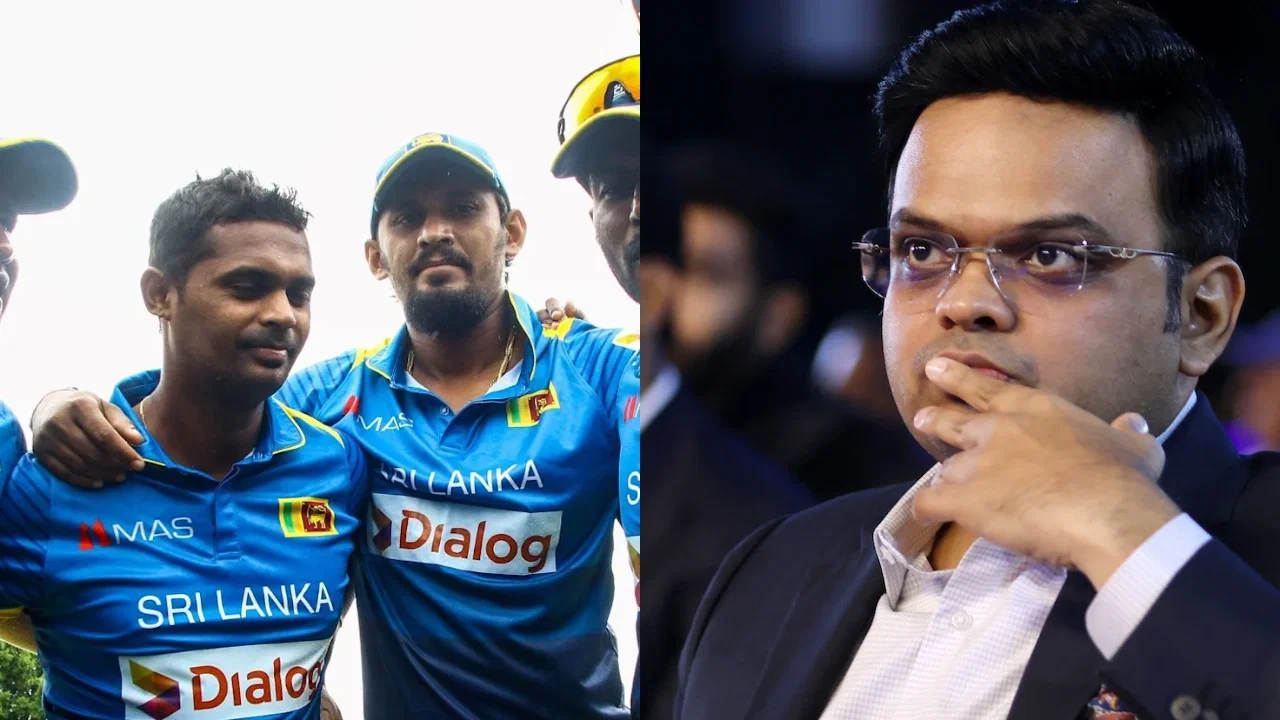
Daily Mirror Report Sparks Controversy Over Sri Lanka Cricket Elections
A recent controversy has erupted in Sri Lanka after reports surfaced alleging that ICC Chairman Jay Shah issued an ultimatum to Sri Lanka regarding the upcoming Sri Lanka Cricket elections. During a meeting with President Anura Kumara Dissanayake, Shah reportedly warned that SLC must hold its executive elections before July 31 or face potential sanctions from the ICC.
Clarification from Sri Lanka’s President’s Media Division
In response to the reports, the President’s Media Division swiftly denied the claims, calling them false and misleading. They clarified that the meeting between President Dissanayake and Jay Shah primarily focused on discussions related to cricket development, infrastructure projects, and future cooperation between the ICC and Sri Lanka.
The PMD emphasized that no ultimatum was issued during the meeting and highlighted that the discussions revolved around grassroots cricket, youth development programs, sports infrastructure, and creating more opportunities for young players across Sri Lanka.
Government’s Efforts Towards Cricket Governance Reforms
Officials from Sri Lanka also informed Jay Shah about the ongoing cricket governance reforms within the country. They explained that constitutional changes are being made to ensure that the next elected body can operate under a stronger and more stable framework. Sri Lanka Cricket shared indicative timelines for the completion of the reform process and the return to governance by a duly elected administration.
The government emphasized the importance of completing the reforms before conducting elections to ensure a smooth transition and effective governance within Sri Lanka Cricket.
Call for Retraction and Correction of Report
In light of the controversy, the Sri Lankan government has called on the Daily Mirror to retract and correct the report in both its print and digital editions. Officials from both sides reiterated that no threats, election deadlines, or possible sanctions were discussed during the meeting between President Dissanayake and Jay Shah.
Jay Shah’s Perspective on the Meeting
Following the reports and the subsequent denials, Jay Shah took to social media to share his perspective on the meeting with President Anura Kumara Dissanayake. He described it as a privilege to discuss the future of cricket in Sri Lanka with a strong emphasis on grassroots development, youth programs, and opportunities for emerging players.
Shah highlighted the importance of increasing opportunities for young players, supporting grassroots initiatives, and leveraging cricket as a vehicle for social impact and economic growth. He also expressed his excitement about working closely with all stakeholders to further strengthen the game and create new opportunities for future generations in Sri Lanka.
In conclusion, the controversy surrounding the alleged ultimatum from Jay Shah to Sri Lanka regarding the upcoming cricket elections has sparked debate and raised questions about the ICC’s involvement in Sri Lanka’s cricket administration. The government’s efforts towards cricket governance reforms and the emphasis on collaboration with the ICC for cricket development indicate a positive direction for the sport in Sri Lanka.
Importance of Transparent Governance in Cricket
Transparent governance is crucial for the sustainability and growth of cricket in any country. The controversy surrounding the Sri Lanka Cricket elections highlights the need for clear communication and accountability within cricket administration. By ensuring that elections are conducted in a fair and transparent manner, Sri Lanka can build trust among players, fans, and stakeholders, ultimately leading to a stronger and more stable cricket ecosystem.
Stakeholder Engagement and Collaboration
Effective stakeholder engagement is essential for the success of any cricket governing body. Collaborating with the ICC, government officials, players, coaches, and fans can help drive positive change and innovation within Sri Lanka Cricket. By involving all relevant parties in decision-making processes and strategic planning, Sri Lanka can create a unified vision for the future of cricket in the country.
Promoting Grassroots Cricket Development
Investing in grassroots cricket development is a key strategy for nurturing young talent and fostering a love for the game from a young age. By focusing on youth programs, coaching initiatives, and infrastructure development at the grassroots level, Sri Lanka can build a strong foundation for the future of cricket in the country. This emphasis on grassroots development can also help address issues of inclusivity, diversity, and accessibility within the sport.
Building a Sustainable Cricket Ecosystem
Creating a sustainable cricket ecosystem involves balancing economic growth with social impact and community development. By leveraging cricket as a tool for positive change, Sri Lanka can not only enhance the sporting landscape but also contribute to broader social and economic objectives. This approach can help maximize the potential of cricket as a driver of growth, unity, and opportunity for individuals and communities across the country.
Looking Ahead: Opportunities for Growth and Innovation
As Sri Lanka continues its efforts towards cricket governance reforms and collaboration with the ICC, there are opportunities for growth, innovation, and transformation in the sport. By embracing new technologies, best practices, and strategic partnerships, Sri Lanka can position itself as a leader in cricket administration and development. This forward-looking approach can pave the way for a bright future for cricket in Sri Lanka, benefiting players, fans, and the broader cricket community.
In conclusion, the controversy surrounding the alleged ultimatum from Jay Shah to Sri Lanka regarding the upcoming cricket elections has sparked debate and raised questions about the ICC’s involvement in Sri Lanka’s cricket administration. The government’s efforts towards cricket governance reforms and the emphasis on collaboration with the ICC for cricket development indicate a positive direction for the sport in Sri Lanka.
Latest News
Top 10 highest run-chases in T20 cricket history, ft. West Indies’ Ranchi win vs India
Aaryavir Sehwag and Anvay Dravid set to make headlines at U19 Asia Cup 2026
Longest ducks in Test cricket history ft. Nic Maddinson, Shoaib Akhtar
ECB to offer 39 central contracts to England players after Ben Stokes, Mark Wood’s retirement
Steve Smith surpasses Steve Waugh in all-time Test run-scorers’ list

Shane Watson identifies Gautam Gambhir’s biggest problem as India struggle for consistency
Is Bhuvneshwar Kumar in India’s 2027 World Cup plans? Ajinkya Rahane makes revelation
BCCI’s big ₹127 Crore move after injury crisis raises concerns over Team India
Parthiv Patel reveals RCB ignored his Jasprit Bumrah recommendation in IPL 2014 Auction
“Never spoke ill of any faith”: Irfan Pathan hits back at fake news using his name
Nic Maddinson bags 33-ball duck on Test comeback, disappoints George Bailey
Imran Tahir predicts 2027 ICC ODI World Cup Semi-Finalists, snubs India for title
Australia create unwanted history with first all-30-plus Test XI
Ravindra Jadeja returns to Ranji Trophy as Saurashtra announce squad