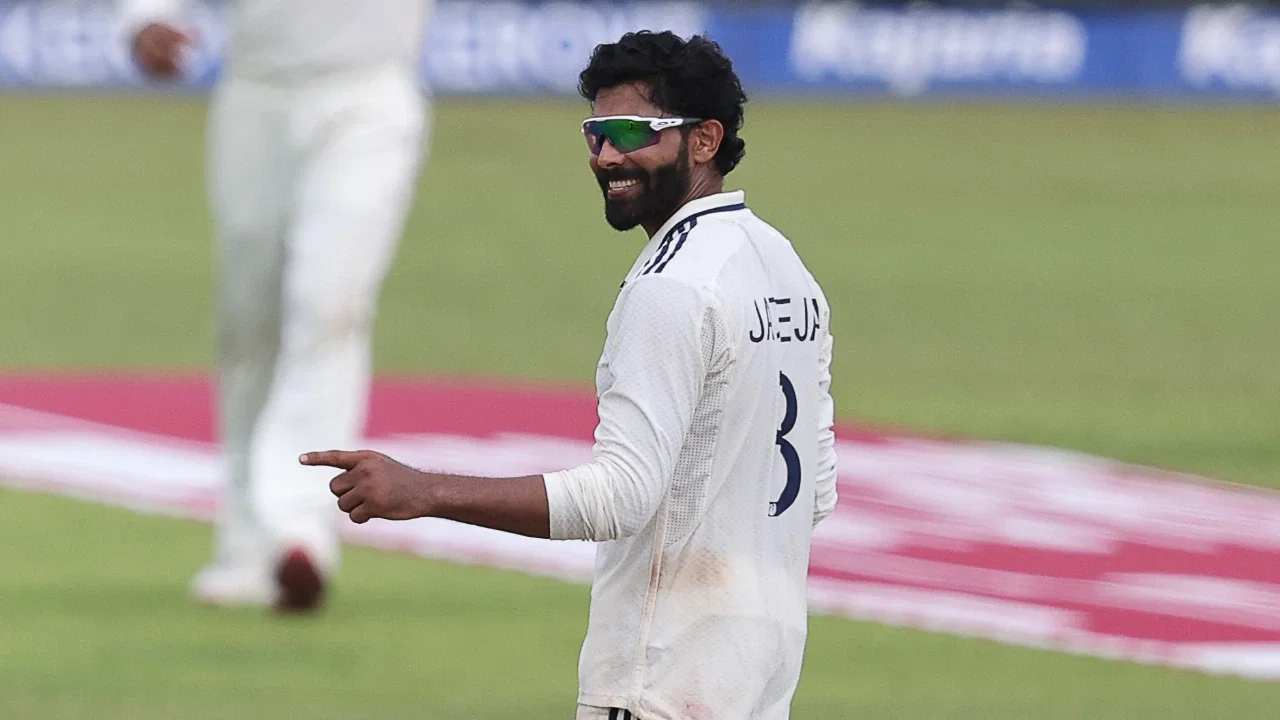
Jay Shah to decide Mohsin Naqvi’s future as BCCI switches the RED SIGNAL for Asia Cup trophy
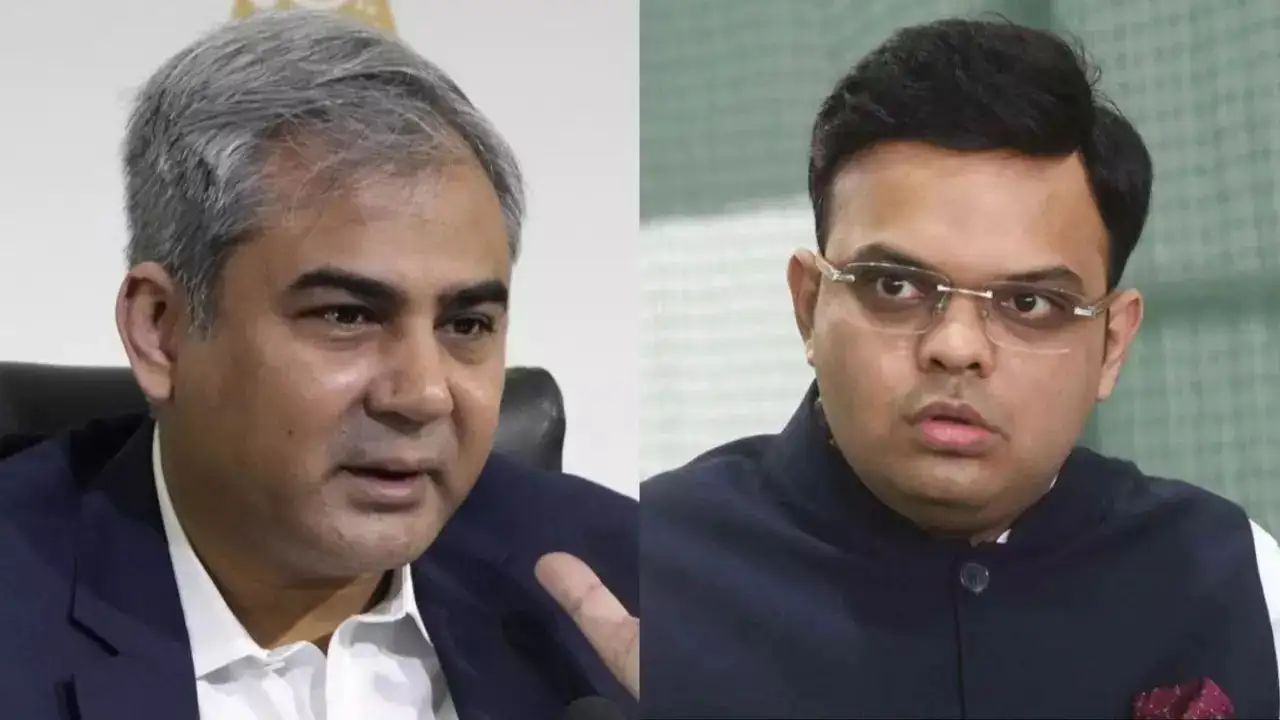
India Demands Return of Asia Cup Trophy Amid Dispute with ACC
The Board of Control for Cricket in India (BCCI) has taken its dispute with the Asian Cricket Council (ACC) to the next level by formally demanding the return of the Asia Cup trophy. The controversy stems from India’s victory over Pakistan in the summit clash on September 28 during the 2025 T20 Asia Cup.
Political and Diplomatic Tensions Cloud Tournament
The 2025 T20 Asia Cup was marked by political and diplomatic tensions between India and Pakistan, following the Pahalgam terror attack in April. In response, India launched Operation Sindoor to target terrorists in Pakistan and Pakistan-Occupied Kashmir (POK). The on-field exchanges and official protests during the tournament in the UAE further intensified the strained relations between the two nations.
Formal Ceremony Dispute Escalates
The ACC, under the direction of its Pakistani president Mohsin Naqvi, responded to BCCI’s demand by stating that the Asia Cup trophy could only be handed over to an Indian representative during a formal ceremony. With both parties unwilling to back down, the dispute is now expected to be taken to the International Cricket Council. A board meeting is scheduled to take place in Dubai in early November to address the issue.
BCCI secretary, Devajit Saikia, expressed disappointment over the situation, calling it “very unfortunate and unsporting.” He emphasized that India hopes to receive the trophy and medals as soon as possible and intends to lodge a serious complaint against the ACC chairperson at the upcoming ICC meeting.
India-Pakistan Tensions Boil Over at ACC Meeting
The ongoing dispute over the Asia Cup trophy led to heightened tensions between India and Pakistan during a recent ACC meeting on September 30. BCCI representatives Ashish Shelar and Rajeev Shukla confronted ACC chief Mohsin Naqvi, but a resolution seemed unlikely given Naqvi’s position within the council.
Despite backing from Sri Lanka and Afghanistan, India’s stance on not engaging with Pakistani players and officials remained firm throughout the tournament. The PCB even requested the removal of ICC match referee Andy Pycroft, citing instructions allegedly given to Pakistan captain Salman Ali Agha not to shake hands with India’s Suryakumar Yadav during the toss.
Rivalry Overshadows On-Field Action
The intensity of the India-Pakistan rivalry spilled onto the field during multiple clashes throughout the Asia Cup. Provocative gestures, statements, and on-field exchanges between players led to disciplinary actions from the ICC. Despite the off-field controversies, India emerged victorious in the final against Pakistan, securing the championship amidst ongoing tensions.
As the dispute over the Asia Cup trophy continues to unfold, cricket fans around the world are eagerly awaiting a resolution to the escalating tensions between India and Pakistan in the realm of cricket.
ACC’s Response and Justification
Following the BCCI’s demand for the return of the Asia Cup trophy, the ACC has stood by its decision to only hand over the trophy during a formal ceremony. ACC president Mohsin Naqvi defended this stance by citing protocol and the need for a proper handover process. Naqvi emphasized the importance of upholding the traditions and regulations of the tournament despite the ongoing dispute.
While the ACC’s position may seem rigid to some, it highlights the organization’s commitment to maintaining a structured and official approach to resolving conflicts within the realm of cricket. By adhering to established protocols, the ACC aims to ensure that disputes are handled in a fair and transparent manner, regardless of the political tensions surrounding the tournament.
Impact on Future Cricketing Relations
The prolonged dispute between the BCCI and the ACC over the Asia Cup trophy has raised concerns about the impact on future cricketing relations in the region. The India-Pakistan rivalry is a significant draw for cricket fans worldwide, but when political tensions spill over into the sporting arena, it can create challenges for the administration of the game.
As cricketing boards navigate the delicate balance between sportsmanship and geopolitical issues, there is a growing need for proactive measures to prevent such disputes from overshadowing the essence of the sport. The outcome of the conflict resolution process between the BCCI and the ACC will likely set a precedent for how future disagreements are handled within the cricketing community.
Role of International Cricket Council (ICC)
With the dispute between the BCCI and the ACC reaching an impasse, all eyes are now on the International Cricket Council (ICC) to intervene and facilitate a resolution. As the global governing body for cricket, the ICC plays a crucial role in overseeing disputes between member boards and ensuring the integrity of the sport is upheld.
The upcoming board meeting in Dubai presents an opportunity for the ICC to mediate discussions between the BCCI and the ACC and find a mutually acceptable solution. By leveraging its authority and influence, the ICC can help de-escalate tensions, preserve the sanctity of the Asia Cup tournament, and promote a spirit of sportsmanship among member nations.
Restoring Trust and Sportsmanship
At the heart of the dispute over the Asia Cup trophy lies a fundamental question of trust and sportsmanship between the BCCI and the ACC. As two key stakeholders in the cricketing landscape, both organizations have a responsibility to uphold the values of fair play, respect, and integrity that define the spirit of the game.
By finding a way to resolve their differences amicably and with mutual respect, the BCCI and the ACC can demonstrate their commitment to preserving the essence of cricket amidst external pressures and political influences. Restoring trust and promoting sportsmanship will not only benefit the immediate dispute but also set a positive example for cricketing relations moving forward.
Looking Ahead: Lessons Learned
As the saga of the Asia Cup trophy dispute unfolds, the cricketing community can glean valuable lessons from this episode. It serves as a reminder of the intricate interplay between sports, politics, and diplomacy and the need for robust mechanisms to address conflicts within the realm of cricket.
Moving forward, stakeholders in the cricketing world can use this incident as a catalyst for developing stronger communication channels, conflict resolution mechanisms, and crisis management protocols. By learning from the past and proactively addressing potential sources of tension, the cricketing community can ensure that the spirit of the game remains unblemished despite external pressures.
Ultimately, the resolution of the Asia Cup trophy dispute will not only determine the fate of a coveted cricketing prize but also shape the future of cricketing relations in the region and beyond.
Latest News

New Zealand suffer blow as William O’Rourke misses India ODIs and Tests

Top 10 highest run-chases in T20 cricket history, ft. West Indies’ Ranchi win vs India

Aaryavir Sehwag and Anvay Dravid set to make headlines at U19 Asia Cup 2026

Longest ducks in Test cricket history ft. Nic Maddinson, Shoaib Akhtar

ECB to offer 39 central contracts to England players after Ben Stokes, Mark Wood’s retirement

Steve Smith surpasses Steve Waugh in all-time Test run-scorers’ list

Shane Watson identifies Gautam Gambhir’s biggest problem as India struggle for consistency
Is Bhuvneshwar Kumar in India’s 2027 World Cup plans? Ajinkya Rahane makes revelation

BCCI’s big ₹127 Crore move after injury crisis raises concerns over Team India

Parthiv Patel reveals RCB ignored his Jasprit Bumrah recommendation in IPL 2014 Auction
“Never spoke ill of any faith”: Irfan Pathan hits back at fake news using his name
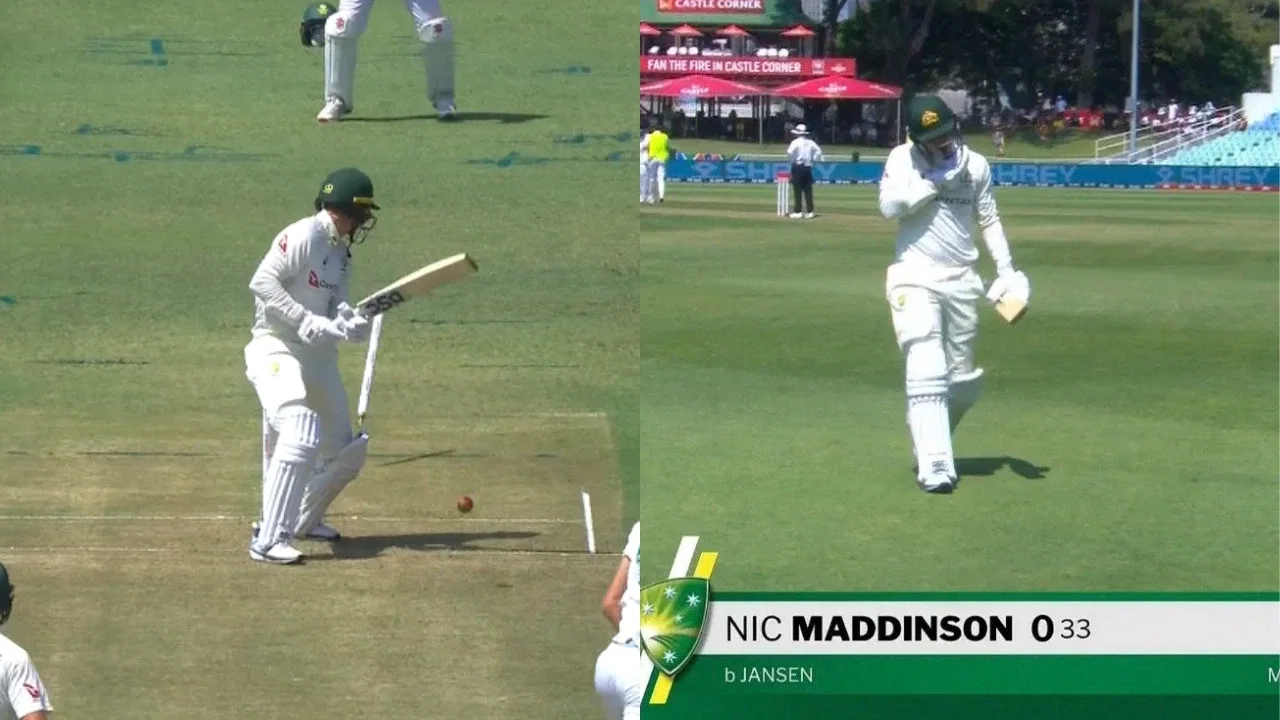
Nic Maddinson bags 33-ball duck on Test comeback, disappoints George Bailey

Imran Tahir predicts 2027 ICC ODI World Cup Semi-Finalists, snubs India for title
Australia create unwanted history with first all-30-plus Test XI