

Jitesh Sharma brutally humiliates Pakistan captain in Asia Cup as India continue no-handshake policy
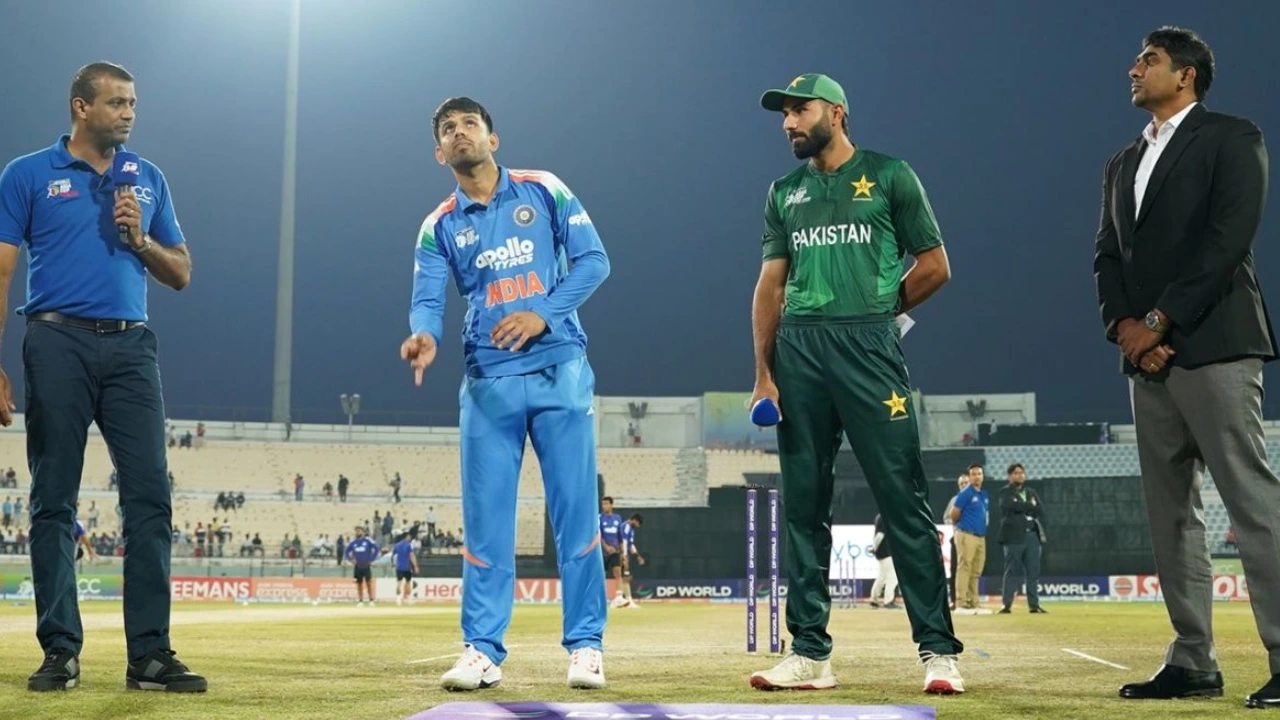
India Captain Jitesh Sharma Snubs Handshake, Sparks Tension at Asia Cup Rising Stars 2025
India Captain Jitesh Sharma made headlines during the Asia Cup Rising Stars 2025 clash against Pakistan Shaheens in Doha on November 16. The match was not just about cricket but also marked a significant moment of tension between the two teams.
Avoiding the Handshake
Jitesh Sharma continued India’s no-handshake stance by walking away from Irfan Khan, the captain of Pakistan Shaheens, without shaking hands at the toss. This gesture set the tone for the match, hinting at the underlying tension between the two teams.
During the anthem ceremony and after the match, both teams refrained from the usual greetings, maintaining a distance. This decision was in line with the no-handshake policy that began in the wake of the Pahalgam terror attack earlier this year in Kashmir.
Fiery On-Field Actions
The refusal of the handshake seemed to fuel the Pakistani players with extra aggression on the field. Throughout the match, they displayed unusual intensity, celebrating wickets with fervor and exuding a sense of personal vendetta against India.
One notable incident involved Pakistani spinner Saad Masood, who delivered a fiery send-off to Naman Dhir after taking his wicket. The gesture was a clear indication of the heightened emotions and competitive spirit that defined the game.
One-Sided Victory for Pakistan Shaheens
Despite India A’s confidence coming into the match after a convincing win against the UAE, Pakistan Shaheens dominated the Group B contest, securing an impressive eight-wicket victory. Pakistan’s spinners stifled the Indian batting lineup, leading to a collapse and restricting them to a mere 136 runs.
On the chase, Maaz Sadaqat’s all-round performance was instrumental in Pakistan’s victory. Sadaqat not only took crucial wickets but also played an unbeaten knock of 79, guiding his team to a comfortable win with 40 balls to spare. The result sealed Pakistan Shaheens’ spot in the semifinals of the Asia Cup Rising Stars 2025.
Continuing the Legacy
The no-handshake stance adopted by Jitesh Sharma and the India A team follows a trend set by the senior Indian cricket team and the women’s team during recent tournaments. The message of solidarity with the victims of tragic events like the Pahalgam terror attack remains a priority for Indian cricket.
As the Asia Cup Rising Stars 2025 progresses, the rivalry between India and Pakistan continues to intensify, fueled by both on-field performances and off-field gestures. The clash between the two cricketing powerhouses goes beyond sport, reflecting historical tensions and the passion that surrounds the game in the subcontinent.
Impact of India’s No-Handshake Policy
The decision of India Captain Jitesh Sharma to avoid the handshake with the Pakistan Shaheens captain has sparked debates and discussions both within the cricketing community and among fans. The no-handshake policy, which originated as a response to the Pahalgam terror attack, has become a symbol of solidarity and protest against acts of violence.
While some view the no-handshake stance as a powerful statement that transcends the boundaries of sport, others criticize it for potentially escalating tensions and undermining the spirit of sportsmanship. The debate surrounding the gesture adds an extra layer of complexity to the already intense rivalry between India and Pakistan on the cricket field.
The Psychology of Pre-Match Rituals
Pre-match rituals, such as the handshake at the toss, play a significant role in setting the tone for a game. These rituals are not just symbolic gestures but can also impact the psychological mindset of players. By snubbing the handshake, Jitesh Sharma may have intended to assert his team’s dominance and unsettle the opposition.
The psychological aspect of sports is often overlooked but can have a profound influence on performance. The tension created by the no-handshake incident could have contributed to the heightened emotions and aggressive play displayed by both teams during the match.
Looking Ahead: The Future of India-Pakistan Rivalry
As the Asia Cup Rising Stars 2025 unfolds, the rivalry between India and Pakistan is poised to reach new heights. The intense competition on the field, combined with the off-field tensions and gestures, sets the stage for thrilling encounters and dramatic moments.
While cricket is a sport that unites nations and fans worldwide, the India-Pakistan rivalry stands out for its historical significance and the passion it evokes. As both teams continue to push the boundaries of performance and sportsmanship, the cricketing world eagerly anticipates the next chapter in this enduring rivalry.
Global Implications of India-Pakistan Matches
Matches between India and Pakistan have far-reaching implications beyond the cricket field. These contests attract global attention, showcasing the intense rivalry and cultural significance of the sport in the subcontinent. The emotional investment of fans, the political undertones, and the historical context all contribute to making India-Pakistan matches some of the most anticipated and talked-about events in the world of cricket.
As cricket continues to grow as a global sport, the India-Pakistan rivalry remains a cornerstone of its appeal, drawing in audiences from diverse backgrounds and regions. The competitive spirit, drama, and unpredictability of these matches make them must-watch events for cricket enthusiasts around the world.
By delving into the psychological impact of pre-match rituals, exploring the ongoing debate surrounding the no-handshake policy, and highlighting the global significance of India-Pakistan matches, this expanded content provides a comprehensive look at the complexities and dynamics of one of cricket’s most storied rivalries.
Latest News
Zimbabwe announce ODI, T20I squads for UAE tour; Sikandar Raza to lead
Essex part ways with Robin Das after his court appearance over rape charges

Michael Hussey set to join new IPL team after leaving CSK
AB de Villiers picks Virat Kohli, Rohit Sharma, MS Dhoni for perfect ODI batter
Gautam Gambhir issues warning over flat pitches, says ‘bowlers’ careers are at stake’
Ireland announce Namibia, Zimbabwe tour squads as they prepare for World Cup Qualifier
India vs Sri Lanka 1st ODI shifted from Delhi to Ahmedabad
BCCI invites all stakeholders for high-profile meeting ahead of IPL 2027
New Zealand suffer blow as William O’Rourke misses India ODIs and Tests

Top 10 highest run-chases in T20 cricket history, ft. West Indies’ Ranchi win vs India

Aaryavir Sehwag and Anvay Dravid set to make headlines at U19 Asia Cup 2026

Longest ducks in Test cricket history ft. Nic Maddinson, Shoaib Akhtar

ECB to offer 39 central contracts to England players after Ben Stokes, Mark Wood’s retirement

Steve Smith surpasses Steve Waugh in all-time Test run-scorers’ list


