Justin Langer links Steve Smith, David Warner’s ball-tampering ban to decline of reverse swing in cricket
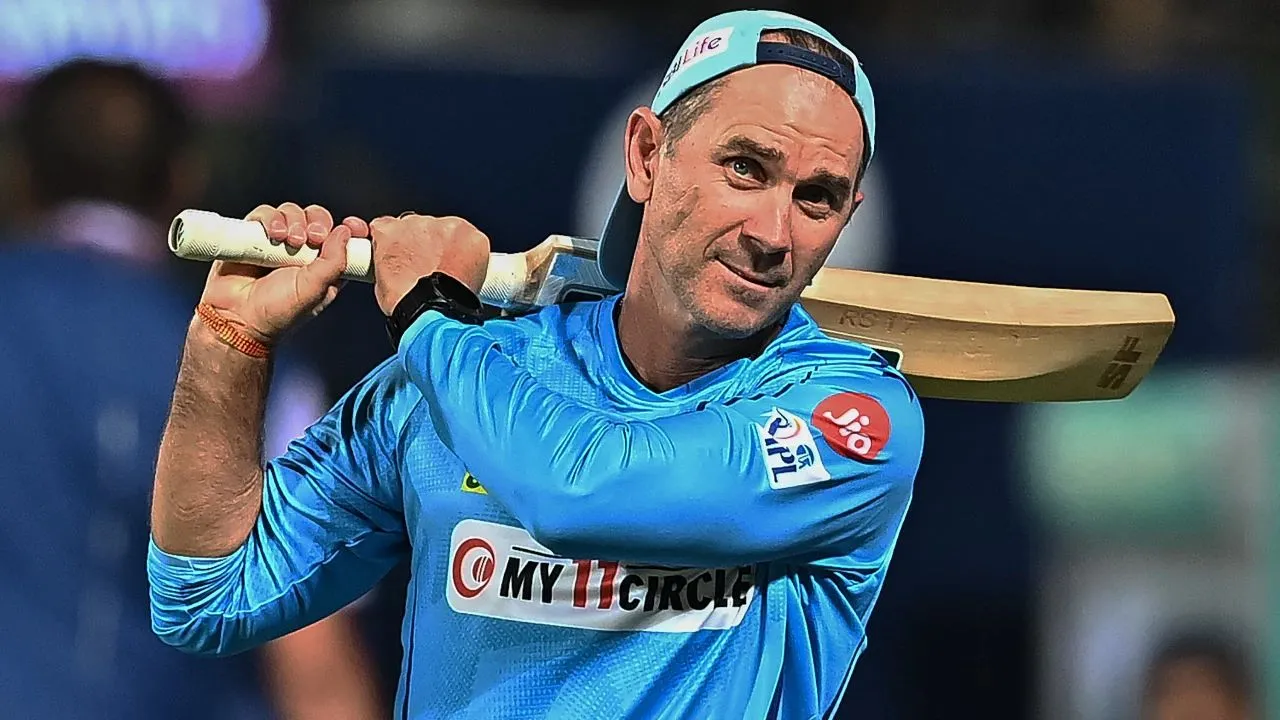
Justin Langer Says Sandpapergate Punishments Changed Cricket’s Approach to Reverse Swing
Former Australia coach Justin Langer believes Steve Smith, David Warner and Cameron Bancroft bore consequences that extended beyond the Australian team after the 2018 ball-tampering scandal. In his view, the bans imposed on the three players changed how teams around the world handled the ball—and may have made players more cautious about pursuing reverse swing.
Langer’s comments have returned the infamous Cape Town incident to the conversation as reverse swing has again featured in Australia’s Test cricket. Josh Hazlewood’s impact against South Africa in Durban offered a reminder of how much an older ball can trouble batters when conditions and skill align. The debate now extends beyond one scandal: it touches on the fine line between legitimate ball management and deliberate interference.
What Happened in the 2018 Sandpapergate Scandal?
The controversy erupted on March 24, 2018, during the third Test between Australia and South Africa at Newlands in Cape Town. Broadcast footage showed Bancroft attempting to alter the ball’s surface with a piece of sandpaper, apparently to help Australia generate reverse swing. The images quickly spread around the world, turning a Test match into one of cricket’s most damaging integrity crises.
Cricket Australia’s subsequent investigation found that Warner had devised the plan and instructed Bancroft, while captain Smith knew about it but did not stop it. The incident became even more troubling when Bancroft was seen trying to conceal the object. He later showed the umpires a sunglasses pouch, while coach Darren Lehmann used the team’s communication system to alert substitute fielder Peter Handscomb, who was asked to speak to Bancroft.
At an initial press conference, Smith and Bancroft admitted that the ball had been tampered with but said they had used yellow sticky tape covered with dirt granules. The explanations and the televised evidence intensified public criticism. Cricket Australia launched an investigation and handed suspensions to Smith, Warner and Bancroft. The episode also prompted broader questions about leadership, team culture and the responsibilities of players and support staff.
Langer: The Punishment Had a Wider Effect
Speaking ahead of the Gqeberha Test, Langer reflected on the long-term impact of the scandal. He argued that the three players became a warning to the wider cricketing world, and suggested that the fallout affected how teams approached reverse swing.
“In a lot of ways Steve Smith—and David Warner and Cam Bancroft—paid the price not only for all of the Australian cricket team but for cricketers all around the world. Because notice the ball hasn’t reverse swung since?” Langer said.
His comment is best understood as a reflection on cricket’s changing atmosphere rather than a claim that reverse swing disappeared entirely. The technique remains a legitimate part of fast bowling, but the scandal brought heightened scrutiny to the ball’s condition. Players and teams have had to operate under greater public attention, with umpires, broadcasters and spectators watching closely for any sign that the ball has been altered improperly.
That scrutiny matters because reverse swing depends on a combination of factors, including the ball’s age, its condition, the bowler’s pace and skill, and the state of the pitch and outfield. The legal care of the ball—such as polishing it within the rules—is distinct from deliberately damaging one side. Sandpapergate made that distinction a central issue for modern cricket.
Hazlewood’s Performance Renews Interest in Reverse Swing
Reverse swing returned to the spotlight after Australia’s first Test against South Africa in Durban, where Hazlewood made a significant contribution in the second innings. His bowling showed how an ageing ball can move late in the air and challenge batters, particularly when they are forced to judge movement at pace.
For fast bowlers, reverse swing can be especially valuable once conventional swing fades. Rather than moving predictably through the air, the ball may deviate late, making it harder for a batter to commit to a shot or leave. The effect can create opportunities for catches, bowled dismissals and leg-before-wicket decisions, while also changing the tempo of an innings.
Australia will hope to carry that threat into the rest of the tour, though conditions in Gqeberha may influence how much movement the bowlers can produce. Rain and a damp outfield can affect how the ball wears. If the surface remains wet, the ball may not develop the uneven abrasion that can help reverse swing. Weather, pitch preparation and the quality of the bowling attack will all shape the contest.
Why Reverse Swing Matters to the Balance of Test Cricket
Former South Africa captain Faf du Plessis has praised reverse swing as “a genuinely beautiful part of the game.” The appeal lies in its combination of technique and uncertainty: bowlers must control their pace and release, while batters need to read the ball quickly and adjust their footwork. At its best, reverse swing gives the bowling side a way to challenge set batters and helps prevent Test cricket from becoming an exclusively batter-friendly contest.
But the history of ball maintenance has also made the subject sensitive. In 2014, Warner was fined after accusing South African wicketkeeper AB de Villiers of wiping the rough side of the ball with his glove during a Test in Gqeberha. That earlier dispute illustrates how ball condition has long been a source of tension, even before the events at Newlands brought the issue to a global audience.
Prediction: What to Watch in the Remaining Tests
The key prediction for the remaining matches is that reverse swing will continue to be discussed, but its impact will depend on the conditions rather than reputation alone. If the ball stays dry and develops wear, Australia’s pace attack could again use late movement to pressure South Africa’s batting order. If rain leaves the outfield damp, conventional seam movement and disciplined line and length may prove more influential.
Whatever happens on the field, Langer’s remarks underline Sandpapergate’s lasting legacy. The scandal did more than lead to suspensions: it changed the way cricket audiences interpret the ball’s condition and sharpened debate about fairness, oversight and sporting skill. Reverse swing remains a legitimate and compelling feature of Test cricket. The challenge for the game is to preserve its role while ensuring that every team competes within clear, consistently enforced rules.
Latest News
Justin Langer links Steve Smith, David Warner’s ball-tampering ban to decline of reverse swing in cricket

Jasprit Bumrah gets special treatment, Mohammed Shami gets snubbed? Mohammad Kaif demands explanation

MS Dhoni’s naughty move with Sakshi at Ambani family’s Navratri Mela goes viral
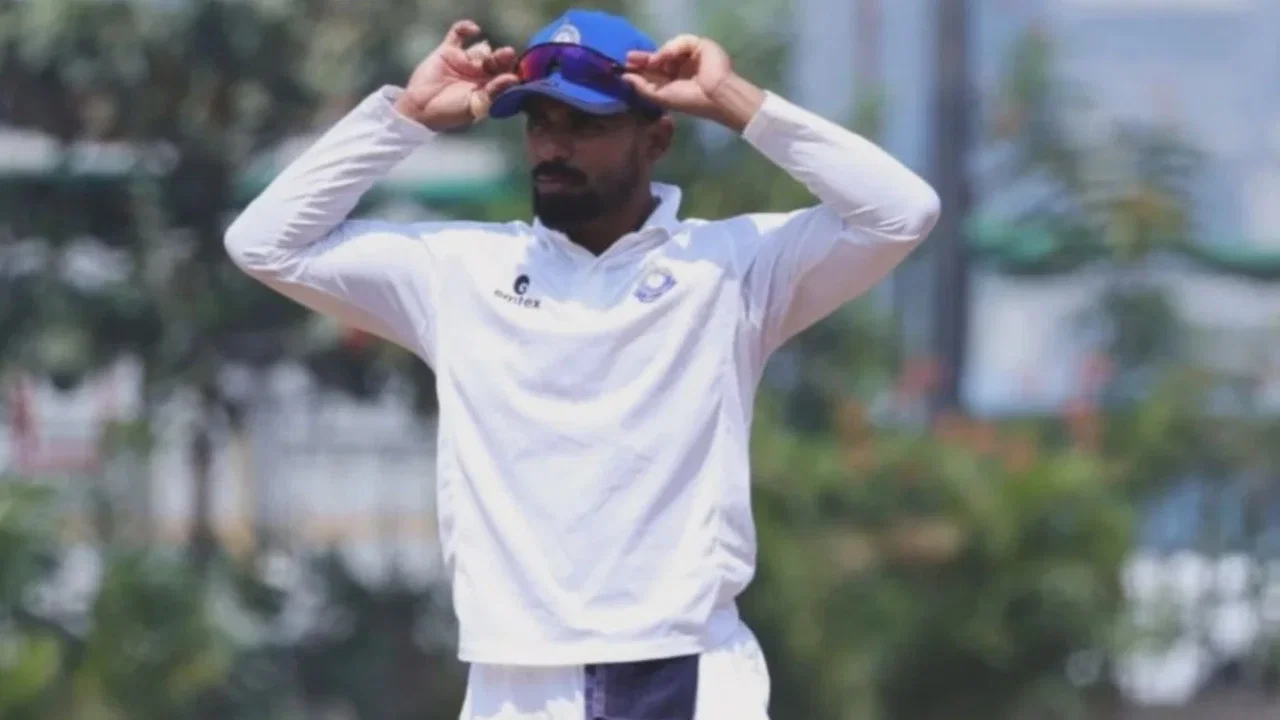
Chinmay Sutar joins Bhausaheb Nimbalkar in elite Ranji Trophy 400 club

PAK vs ENG Playing 11 Today, Live Streaming, Pitch & Weather: Pakistan vs England 2nd ODI, Tri-Series 2026
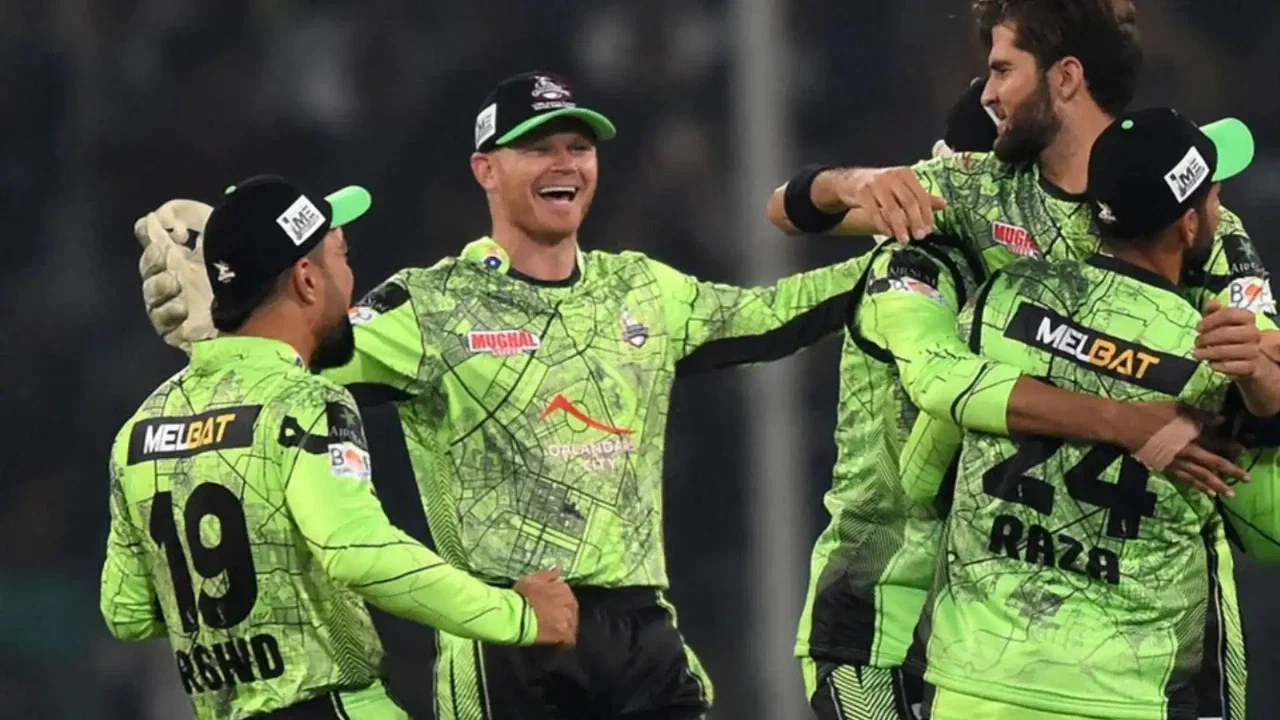
Lahore Qalandars owner keen to join BPL after discussions with Tamim Iqbal

Ravi Shastri wants Jasprit Bumrah to give up on one format until 2027 World Cup
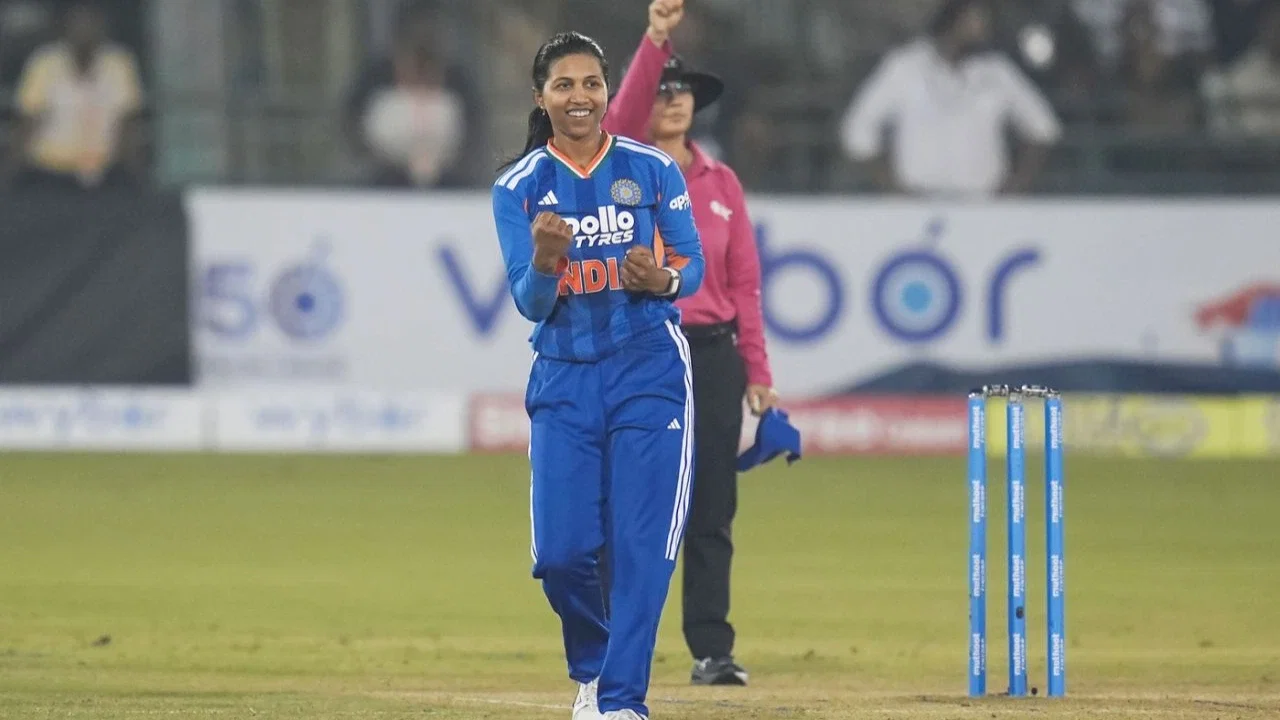
Niki Prasad creates world record with two wickets in first 2 T20I balls
Watch: Gary Kirsten visibly furious after Dasun Shanaka’s dismissal against Pakistan, video viral
Darcie Brown ruled out of WBBL; Adelaide Strikers re-sign Anesu Mushangwe
Imam-ul-Haq gets PCB green signal after ban from domestic cricket
Chinmay Sutar’s triple ton headlines Ranji Trophy 2026-27 as Ayush Badoni hits double century
Akash Deep credits Gautam Gambhir for standing by him during tough times

Mohammed Shami injury update: Bengal coach issues statement on Ranji Trophy absence