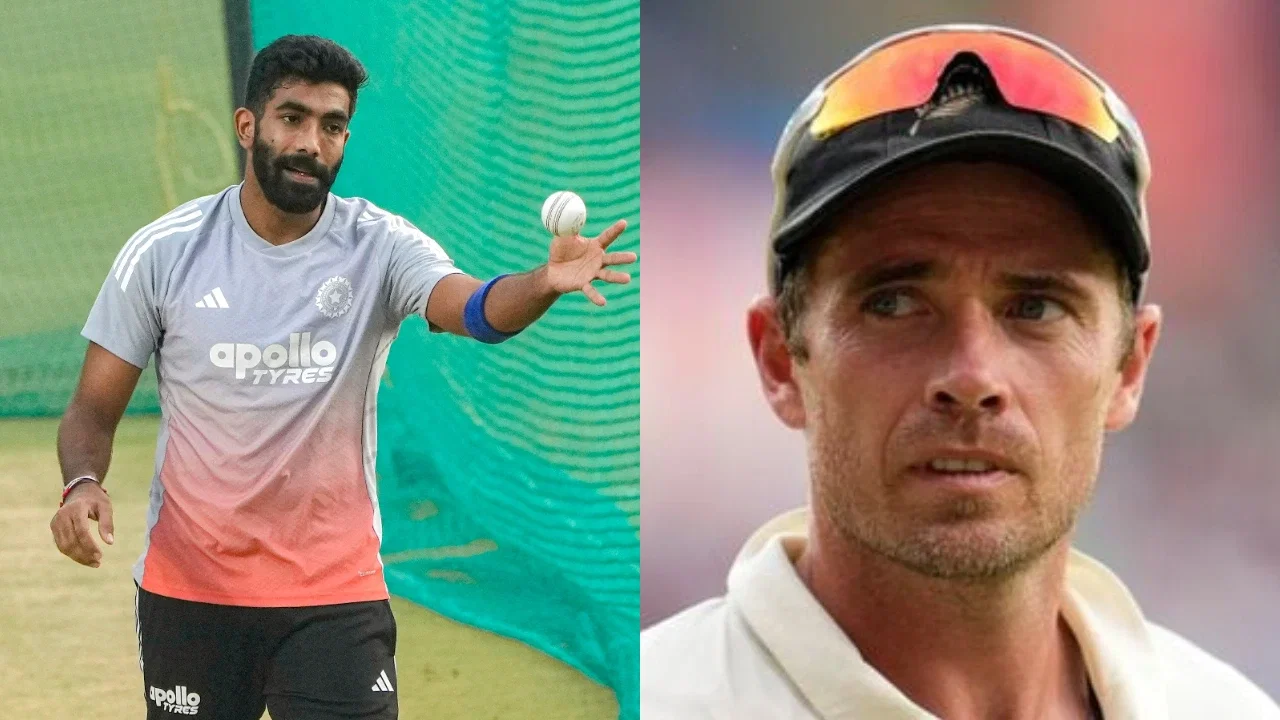
Ravi Shastri wants Jasprit Bumrah to give up on one format until 2027 World Cup
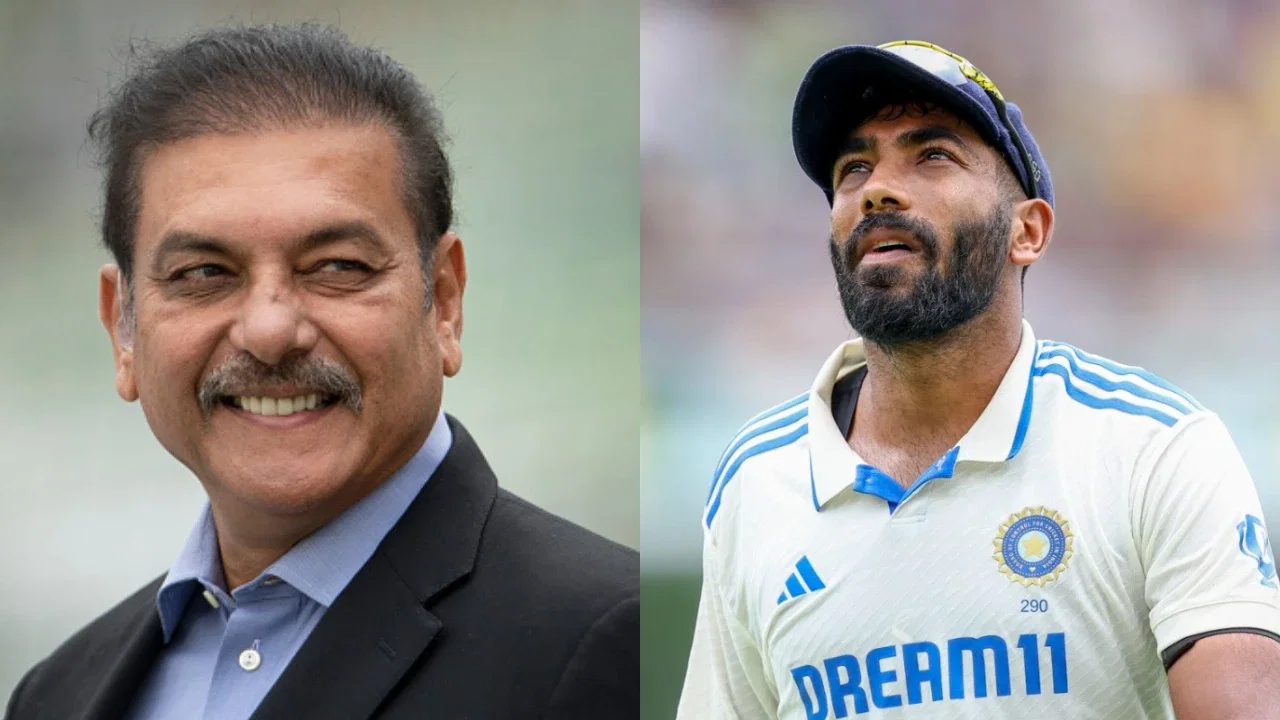
Ravi Shastri Urges India to Protect Jasprit Bumrah Ahead of 2027 ODI World Cup
Former India head coach Ravi Shastri has called on the team management to carefully manage Jasprit Bumrah’s workload as India build towards the 2027 ODI World Cup. With major Test assignments and a demanding international calendar ahead, Shastri believes India should avoid asking its premier fast bowler to play every format throughout the cycle.
Shastri’s recommendation is to make Test cricket Bumrah’s main priority while selecting him more selectively for ODIs and T20Is. The aim, he suggested, should be to preserve the fast bowler’s fitness for the matches and tournaments where his impact could be greatest—not simply to maximise his appearances.
The discussion comes as India prepare for a substantial tour of New Zealand, featuring five T20Is, five ODIs and two Tests, beginning on October 22. The tour will test players in unfamiliar overseas conditions and offer useful preparation for the 2027 World Cup, which is scheduled to be hosted by South Africa, Zimbabwe and Namibia. India also have a five-Test series against Australia on the horizon, adding further pressure to the team’s planning.
Shastri’s Prediction: Selective Appearances Could Keep Bumrah at His Best
Shastri does not believe Bumrah should be expected to play all three formats consistently until the next World Cup. Instead, he has advocated a carefully managed programme that protects the bowler while keeping him ready for decisive games.
“I don’t think he should play all three formats until the World Cup,” Shastri said. He added that Bumrah should focus primarily on Test cricket and appear in ODIs and T20Is selectively. Shastri also stressed the importance of preserving him for the two Tests in New Zealand, where India could need his skill and experience against a strong seam attack.
The approach reflects a wider challenge for modern international cricket: elite fast bowlers must balance national duty across formats with the physical demands of high-intensity bowling. Workload management can involve scheduled breaks, limits on consecutive appearances and careful monitoring of recovery. For a bowler such as Bumrah, whose action and pace make him a major weapon, keeping him available for important assignments may be more valuable than using him in every series.
India’s decision to leave Bumrah out of the five-match ODI series against New Zealand is consistent with that broader discussion. It also gives the management an opportunity to assess other fast-bowling options while safeguarding one of its most influential players for Test cricket and future global events.
Bhuvneshwar Kumar and Mohammed Shami Backed for India Returns
Shastri has also expressed support for experienced pacers Bhuvneshwar Kumar and Mohammed Shami. Speaking to The Times of India, he said Bhuvneshwar’s experience and recent performances could make him a useful option in New Zealand, where swing and seam movement often shape the contest.
“There is no substitute for experience,” Shastri said, pointing to Bhuvneshwar’s Indian career and form in the IPL. His ability to move the ball, particularly with the new ball, could be valuable in conditions that reward accuracy and patience. Experience may also help a bowler adjust quickly to changing weather, wind and pitch behaviour during an overseas tour.
Shastri also backed Shami for a possible return to India’s Test and ODI squads. He said the fast bowler had done enough with both the red and white balls to merit another opportunity. Shami’s record across formats and his ability to deliver sustained spells could give India another experienced option as the team navigates a packed schedule.
Any comeback, however, would depend on selection needs, fitness and the form of the available bowlers. The competition for places could benefit India by giving the selectors a deeper pool of pace options—an important advantage when tours and tournaments are closely spaced.
New Zealand Tour Could Offer a World Cup Preparation Test
Shastri described the New Zealand tour as important beyond its immediate results. He believes the conditions could provide clues about how India might handle some of the challenges expected in South Africa at the 2027 ODI World Cup. While the countries are not identical, both tours could test India’s ability to adapt to pace, bounce, movement and weather.
New Zealand’s pitches are often at their most helpful to seam bowlers after winter, when fresh surfaces can offer movement both through the air and off the pitch. Wind can add another layer of difficulty, influencing swing and making it harder for batters to settle. For India, success will depend on more than technical ability: players will need to judge conditions quickly, manage risk and adjust their plans as the ball and surface change.
That makes the tour a useful opportunity for the team to assess its combinations. India can evaluate its pace attack, test batting methods against movement and identify players who can perform consistently away from home. Those lessons could inform selection and preparation well before the World Cup arrives.
WTC Final Qualification Presents a Major Challenge
Shastri also warned that India face a difficult route to the World Test Championship final. In his assessment, the team may need to win around 90 per cent of its remaining matches, including both Tests in New Zealand and at least four of the five Tests against Australia. He cautioned that qualification would also depend partly on results elsewhere in the competition.
The demanding target underlines how little room India may have for dropped points. Every Test could carry significant weight, making the New Zealand series especially important before the high-profile contest with Australia. Strong performances overseas would not only improve India’s position in the standings but also provide confidence ahead of subsequent challenges.
Shastri acknowledged that the conditions could make the task tougher. New Zealand’s fresh pitches and seam-friendly weather may test India’s top order, while the bowlers will need to maintain discipline and make the most of any movement available. The team’s ability to adapt early could prove decisive.
Pressure on Shubman Gill and India’s Next Generation
Shastri described the challenge as significant for a young captain, while noting that Shubman Gill is in strong form and has performed well in New Zealand. Gill’s familiarity with the conditions could be an advantage, but leadership will involve more than personal batting output. He will need to manage the bowling resources, respond to changing conditions and keep the team composed during difficult periods.
India’s broader task is to balance immediate results with long-term preparation. Protecting Bumrah, considering experienced options such as Bhuvneshwar and Shami, and giving younger players meaningful overseas opportunities are all parts of that calculation. Shastri’s central message is clear: careful planning could help India remain competitive across formats while building towards the 2027 ODI World Cup and the next WTC final race.
Latest News
Lahore Qalandars owner keen to join BPL after discussions with Tamim Iqbal
Ravi Shastri wants Jasprit Bumrah to give up on one format until 2027 World Cup
Niki Prasad creates world record with two wickets in first 2 T20I balls
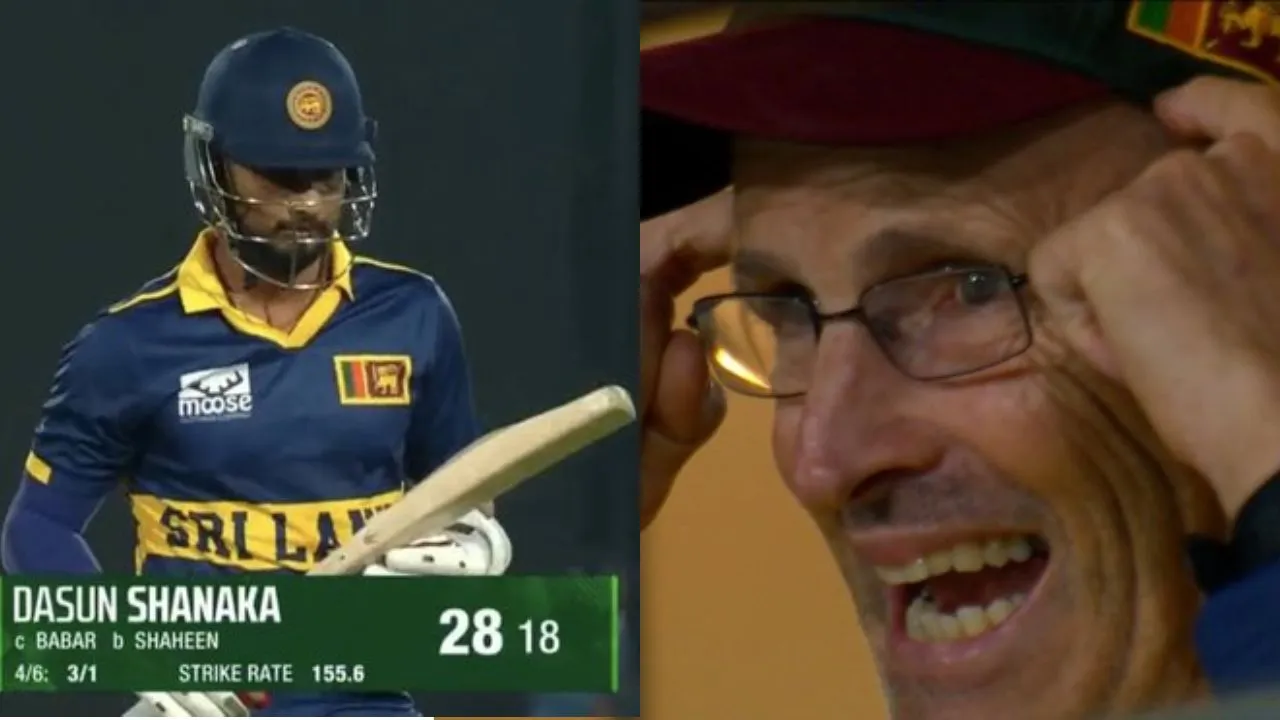
Watch: Gary Kirsten visibly furious after Dasun Shanaka’s dismissal against Pakistan, video viral
Darcie Brown ruled out of WBBL; Adelaide Strikers re-sign Anesu Mushangwe
Imam-ul-Haq gets PCB green signal after ban from domestic cricket
Chinmay Sutar’s triple ton headlines Ranji Trophy 2026-27 as Ayush Badoni hits double century
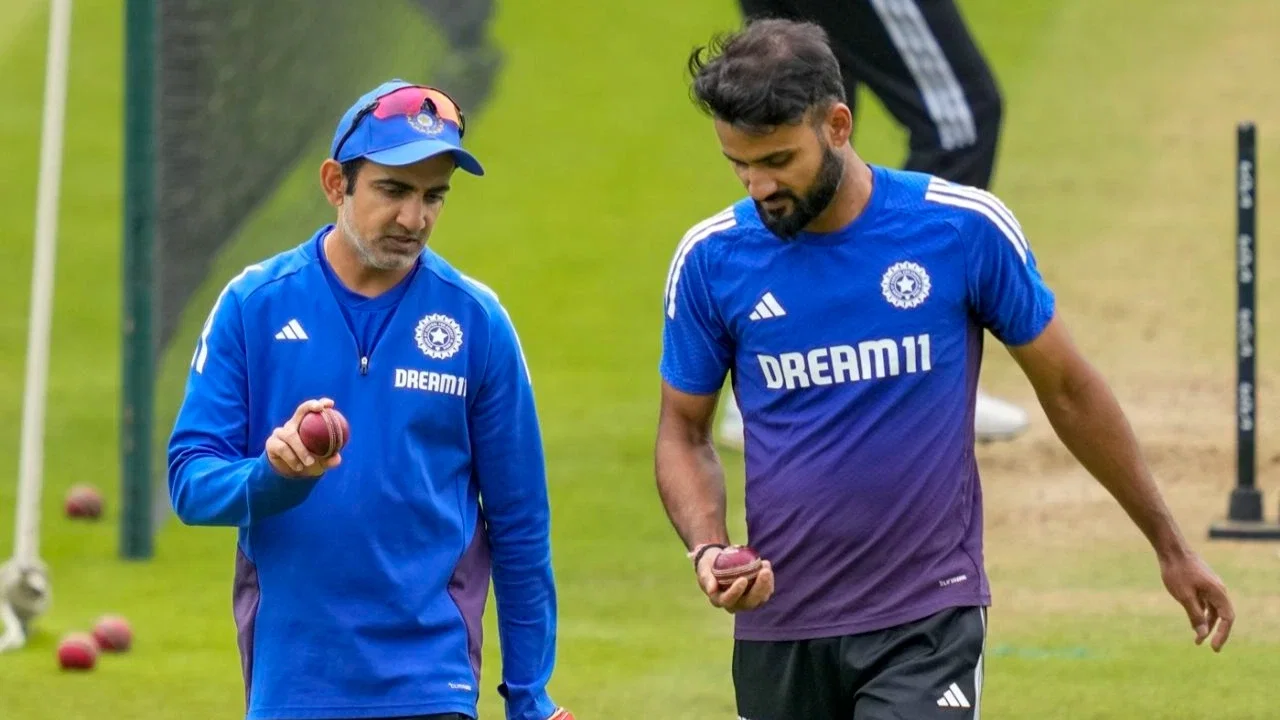
Akash Deep credits Gautam Gambhir for standing by him during tough times
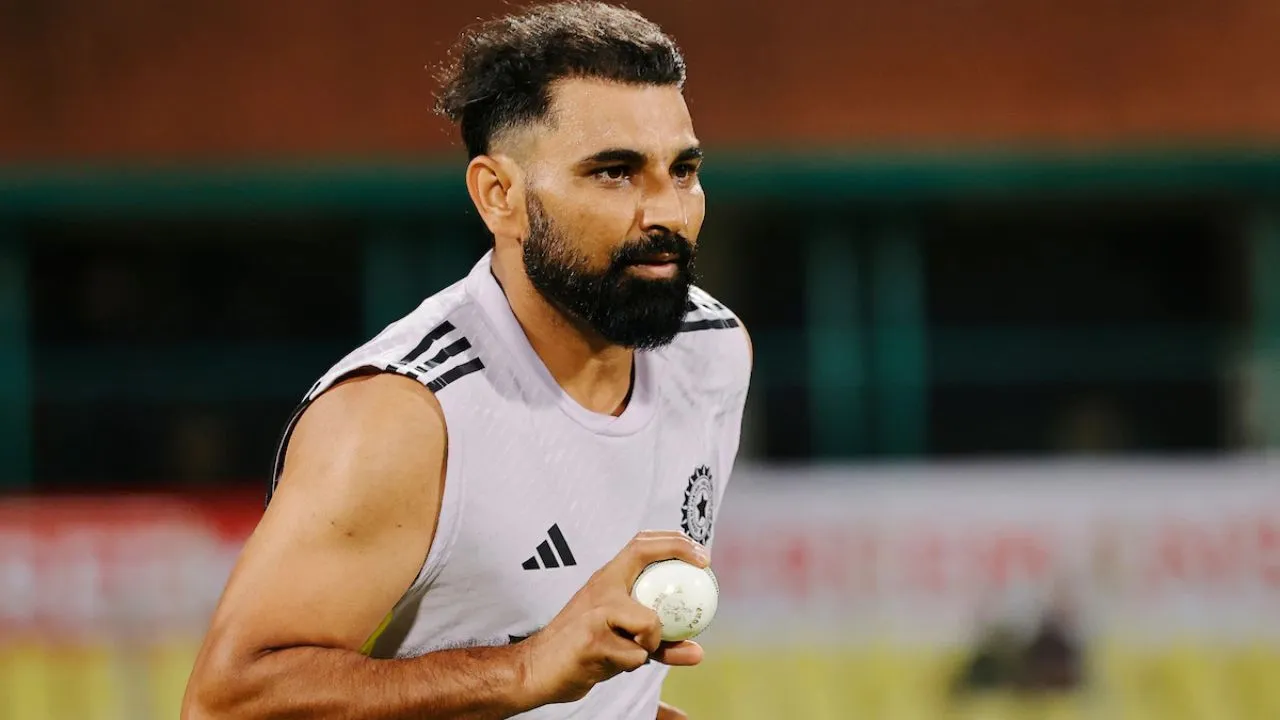
Mohammed Shami injury update: Bengal coach issues statement on Ranji Trophy absence
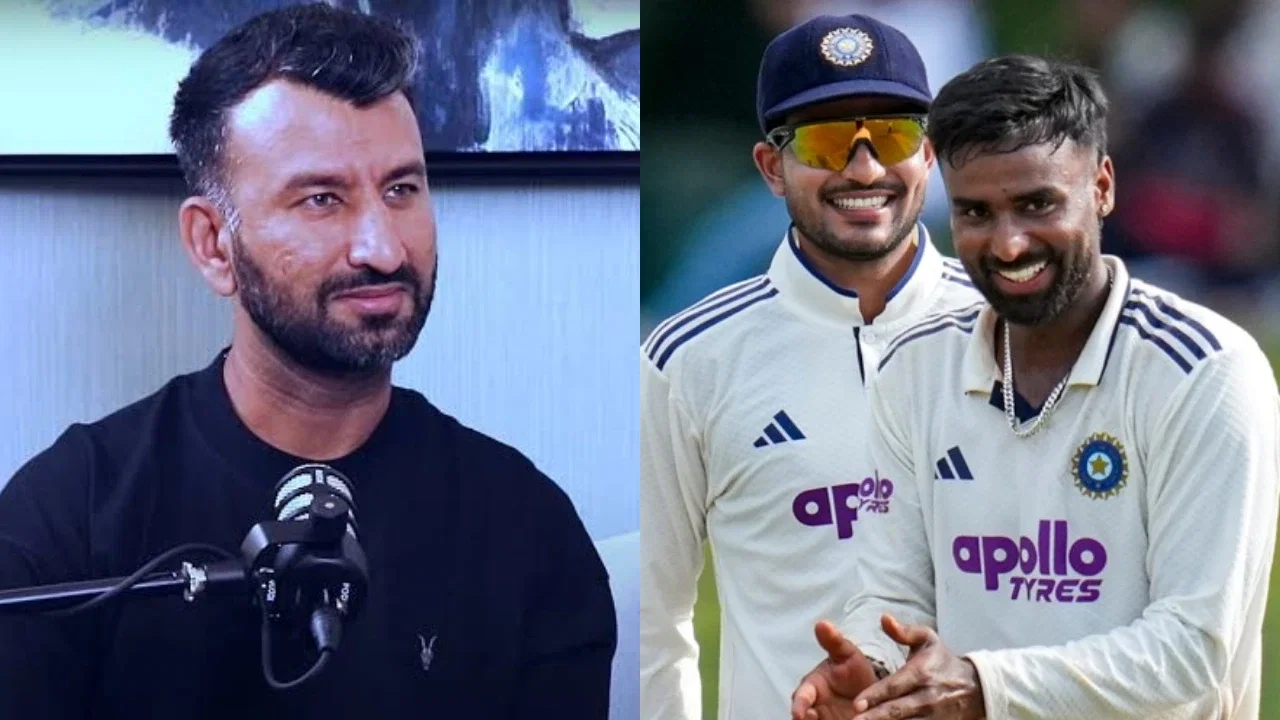
Cheteshwar Pujara slams India for overlooking Manav Suthar for New Zealand Tests
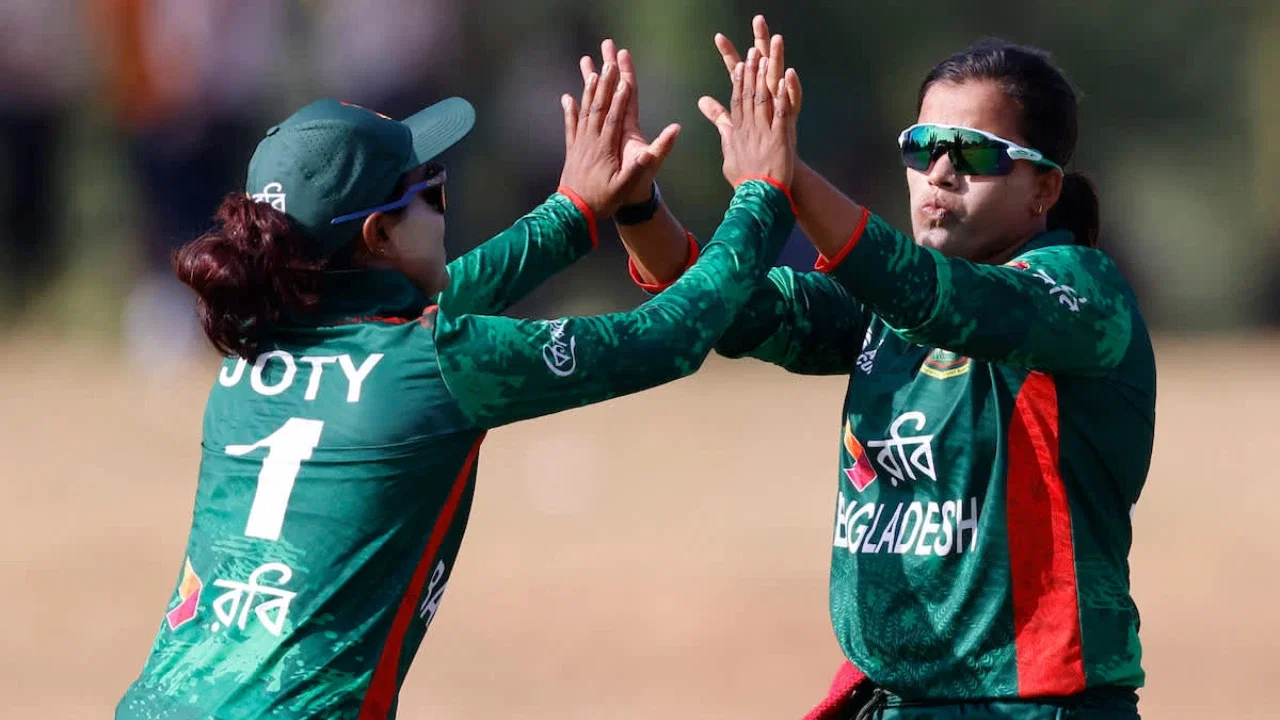
Nahida Akter replaces Nigar Sultana as Bangladesh announce new T20I captain

Why Parthiv Patel pulled out of BCCI chief selector race?
Fakhar Zaman admits extreme pressure on Pakistan to end ICC trophy drought
Australia drop Nathan Lyon vs South Africa, marking third omission in 14 months