Lahore Qalandars owner keen to join BPL after discussions with Tamim Iqbal
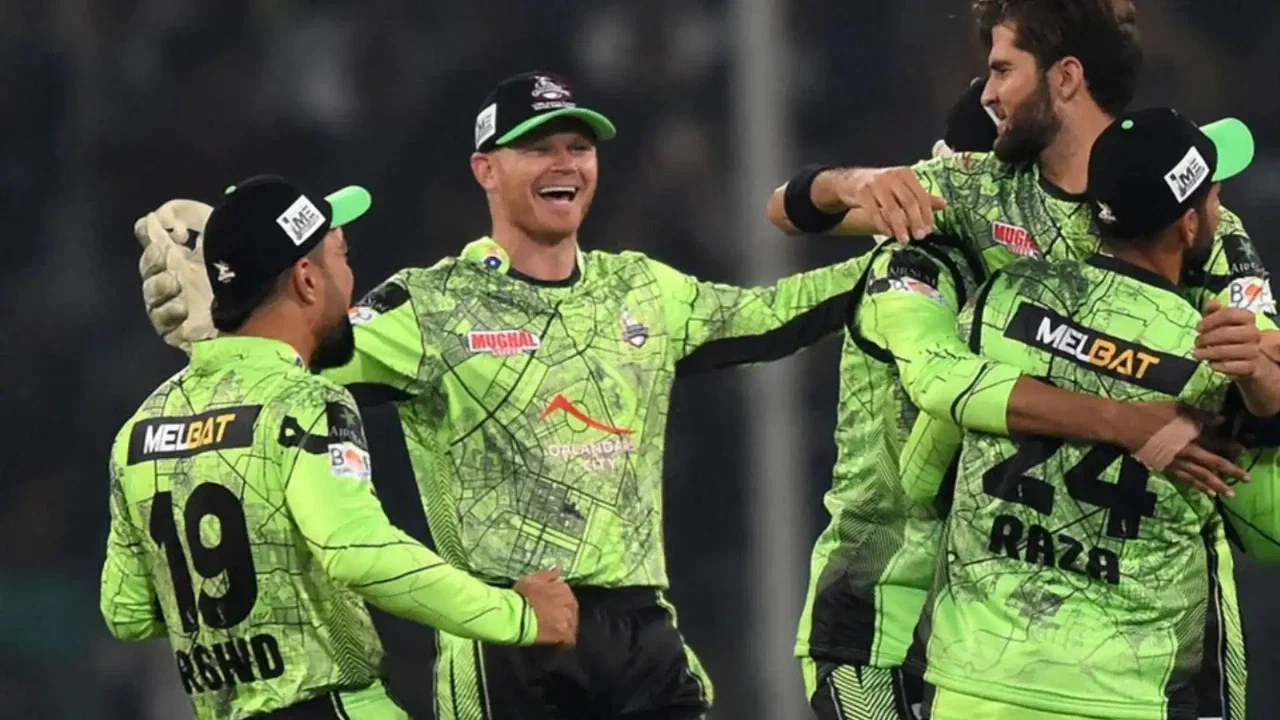
Sameen Rana Signals Interest in Joining the Bangladesh Premier League
Lahore Qalandars co-owner and chief operating officer Sameen Rana has expressed a strong interest in becoming involved with the Bangladesh Premier League (BPL), saying he hopes to contribute to the development of cricket in Bangladesh. With the Bangladesh Cricket Board (BCB) preparing to overhaul the competition, Rana believes his experience in franchise cricket could help the league build a more stable and successful future.
Rana’s comments come at a significant moment for the BPL. The BCB has postponed the next season while it reviews financial irregularities and considers changes to the tournament’s structure and operations. Board president Tamim Iqbal has also indicated that the BCB is open to foreign franchise owners, provided they meet the necessary requirements and follow the board’s protocols.
For supporters, the prospect of an experienced Pakistan Super League (PSL) operator entering the BPL raises an important question: could international investment and expertise help restore confidence in Bangladesh’s domestic T20 competition? Rana has not announced a formal bid, but he has made clear that he would welcome the right opportunity.
Talks with Tamim Iqbal Put BPL Opportunity in Focus
Rana discussed franchise cricket with Tamim during a meeting at Sheikh Abu Jayed Stadium in Abu Dhabi, where Bangladesh faced Zimbabwe in the opening match of a tri-series on Saturday. The two spoke during the lunch break, touching on how leagues can improve and how experience from one cricketing market might benefit another.
Speaking to reporters afterwards, Rana said Bangladesh holds a special place in his heart and that he has been looking for a way to support its cricket. He described the BPL as a valuable tournament with considerable potential, despite the challenges it has faced in recent years.
“If there’s an opportunity, I would love to be part of the BPL,” Rana said, explaining that any involvement would depend on the nature of the opportunity. He added that Bangladesh’s deep enthusiasm for cricket should provide a strong foundation for a thriving league.
Rana’s remarks are an expression of interest rather than confirmation of a franchise purchase or formal partnership. Any potential move would depend on the BCB’s plans, the league’s revised regulations and the terms offered to prospective investors. Still, his willingness to explore a role comes as the board considers how to make the competition more credible and sustainable.
Eleven Years of PSL Experience Could Offer a Useful Blueprint
Rana has spent 11 years working with Lahore Qalandars, one of the most recognisable franchises in the PSL. His experience has included more than match-day operations: franchise success also depends on player recruitment, coaching structures, commercial partnerships, fan engagement and long-term development pathways.
He has also been involved in South Africa’s Global League, T10 cricket and work with Cricket Canada. Rana said conversations with Tamim included sharing lessons gathered across these different environments, while recognising that each competition has its own needs and circumstances.
That distinction matters. A model that works in Pakistan or another cricketing country cannot simply be copied into Bangladesh. The BPL has its own audience, calendar, financial conditions and cricketing priorities. However, experience with multiple formats and markets could help inform practical improvements, including clearer franchise standards, stronger planning and better links between professional teams and emerging players.
For the BPL, the immediate challenge is not simply attracting a high-profile investor. The league must also create an environment in which owners, players, sponsors and supporters can have confidence in its administration. If the BCB’s review leads to transparent processes and dependable financial arrangements, interest from experienced operators could become a meaningful part of the competition’s next chapter.
Player Exchange Programme Could Benefit Emerging Cricketers
Rana also raised the possibility of a player exchange programme between Lahore Qalandars and the BCB. Under such an initiative, promising Bangladeshi cricketers could travel to Pakistan to train at Lahore Qalandars’ high-performance facilities, work with coaches and experience the franchise’s player-development system.
Rana pointed to previous international development projects as examples. Lahore Qalandars recently signed an agreement with Guyana’s Ministry of Youth and Culture, under which players are expected to be sent for development opportunities. The franchise has also hosted eight Zimbabwean players at its High Performance Centre in Islamabad for a six-week programme.
He said he would welcome Bangladeshi players taking part in a similar arrangement if the BCB and the players were interested. Such an exchange could expose young cricketers to different coaching methods, training routines and high-performance standards. It could also create opportunities for Pakistani and Bangladeshi staff to share knowledge in return.
A well-designed programme would need to complement Bangladesh’s existing development system rather than replace it. The greatest value could come from selecting players whose skills and career stage match the training on offer, then ensuring that lessons learned abroad are carried back into domestic cricket. For the BCB, this kind of partnership could provide a practical benefit even if a full franchise agreement does not materialise.
Lahore Qalandars Already Have Links to Bangladesh Cricket
Lahore Qalandars are not unfamiliar to Bangladeshi fans. Several Bangladesh internationals have represented the franchise in the PSL, including all-rounder Shakib Al Hasan, leg-spinner Rishad Hossain and left-arm fast bowler Mustafizur Rahman. Their involvement has helped strengthen the connection between the team and Bangladesh’s cricket audience.
That existing relationship could provide a starting point for broader cooperation, whether through the BPL, player development or other cricket initiatives. It may also help make a potential partnership more visible to supporters, although any long-term impact would depend on clear plans and consistent delivery.
What Happens Next for the BPL?
The BCB’s postponement of the upcoming season gives the board time to address financial concerns and reconsider how the tournament is organised. The key test will be whether those changes produce a competition that is more dependable for franchises and more engaging for fans.
Rana’s interest offers one possible route toward that goal, but no prediction about a deal can be made until the BCB sets out its revised framework and potential investors assess the terms. For now, his comments point to two areas of opportunity: experienced franchise involvement and structured development partnerships for Bangladeshi players.
If the BCB can establish transparent rules and attract partners prepared to support the league beyond a single season, the BPL could strengthen its position in the crowded international T20 calendar. Rana’s experience with Lahore Qalandars may prove useful—but the success of any involvement will ultimately depend on whether investment, governance and player development work together to serve Bangladesh cricket.
Latest News
Lahore Qalandars owner keen to join BPL after discussions with Tamim Iqbal

Ravi Shastri wants Jasprit Bumrah to give up on one format until 2027 World Cup
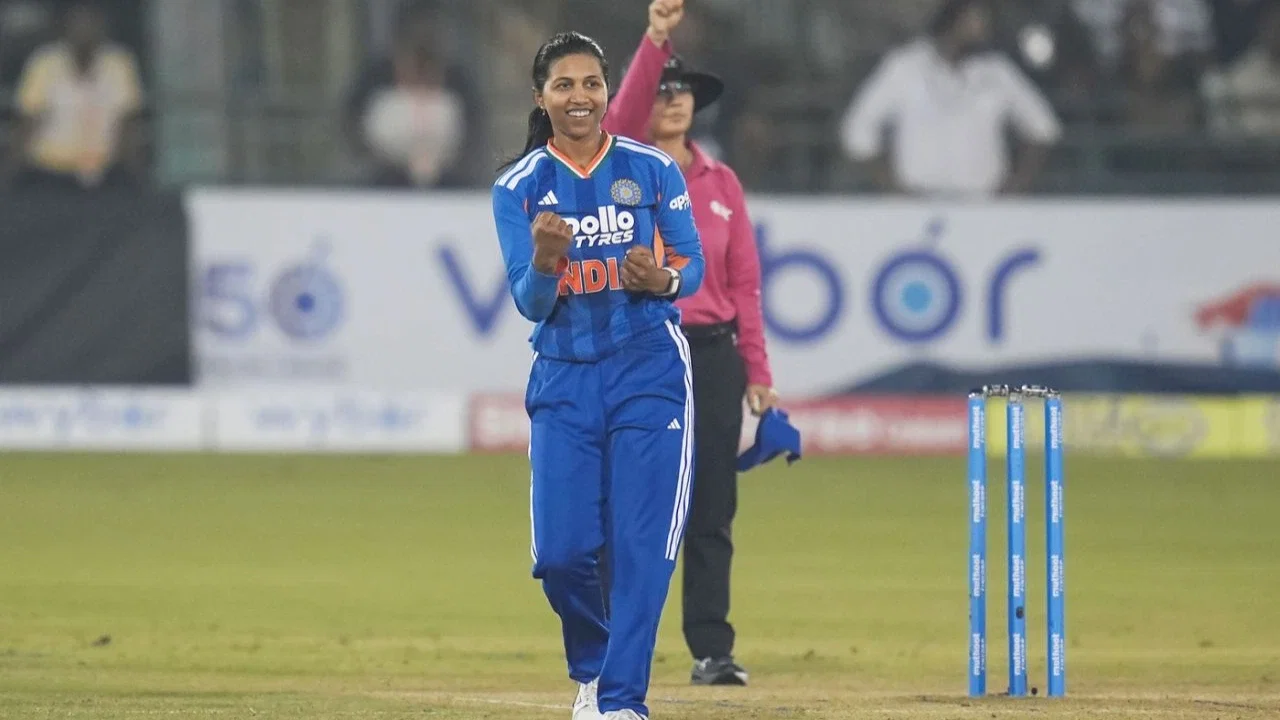
Niki Prasad creates world record with two wickets in first 2 T20I balls

Watch: Gary Kirsten visibly furious after Dasun Shanaka’s dismissal against Pakistan, video viral

Darcie Brown ruled out of WBBL; Adelaide Strikers re-sign Anesu Mushangwe
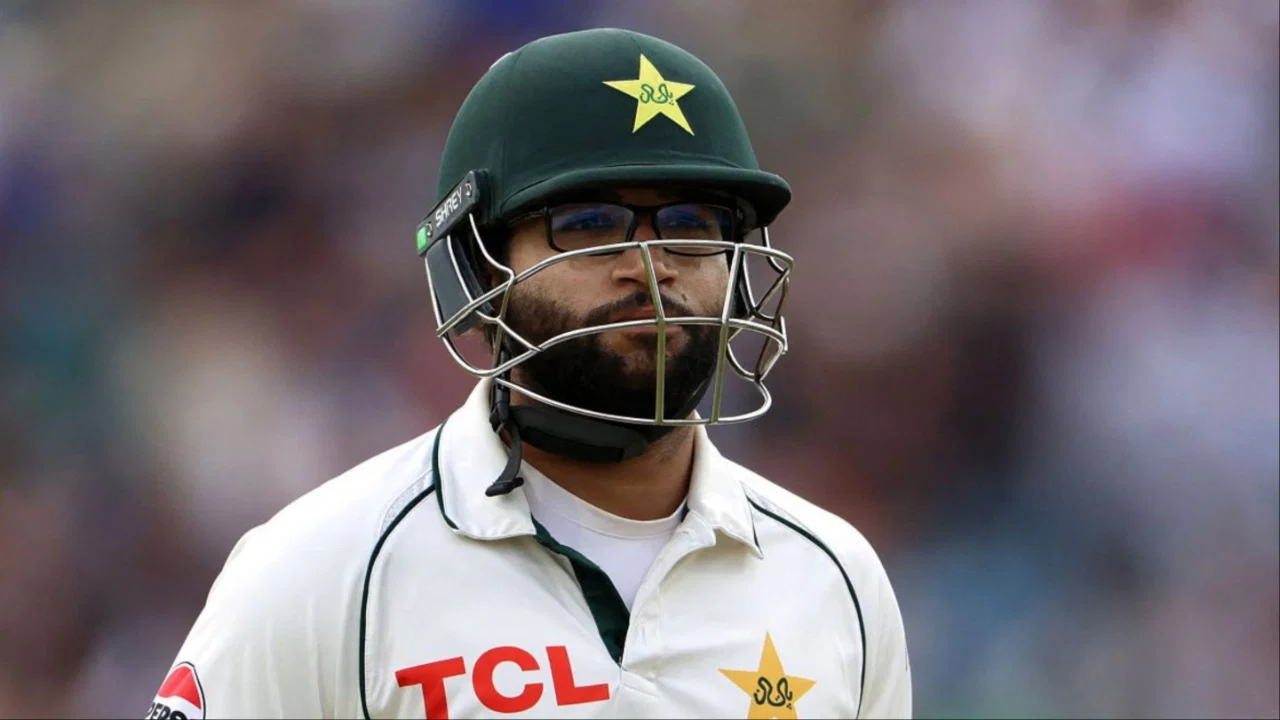
Imam-ul-Haq gets PCB green signal after ban from domestic cricket
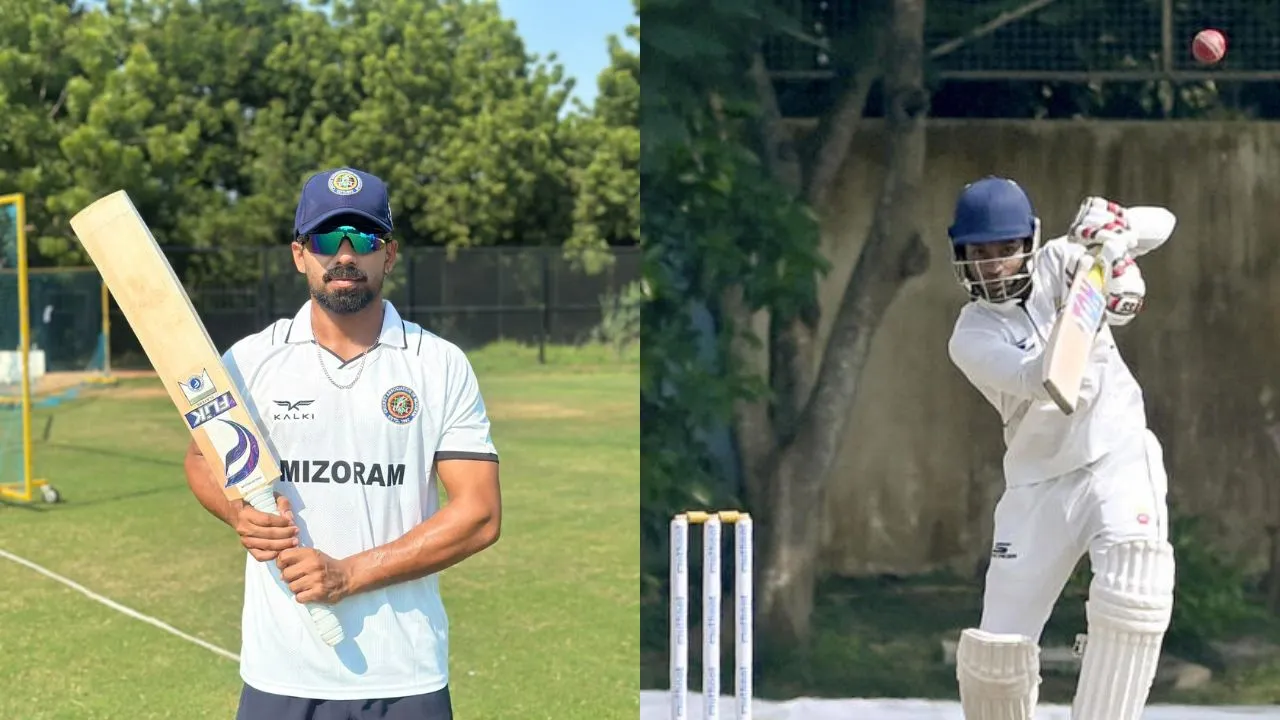
Chinmay Sutar’s triple ton headlines Ranji Trophy 2026-27 as Ayush Badoni hits double century
Akash Deep credits Gautam Gambhir for standing by him during tough times
Mohammed Shami injury update: Bengal coach issues statement on Ranji Trophy absence
Cheteshwar Pujara slams India for overlooking Manav Suthar for New Zealand Tests
Nahida Akter replaces Nigar Sultana as Bangladesh announce new T20I captain

Why Parthiv Patel pulled out of BCCI chief selector race?
Fakhar Zaman admits extreme pressure on Pakistan to end ICC trophy drought
Australia drop Nathan Lyon vs South Africa, marking third omission in 14 months