Kapil Dev dismisses Gautam Gambhir factor in Virat Kohli-Rohit Sharma 2027 World Cup debate
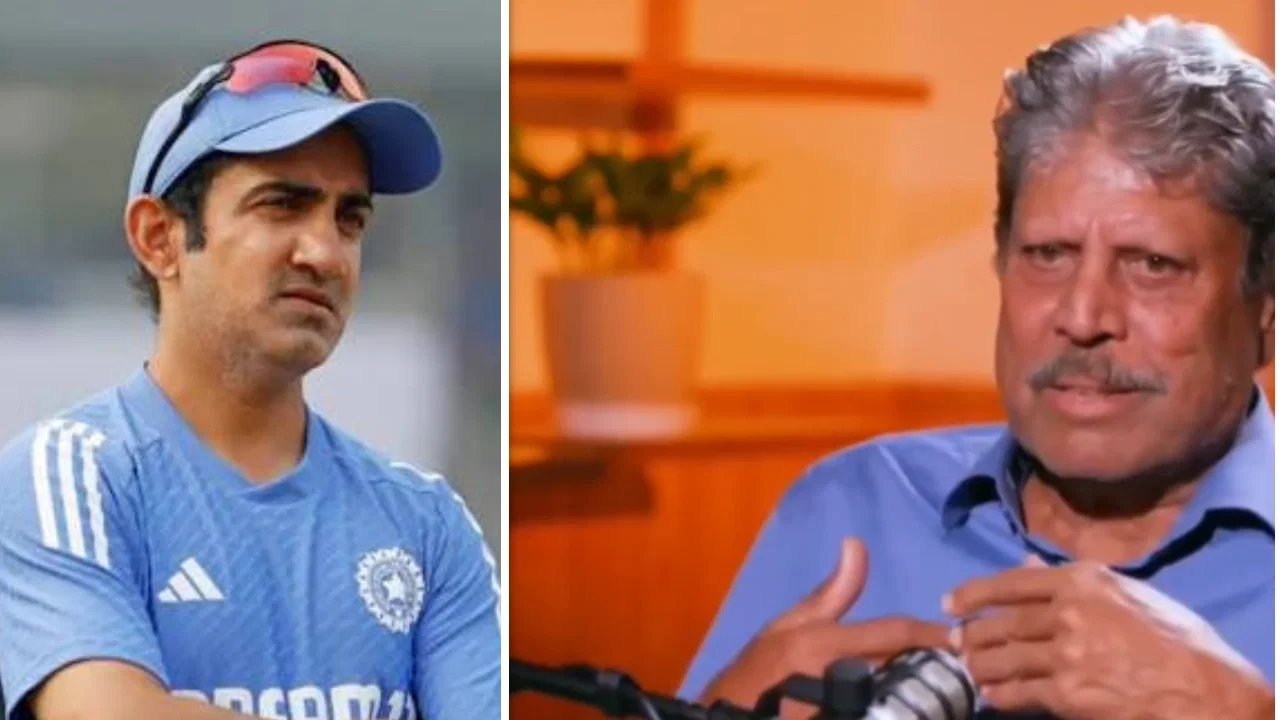
Legendary Kapil Dev Weighs in on Uncertainty Surrounding Virat Kohli and Rohit Sharma’s Participation in 2027 ODI World Cup
Legendary former Indian cricketer Kapil Dev has recently addressed the uncertainty surrounding the participation of two cricketing superstars, Virat Kohli and Rohit Sharma, in the upcoming 2027 ODI World Cup. The debate has been fueled by questions regarding the role of head coach Gautam Gambhir in the selection process.
Insight into the Selection Process
In a podcast for the Sports Tak YouTube channel, Kapil Dev shed light on how a team is chosen for international tournaments. Contrary to popular belief, he emphasized that it is the selection committee, not the coach, that ultimately decides the composition of the team.
According to Kapil Dev, the selection committee proposes names to the team captain and manager before finalizing the squad. While input from the captain and manager is essential, selectors have the authority to make decisions independently if they believe a player is deserving of a spot.
Age as a Decisive Factor
One of the key factors under scrutiny is the age of Virat Kohli and Rohit Sharma, who are currently 37 and 39, respectively. Kapil Dev acknowledged that age can be a consideration in selection, especially for players over 30. However, he emphasized that fitness and performance should take precedence over age when determining a player’s suitability for the World Cup squad.
“If you’re fit, if you have the ability, if you can, play until 39. If you’re performing, then don’t count age,” Kapil Dev stated. He highlighted the importance of allowing experienced players the opportunity to contribute based on their current form rather than focusing solely on age.
Navigating Age-Related Challenges
Kapil Dev also addressed the challenges faced by older players when it comes to form slumps. He noted that while younger cricketers have more time to recover from a dip in performance, senior players often face greater scrutiny. The former captain stressed the need to evaluate players based on their present abilities rather than making premature judgments based on age.
“The problem with age is that if you hit a bad patch, the public selectors will tell everyone that it’s their time. But if the same guy has a bad patch at 20, it’s okay. Time comes back. Yes, but if he has a bad patch at 30, then it’s time to leave,” Kapil Dev explained.
Conclusion
As the debate continues regarding the selection of Virat Kohli and Rohit Sharma for the 2027 ODI World Cup, Kapil Dev’s insights provide a nuanced perspective on the role of age in cricketing decisions. While age may be a factor to consider, the emphasis remains on performance and fitness as the primary criteria for inclusion in the national squad.
Ultimately, the selectors will have the final say on who represents India in the prestigious tournament, balancing experience, form, and age to field a competitive team on the global stage.
The Evolution of Selection Criteria in Modern Cricket
Over the years, the criteria for selecting players for international cricket tournaments have evolved significantly. While age used to be a decisive factor in determining a player’s longevity in the sport, the focus has shifted towards performance metrics and fitness levels. In today’s fast-paced and competitive cricketing landscape, players are expected to maintain peak physical condition and deliver consistent results regardless of their age.
Selectors now rely heavily on data analytics and player statistics to make informed decisions about team composition. Factors such as batting average, bowling economy, fielding prowess, and overall impact on the game play a crucial role in determining a player’s suitability for a major tournament like the ODI World Cup. This data-driven approach has revolutionized the selection process, allowing for a more objective evaluation of players based on their on-field contributions.
The Role of Experience in International Cricket
While younger talents continue to emerge in the world of cricket, the value of experience cannot be understated. Players like Virat Kohli and Rohit Sharma, with years of international cricket under their belts, bring a wealth of knowledge and expertise to the field. Their ability to handle pressure situations, read the game effectively, and mentor younger players makes them invaluable assets to the team.
In the case of selecting players for the 2027 ODI World Cup, striking a balance between youth and experience will be crucial for Team India. While age may pose challenges in terms of physical endurance and recovery, the leadership and strategic acumen that seasoned players bring to the table cannot be overlooked. The selectors will need to weigh these factors carefully to assemble a well-rounded squad capable of competing at the highest level.
The Impact of Fitness on Player Longevity
In modern cricket, fitness has become a non-negotiable aspect of a player’s career. The demands of the game require athletes to maintain top-tier physical fitness to endure the rigors of back-to-back matches and demanding schedules. Players like Kohli and Sharma, known for their dedication to fitness and training regimes, have set a benchmark for the younger generation to follow.
As Kapil Dev rightly pointed out, age should not be a limiting factor if a player can maintain peak fitness levels and continue to deliver results on the field. The advancements in sports science and nutrition have allowed players to prolong their careers and compete at a high level well into their 30s and beyond. With the right support system in place, players can defy conventional wisdom about age and continue to excel in the sport.
Looking Ahead to the 2027 ODI World Cup
As cricket enthusiasts eagerly anticipate the 2027 ODI World Cup, the debate surrounding the inclusion of senior players like Kohli and Sharma adds an intriguing dimension to the selection process. While age may influence certain aspects of player evaluation, the ultimate goal remains to field a competitive team capable of challenging for the coveted title.
With Kapil Dev’s insights shedding light on the complexities of age-related considerations in cricket, fans can gain a deeper understanding of the factors at play in team selection. The selectors’ task of striking a balance between experience, form, and age will be crucial in shaping India’s campaign at the World Cup and determining the composition of the squad that takes the field in 2027.
By embracing a holistic approach to player assessment and considering a range of factors beyond age, the selectors can ensure that the best possible team represents India on the global stage, combining the wisdom of veterans with the exuberance of youth to create a formidable unit capable of achieving success in the ODI World Cup.
Latest News
Top 10 highest run-chases in T20 cricket history, ft. West Indies’ Ranchi win vs India
Aaryavir Sehwag and Anvay Dravid set to make headlines at U19 Asia Cup 2026
Longest ducks in Test cricket history ft. Nic Maddinson, Shoaib Akhtar
ECB to offer 39 central contracts to England players after Ben Stokes, Mark Wood’s retirement
Steve Smith surpasses Steve Waugh in all-time Test run-scorers’ list

Shane Watson identifies Gautam Gambhir’s biggest problem as India struggle for consistency
Is Bhuvneshwar Kumar in India’s 2027 World Cup plans? Ajinkya Rahane makes revelation
BCCI’s big ₹127 Crore move after injury crisis raises concerns over Team India
Parthiv Patel reveals RCB ignored his Jasprit Bumrah recommendation in IPL 2014 Auction
“Never spoke ill of any faith”: Irfan Pathan hits back at fake news using his name
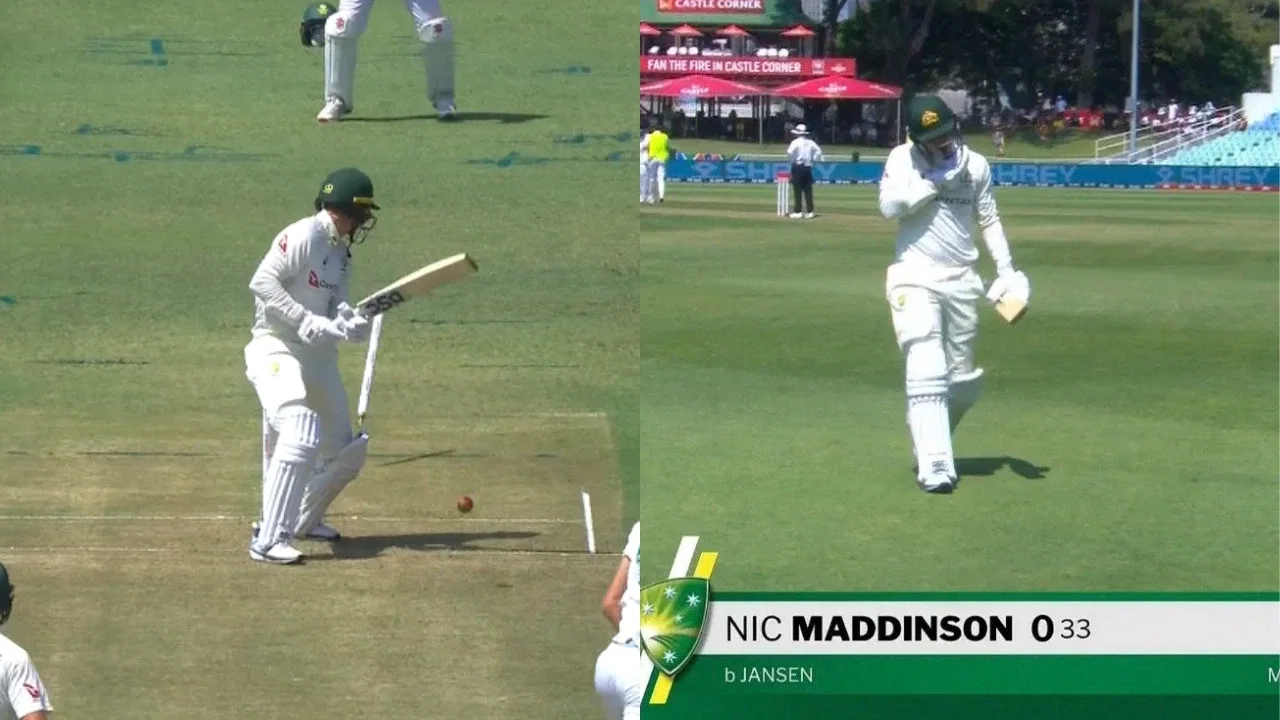
Nic Maddinson bags 33-ball duck on Test comeback, disappoints George Bailey
Imran Tahir predicts 2027 ICC ODI World Cup Semi-Finalists, snubs India for title
Australia create unwanted history with first all-30-plus Test XI
Ravindra Jadeja returns to Ranji Trophy as Saurashtra announce squad