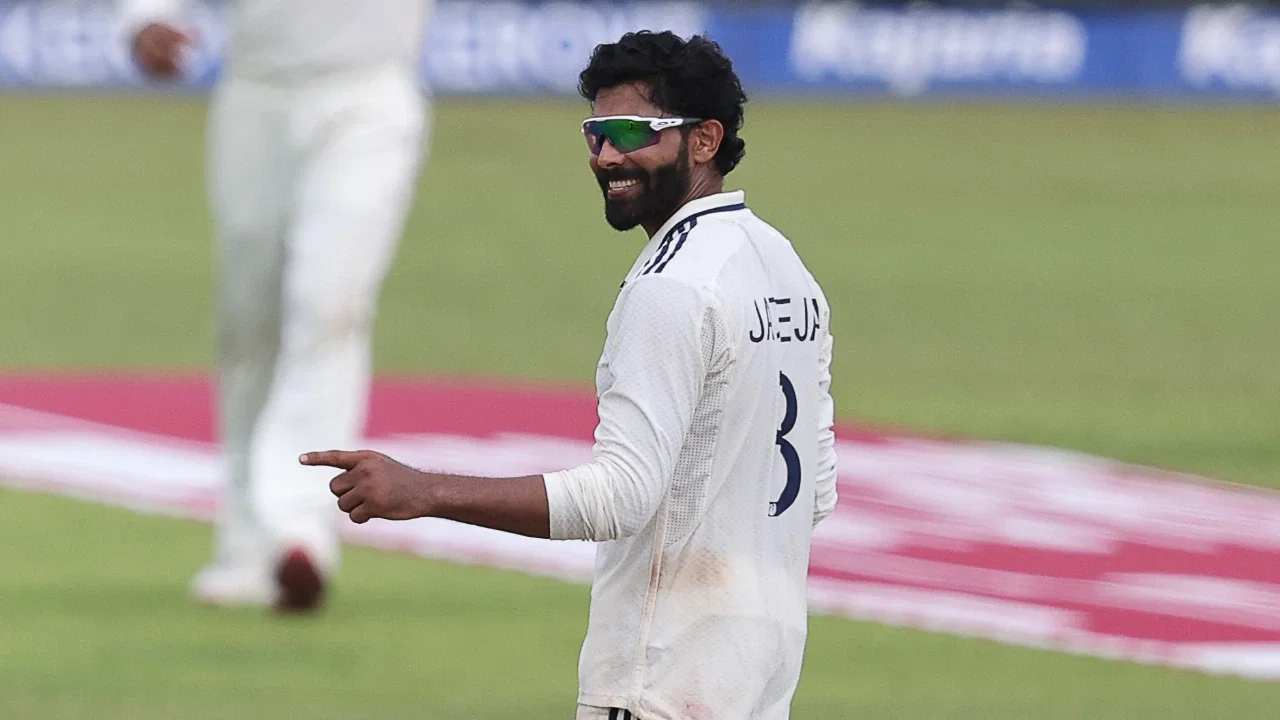
Kris Srikkanth clashes again with Gautam Gambhir, questions illogical snub of Kuldeep Yadav
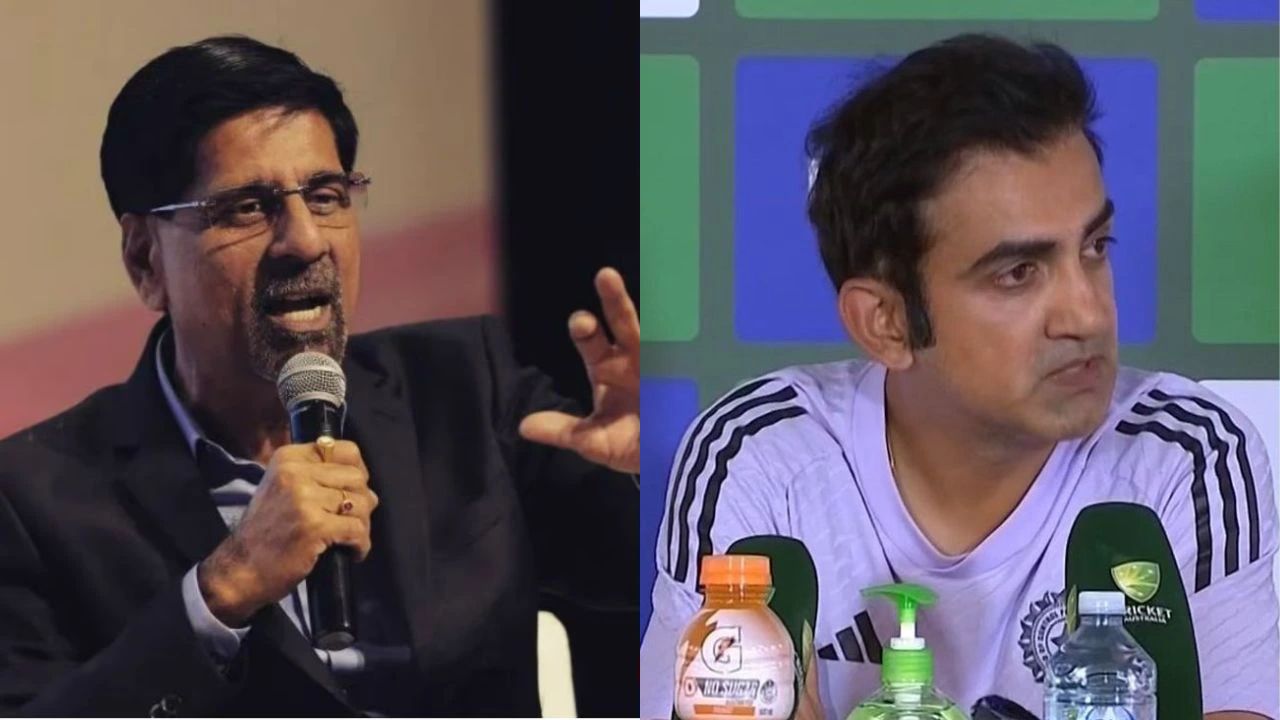
Former Indian Selector Kris Srikkanth Criticizes Indian Coach Gambhir’s Decision to Drop Kuldeep Yadav
Former Indian selector Kris Srikkanth has once again found himself at odds with Indian head coach Gautam Gambhir, this time over the exclusion of spinner Kuldeep Yadav from the playing XI in the first ODI in Perth. Despite India fielding three all-rounders – Nitish Kumar Reddy, Axar Patel, and Washington Sundar – the team suffered a crushing defeat, failing to defend a meager 131 runs.
Questioning the Decision
After facing immense criticism from former cricketers regarding Yadav’s exclusion, there are now doubts about whether Team India will reconsider their strategy for the upcoming Second ODI. Srikkanth, a vocal critic of the Indian management and Gambhir’s decisions, expressed his perplexity over dropping Kuldeep Yadav, emphasizing the importance of wrist-spinners as potential match-winners.
“I did not understand the logic behind dropping Kuldeep Yadav,” Srikkanth stated, underscoring Yadav’s impressive performances for the Australian side. Despite Matthew Kuhnemann, the replacement for Adam Zampa, picking up two wickets, Srikkanth argued that Kuldeep’s presence could have made a significant difference in the outcome of the match.
Call for Inclusion
Srikkanth highlighted Kuldeep’s exceptional form and his ability to perform across different formats of the game, advocating for his inclusion despite the perceived challenges of Australian conditions. Drawing parallels with Ravichandran Ashwin’s advice to Gambhir, Srikkanth urged the Indian team to prioritize the best players available over concerns about batting depth.
“Forget the combination and eight batters. Go for the best players and the best team,” Srikkanth reiterated, emphasizing the need to utilize Kuldeep’s talents effectively. He also suggested that Prasidh Krishna should have been chosen over Harshit Rana, expressing confidence in Krishna’s ability to excel in Australian conditions.
Reflection on India’s Mistakes
Srikkanth pointed out that India’s failure to capitalize on key moments, particularly in the middle overs, was a significant factor in their loss. He stressed the importance of wicket-taking bowlers like Kuldeep Yadav during this phase of the game, emphasizing the need for strategic decision-making in team selection.
“The more wickets you take in the middle overs, the run-rate will come down automatically. That is where we are making mistakes,” Srikkanth concluded, highlighting the critical role that bowlers like Kuldeep could play in shaping the outcome of matches.
As the debate over team selection continues, all eyes will be on how Team India responds to the criticism and whether they make changes for the upcoming matches. With Srikkanth’s strong advocacy for the inclusion of certain players, the pressure is on Gambhir and the management to reassess their strategies and make the necessary adjustments for success in the series.
Strategic Considerations for Team India
Former Indian selector Kris Srikkanth’s criticism of Indian head coach Gautam Gambhir’s decision to drop Kuldeep Yadav highlights the strategic complexities involved in team selection. While there may be various factors that influence these choices, such as pitch conditions, player form, and opposition strengths, the ultimate goal is to field a team that maximizes the chances of success in a given match.
One key aspect to consider is the role of wrist-spinners in modern cricket. Wrist-spin has become a potent weapon in limited-overs cricket, with bowlers like Kuldeep Yadav known for their ability to deceive batsmen with variations in flight, turn, and pace. By omitting a wrist-spinner from the playing XI, Team India may lose out on a crucial element of unpredictability and wicket-taking potential in the middle overs.
Adapting to Australian Conditions
Another factor to take into account is the adaptability of players to foreign conditions. Playing in Australia presents unique challenges, including faster pitches, bouncier tracks, and different weather conditions. In such settings, the selection of players who can acclimatize quickly and utilize their skills effectively becomes paramount.
While there may be concerns about how certain players will perform in unfamiliar conditions, it is also essential to recognize the talent and potential they bring to the table. Kuldeep Yadav’s track record in Australia and his ability to thrive in challenging situations make a strong case for his inclusion in the team, despite any perceived drawbacks.
Striking a Balance in Team Composition
Team composition is a delicate balance between having a strong bowling attack, a reliable batting lineup, and agile fielders. While the temptation to bolster the batting order with additional all-rounders may be strong, it is equally crucial to maintain a formidable bowling unit that can take wickets and apply pressure on the opposition.
By advocating for the inclusion of players like Kuldeep Yadav and Prasidh Krishna, Srikkanth underscores the importance of having specialist bowlers who can make an impact in crucial phases of the game. Their ability to turn the tide with key breakthroughs or tight spells can be the difference between victory and defeat in high-stakes matches.
Striving for Continual Improvement
As Team India reflects on their performance and considers potential changes for the upcoming matches, the focus shifts to continuous improvement and adaptation. The ability to assess past mistakes, learn from them, and make proactive adjustments is essential for sustained success in international cricket.
By heeding the insights provided by critics like Kris Srikkanth and evaluating the strategic implications of team selection decisions, Team India can refine their approach and enhance their competitiveness in future encounters. The ongoing dialogue around player choices and tactical considerations serves as a catalyst for growth and evolution within the team.
With the upcoming matches presenting new opportunities to showcase their talent and resilience, Team India faces the challenge of aligning their strategies with their aspirations for victory. By striking the right balance between experience, skill, and adaptability, they can position themselves for success and silence their critics through on-field performances that speak volumes.
Latest News

New Zealand suffer blow as William O’Rourke misses India ODIs and Tests
Top 10 highest run-chases in T20 cricket history, ft. West Indies’ Ranchi win vs India
Aaryavir Sehwag and Anvay Dravid set to make headlines at U19 Asia Cup 2026

Longest ducks in Test cricket history ft. Nic Maddinson, Shoaib Akhtar

ECB to offer 39 central contracts to England players after Ben Stokes, Mark Wood’s retirement

Steve Smith surpasses Steve Waugh in all-time Test run-scorers’ list

Shane Watson identifies Gautam Gambhir’s biggest problem as India struggle for consistency
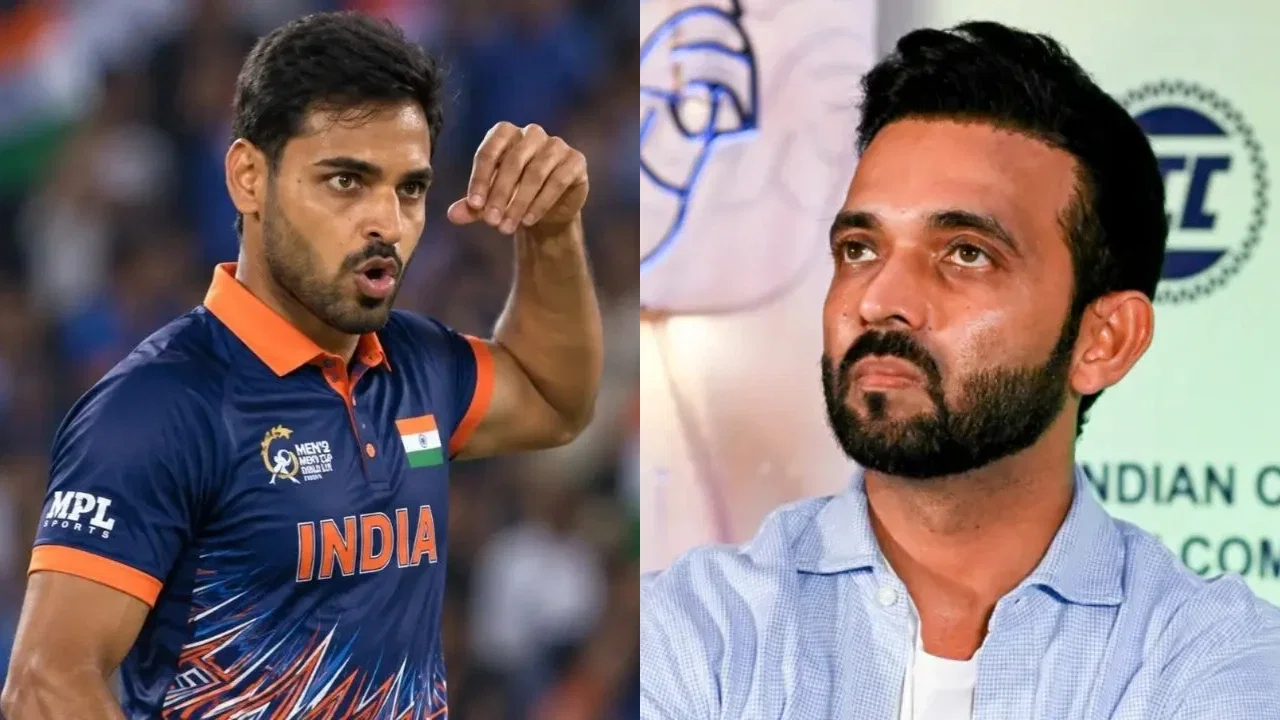
Is Bhuvneshwar Kumar in India’s 2027 World Cup plans? Ajinkya Rahane makes revelation

BCCI’s big ₹127 Crore move after injury crisis raises concerns over Team India

Parthiv Patel reveals RCB ignored his Jasprit Bumrah recommendation in IPL 2014 Auction
“Never spoke ill of any faith”: Irfan Pathan hits back at fake news using his name
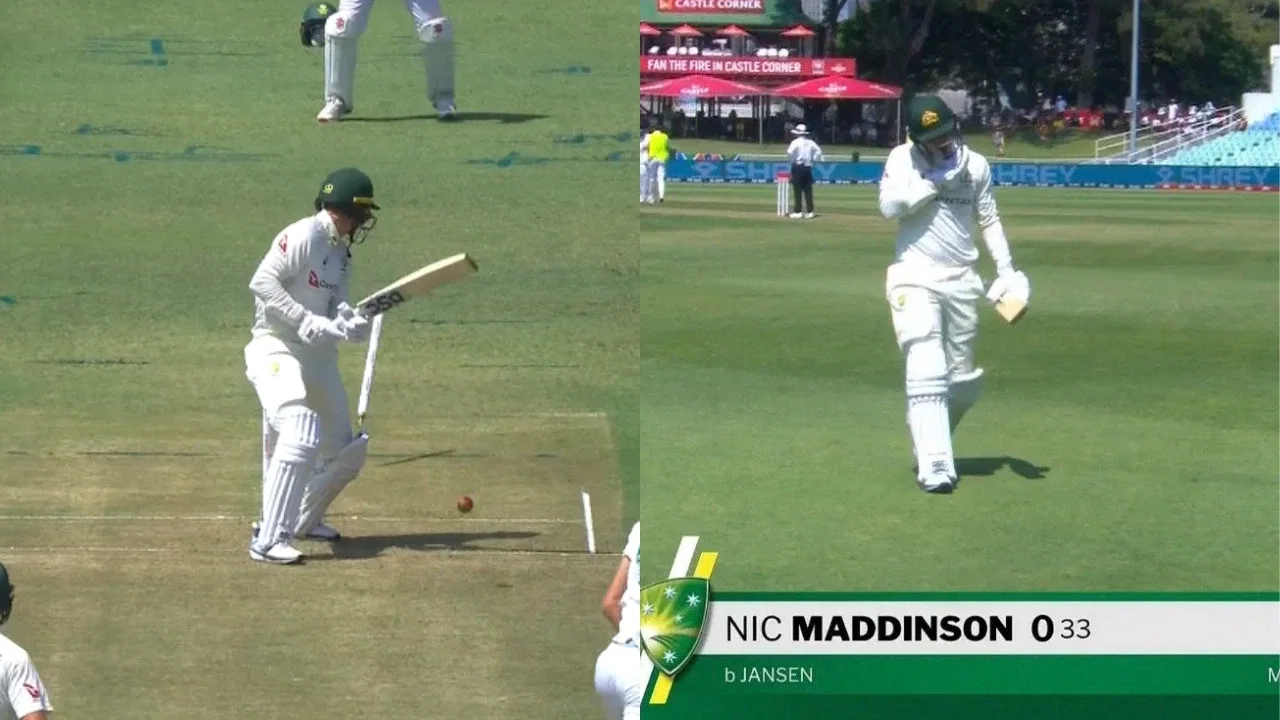
Nic Maddinson bags 33-ball duck on Test comeback, disappoints George Bailey

Imran Tahir predicts 2027 ICC ODI World Cup Semi-Finalists, snubs India for title

Australia create unwanted history with first all-30-plus Test XI