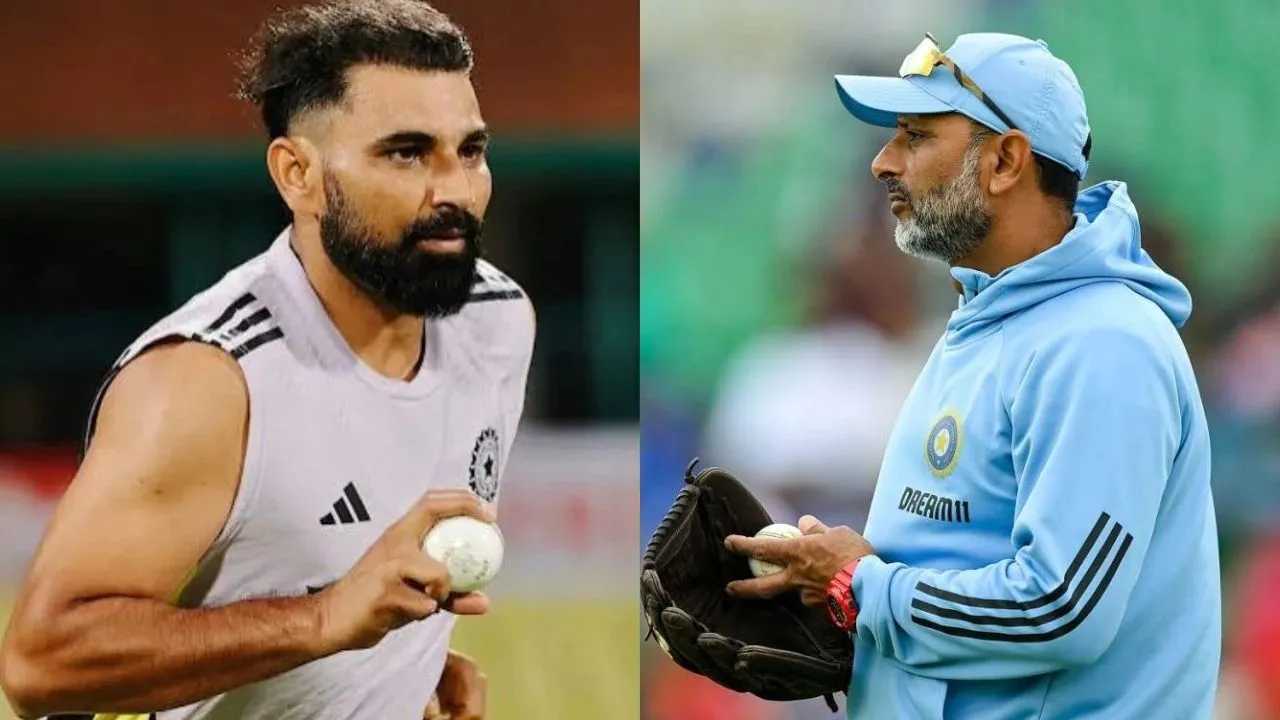
Lost respect: Mohammad Kaif exposes Shubman Gill’s weak leadership after Karun Nair’s axing
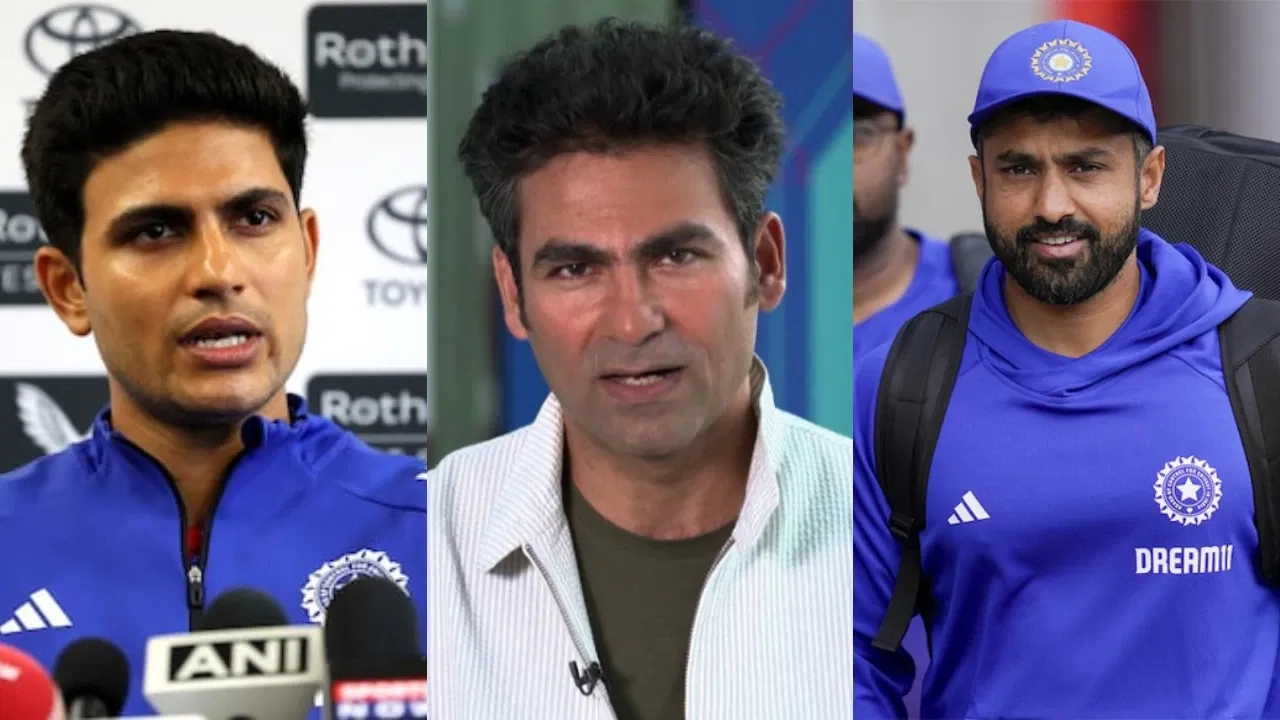
India National Cricket Team captain criticized for dropping Karun Nair
Former Indian cricketer Mohammad Kaif has taken to social media to express his disappointment in India National Cricket Team captain Shubman Gill for dropping struggling batsman Karun Nair from the ongoing fourth Test against England at the Old Trafford Cricket Ground in Manchester. The decision to exclude Nair and bring in Sai Sudharsan has raised questions about Gill’s leadership.
Karun Nair’s Struggles in the Test Series
Karun Nair, who made a comeback to the Indian team after eight years on the back of impressive performances in domestic cricket, has failed to make a significant impact in the ongoing Test series against England. Despite getting good starts, Nair has been unable to convert them into big scores, managing only 131 runs at an average of 21.83 in the first three tests. His highest score has been 40, and his performance in the ongoing series has been lackluster.
Changes in the Indian Team for the Fourth Test
As India aimed to level the ongoing five-match Test series in Manchester after trailing 1-2, they made three changes to the team. Along with Sai Sudharsan replacing Nair, Shardul Thakur and Anshul Kamboj were brought in for the injured Akash Deep and Nitish Kumar Reddy. The decision to drop Nair has drawn criticism from Kaif, who believes that Gill missed an opportunity to support a struggling player and earn respect as a leader.
India’s Tough Luck with Tosses and Venue History
India’s luck with tosses has not been favorable recently, as they have lost 14 tosses in a row, including in ICC events. The Old Trafford Cricket Ground in Manchester has also been a challenging venue for India, as they have never managed to secure a win in the nine Test matches played there. On the other hand, England has been dominant in Manchester, winning 14 out of 20 tests since 2000.
In the ongoing five-match Test series, England has won all four tosses against India. It is worth noting that no team has ever won a Test match at Old Trafford after opting to bowl first, with only 3 losses and 8 draws out of 11 matches. The pressure is on India to turn their luck around and secure a victory in Manchester.
Despite the challenges and criticisms, India remains focused on the must-win fourth Test against England, with hopes of leveling the series and showcasing their resilience and determination on the field.
The Impact of Karun Nair’s Exclusion
While Karun Nair’s exclusion from the Indian team for the fourth Test has sparked controversy, it also raises questions about the team’s selection strategy and the challenges faced by players in high-pressure situations. Nair, known for his ability to play long innings and build partnerships, has struggled to find his form in the series against England. His exclusion could be seen as a harsh but necessary decision to shake things up and bring in fresh talent.
On the other hand, critics argue that dropping Nair may have a demoralizing effect on the player and could impact his confidence moving forward. The role of team management and leadership in supporting struggling players and helping them overcome setbacks is crucial in maintaining a positive team environment and fostering player development.
Leadership and Decision-Making in Cricket
Leadership in cricket extends beyond just on-field performance; it involves making tough decisions, inspiring confidence in the team, and handling criticism with grace. As the captain of the Indian cricket team, Shubman Gill faces the challenge of balancing the team’s best interests with individual player considerations. The decision to drop Karun Nair highlights the complexities of leadership in cricket and the pressure to deliver results.
While critics may question Gill’s choice to exclude Nair, it is essential to acknowledge the responsibility and burden that comes with leadership roles in cricket. Captains often have to make unpopular decisions for the greater good of the team, even if they attract scrutiny from fans, former players, and the media. Gill’s leadership skills will be tested in how he manages the fallout from dropping Nair and navigates the team through the remainder of the series.
India’s Strategy for the Fourth Test
As India faces the challenge of leveling the series against England in the fourth Test, they must regroup, refocus, and adapt their game plan to overcome the odds. With a history of struggles at the Old Trafford Cricket Ground and unfavorable toss results, India needs to approach the match with a strategic mindset and a resilient attitude.
The inclusion of Shardul Thakur and Anshul Kamboj in the team brings fresh energy and talent to the squad, providing an opportunity for new players to make their mark and contribute to India’s success. The team’s collective effort, determination, and unity will be key in overcoming the obstacles posed by the venue and the strong English team.
The Importance of Resilience in Cricket
Cricket is a game of uncertainties, where momentum can shift rapidly, and outcomes are often unpredictable. In the face of challenges, setbacks, and criticisms, resilience becomes a vital trait for players and teams to demonstrate. India’s ability to bounce back from tough situations, adapt to changing conditions, and stay focused on their goals will be crucial in the fourth Test.
Ultimately, the outcome of the fourth Test will not only determine the series result but also serve as a test of India’s character, unity, and spirit as a cricketing nation. The team’s response to adversity, their ability to learn from mistakes, and their determination to fight until the end will showcase the true essence of cricket as a sport of passion, skill, and unwavering commitment.
Latest News
Top 10 highest run-chases in T20 cricket history, ft. West Indies’ Ranchi win vs India
Aaryavir Sehwag and Anvay Dravid set to make headlines at U19 Asia Cup 2026
Longest ducks in Test cricket history ft. Nic Maddinson, Shoaib Akhtar
ECB to offer 39 central contracts to England players after Ben Stokes, Mark Wood’s retirement
Steve Smith surpasses Steve Waugh in all-time Test run-scorers’ list

Shane Watson identifies Gautam Gambhir’s biggest problem as India struggle for consistency
Is Bhuvneshwar Kumar in India’s 2027 World Cup plans? Ajinkya Rahane makes revelation
BCCI’s big ₹127 Crore move after injury crisis raises concerns over Team India
Parthiv Patel reveals RCB ignored his Jasprit Bumrah recommendation in IPL 2014 Auction
“Never spoke ill of any faith”: Irfan Pathan hits back at fake news using his name
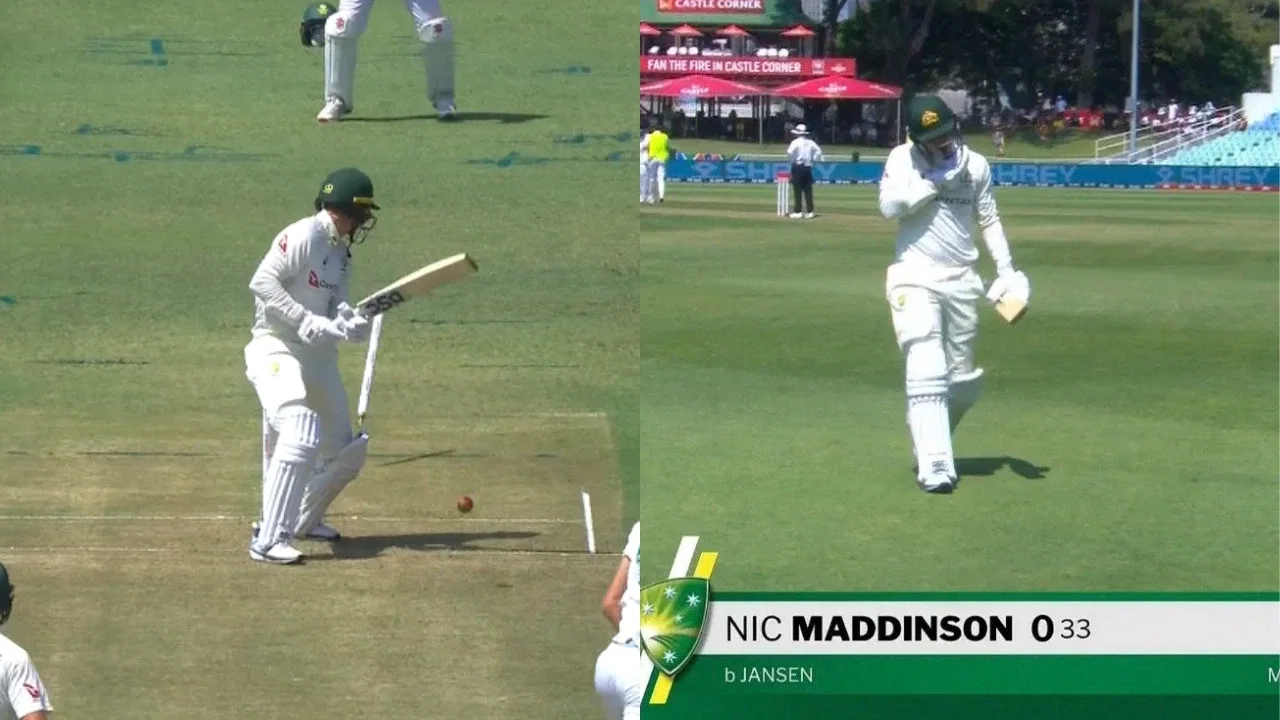
Nic Maddinson bags 33-ball duck on Test comeback, disappoints George Bailey
Imran Tahir predicts 2027 ICC ODI World Cup Semi-Finalists, snubs India for title
Australia create unwanted history with first all-30-plus Test XI
Ravindra Jadeja returns to Ranji Trophy as Saurashtra announce squad