Match-fixing in T20 World Cup 2026 sends shockwaves, Chennai match under scrutiny
Cricket World Rocked by Corruption Allegations and Match Fixing Probe
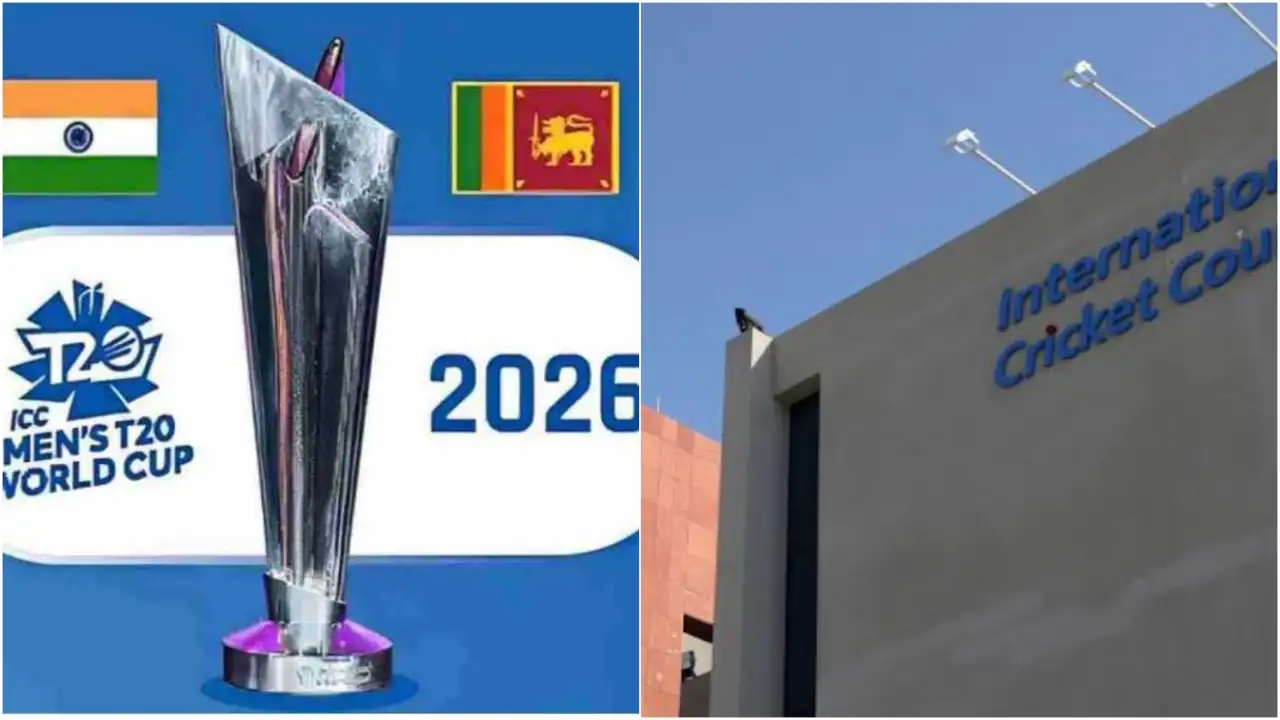
Recent allegations of corruption and match fixing have once again sent shockwaves through the cricket world, prompting the International Cricket Council’s (ICC) anti-corruption unit to launch an investigation. The focus of the accusations is on the Canadian senior men’s cricket team and a specific match during the 2026 T20 World Cup, jointly hosted by India and Sri Lanka.
Investigation into Canada vs New Zealand T20 World Cup 2026 Match
During the group stage of the T20 World Cup 2026, Canada faced off against New Zealand on February 17 in Chennai. New Zealand emerged victorious by 8 wickets and 29 balls to spare, chasing a target of 174. However, allegations of match fixing have cast a shadow over the result.
A documentary titled ‘Corruption, Crime and Cricket’ produced by The Fifth Estate, a Canadian investigative program, raised concerns about the integrity of the game. The film, aired by CBC (Canadian Broadcasting Corporation), alleges corruption and governance issues within Canada Cricket, particularly focusing on the match against New Zealand.
Accusations Against Canada Team Captain
The documentary suggests that the Canadian team captain may have intentionally conceded extra runs during the match. In a controversial move, the captain, primarily known for his batting skills, took to the bowling crease against New Zealand and reportedly bowled a no-ball, a wide down the leg side, and ended up giving away 15 runs in the over.
Furthermore, investigations are also looking into the selection process of the Canadian team. There are suspicions that the coach, Khurram Chohan, faced pressure from the board to include certain players in the squad.
Official Statement from the Anti-Corruption Unit
Andrew Ephgrave, interim General Manager of the ICC’s Integrity Unit, stated, “The ACU is aware of the program broadcast by CBC. Consistent with its established operating procedures, the ACU is not in a position to comment on the substance of any allegations contained within it.” He emphasized the ICC’s commitment to upholding the integrity of the sport through intelligence, prevention, education, and investigation.
In addition to the T20 World Cup 2026 claims, the documentary also highlighted allegations from former coach Pubudu Dassanayake regarding the team selection process for the 2024 T20 World Cup. Dassanayake claimed that he was pressured by the board to pick specific players, and when he resisted, he was threatened with contract termination.
As the cricket community waits for the outcome of the investigation, the sport is once again grappling with the damaging effects of corruption and match fixing allegations. The ICC’s anti-corruption unit remains committed to ensuring the integrity of the game and holding accountable those who seek to compromise it.
Impact on Canadian Cricket
The allegations of corruption and match fixing have not only tarnished the reputation of the Canadian senior men’s cricket team but have also raised concerns about the state of cricket governance in Canada. The spotlight on the team captain and the selection process has put Canadian cricket under intense scrutiny, prompting questions about the transparency and accountability of the sport in the country.
Members of the Canadian cricket community have expressed shock and disappointment at the allegations, emphasizing the need for swift and thorough investigations to uncover the truth. The Canadian Cricket Association (CCA) has issued a statement condemning any form of corruption in the sport and pledging full cooperation with the ICC’s anti-corruption unit to address the allegations.
Global Ramifications of Corruption in Cricket
While the focus may currently be on the Canadian cricket team, the implications of corruption and match fixing extend far beyond one country or one team. The integrity of cricket as a global sport is at stake when allegations of misconduct surface, affecting players, fans, sponsors, and the overall credibility of the game.
Instances of corruption in cricket have the potential to erode trust in the sport, leading to a decline in viewership, sponsorship deals, and investment. The ICC’s efforts to combat corruption and uphold the integrity of cricket are crucial in maintaining the long-term sustainability and reputation of the game on an international scale.
Education and Prevention Strategies
As the investigation into the allegations unfolds, there is a growing recognition of the importance of education and prevention strategies in safeguarding cricket against corruption. Ensuring that players, coaches, officials, and administrators are well-informed about the risks and consequences of engaging in unethical behavior is key to deterring malpractice within the sport.
The ICC, in collaboration with national cricket boards, has been ramping up efforts to educate stakeholders about anti-corruption measures and to promote a culture of transparency and integrity in cricket. Training programs, workshops, and awareness campaigns play a vital role in empowering individuals to make ethical decisions and resist any attempts to compromise the game.
Rebuilding Trust in Cricket
While the current allegations have cast a shadow over the cricket world, there is an opportunity for the sport to emerge stronger and more resilient from this challenging period. By addressing issues of corruption head-on, implementing robust governance structures, and holding accountable those responsible for misconduct, cricket can begin the process of rebuilding trust and restoring faith in its integrity.
Transparency, accountability, and a commitment to fair play are essential components in regaining the confidence of players and fans alike. The ongoing efforts of the ICC’s anti-corruption unit and national cricket authorities are crucial in demonstrating a zero-tolerance approach towards corruption and ensuring that the spirit of cricket is upheld at all levels of the game.
Conclusion
As the investigation into the corruption allegations surrounding the Canada vs New Zealand T20 World Cup 2026 match continues, the cricket community remains vigilant in safeguarding the integrity of the sport. The revelations have sparked important conversations about the need for ethical conduct, governance reform, and proactive measures to prevent corruption in cricket.
By learning from past mistakes, implementing stringent anti-corruption protocols, and fostering a culture of integrity, cricket can move towards a future where trust is restored, and the focus remains squarely on the thrilling competition and sportsmanship that define the essence of the game.
Latest News

Top 10 highest run-chases in T20 cricket history, ft. West Indies’ Ranchi win vs India
Aaryavir Sehwag and Anvay Dravid set to make headlines at U19 Asia Cup 2026
Longest ducks in Test cricket history ft. Nic Maddinson, Shoaib Akhtar
ECB to offer 39 central contracts to England players after Ben Stokes, Mark Wood’s retirement
Steve Smith surpasses Steve Waugh in all-time Test run-scorers’ list

Shane Watson identifies Gautam Gambhir’s biggest problem as India struggle for consistency
Is Bhuvneshwar Kumar in India’s 2027 World Cup plans? Ajinkya Rahane makes revelation
BCCI’s big ₹127 Crore move after injury crisis raises concerns over Team India

Parthiv Patel reveals RCB ignored his Jasprit Bumrah recommendation in IPL 2014 Auction
“Never spoke ill of any faith”: Irfan Pathan hits back at fake news using his name
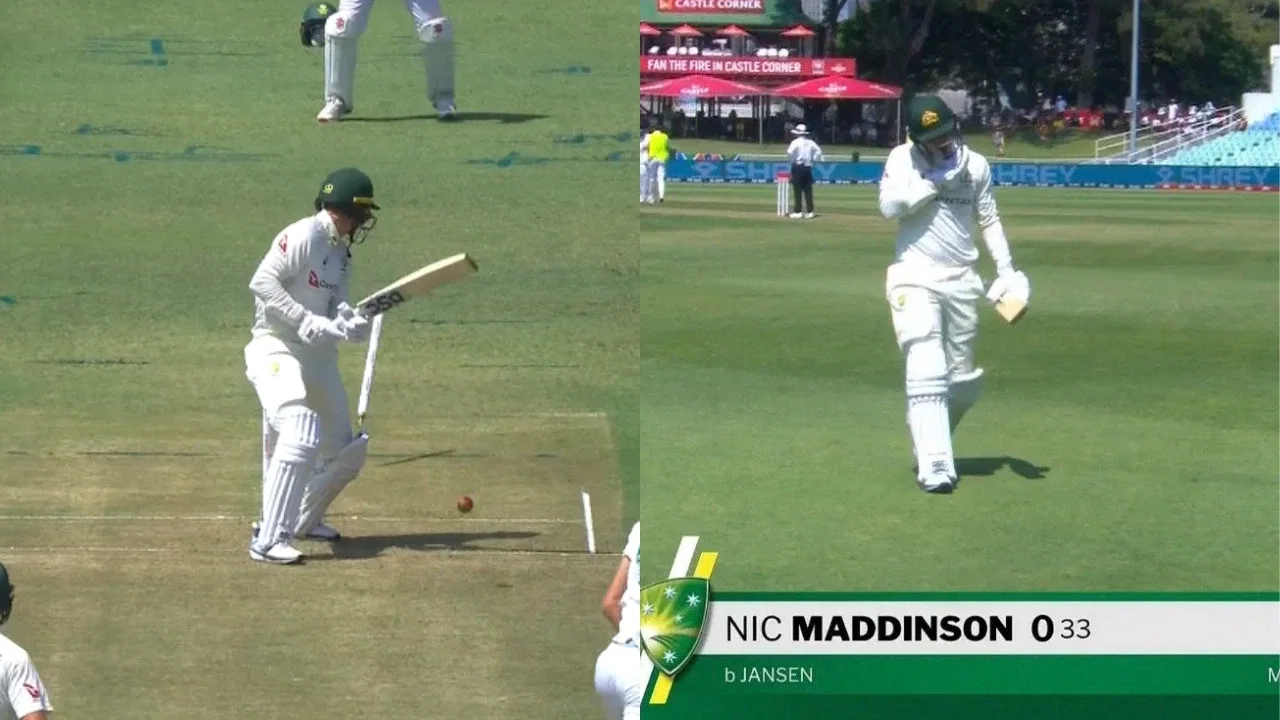
Nic Maddinson bags 33-ball duck on Test comeback, disappoints George Bailey

Imran Tahir predicts 2027 ICC ODI World Cup Semi-Finalists, snubs India for title
Australia create unwanted history with first all-30-plus Test XI
Ravindra Jadeja returns to Ranji Trophy as Saurashtra announce squad