Matthew Hayden warns franchise boom is threatening ODI cricket
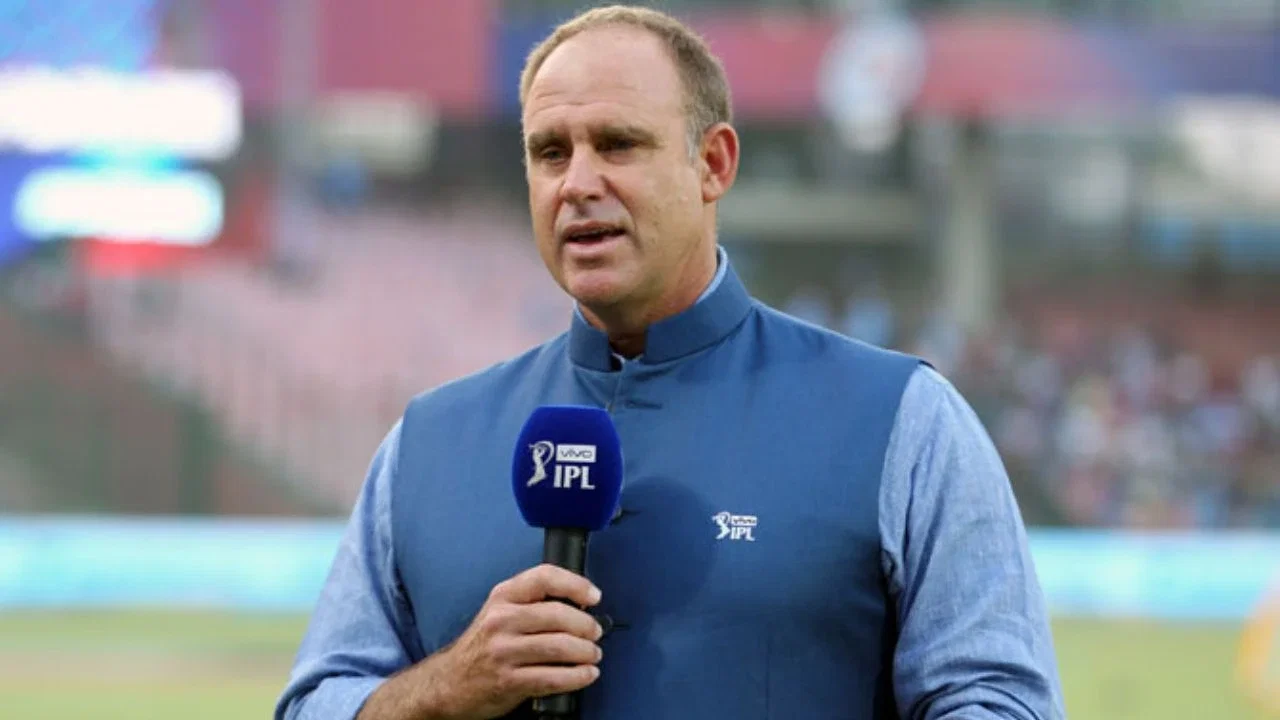
Matthew Hayden Raises Concerns Over ODI Cricket Amid Franchise League Dominance
Legendary Australian cricketer Matthew Hayden has expressed his apprehensions regarding the future of international cricket as franchise leagues continue to gain prominence worldwide. According to Hayden, the landscape of the sport is evolving rapidly, with club and franchise cricket emerging as powerful entities that pose new challenges to traditional international formats.
The Growing Influence of Franchise Leagues
Hayden has emphasized that the One-Day International (ODI) format is particularly at risk amidst the rise of franchise-based competitions. While Test cricket and T20I games still garner significant attention, the ODI format is struggling to maintain its relevance in the current scenario. This predicament has prompted Hayden to call for immediate action from global cricket authorities.
“World cricket is undergoing a transformation, with franchise leagues increasingly dominating the cricketing calendar,” Hayden stated. He acknowledged that this shift was inevitable, considering the trend in other sports towards club-centric competitions. However, he believes that this trend poses a significant challenge to international cricket.
Hayden’s Call to Action
The cricketing icon has urged the International Cricket Council (ICC) to safeguard the essence of international cricket while effectively managing the proliferation of franchise tournaments. Hayden emphasized the need for collaboration between the ICC and cricket boards to devise a sustainable long-term strategy that preserves all formats of the game, especially the ODI format.
In a statement to PTI Video, Hayden remarked, “The ICC must address the pressing issues at hand and engage with stakeholders to formulate a comprehensive plan to address these challenges.”
Uncertain Future of ODI Cricket
Hayden reiterated his concerns about the uncertain future of ODI cricket, citing the allure of franchise tournaments that attract players away from traditional international fixtures. He pointed out that bilateral cricket series have struggled to generate the same level of excitement in recent years, with only a few high-profile tours capturing global interest.
While acknowledging the success of initiatives like the ICC World Test Championship in revitalizing Test cricket, Hayden emphasized the need to address the multiple uncertainties surrounding the ODI format and bilateral cricket engagements.
Protecting Smaller Cricket Nations
Additionally, Hayden highlighted the challenges faced by smaller cricketing nations such as the West Indies, Bangladesh, and Sri Lanka, who are struggling to compete with powerhouse nations like India, Australia, and England. He emphasized the importance of protecting and supporting these teams to ensure the diversity and inclusivity of international cricket.
Hayden clarified that his advocacy for the preservation of ODI cricket does not diminish the value of franchise leagues in expanding the game’s reach and inspiring new generations of players. However, he stressed the significance of striking a balance between international and franchise cricket to secure the future of all formats.
In conclusion, Hayden emphasized the need for open dialogue and concerted efforts among cricketing authorities to navigate the evolving landscape of the sport and safeguard its legacy for future generations.
The Evolution of Franchise Leagues in Cricket
Franchise leagues in cricket have become a global phenomenon, attracting top players from around the world and captivating audiences with their high-octane matches and star-studded line-ups. Leagues like the Indian Premier League (IPL), Big Bash League (BBL), and Caribbean Premier League (CPL) have revolutionized the way cricket is played and consumed, offering a unique blend of entertainment and competition.
These leagues have not only provided a platform for emerging talents to showcase their skills but have also created a new ecosystem of cricketing economics, with players earning lucrative contracts and franchises investing heavily in talent acquisition and player development. The success of franchise leagues has undoubtedly reshaped the cricketing landscape, challenging the traditional dominance of international fixtures.
Balancing Act: International vs. Franchise Cricket
As franchise leagues continue to rise in popularity and financial clout, the delicate balance between international and franchise cricket becomes increasingly crucial. While franchise leagues offer a fast-paced and commercially lucrative platform for players, they must coexist harmoniously with international cricket to preserve the sport’s heritage and global appeal.
Matthew Hayden’s concerns echo the sentiments of many cricketing purists who fear that the allure of franchise leagues may overshadow the significance of representing one’s country in international competitions. The challenge lies in finding a sustainable model that allows players to participate in both formats without compromising the integrity and competitiveness of either.
Innovations in ODI Cricket
One way to rejuvenate the ODI format and enhance its attractiveness in the face of franchise league dominance is through innovative changes and adaptations. The introduction of new rules such as the use of two new balls, powerplays, and fielding restrictions has injected a fresh dynamic into ODI cricket, making it more engaging for players and spectators alike.
Furthermore, organizing multi-nation tournaments and revamping the ODI calendar to create more context and significance for bilateral series could help reignite interest in the format. By aligning ODI cricket with the evolving preferences of modern audiences and incorporating elements of excitement and competition, the format can reclaim its status as a cornerstone of international cricket.
Empowering Smaller Cricketing Nations
Another crucial aspect of sustaining the diversity and inclusivity of international cricket is empowering smaller cricketing nations to compete on equal footing with their larger counterparts. Initiatives like the World Test Championship and the Future Tours Programme aim to provide a structured framework for all nations to participate in meaningful and competitive fixtures, strengthening the overall fabric of the sport.
Supporting development programs, investing in grassroots cricket, and fostering talent pipelines in emerging cricketing nations is essential to ensure a level playing field in the global cricketing landscape. By nurturing talent and providing opportunities for players from all backgrounds, cricket can continue to thrive as a truly inclusive and diverse sport.
Collaborative Approach for the Future of Cricket
Ultimately, navigating the evolving dynamics of international and franchise cricket requires a collaborative approach from all stakeholders involved. The ICC, cricket boards, players, and franchises must come together to chart a course that upholds the values of cricket while embracing innovation and change.
By fostering open dialogue, embracing technological advancements, and adapting to the shifting preferences of fans and players, cricket can evolve into a sustainable and vibrant sport that resonates with audiences worldwide. Matthew Hayden’s concerns serve as a poignant reminder of the challenges and opportunities that lie ahead, urging the cricketing community to unite in safeguarding the legacy of the game for generations to come.
Latest News

Top 10 highest run-chases in T20 cricket history, ft. West Indies’ Ranchi win vs India

Aaryavir Sehwag and Anvay Dravid set to make headlines at U19 Asia Cup 2026

Longest ducks in Test cricket history ft. Nic Maddinson, Shoaib Akhtar

ECB to offer 39 central contracts to England players after Ben Stokes, Mark Wood’s retirement

Steve Smith surpasses Steve Waugh in all-time Test run-scorers’ list

Shane Watson identifies Gautam Gambhir’s biggest problem as India struggle for consistency

Is Bhuvneshwar Kumar in India’s 2027 World Cup plans? Ajinkya Rahane makes revelation

BCCI’s big ₹127 Crore move after injury crisis raises concerns over Team India

Parthiv Patel reveals RCB ignored his Jasprit Bumrah recommendation in IPL 2014 Auction

“Never spoke ill of any faith”: Irfan Pathan hits back at fake news using his name

Nic Maddinson bags 33-ball duck on Test comeback, disappoints George Bailey

Imran Tahir predicts 2027 ICC ODI World Cup Semi-Finalists, snubs India for title

Australia create unwanted history with first all-30-plus Test XI

Ravindra Jadeja returns to Ranji Trophy as Saurashtra announce squad