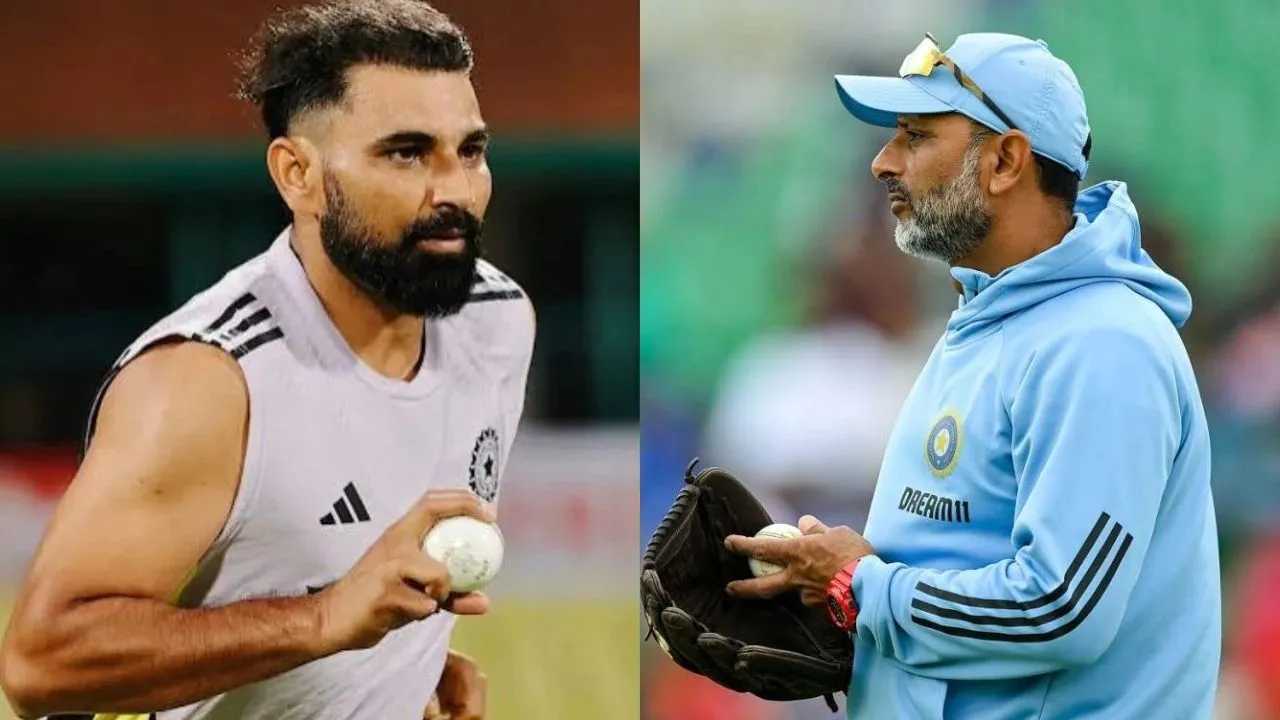
Mayank Yadav, Ashok Sharma create rare record, become first India pair born on same day to open bowling
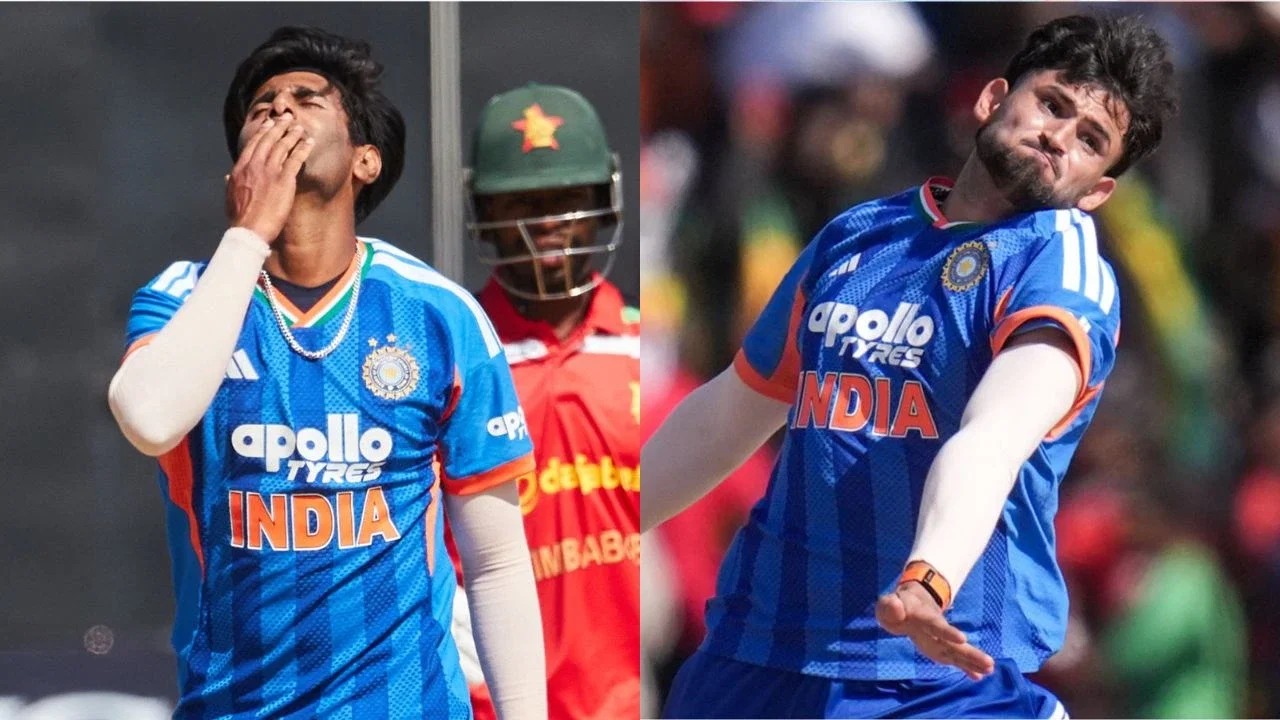
India’s Mayank Yadav and Ashok Sharma Make History in T20I Debut
India’s new-ball pair of Mayank Yadav and Ashok Sharma made headlines during their first T20I match against Zimbabwe in Harare. While their pace impressed spectators, what truly stood out was the fact that they share the same date of birth, June 17, 2002. This unique coincidence made them the first Indian opening bowling pair in men’s T20Is to achieve this rare feat.
A Record-breaking Debut
This historic moment took place during the opening T20I between India and Zimbabwe, where Mayank Yadav and debutant Ashok Sharma led India’s pace attack. The pair’s shared birthday added an extra layer of uniqueness to an already special evening for the two young fast bowlers. Mayank, who was returning to international cricket after an injury layoff, and Ashok, who was making his India debut, provided an impressive start to the match.
Mayank Yadav wasted no time in making an impact, dismissing Brian Bennett for a golden duck with the very first ball of the match. Operating consistently in the mid-to-high 140 kmph range, Mayank troubled Zimbabwe’s batters throughout his spell, finishing with outstanding figures of 2/18 in four overs. His remarkable performance earned him the Player of the Match award.
On the other hand, Ashok Sharma had a promising international debut, consistently touching the mid-140 kmph mark and troubling Zimbabwe’s batsmen with his pace and lengths. Despite going wicketless, Ashok showcased his potential to become a regular feature in India’s fast-bowling setup with his control and composure.
India’s Victory and Shreyas Iyer’s Winning Start
India secured a convincing seven-wicket victory in the first match, taking a 1-0 lead in the series under the captaincy of Shreyas Iyer. This win not only ended India’s seven-match winless streak in the format but also marked Iyer’s first victory as India’s T20I captain.
The chase was led by Vaibhav Sooryavanshi, who smashed a quickfire 50 off just 19 balls, supported by Ishan Kishan’s fluent 35 off 24 deliveries. Captain Shreyas Iyer remained unbeaten on 28 as India chased down Zimbabwe’s total of 125/7 with 40 balls to spare. The emphatic victory also became India’s fourth-fastest successful pursuit of a 120-plus target in men’s T20Is in terms of balls remaining.
This memorable debut for Mayank Yadav and Ashok Sharma, coupled with India’s commanding victory under Shreyas Iyer’s leadership, marks a promising start to the T20I series against Zimbabwe.
The Impact of Predictive Analytics in Cricket
As cricket continues to evolve with the advancement of technology, predictive analytics has become an essential tool for teams to analyze player performance, make strategic decisions, and even predict the outcome of matches. In the case of Mayank Yadav and Ashok Sharma’s remarkable debut, predictive analytics could have played a significant role in identifying their potential and ensuring their selection for the T20I match against Zimbabwe.
By utilizing historical data, player statistics, and performance metrics, cricket teams can identify talent, assess player readiness, and make informed decisions about team composition. In the case of Mayank and Ashok, predictive analytics may have identified their skill set, potential impact, and readiness for international cricket, leading to their selection as India’s opening bowling pair.
Fostering a Culture of Youth Development in Indian Cricket
The debut of Mayank Yadav and Ashok Sharma in the T20I match against Zimbabwe highlights India’s commitment to fostering young talent and providing opportunities for promising cricketers to showcase their skills at the international level. With a strong emphasis on youth development programs and talent scouting initiatives, Indian cricket is continuously investing in grooming the next generation of players.
Identifying and nurturing young talents like Mayank and Ashok not only strengthens the talent pool but also ensures a sustainable future for Indian cricket. As these young players continue to make their mark on the international stage, it underscores India’s dedication to nurturing talent and building a strong foundation for the sport’s future.
The Evolution of India’s Fast Bowling Department
India’s traditional strength in cricket has been its batting prowess, but in recent years, the emergence of talented fast bowlers like Mayank Yadav and Ashok Sharma has signaled a shift in focus towards developing a formidable pace attack. With an increasing emphasis on nurturing fast bowling talent and building a strong bowling unit, India is laying the groundwork for a more well-rounded and competitive team in all formats of the game.
The success of Mayank and Ashok in their T20I debut reflects the progress India has made in developing fast bowlers who can deliver match-winning performances. As India continues to invest in the development of young pacers and prioritize their growth and success, the team’s bowling department is poised to become a force to be reckoned with on the international stage.
Looking Ahead: The Future of Indian Cricket
As India’s young talents like Mayank Yadav and Ashok Sharma continue to shine on the international stage, the future of Indian cricket looks bright. With a blend of experienced stalwarts and emerging talents, India is well-positioned to maintain its dominance in world cricket across all formats.
The performance of Mayank and Ashok in their T20I debut not only bodes well for India’s present but also sets the stage for a promising future where young players are given the opportunity to thrive and make significant contributions to the team’s success. With a strong emphasis on youth development, talent identification, and strategic planning, India is on the right track to sustain its position as a cricketing powerhouse for years to come.
By expanding on the debut of Mayank Yadav and Ashok Sharma in the T20I match against Zimbabwe and delving into the impact of predictive analytics, youth development initiatives, the evolution of India’s fast bowling department, and the future of Indian cricket, this expanded content provides a comprehensive perspective on the significance of this historic moment and its implications for the sport in India.
Latest News
Top 10 highest run-chases in T20 cricket history, ft. West Indies’ Ranchi win vs India
Aaryavir Sehwag and Anvay Dravid set to make headlines at U19 Asia Cup 2026
Longest ducks in Test cricket history ft. Nic Maddinson, Shoaib Akhtar
ECB to offer 39 central contracts to England players after Ben Stokes, Mark Wood’s retirement
Steve Smith surpasses Steve Waugh in all-time Test run-scorers’ list
Shane Watson identifies Gautam Gambhir’s biggest problem as India struggle for consistency
Is Bhuvneshwar Kumar in India’s 2027 World Cup plans? Ajinkya Rahane makes revelation
BCCI’s big ₹127 Crore move after injury crisis raises concerns over Team India
Parthiv Patel reveals RCB ignored his Jasprit Bumrah recommendation in IPL 2014 Auction
“Never spoke ill of any faith”: Irfan Pathan hits back at fake news using his name
Nic Maddinson bags 33-ball duck on Test comeback, disappoints George Bailey
Imran Tahir predicts 2027 ICC ODI World Cup Semi-Finalists, snubs India for title
Australia create unwanted history with first all-30-plus Test XI
Ravindra Jadeja returns to Ranji Trophy as Saurashtra announce squad