MCC makes new rule change in Test cricket; BCCI accepts it

MCC Proposes New Rule Changes for Test Cricket
Cricket, a sport steeped in tradition, is no stranger to rule changes over the years. The Marylebone Cricket Club (MCC), the guardians of the laws of the game, recently proposed a new rule change for the Test format of cricket. This proposal, which has been accepted by the Board of Control for Cricket in India (BCCI), aims to bring about significant alterations to the way the game is played.
Final Over Completion Rule
One of the key changes put forward by the MCC involves the completion of the final over of the day, even if a wicket falls during that over. Previously, in Test cricket, if a wicket fell during the final over, play would be called off for the day. However, with the new rule (clause 12.5.2), the final over will now be completed regardless of any dismissals. This change prevents batting sides from avoiding sending in a new batter late in the day, providing a fairer playing field for both teams.
BCCI’s Acceptance and Implementation
The BCCI has shown support for the proposed rule changes by incorporating them into the Summary of Changes to the Playing Conditions for the upcoming cricket season. These changes, which will be applicable in the 2026-27 season, include removing gendered language from the laws of the game and other relevant modifications discussed by the BCCI.
Additional Rule Changes
Besides the completion of the final over, other rule changes have been proposed by the MCC to enhance the integrity of the game. One such change involves bowlers being banned from bowling for the rest of the match if they deliberately bowl a front-foot no-ball or an improperly delivered ball. This amendment (clause 41.8) ensures strict penalties for such infractions, applying them to the entirety of the match rather than just the innings.
Furthermore, fielders who intentionally stop the ball before it reaches the batter will now be penalized with a No Ball and a Dead Ball, reinforcing fair play and sportsmanship on the field. Additionally, teams will no longer be permitted to declare or forfeit in the final innings of a match, as this practice was deemed detrimental to the spirit of the game.
Conclusion
With these proposed rule changes, the landscape of Test cricket is set to evolve, ensuring a level playing field and upholding the integrity of the sport. While these changes may take some time to fully integrate into the game, they signify a commitment to fair play and sportsmanship in the world of cricket.
Evolution of Test Cricket Rules
Throughout the history of cricket, Test matches have seen a multitude of rule changes aimed at refining the game and adapting to modern trends. The proposed amendments by the MCC represent a continued effort to enhance the quality of Test cricket and address emerging challenges faced by teams and players.
Impact on Strategy and Gameplay
The new rule regarding the completion of the final over introduces a strategic element to the end of each day’s play. Teams will now need to carefully consider their batting lineup and the potential consequences of sending in a new batter during a crucial over. This change not only adds complexity to decision-making but also ensures that matches remain exciting and competitive until the very end.
By imposing stricter penalties for bowling infractions and fielding violations, the MCC aims to uphold the spirit of fair play and maintain the integrity of the game. These amendments serve as a deterrent against unsportsmanlike conduct while promoting a culture of respect and honesty on the field.
Response from Cricket Community
The acceptance of these rule changes by the BCCI reflects a collective effort within the cricket community to adapt to the evolving dynamics of the sport. With input from various stakeholders, including players, coaches, and officials, these amendments have been carefully crafted to address common issues and improve the overall experience of Test cricket.
Fans and analysts alike have welcomed these proposed changes as a positive step towards modernizing the game while preserving its traditional essence. The emphasis on fairness, competitiveness, and sportsmanship resonates with cricket enthusiasts who value the rich heritage and values associated with the sport.
Future of Test Cricket
As cricket continues to evolve, Test matches serve as a cornerstone of the sport, embodying the essence of endurance, skill, and strategy. The proposed rule changes by the MCC pave the way for a more dynamic and engaging Test cricket experience, appealing to a broader audience and ensuring the longevity of the format in the ever-changing landscape of sports entertainment.
While the implementation of these new rules may pose initial challenges and adjustments for players and teams, they ultimately contribute to a more competitive and compelling Test cricket environment. As the sport embraces innovation and adapts to contemporary standards, the future of Test cricket appears promising and exciting for players, fans, and stakeholders alike.
By envisioning the evolution of Test cricket through these proposed rule changes, the sport looks towards a brighter and more inclusive future, rooted in tradition yet open to innovation and progress.
Latest News

Top 10 highest run-chases in T20 cricket history, ft. West Indies’ Ranchi win vs India

Aaryavir Sehwag and Anvay Dravid set to make headlines at U19 Asia Cup 2026
Longest ducks in Test cricket history ft. Nic Maddinson, Shoaib Akhtar

ECB to offer 39 central contracts to England players after Ben Stokes, Mark Wood’s retirement

Steve Smith surpasses Steve Waugh in all-time Test run-scorers’ list

Shane Watson identifies Gautam Gambhir’s biggest problem as India struggle for consistency

Is Bhuvneshwar Kumar in India’s 2027 World Cup plans? Ajinkya Rahane makes revelation

BCCI’s big ₹127 Crore move after injury crisis raises concerns over Team India

Parthiv Patel reveals RCB ignored his Jasprit Bumrah recommendation in IPL 2014 Auction

“Never spoke ill of any faith”: Irfan Pathan hits back at fake news using his name
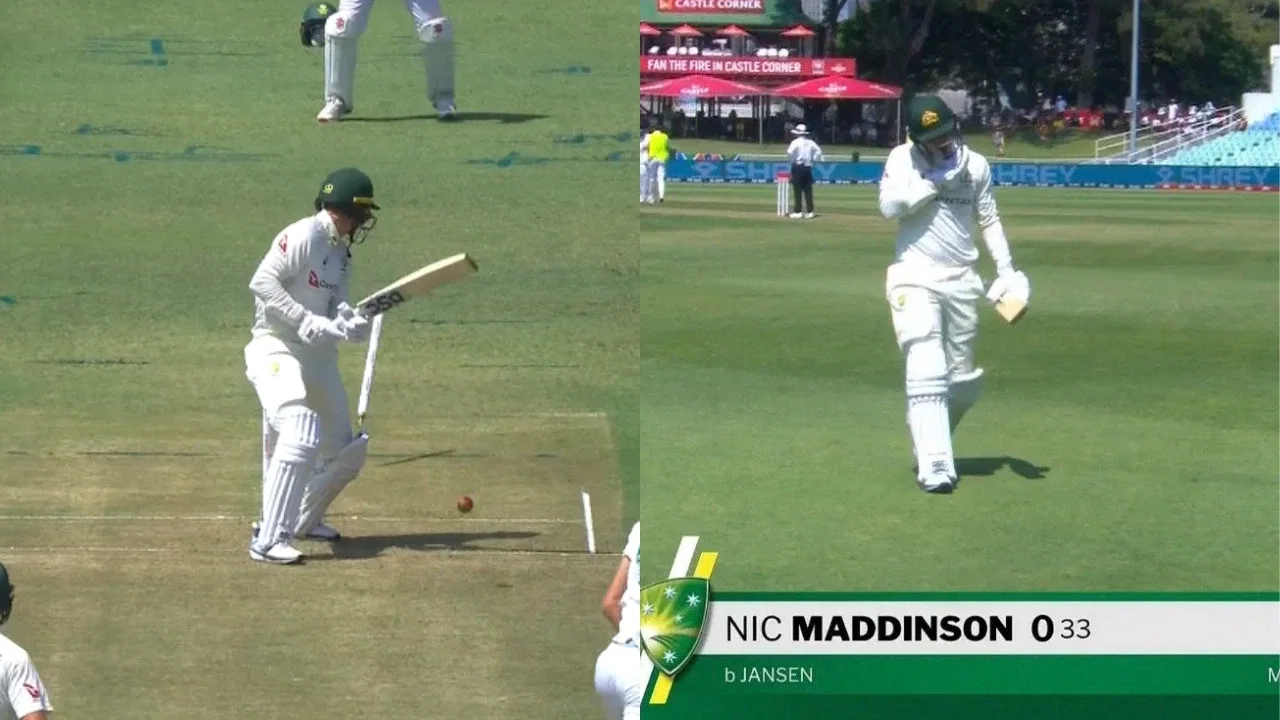
Nic Maddinson bags 33-ball duck on Test comeback, disappoints George Bailey

Imran Tahir predicts 2027 ICC ODI World Cup Semi-Finalists, snubs India for title
Australia create unwanted history with first all-30-plus Test XI
Ravindra Jadeja returns to Ranji Trophy as Saurashtra announce squad