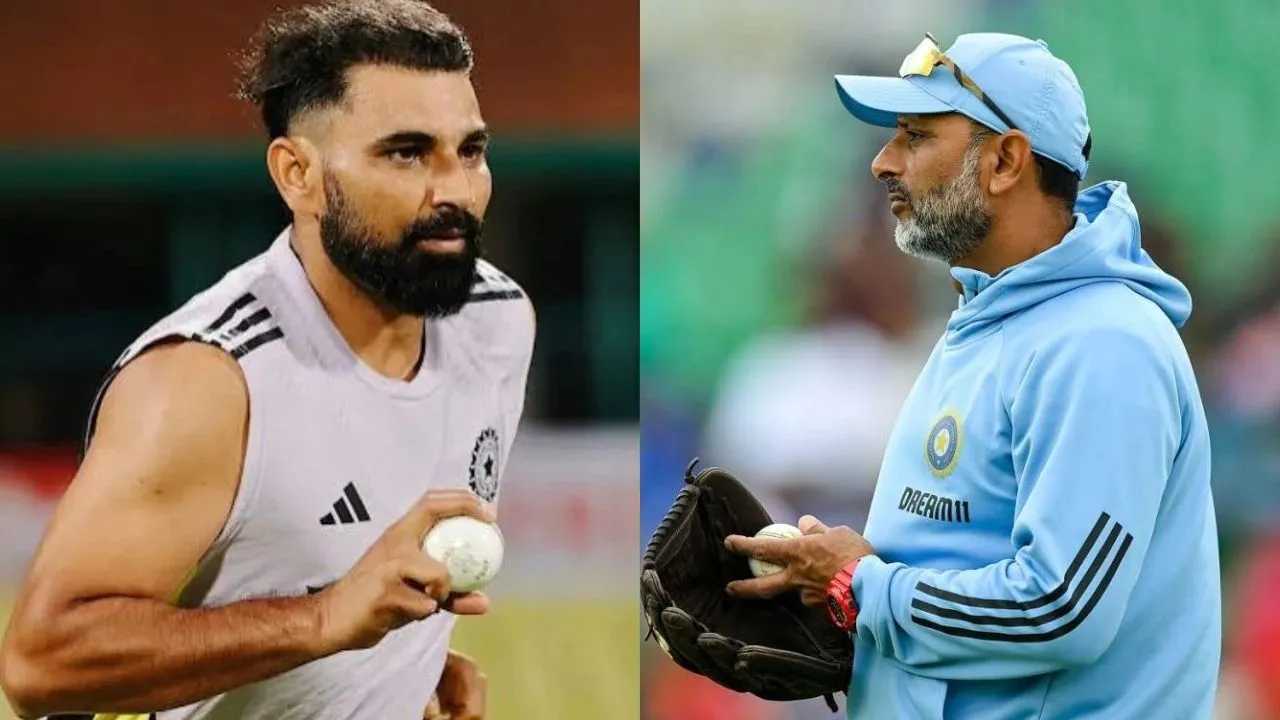
Mitchell Starc insulted by Ex-India star after T20I retirement: ‘He can be very expensive’
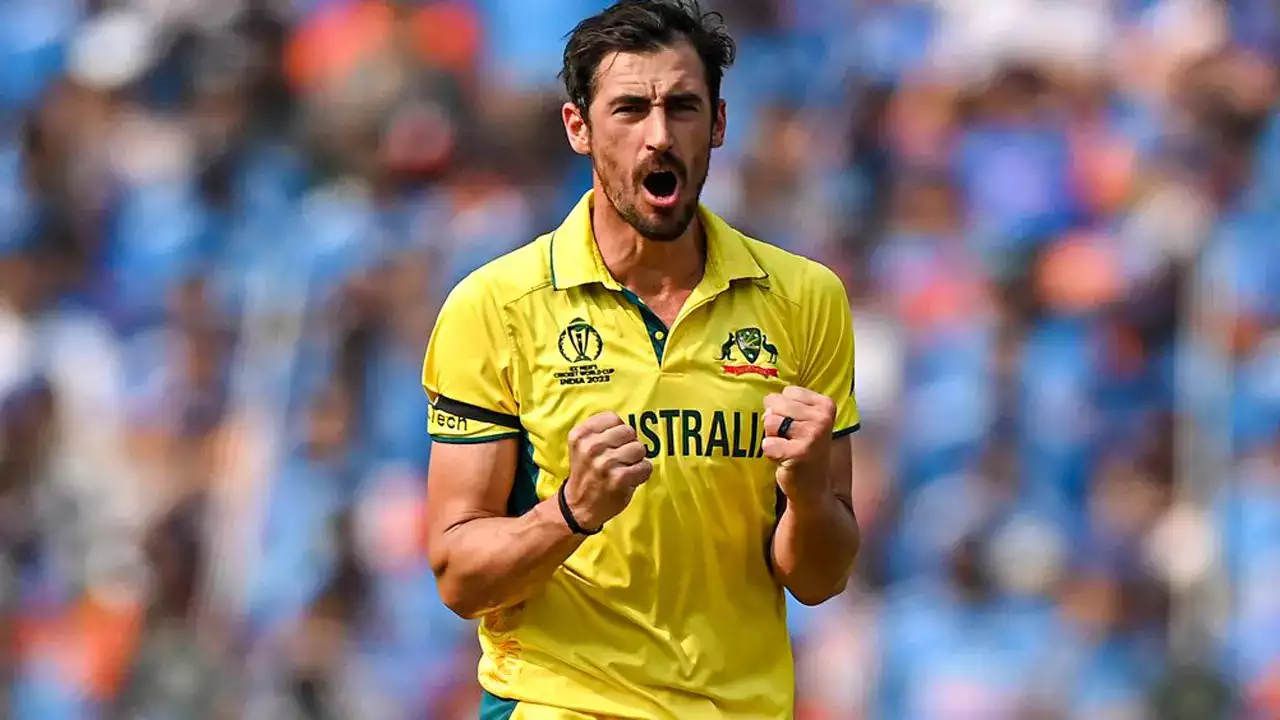
Aakash Chopra Shares Insights on Mitchell Starc’s T20I Retirement
Renowned Indian cricket analyst Aakash Chopra recently provided his perspective on the unexpected retirement of Australian fast bowler Mitchell Starc from T20 International cricket. Chopra expressed his surprise at Starc’s decision but also highlighted the reasons behind it.
Surprise and Reasoning
Chopra, known for his insightful analysis of the game, admitted that Starc’s retirement caught him off guard. However, he pointed out that the pacer’s economy rate in T20Is could be a contributing factor. Despite acknowledging Starc’s exceptional bowling skills, Chopra mentioned that the speedster has been prone to conceding runs frequently, making him a costly option in the shortest format of the game.
World Cup Consideration
Starc’s retirement announcement came at a crucial juncture as the ICC T20 World Cup is scheduled for the next year, and Australia has several T20I series lined up in the coming months. This decision generated mixed reactions within the cricketing community, with many questioning the timing of Starc’s call.
Red-Ball and One-Day Focus
Chopra speculated that Starc’s early retirement from T20Is could be a strategic move to extend his red-ball and one-day cricket careers. He emphasized the significance of events like the Ashes and World Cups for Australian cricketers, suggesting that Starc might be prioritizing these formats over T20Is.
The Money Factor
Discussing the financial aspects of modern-day cricket, Chopra highlighted that players now have ample opportunities to earn through T20 leagues. He cited Starc’s lucrative deals in the IPL auctions as an example, emphasizing that monetary considerations could influence players’ retirement decisions.
Contrasting Views on Test Cricket
While reflecting on Starc’s T20I retirement, Chopra also expressed his thoughts on the premature retirements of Indian stalwarts like Virat Kohli and Rohit Sharma from Test cricket. He questioned the timing of their decisions, suggesting that they should have prioritized Tests over ODIs, considering the limited number of ODI matches played nowadays.
Final Thoughts
Chopra’s analysis sheds light on the complexities and considerations that influence players’ retirement choices in modern cricket. As the sport continues to evolve, the balance between financial gains, career longevity, and format preferences remains a subject of debate among players, analysts, and fans.
Chopra’s insights provide valuable perspectives on the dynamics of cricket retirements, urging fans to consider the multiple factors that players weigh before making such crucial decisions.
The Evolution of T20 Cricket
One aspect that could further explain Mitchell Starc’s decision to retire from T20 Internationals is the evolution of the format itself. T20 cricket has seen a significant transformation over the years, with teams focusing on specialized players for different roles. While Starc is undoubtedly a potent force with the ball, the demands of modern T20 cricket require bowlers to be more adept at containing runs, especially in the death overs.
With the rise of power-hitting and innovative batting techniques in T20 cricket, bowlers like Starc may find it challenging to maintain a tight economy rate consistently. This shift in the dynamics of the game could have influenced Starc’s decision to step away from T20 Internationals, where the margin for error is minimal, and every run conceded can be crucial.
The Physical Toll of Fast Bowling
Another factor that may have played a role in Starc’s retirement from T20Is is the physical toll of fast bowling. As one of the premier fast bowlers in the world, Starc has endured his fair share of injuries and workload management challenges. By stepping away from the shorter format, Starc could be aiming to preserve his body and prolong his career in Test matches and ODIs, where the demands on a fast bowler’s body can be even more taxing.
Given the intense schedule of international cricket and the proliferation of T20 leagues around the world, fast bowlers often face a balancing act between maximizing their playing opportunities and ensuring their longevity in the sport. Starc’s decision to retire from T20 Internationals could be a strategic move to extend his career and focus on formats where he believes he can make a greater impact.
The Psychological Aspect
In addition to the physical and tactical considerations, there could also be a psychological component to Starc’s retirement from T20Is. The pressures of international cricket, the expectations of fans and selectors, and the scrutiny from the media can all take a toll on a player’s mental well-being. By stepping back from T20 Internationals, Starc might be seeking to alleviate some of these pressures and find a renewed sense of enjoyment and fulfillment in his cricketing journey.
It’s essential to recognize that the decision to retire from a particular format is deeply personal and multi-faceted. While fans and analysts may speculate on the reasons behind a player’s choice, ultimately, it is the individual’s own considerations and priorities that shape their career trajectory.
Looking Ahead
As Mitchell Starc embarks on the next phase of his career, focusing on red-ball and one-day cricket, it will be intriguing to see how his game evolves and how he continues to contribute to the Australian team. Whether it’s swinging the ball at high speeds in Test matches or providing crucial breakthroughs in ODIs, Starc’s presence on the field will undoubtedly be felt.
Cricket fans can look forward to witnessing the continued exploits of one of the modern greats of fast bowling, as Mitchell Starc’s journey enters a new chapter, guided by his strategic decisions and unwavering passion for the game.
Latest News
Top 10 highest run-chases in T20 cricket history, ft. West Indies’ Ranchi win vs India
Aaryavir Sehwag and Anvay Dravid set to make headlines at U19 Asia Cup 2026
Longest ducks in Test cricket history ft. Nic Maddinson, Shoaib Akhtar
ECB to offer 39 central contracts to England players after Ben Stokes, Mark Wood’s retirement
Steve Smith surpasses Steve Waugh in all-time Test run-scorers’ list
Shane Watson identifies Gautam Gambhir’s biggest problem as India struggle for consistency
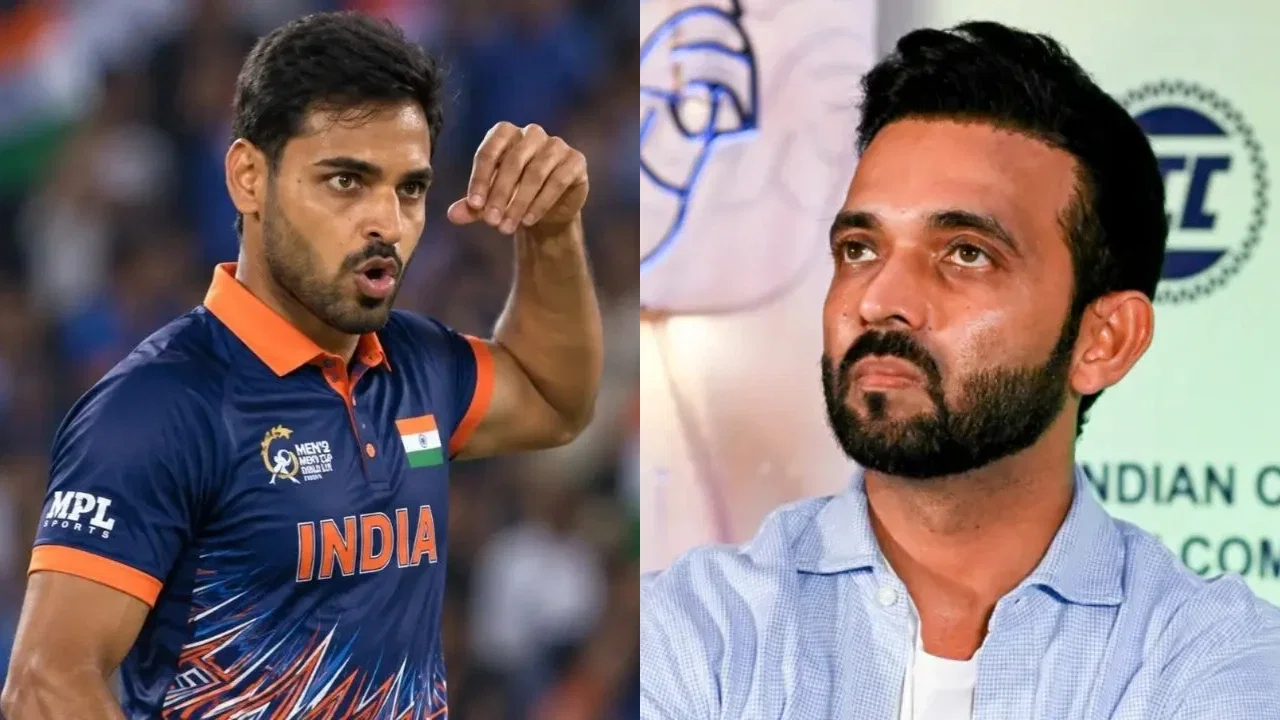
Is Bhuvneshwar Kumar in India’s 2027 World Cup plans? Ajinkya Rahane makes revelation
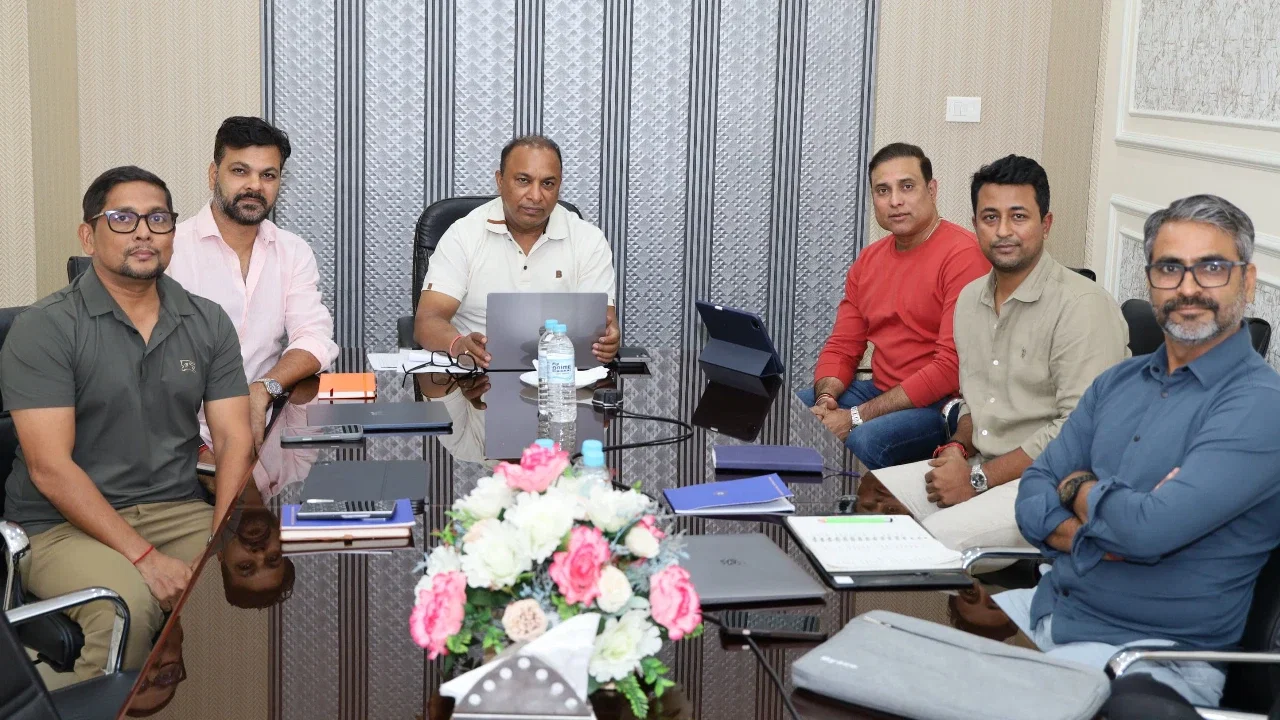
BCCI’s big ₹127 Crore move after injury crisis raises concerns over Team India
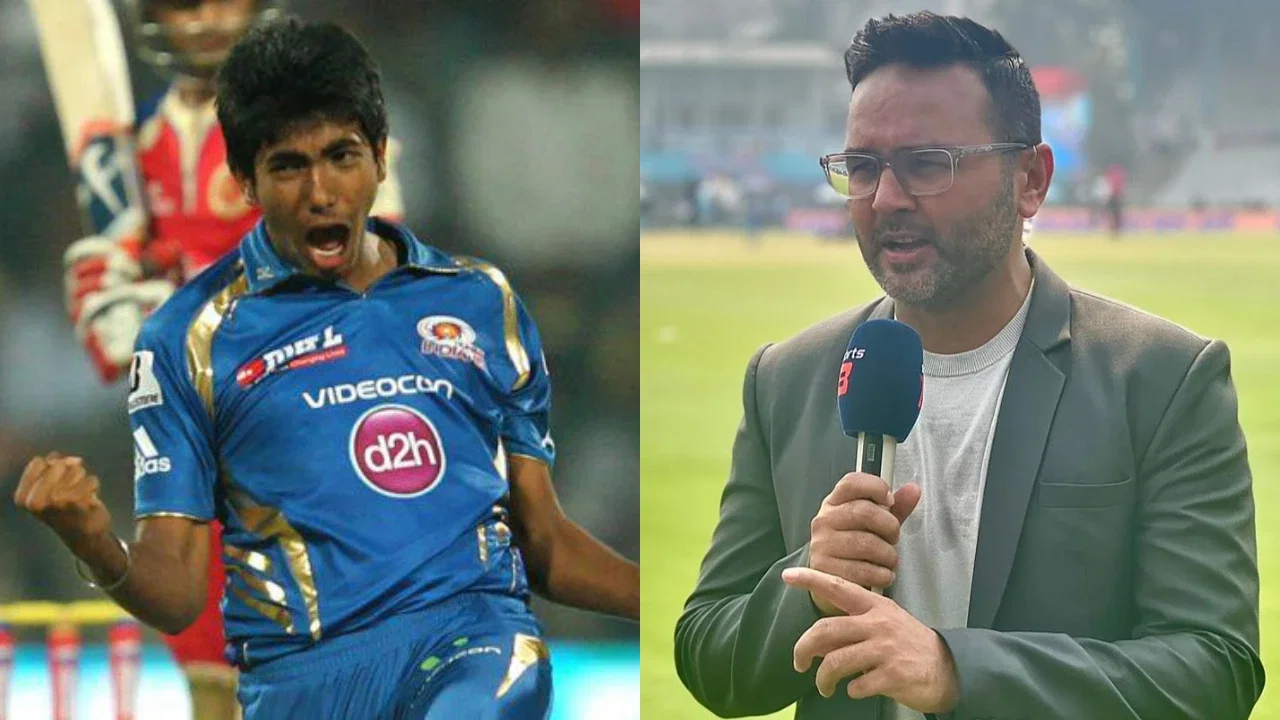
Parthiv Patel reveals RCB ignored his Jasprit Bumrah recommendation in IPL 2014 Auction
“Never spoke ill of any faith”: Irfan Pathan hits back at fake news using his name
Nic Maddinson bags 33-ball duck on Test comeback, disappoints George Bailey
Imran Tahir predicts 2027 ICC ODI World Cup Semi-Finalists, snubs India for title
Australia create unwanted history with first all-30-plus Test XI
Ravindra Jadeja returns to Ranji Trophy as Saurashtra announce squad