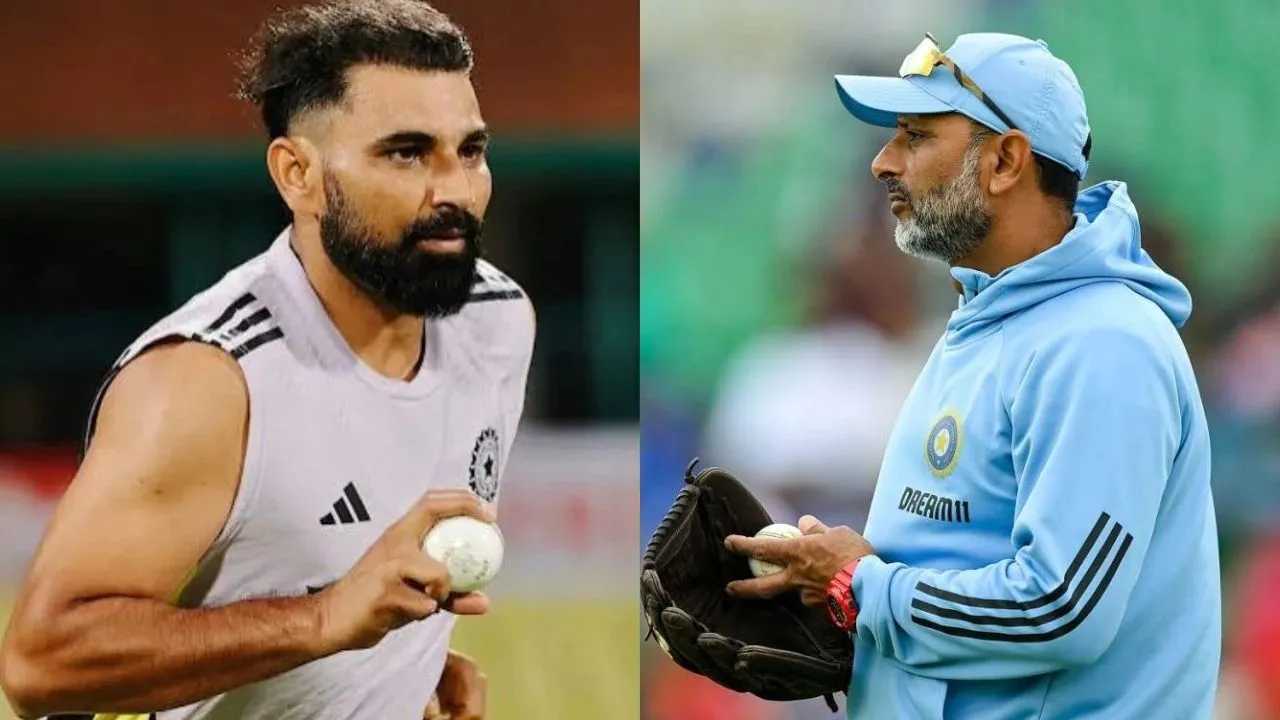
Mohammad Kaif shares honest verdict on India’s leadership experiment in T20Is
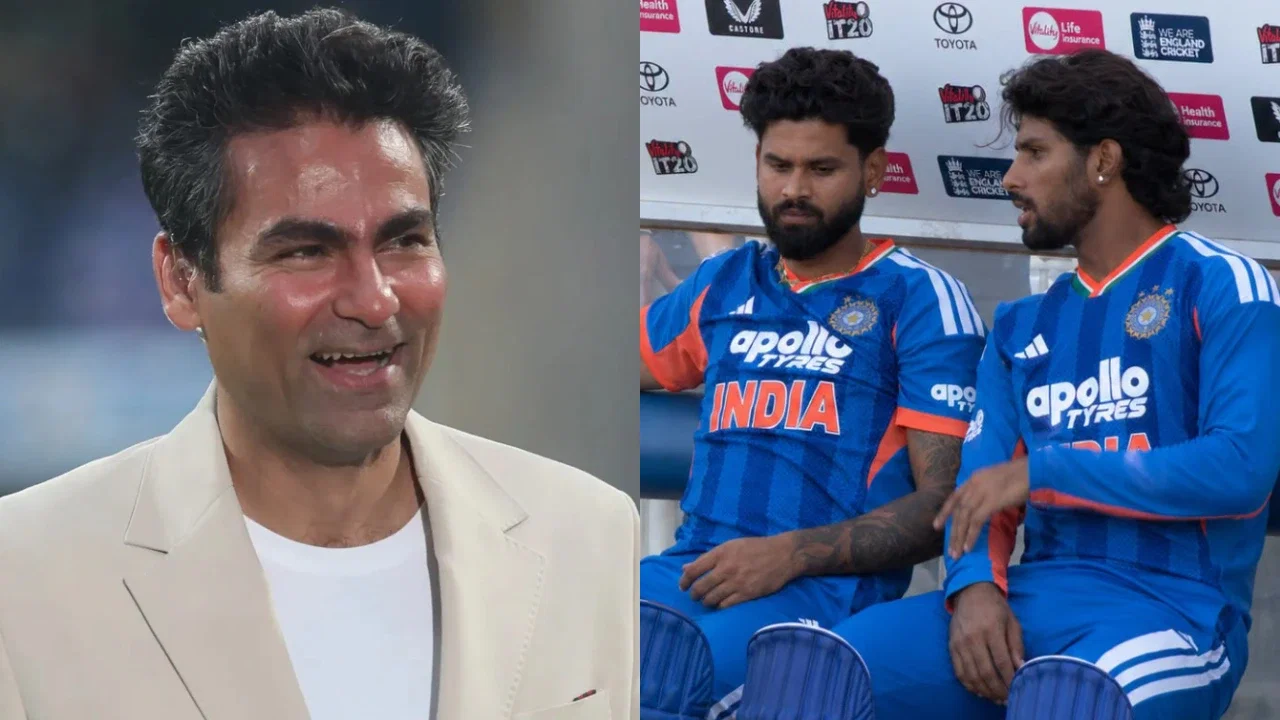
Former Indian Cricketer Mohammad Kaif Criticizes National Selectors Over Sanju Samson’s Omission
Former Indian cricketer Mohammad Kaif has criticized the national selectors for their decision to drop Sanju Samson from the T20I team. Kaif believes that the selectors made a grave error by appointing Shreyas Iyer as the captain and Tilak Varma as the vice-captain, making it challenging for the team management to make changes in the playing XI.
Controversy Erupts After India’s Defeat Against England
The controversy surrounding Samson’s omission intensified after India’s 125-run defeat in the third T20I against England. Despite Samson’s poor performances in the series, his exclusion from the squad for the upcoming three-match T20I series against Zimbabwe raised eyebrows within the cricketing community.
Kaif’s Strong Criticism of Leadership Appointments
Kaif pointed out that neither Iyer nor Varma had secured a fixed place in India’s T20I playing XI before being given leadership roles. While acknowledging Varma’s contributions, Kaif emphasized that his position in the team was not guaranteed. He described the decision to make Iyer captain and Varma vice-captain as a major mistake that limited the team management’s options and unfairly targeted Samson.
During a discussion on his YouTube channel, Kaif expressed his concerns, stating, “You have made two players the captain and vice-captain, who probably don’t even deserve a guaranteed place in the playing XI every match. Yes, Tilak is a 50-50 call. He has won matches and played well. But the problem is that you no longer have any flexibility, and you’re ending up dropping Sanju.”
Questioning the Return of Shreyas Iyer
Kaif also questioned the decision to reinstate Shreyas Iyer as captain without exploring other options within the squad. He suggested that players like Abhishek Sharma, Vaibhav Sooryavanshi, and Sanju Samson could have been given more opportunities before making significant changes to the team’s leadership.
Expressing his dissatisfaction with the situation, Kaif remarked, “That’s why I feel dropping Sanju was a huge decision. You could have managed the situation differently. If Shreyas Iyer hadn’t been the captain, you could have told him, ‘You’ve done well and earned your place back in the team, but right now there’s no spot for you in the playing XI.”
Final Thoughts and Criticism of Selection Process
As Iyer and Varma struggled to make significant contributions in the ongoing T20I series against England, Kaif highlighted that the leadership appointments had complicated team selection and limited the selectors’ flexibility. He concluded by demanding accountability from those responsible for the decisions, emphasizing the unprecedented nature of appointing a player who was not part of the team as captain.
With the controversy surrounding Samson’s omission continuing to spark debates among fans and experts, the Indian cricket fraternity remains divided on the selectors’ choices and the impact of leadership appointments on the team’s performance.
Impact of Leadership Decisions on Team Dynamics
The controversial leadership appointments of Shreyas Iyer and Tilak Varma have not only raised eyebrows within the cricketing community but have also sparked discussions on the impact of such decisions on team dynamics. By appointing players who were not guaranteed a spot in the playing XI as captain and vice-captain, the national selectors inadvertently created a situation where the team management’s hands were tied in making changes to the squad.
Former cricketer Mohammad Kaif’s criticism of these appointments sheds light on the potential repercussions of overlooking more established players in favor of relatively inexperienced ones. The lack of flexibility in team selection due to the captain and vice-captain choices has hindered the team’s ability to adapt and make necessary changes based on performance and form.
Exploring Alternatives for Team Leadership
Kaif’s suggestion to explore alternatives for team leadership, such as Abhishek Sharma, Vaibhav Sooryavanshi, and Sanju Samson, highlights the depth of talent available in Indian cricket. By giving opportunities to players who have consistently performed well and earned their spot in the playing XI, the selectors could have potentially avoided the controversy surrounding the leadership appointments.
Moreover, the decision to reinstate Shreyas Iyer as captain without considering other options reflects a lack of strategic thinking and a missed opportunity to test different leadership styles within the team. Kaif’s critique underscores the importance of strategic decision-making in team selection and leadership appointments to ensure the team’s success on the field.
Call for Transparency and Accountability
As the debate over Sanju Samson’s omission and the impact of leadership decisions continues to unfold, there is a growing demand for transparency and accountability within the selection process. Fans and experts alike are calling for clarity on the rationale behind the selectors’ choices and the criteria used to make decisions that impact the team’s composition and performance.
Kaif’s criticism of the selection process underscores the need for a more thoughtful and strategic approach to team selection and leadership appointments. By holding those responsible for the decisions accountable and fostering a culture of transparency, the Indian cricket fraternity can work towards ensuring that the best interests of the team are always prioritized.
Looking Ahead: Lessons Learned and Future Considerations
As the Indian cricket team navigates through the challenges posed by controversial selection decisions and leadership appointments, there are valuable lessons to be learned and considerations to be made for the future. By reflecting on the impact of these decisions on team dynamics, performance, and overall morale, the selectors can make more informed choices that benefit the team as a whole.
Going forward, it will be essential for the national selectors to carefully evaluate potential leaders within the squad, prioritize transparency and accountability in decision-making processes, and foster a culture of open communication to address any concerns or criticisms raised by former players like Mohammad Kaif. By learning from past mistakes and implementing strategic changes, the Indian cricket team can strive for greater success and cohesion both on and off the field.
Latest News
Top 10 highest run-chases in T20 cricket history, ft. West Indies’ Ranchi win vs India
Aaryavir Sehwag and Anvay Dravid set to make headlines at U19 Asia Cup 2026
Longest ducks in Test cricket history ft. Nic Maddinson, Shoaib Akhtar
ECB to offer 39 central contracts to England players after Ben Stokes, Mark Wood’s retirement
Steve Smith surpasses Steve Waugh in all-time Test run-scorers’ list
Shane Watson identifies Gautam Gambhir’s biggest problem as India struggle for consistency
Is Bhuvneshwar Kumar in India’s 2027 World Cup plans? Ajinkya Rahane makes revelation
BCCI’s big ₹127 Crore move after injury crisis raises concerns over Team India
Parthiv Patel reveals RCB ignored his Jasprit Bumrah recommendation in IPL 2014 Auction
“Never spoke ill of any faith”: Irfan Pathan hits back at fake news using his name
Nic Maddinson bags 33-ball duck on Test comeback, disappoints George Bailey
Imran Tahir predicts 2027 ICC ODI World Cup Semi-Finalists, snubs India for title
Australia create unwanted history with first all-30-plus Test XI
Ravindra Jadeja returns to Ranji Trophy as Saurashtra announce squad