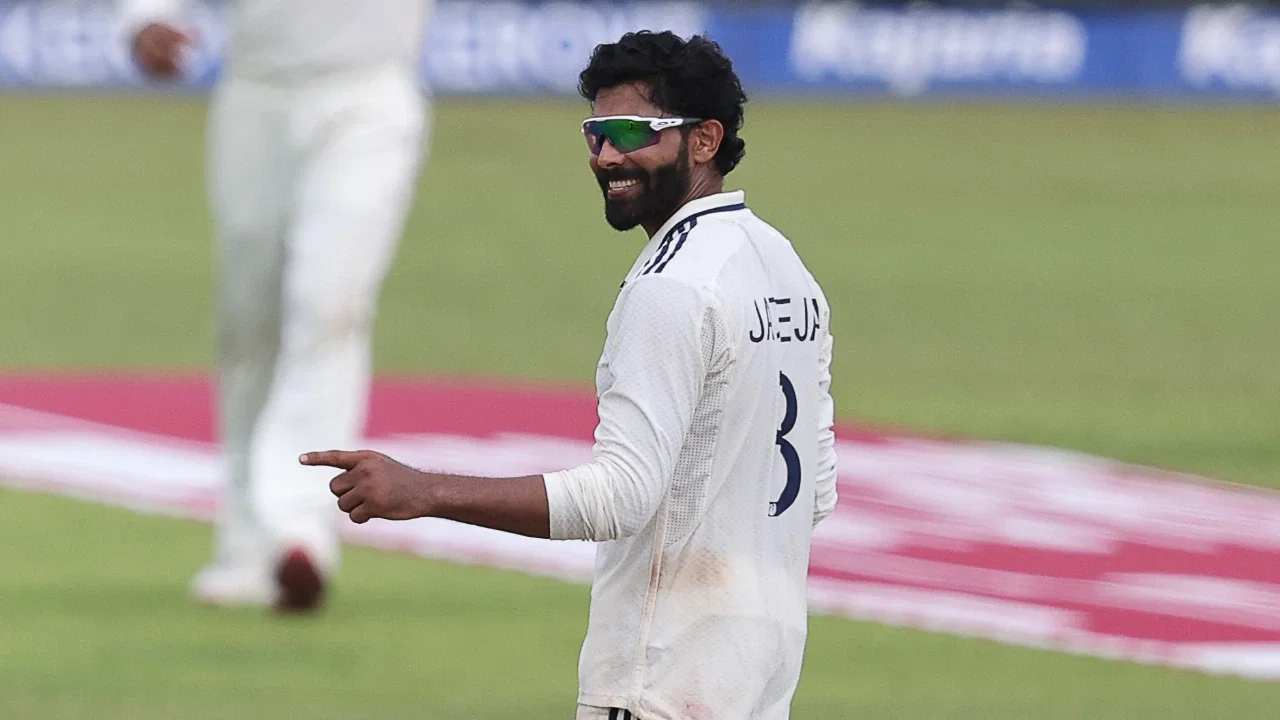
Mohammad Nabi goes nuclear, distances himself from Mustafizur Rahman amid India-Bangladesh tensions
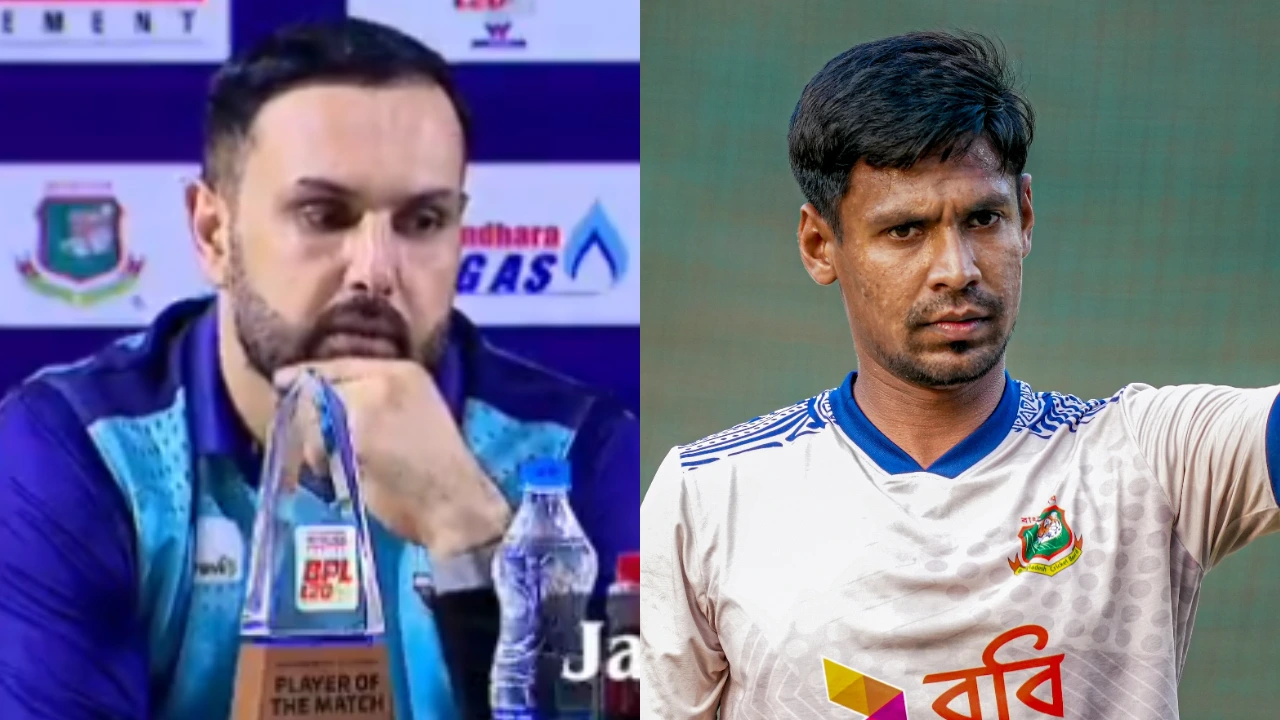
BPL 2025-26 Press Conference Drama Involving Mohammad Nabi
Afghanistan All-Rounder Mohammad Nabi Faces Awkward Moment at BPL 2025-26 Press Conference
In a tense moment during the ongoing Bangladesh Premier League 2025-26 (BPL 2025-26), veteran Afghanistan all-rounder Mohammad Nabi found himself in an uncomfortable situation during a post-match press conference. The incident occurred after the match between Noakhali Express and Dhaka Capitals, where instead of questions related to the game, Nabi was dragged into a controversial issue involving Bangladesh pacer Mustafizur Rahman.
The controversy stemmed from Mustafizur Rahman’s controversial ouster from the IPL 2026 by Kolkata Knight Riders (KKR) following the Board of Control for Cricket in India’s (BCCI) directive. This decision sparked a massive fallout between India and Bangladesh, leading to diplomatic tensions and even affecting upcoming cricket tournaments.
Mohammad Nabi Refuses to Be Part of Political Drama
When asked about the conflict between India and Bangladesh regarding Mustafizur Rahman’s IPL exit, Mohammad Nabi made it clear that he did not want to be involved in any political controversies. The Afghan star expressed his frustration at being questioned about a matter that had no relevance to his team, the BPL 2025-26, or his cricket career.
Nabi firmly shut down the line of questioning, stating, “What do I have to do with it? How am I related to Mustafizur? I don’t have anything to do with politics.” His refusal to engage in the political drama surrounding Mustafizur Rahman’s IPL exit showcased his professionalism and focus on the game.
Cricket Row Escalates Into Diplomatic Tension
Following Mustafizur Rahman’s controversial ouster from the IPL 2026, tensions between India and Bangladesh escalated significantly. The decision by KKR to release Rahman led to a series of events that went beyond cricket, impacting diplomatic relations between the two countries.
As a result of the backlash in India and reports of violence against Hindus in Bangladesh, the Bangladesh government banned the IPL 2026 in the country. The Bangladesh Cricket Board (BCB) also raised security concerns with the International Cricket Council (ICC), requesting a shift of their ICC T20 World Cup 2026 matches from India to Sri Lanka.
The BCB’s concerns about traveling to India for the World Cup due to the escalating tensions have raised questions about the tournament’s logistics and the safety of players and officials. The situation has highlighted the intersection of sports and politics, emphasizing the impact of cricket decisions on diplomatic relations between nations.
In conclusion, the incident involving Mohammad Nabi at the BPL 2025-26 press conference sheds light on the complexities of sports diplomacy and the need to separate cricket from political controversies for the betterment of the game and international relations.
Impact on BPL 2025-26
The diplomatic tensions between India and Bangladesh following Mustafizur Rahman’s IPL exit have also had repercussions on the ongoing BPL 2025-26. The strained relations between the two countries have affected the participation of Indian players in the Bangladesh Premier League, with concerns about their safety and the potential for protests or backlash against them.
This situation has led to a reevaluation of the presence of Indian players in the BPL and raised questions about the future collaborations and exchanges between the cricket boards of India and Bangladesh. The controversy has put a spotlight on the delicate balance between sports and politics, highlighting how decisions in the cricketing world can have far-reaching consequences beyond the field.
Role of Players in Diplomatic Issues
The incident involving Mohammad Nabi at the press conference underscores the challenges that international players face when caught in the midst of diplomatic tensions. While athletes are often seen as ambassadors of their countries, they also have individual identities and careers that should not be overshadowed by political disputes.
Nabi’s refusal to engage in the political drama surrounding Mustafizur Rahman’s IPL exit demonstrates the importance of maintaining focus on the game and professionalism in the face of external pressures. His stance reflects a broader trend where athletes are increasingly expected to navigate complex geopolitical situations while staying true to their sporting commitments.
Future of Cricket Diplomacy
The fallout from Mustafizur Rahman’s IPL exit highlights the intricate relationship between cricket and diplomacy, showcasing how decisions made in the sporting arena can reverberate across international relations. As cricket continues to be a unifying force in many countries, it also becomes a battleground for political maneuvering and power dynamics.
Moving forward, cricket boards and players may need to navigate these challenges more adeptly, finding ways to insulate the sport from external influences while also recognizing the broader impact of their actions on diplomatic ties. The incident at the BPL 2025-26 press conference serves as a reminder of the complexities involved in international sports and the need for clear boundaries between the game and political interests.
Conclusion
In conclusion, the press conference drama involving Mohammad Nabi at the BPL 2025-26 has shed light on the intersection of sports and politics, emphasizing the need for clarity and professionalism in navigating diplomatic tensions. The incident serves as a cautionary tale for players and cricketing authorities, highlighting the potential pitfalls of allowing external controversies to overshadow the game itself.
As cricket continues to evolve as a global sport, it will be essential for stakeholders to find a delicate balance between competitive rivalries on the field and diplomatic challenges off it. By maintaining a focus on the spirit of the game and respecting the individual identities of players, cricket can continue to serve as a bridge between nations while avoiding unnecessary conflicts and controversies.
Latest News
New Zealand suffer blow as William O’Rourke misses India ODIs and Tests
Top 10 highest run-chases in T20 cricket history, ft. West Indies’ Ranchi win vs India
Aaryavir Sehwag and Anvay Dravid set to make headlines at U19 Asia Cup 2026
Longest ducks in Test cricket history ft. Nic Maddinson, Shoaib Akhtar
ECB to offer 39 central contracts to England players after Ben Stokes, Mark Wood’s retirement
Steve Smith surpasses Steve Waugh in all-time Test run-scorers’ list
Shane Watson identifies Gautam Gambhir’s biggest problem as India struggle for consistency
Is Bhuvneshwar Kumar in India’s 2027 World Cup plans? Ajinkya Rahane makes revelation
BCCI’s big ₹127 Crore move after injury crisis raises concerns over Team India
Parthiv Patel reveals RCB ignored his Jasprit Bumrah recommendation in IPL 2014 Auction
“Never spoke ill of any faith”: Irfan Pathan hits back at fake news using his name
Nic Maddinson bags 33-ball duck on Test comeback, disappoints George Bailey
Imran Tahir predicts 2027 ICC ODI World Cup Semi-Finalists, snubs India for title
Australia create unwanted history with first all-30-plus Test XI