Mohammad Rizwan exposes PCB’s dirty secret behind his sacking, leaves Mohsin Naqvi red-faced
Pakistan Cricket Board Removes Mohammad Rizwan as ODI Captain
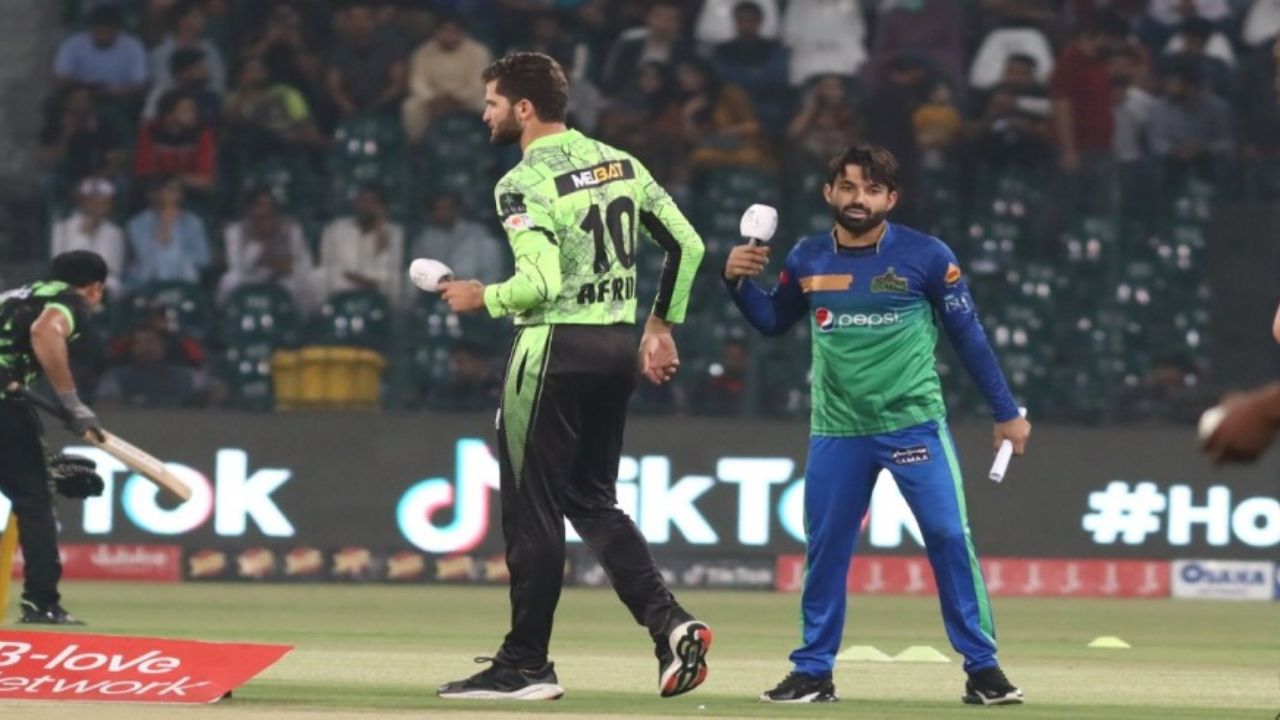
Mohammad Rizwan, the former Pakistan ODI skipper, has been stripped of his role in the team and has been replaced by Shaheen Afridi. The Pakistan Cricket Board (PCB) announced this decision following a selection committee meeting with head coach Mike Hesson. However, a recent report has shed light on the real reason behind Rizwan’s removal from captaincy.
Denial of Promoting Betting Companies
According to a report by Times of India, Mohammad Rizwan’s refusal to promote betting companies on his jersey was the main factor behind his sacking. A PCB source revealed that Rizwan had expressed his unwillingness to endorse betting firms, leading to his dismissal from the captaincy role. This decision raised eyebrows among former cricketers and fans.
Earlier this year, while playing for the St. Kitts and Nevis Patriots in the Caribbean Premier League, Rizwan had also refused to wear a jersey adorned with a betting company’s logo. The PCB has recently partnered with several surrogate betting companies as sponsors, making Rizwan’s stance against such endorsements a point of contention.
Rashid Latif’s Controversial Statements
In a surprising turn of events, former Pakistan skipper Rashid Latif linked Rizwan’s removal from captaincy to his comments on Palestine. Latif suggested that having a non-Islamic captain in an Islamic country was a major factor in the decision to snub Rizwan. He made these assertions on his YouTube channel, Caught Behind, sparking controversy within the cricket community.
Despite leading Pakistan to historic series victories on Australian and South African soil, Rizwan’s stance on certain issues seems to have played a role in his ousting as captain. The continuous changes in captaincy since 2023 have added to the instability within the Pakistan cricket team.
Unsettled Captaincy in Pakistan Cricket
Since 2023, Pakistan has witnessed a revolving door of captains across formats. Babar Azam’s resignation from captaincy in all three formats in late 2023 marked the beginning of this trend. Shan Masood has been the sole consistent captain in Test cricket, while the T20I captaincy has changed hands multiple times.
In ODIs, Mohammad Rizwan had enjoyed success as a captain before his recent dismissal. Taking over the role in October 2024 after Babar Azam’s resignation, Rizwan led the team to notable achievements before his tenure came to an abrupt end. The unpredictability in Pakistan’s captaincy decisions has left fans and experts questioning the stability and long-term vision of the team.
Overall, Mohammad Rizwan’s removal as ODI captain has sparked debates and controversies, highlighting the complexities and challenges within Pakistan cricket. The team’s search for consistent leadership continues as they navigate through a period of transition and uncertainty.
The Importance of Predicting Leadership Stability in Cricket
Leadership stability is crucial in any sports team, especially in cricket where the captain plays a pivotal role in decision-making on and off the field. The unpredictability in Pakistan’s captaincy decisions not only affects team dynamics but also impacts player morale and performance. Predicting leadership stability can be a challenging task, as it involves a combination of individual player preferences, team dynamics, and external factors such as sponsorships and societal expectations.
Cricket boards need to carefully consider various factors when appointing a captain to ensure long-term success and cohesion within the team. The ability to predict how a captain will handle different situations, both on and off the field, is essential in creating a harmonious team environment. Understanding a player’s values, beliefs, and willingness to adhere to certain endorsements can help in making informed decisions regarding leadership roles.
The Role of Sponsorships in Cricket
Sponsorships play a significant role in modern cricket, providing crucial financial support to teams and players. However, the alignment of a player’s personal values with sponsorships can sometimes create conflicts, as seen in Mohammad Rizwan’s case. The refusal to promote betting companies due to ethical reasons sheds light on the importance of players standing by their principles, even at the cost of losing out on certain endorsements.
Cricket boards must navigate the delicate balance between securing sponsorships to support the team financially and respecting players’ choices when it comes to endorsing certain products or companies. Finding common ground where both the team and players feel comfortable with sponsorships is key to maintaining a positive team culture and avoiding controversies like the one surrounding Rizwan’s removal as captain.
Cultural and Religious Considerations in Captaincy Decisions
Rashid Latif’s controversial statements regarding Rizwan’s removal based on his comments on Palestine bring to light the cultural and religious sensitivities that can influence captaincy decisions in a country like Pakistan. In a nation where Islam holds significant importance, the choice of a captain who aligns with traditional values and beliefs can be a deciding factor for cricket boards.
Understanding and respecting cultural and religious considerations when appointing a captain can help prevent unnecessary controversies and maintain harmony within the team. Balancing individual freedoms with societal expectations is a delicate task and requires open communication and transparency between players, management, and the cricket board.
The Future of Pakistan Cricket
As Pakistan cricket continues to navigate through periods of uncertainty and change, the search for consistent leadership remains a priority. The team’s ability to predict and choose captains who not only excel on the field but also align with the team’s values and sponsorships will be crucial in shaping the future of Pakistan cricket.
By learning from past experiences and addressing the complexities and challenges within the team, Pakistan cricket can work towards establishing a stable and successful leadership structure. The evolution of captaincy decisions in Pakistan serves as a learning opportunity for cricket boards worldwide, emphasizing the importance of predicting and maintaining leadership stability in sports.
Ultimately, the ability to anticipate and address potential conflicts and controversies before they arise is essential in creating a cohesive and successful cricket team. Pakistan’s journey towards stability in captaincy decisions will be closely watched by fans, experts, and cricket enthusiasts worldwide, as they aim to overcome challenges and emerge as a stronger and more united team.
Latest News
New Zealand suffer blow as William O’Rourke misses India ODIs and Tests
Top 10 highest run-chases in T20 cricket history, ft. West Indies’ Ranchi win vs India
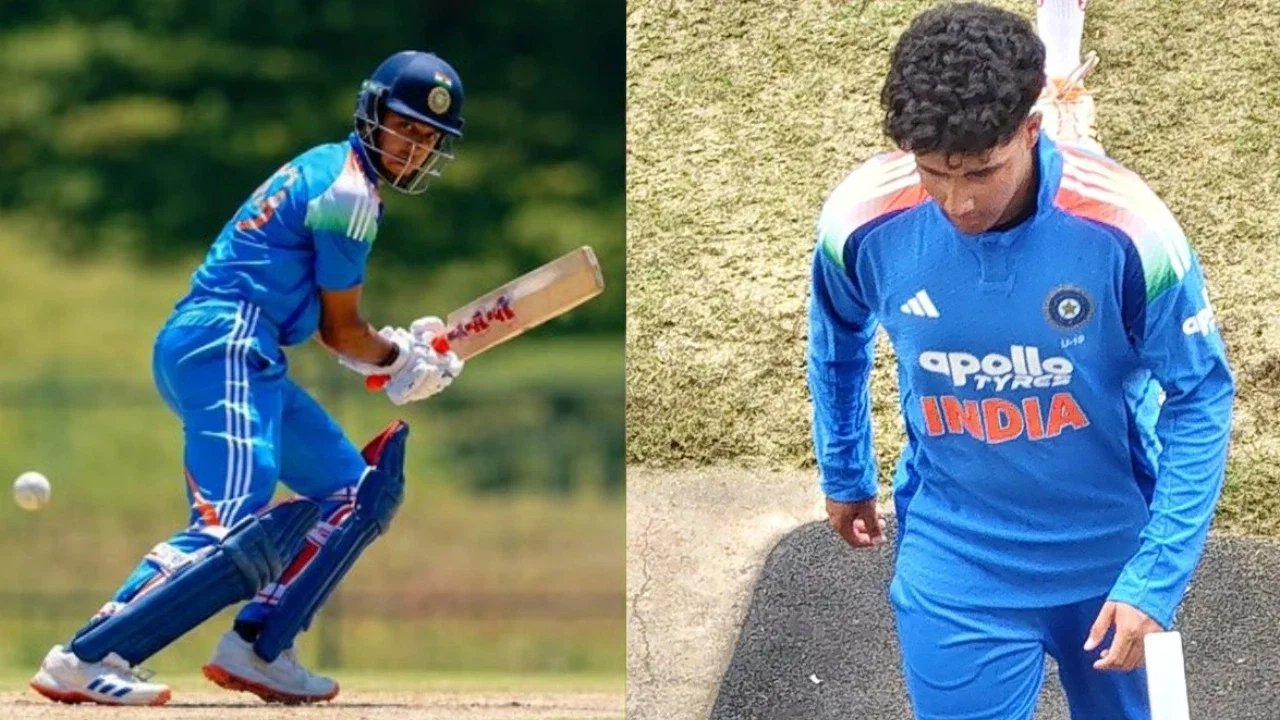
Aaryavir Sehwag and Anvay Dravid set to make headlines at U19 Asia Cup 2026
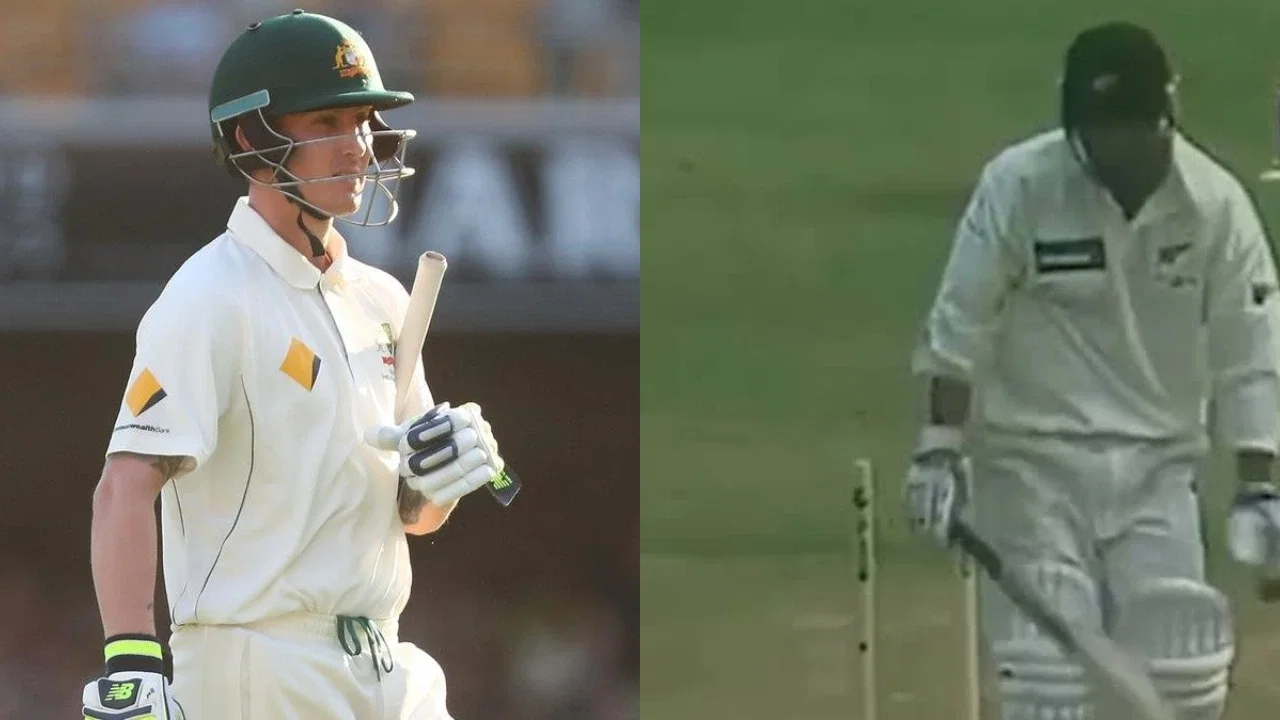
Longest ducks in Test cricket history ft. Nic Maddinson, Shoaib Akhtar
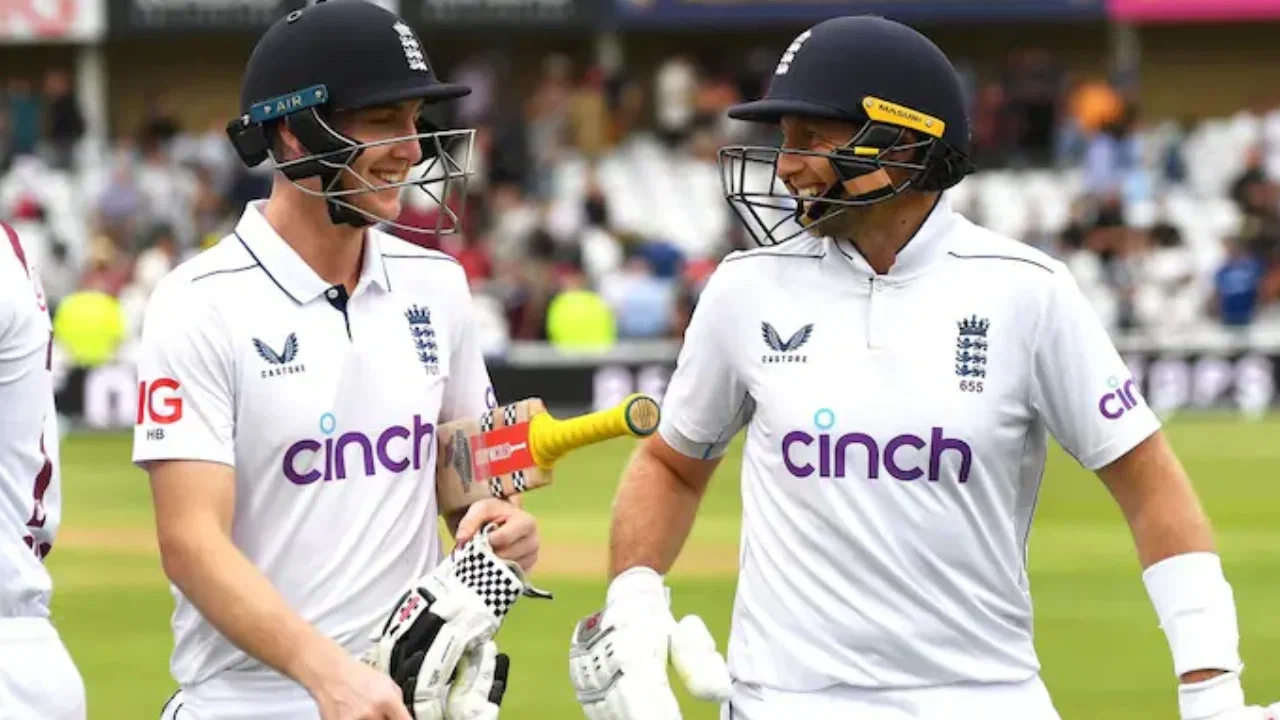
ECB to offer 39 central contracts to England players after Ben Stokes, Mark Wood’s retirement
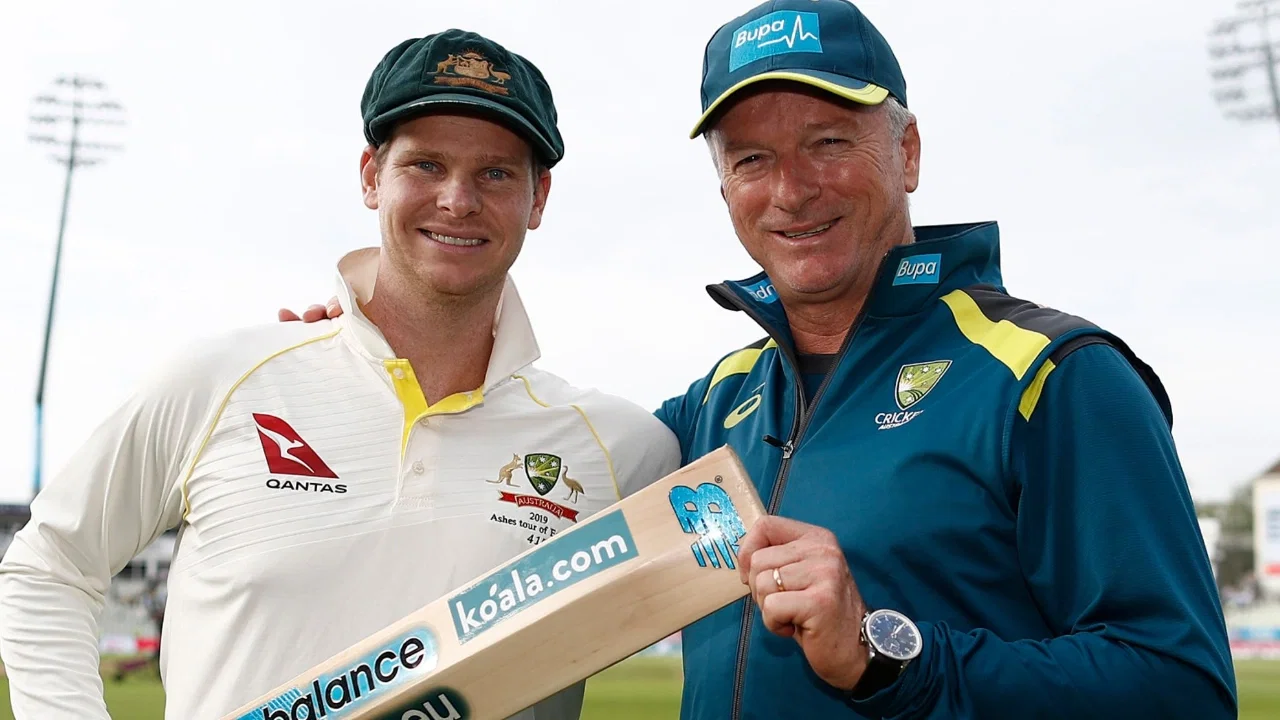
Steve Smith surpasses Steve Waugh in all-time Test run-scorers’ list
Shane Watson identifies Gautam Gambhir’s biggest problem as India struggle for consistency
Is Bhuvneshwar Kumar in India’s 2027 World Cup plans? Ajinkya Rahane makes revelation
BCCI’s big ₹127 Crore move after injury crisis raises concerns over Team India
Parthiv Patel reveals RCB ignored his Jasprit Bumrah recommendation in IPL 2014 Auction
“Never spoke ill of any faith”: Irfan Pathan hits back at fake news using his name
Nic Maddinson bags 33-ball duck on Test comeback, disappoints George Bailey
Imran Tahir predicts 2027 ICC ODI World Cup Semi-Finalists, snubs India for title
Australia create unwanted history with first all-30-plus Test XI