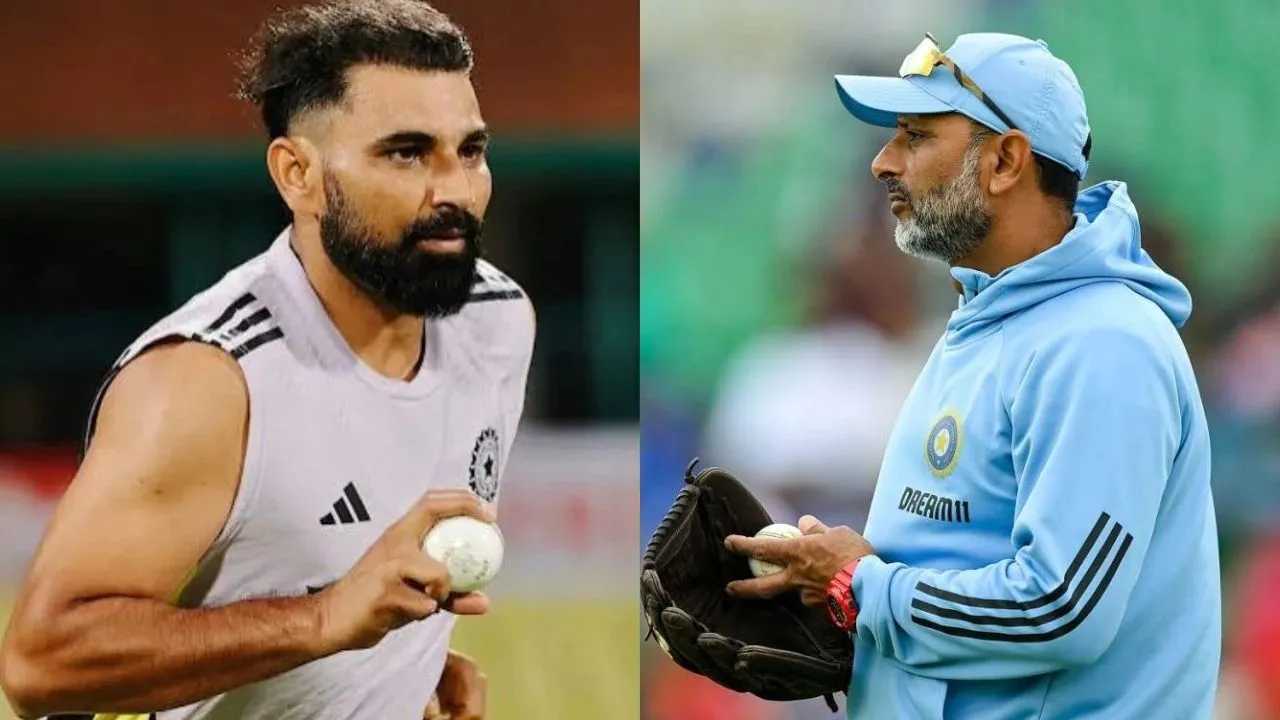
Mohit Sharma accuses Shubman Gill for Rohit Sharma run out incident in IND vs AFG 1st ODI
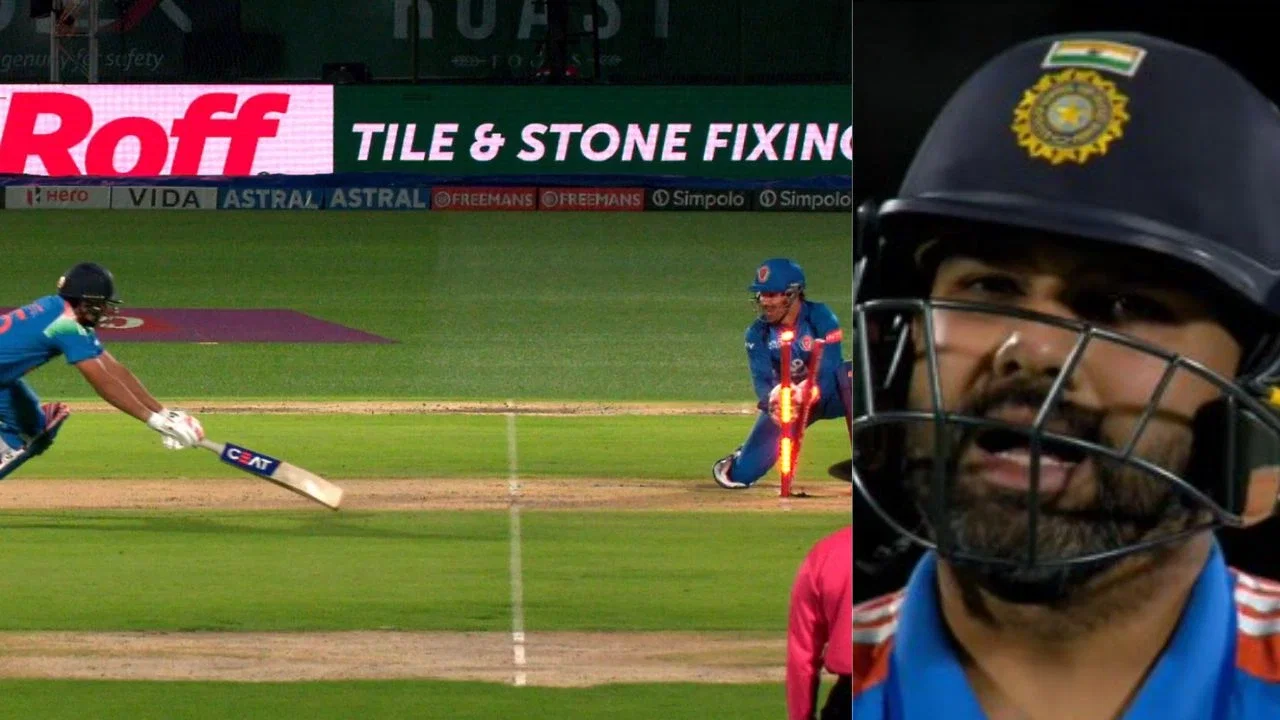
Runout Controversy: Who was at Fault in Rohit Sharma’s Dismissal?
Following a mix-up in the middle that led to Rohit Sharma’s runout, cricket experts and fans are still debating whose fault it was hours after the match between India and Afghanistan in the first ODI of a three-match series. The match ended with India securing a comfortable victory over Afghanistan, with Captain Shubman Gill shining with his brilliant performance in the successful run chase.
Rohit Sharma’s Performance and the Runout Incident
Leading up to the 2027 ODI World Cup, Indian cricket enthusiasts were eager to see how Rohit Sharma would perform, especially after a lackluster Indian Premier League season with the Mumbai Indians in 2027. Unfortunately, Rohit had to make his way back to the pavilion after scoring just 16 runs from 16 balls. His brief knock included a couple of boundaries and a six, indicating his elegant touch and hinting at a potentially big innings.
However, during the sixth over of the second innings, a runout removed the ‘Hitman’ from the crease. Former India pacer Mohit Sharma analyzed the incident, pointing out that it was Rohit’s call initially, but Shubman Gill should have taken the final call as the Afghanistan bowler AM Ghazanfar was in their path. With Gill unable to move forward due to the bowler’s presence, Rohit, who had already covered a significant distance on the pitch, did not have enough time to return safely.
Mohit Sharma explained the runout, stating, “If you see the runout, it was Rohit’s call, but you will see that Shubman had also taken the start, and then AM Ghazanfar got in his way, due to which he could not go ahead. After that, Rohit could also not go back because he had already covered more than half the pitch.”
Post-Match Reactions
After the match, Rohit Sharma appeared visibly frustrated with the runout incident. However, Team India captain Shubman Gill revealed that Rohit eased his frustration after watching the replay. Gill mentioned, “He saw the replay, he said it’s fine. Even in the last match that we played against Afghanistan, T20s, he got run out there as well.”
Gill was named the player of the match for his outstanding unbeaten 84-run knock off 66 balls, which included eleven boundaries and a couple of sixes. Another standout performer was Rahmanullah Gurbaz from Afghanistan, who scored the fastest century by an Afghan batter in ODIs.
Despite Gurbaz’s exceptional performance, Gill praised his team’s effort in pulling back during the middle and death overs. He also commended the pitch conditions, stating, “Honestly, I think it was a brilliant wicket to bat on. It was, as the match went on, even when we were bowling, there was a little bit of grip for the spinners. When they were bowling, the ball was coming on pretty nicely.”
In conclusion, the runout controversy surrounding Rohit Sharma’s dismissal continues to be a topic of discussion among cricket enthusiasts and experts, highlighting the intricate dynamics of on-field decision-making and teamwork.
Analysis of the Runout Incident
Upon further analysis of the runout incident involving Rohit Sharma, it becomes evident that communication and decision-making in high-pressure situations play a crucial role in determining the outcome. In cricket, where split-second decisions can make or break a match, understanding each other’s intentions and reacting swiftly are essential components of successful partnerships. In this case, the combination of Rohit Sharma’s initial call and Shubman Gill’s hesitation due to the bowler’s presence resulted in a miscommunication that led to the runout.
It is essential for batting pairs to establish clear signals and understanding to avoid such runout scenarios. While Rohit Sharma may have initiated the run, it is equally important for the non-striker, in this case, Shubman Gill, to assess the situation and communicate effectively to prevent misunderstandings that could cost the team valuable wickets.
Impact on Team Dynamics
The runout incident not only affected Rohit Sharma’s individual performance but also had repercussions on the team’s momentum and morale. Losing a key player due to a runout can disrupt the flow of the innings and put additional pressure on the remaining batsmen to compensate for the loss. Team India had to recalibrate their strategy and adapt to the sudden setback, showcasing the resilience and depth of their batting lineup.
Furthermore, the way in which players handle such setbacks and move forward can reveal a lot about their character and leadership qualities. Rohit Sharma’s ability to acknowledge the situation, as seen through his post-match reactions, reflects his sportsmanship and maturity as a senior member of the team. On the other hand, Shubman Gill’s composure and performance under pressure highlight his potential as a future leader in Indian cricket.
Lessons Learned for Future Matches
As Team India prepares for upcoming matches and tournaments, including the highly anticipated 2027 ODI World Cup, the runout controversy serves as a valuable learning experience. It underscores the importance of effective communication, situational awareness, and quick decision-making on the field. By analyzing the factors that contributed to the runout and implementing corrective measures, the team can minimize such errors in the future and strengthen their partnerships and teamwork.
Coaches and players alike can use this incident as a case study to enhance their training methods, emphasizing the significance of coordination and mutual understanding between batting partners. Through video analysis, simulations, and targeted drills, Team India can work on improving their on-field communication and decision-making to avoid similar runout incidents and optimize their performance in crucial moments of the game.
Continuing the Conversation
As the cricketing community continues to dissect the runout controversy surrounding Rohit Sharma’s dismissal, it sparks debates, discussions, and valuable insights into the nuances of the sport. Fans, analysts, and players alike can draw lessons from this incident to enhance their appreciation and understanding of the complexities involved in competitive cricket.
Ultimately, while the runout may have been a moment of disappointment for Rohit Sharma and Team India, it also presents an opportunity for growth, reflection, and improvement. By leveraging this experience and channeling it into constructive measures, the team can emerge stronger, more cohesive, and better equipped to tackle challenges in future matches and tournaments.
Latest News
Top 10 highest run-chases in T20 cricket history, ft. West Indies’ Ranchi win vs India
Aaryavir Sehwag and Anvay Dravid set to make headlines at U19 Asia Cup 2026
Longest ducks in Test cricket history ft. Nic Maddinson, Shoaib Akhtar
ECB to offer 39 central contracts to England players after Ben Stokes, Mark Wood’s retirement
Steve Smith surpasses Steve Waugh in all-time Test run-scorers’ list
Shane Watson identifies Gautam Gambhir’s biggest problem as India struggle for consistency
Is Bhuvneshwar Kumar in India’s 2027 World Cup plans? Ajinkya Rahane makes revelation

BCCI’s big ₹127 Crore move after injury crisis raises concerns over Team India
Parthiv Patel reveals RCB ignored his Jasprit Bumrah recommendation in IPL 2014 Auction
“Never spoke ill of any faith”: Irfan Pathan hits back at fake news using his name
Nic Maddinson bags 33-ball duck on Test comeback, disappoints George Bailey
Imran Tahir predicts 2027 ICC ODI World Cup Semi-Finalists, snubs India for title
Australia create unwanted history with first all-30-plus Test XI
Ravindra Jadeja returns to Ranji Trophy as Saurashtra announce squad