Mohsin Naqvi’s conspiracy theory against Babar Azam exposed! Ex-Pakistan cricketer drops bombshell
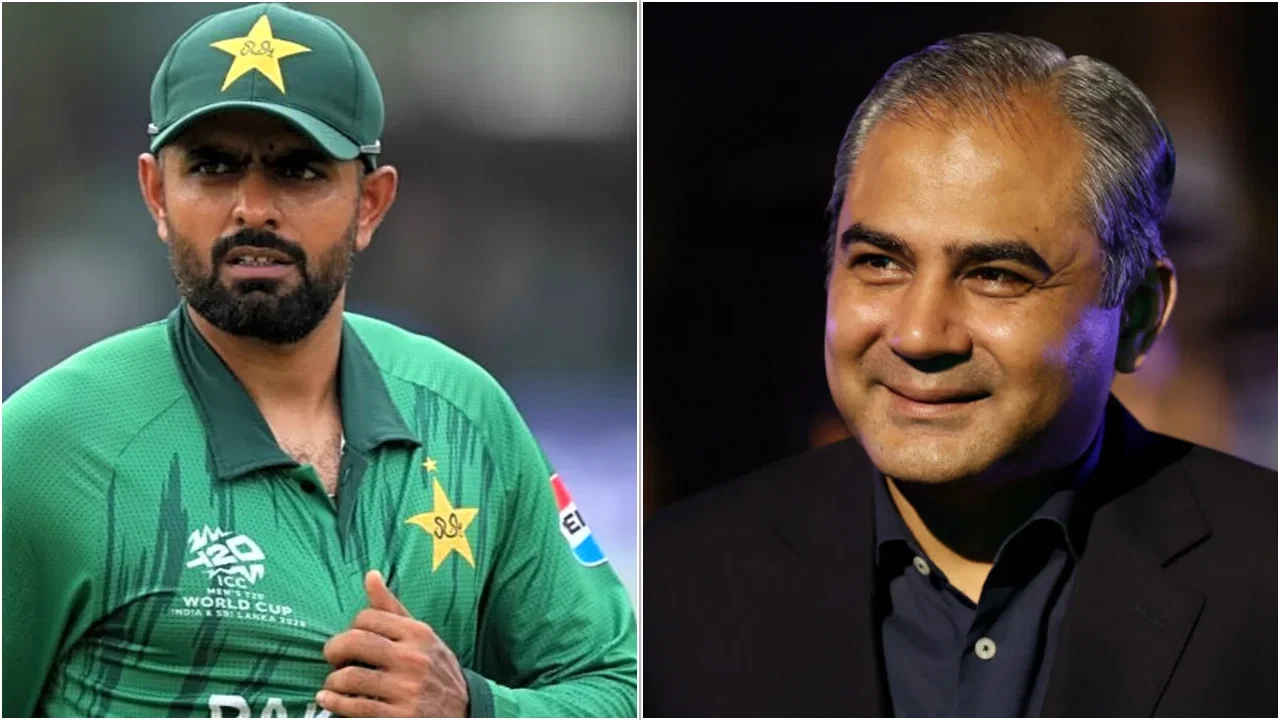
Pakistan Cricket Board’s Central Contract System Sparks Controversy
The Pakistan Cricket Board (PCB) recently held a press conference to unveil changes to their central contract system, leading to widespread debates among cricket fans and experts in the country. While the board announced that they would not disclose specific details about each player’s contract, this decision has raised questions and concerns among cricket enthusiasts.
Allegations of Conspiracy Against Babar Azam
Former Pakistan cricketer Tanvir Ahmed has been vocal in his criticism of the new central contract system, alleging that it is a conspiracy to sideline the team’s batting stalwart, Babar Azam. Ahmed claims that the changes in the contract system are specifically designed to exclude Azam from the T20 International team, despite his impressive performances in recent tournaments.
After leading Peshawar Zalmi to victory in the Pakistan Super League 2026 and finishing as the tournament’s top run-scorer, Babar Azam has been a standout player in the team. Ahmed believes that the PCB’s decision to revamp the central contract system is a direct response to Azam’s success, aiming to replace him with younger players.
PCB’s Announcement on Central Contracts
During the press conference, PCB officials clarified that the new central contract system would not publicly disclose the number of contracts awarded to players in each category. The board stated that this information is subject to review and selection, rather than being a fixed public figure.
Tanvir Ahmed has criticized this lack of transparency, suggesting that it allows the board to make decisions behind closed doors, potentially affecting players like Babar Azam without accountability.
Babar Azam’s Recent Performances
Babar Azam’s last matches for Pakistan have been met with mixed results. In his most recent ODI against Australia, he scored 40 runs, showcasing his batting prowess. However, during the ICC Men’s T20 World Cup, Azam faced challenges as he was unable to contribute significantly to the team’s success.
Despite his recent struggles, Babar Azam remains a key player for Pakistan, and his exclusion from the T20 International team would be a significant loss for the national side. As debates continue over the PCB’s central contract system, the future of players like Azam hangs in the balance.
Overall, the controversy surrounding the new central contract system highlights the complexities and challenges faced by cricket boards in managing player contracts and team selections. As the debate rages on, cricket fans eagerly await further developments in this ongoing saga.
Analysis of the Central Contract Controversy
While the controversy surrounding the PCB’s central contract system continues to unfold, it is essential to analyze the broader implications of such decisions. Central contracts play a vital role in the professional development of cricket players, as they provide financial stability and recognition for their efforts on the field. However, when issues of transparency and favoritism arise, it can lead to mistrust and disillusionment among players and fans alike.
One of the key concerns raised by critics is the lack of clarity surrounding the criteria used to award central contracts. Without clear guidelines and transparency, players may feel that their selection is arbitrary and based on factors beyond their performance on the field. This can create a sense of unfairness and injustice within the team, leading to discord and resentment among players.
The Impact on Player Morale and Performance
The controversy surrounding Babar Azam, in particular, has the potential to impact not only his morale but also the performance of the team as a whole. Azam, as one of Pakistan’s leading batsmen, plays a crucial role in the team’s success. If he feels sidelined or undervalued due to the changes in the central contract system, it could affect his on-field performance and overall motivation.
Furthermore, the uncertainty surrounding central contracts can create a sense of instability among players, impacting their focus and commitment to the game. When players are unsure about their future within the team, it can lead to distractions and hinder their ability to perform at their best. This, in turn, can have ripple effects on the team’s overall success and competitiveness in international cricket.
The Need for Transparency and Accountability
As the central contract controversy continues to generate debate, there is a growing call for greater transparency and accountability within the PCB. Fans and experts alike are demanding clear criteria for awarding central contracts, as well as a more open selection process that is based on merit and performance rather than favoritism or politics.
By establishing transparent guidelines and processes for central contracts, the PCB can ensure fairness and equity in their decision-making, fostering trust and confidence among players and fans. This, in turn, can create a more positive and supportive environment for player development and team success.
Looking Ahead
As the PCB grapples with the fallout from the central contract controversy, it is crucial for the board to address the concerns raised by players and fans. By listening to feedback, implementing clearer guidelines, and enhancing transparency in their decision-making processes, the PCB can navigate through these challenging times and strengthen the foundation of Pakistani cricket.
Ultimately, the central contract system is a crucial component of professional cricket, and it is essential for cricket boards to manage it with integrity, fairness, and accountability. By upholding these principles, the PCB can ensure that players like Babar Azam are recognized and valued for their contributions to the sport, paving the way for a brighter future for Pakistani cricket.
Latest News
Top 10 highest run-chases in T20 cricket history, ft. West Indies’ Ranchi win vs India

Aaryavir Sehwag and Anvay Dravid set to make headlines at U19 Asia Cup 2026
Longest ducks in Test cricket history ft. Nic Maddinson, Shoaib Akhtar

ECB to offer 39 central contracts to England players after Ben Stokes, Mark Wood’s retirement

Steve Smith surpasses Steve Waugh in all-time Test run-scorers’ list

Shane Watson identifies Gautam Gambhir’s biggest problem as India struggle for consistency

Is Bhuvneshwar Kumar in India’s 2027 World Cup plans? Ajinkya Rahane makes revelation

BCCI’s big ₹127 Crore move after injury crisis raises concerns over Team India

Parthiv Patel reveals RCB ignored his Jasprit Bumrah recommendation in IPL 2014 Auction
“Never spoke ill of any faith”: Irfan Pathan hits back at fake news using his name
Nic Maddinson bags 33-ball duck on Test comeback, disappoints George Bailey

Imran Tahir predicts 2027 ICC ODI World Cup Semi-Finalists, snubs India for title
Australia create unwanted history with first all-30-plus Test XI
Ravindra Jadeja returns to Ranji Trophy as Saurashtra announce squad