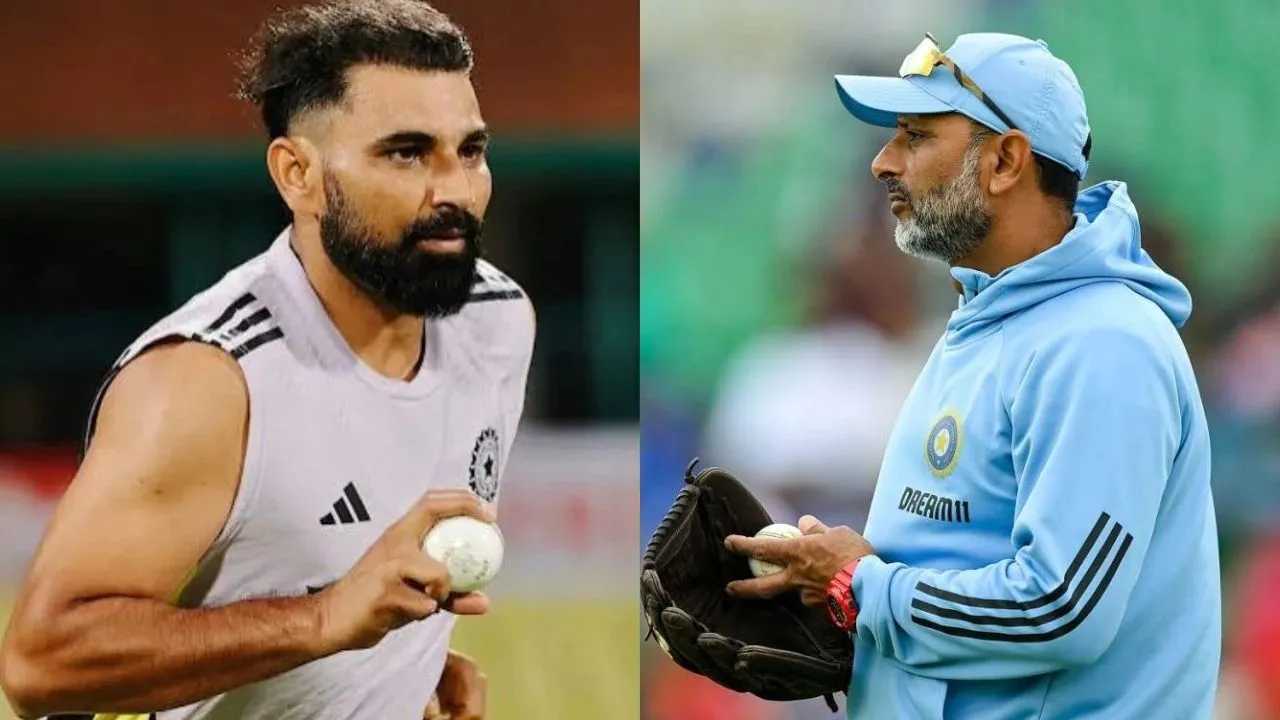
“Never seen a more confused Indian team management”: Mohammad Kaif on Gautam Gambhir’s support staff
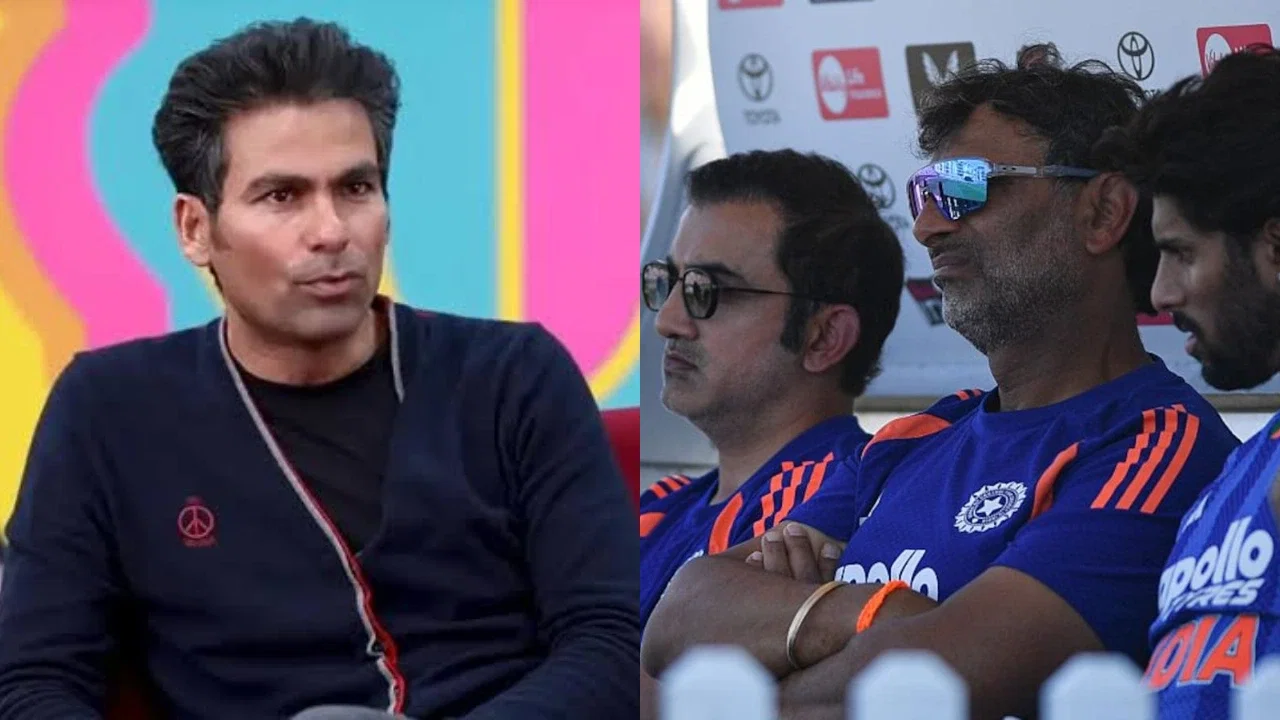
Former Indian Cricketer Mohammad Kaif Criticizes Team Management After T20I Series Defeat in England
Former Indian cricketer Mohammad Kaif has launched a scathing attack on the India National Cricket Team management and support staff following the team’s disappointing performance in the recent five-match T20I series in England. The Men in Blue suffered a humiliating whitewash in the series against England, failing to secure a single victory throughout the tour.
In a recent statement, Kaif expressed his disappointment over the handling of the team after returning home without a single completed T20I win in both Ireland and England. The young squad, which was experimenting with new players, faced a complete failure in both series, losing 2-0 to Ireland and 4-0 to England.
India’s Experiment with Young Squad Ends in Failure
The dismal performances have raised concerns within the Board of Control for Cricket in India (BCCI), prompting a review of the team’s overall performance. Following the final T20I match on July 11, Kaif criticized the team management for their handling of Vaibhav Sooryavanshi and Sanju Samson.
Kaif emphasized the importance of providing confidence to young talents like Sooryavanshi and experienced players like Samson, rather than creating doubts in their minds through constant changes in the opening combination. He took to social media to express his frustration, stating, “One is a generational talent, another a World Cup winner—they need to be given confidence, not doubts in their minds.”
India’s Transition Period and Leadership Decisions
The Indian team underwent significant changes ahead of the England tour, with Suryakumar Yadav being replaced as T20I captain by Shreyas Iyer. The management also handed opportunities to young talents like Vaibhav Sooryavanshi, who became the youngest player ever to represent India in international cricket at the age of 15.
Despite the experimental approach and debut of uncapped players, India’s bowling attack struggled, and the batting lineup failed to deliver consistently throughout the series. The team’s defeat in England not only highlighted their challenges in overseas conditions but also led to the end of their reign as the No. 1 T20I team in the world.
Future of Coaching Staff and Team Management
With the BCCI set to review the team’s performance, decisions regarding the coaching staff’s future are looming. Fast bowling coach Morne Morkel and assistant coach Ryan ten Doeschate are facing uncertain times as their two-year contracts are set to expire after the ODI series in England.
While the BCCI is considering extending their contracts, the final decision is yet to be confirmed. As the Indian cricket team navigates through a period of transition and reflection, the upcoming weeks are crucial for determining the path forward for the team and its management.
Impact of Leadership Changes on Team Performance
The decision to replace Suryakumar Yadav as the T20I captain with Shreyas Iyer raised eyebrows among fans and analysts alike. The leadership change seemed to disrupt the team’s rhythm, affecting their performance on the field. While Iyer is a talented player, the sudden shift in leadership roles may have contributed to the team’s lackluster showing in England.
Furthermore, the management’s constant tinkering with the opening combination unsettled the players, leading to a lack of stability at the top of the order. In T20 cricket, where quick starts are crucial, a settled opening pair can make a significant difference. The failure to establish a consistent opening partnership proved to be a major downfall for India in the series.
The Importance of Mentoring Young Talent
Mohammad Kaif’s comments about providing confidence to young players like Vaibhav Sooryavanshi and Sanju Samson shed light on the crucial role of mentorship in nurturing talent. In a high-pressure environment like international cricket, young players need support and belief from the management to perform at their best.
By instilling confidence in the next generation of cricketers, the team management can help them grow and develop into future stars. Kaif’s criticism serves as a reminder of the delicate balance between giving youngsters opportunities and ensuring they receive the guidance they need to thrive on the international stage.
Challenges of Overseas Tours and Building Team Chemistry
India’s struggles in England underscore the challenges of performing consistently in overseas conditions. The team’s inability to adapt to the swinging and seaming pitches posed a significant hurdle throughout the series. Building a squad that can excel in different conditions remains a key focus for the management moving forward.
Moreover, the importance of team chemistry and camaraderie cannot be underestimated in cricket. A cohesive unit that supports each other on and off the field often translates into better performances. As India reflects on their recent series defeat, fostering a strong team culture and camaraderie will be essential for future success.
Looking Ahead: Rebuilding and Realigning Goals
As the BCCI evaluates the team’s performance and considers the future of the coaching staff, a period of rebuilding and realignment lies ahead for the Indian cricket team. Addressing the shortcomings exposed during the England tour will be paramount in shaping the team’s trajectory moving forward.
From solidifying the leadership structure to nurturing young talent and refining strategies for overseas tours, the Indian team faces multiple challenges in their quest to reclaim their dominance in T20 cricket. The upcoming ODI series in England will provide another opportunity for the team to regroup and demonstrate their resilience in the face of adversity.
In conclusion, the recent criticism from Mohammad Kaif highlights the need for introspection and improvement within the Indian cricket setup. By learning from their mistakes and implementing necessary changes, the team can bounce back stronger and reestablish themselves as a force to be reckoned with in international cricket.
Latest News
Top 10 highest run-chases in T20 cricket history, ft. West Indies’ Ranchi win vs India
Aaryavir Sehwag and Anvay Dravid set to make headlines at U19 Asia Cup 2026
Longest ducks in Test cricket history ft. Nic Maddinson, Shoaib Akhtar
ECB to offer 39 central contracts to England players after Ben Stokes, Mark Wood’s retirement
Steve Smith surpasses Steve Waugh in all-time Test run-scorers’ list
Shane Watson identifies Gautam Gambhir’s biggest problem as India struggle for consistency
Is Bhuvneshwar Kumar in India’s 2027 World Cup plans? Ajinkya Rahane makes revelation
BCCI’s big ₹127 Crore move after injury crisis raises concerns over Team India
Parthiv Patel reveals RCB ignored his Jasprit Bumrah recommendation in IPL 2014 Auction
“Never spoke ill of any faith”: Irfan Pathan hits back at fake news using his name
Nic Maddinson bags 33-ball duck on Test comeback, disappoints George Bailey
Imran Tahir predicts 2027 ICC ODI World Cup Semi-Finalists, snubs India for title
Australia create unwanted history with first all-30-plus Test XI
Ravindra Jadeja returns to Ranji Trophy as Saurashtra announce squad