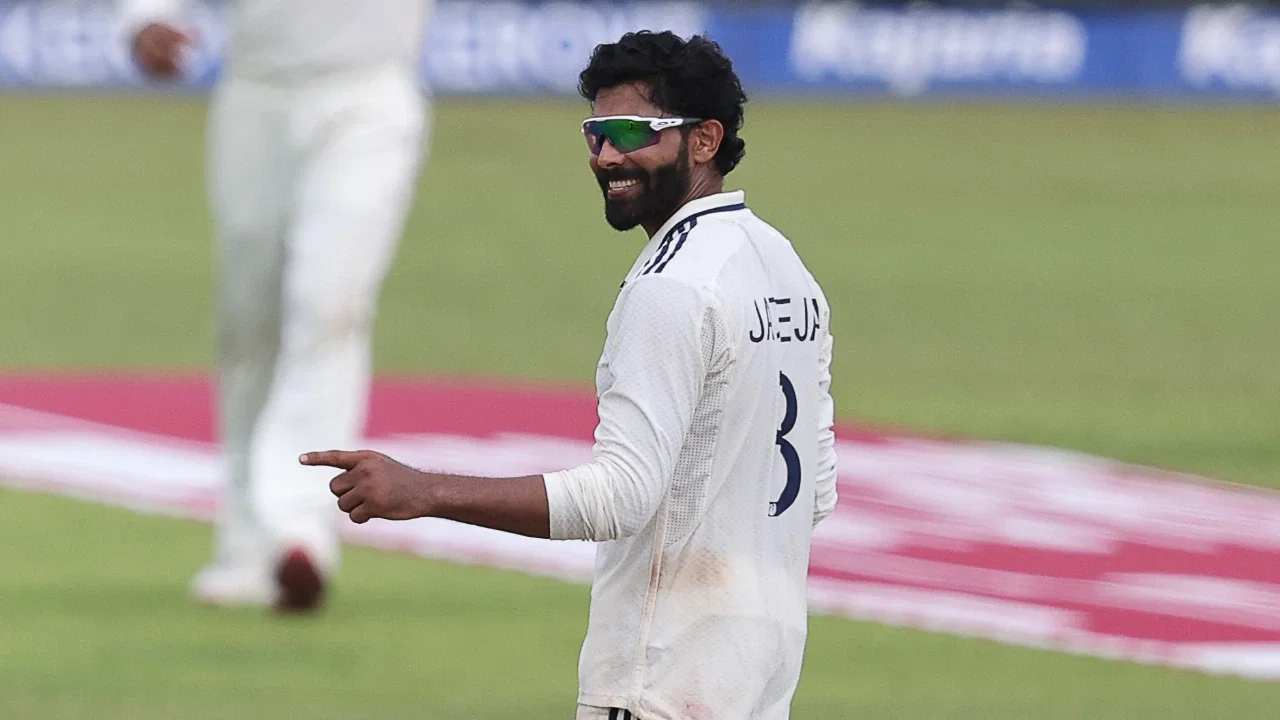
Nitish Kumar Reddy’s father, Anti-Corruption Unit blamed for his downfall as MCG celebrations revisited
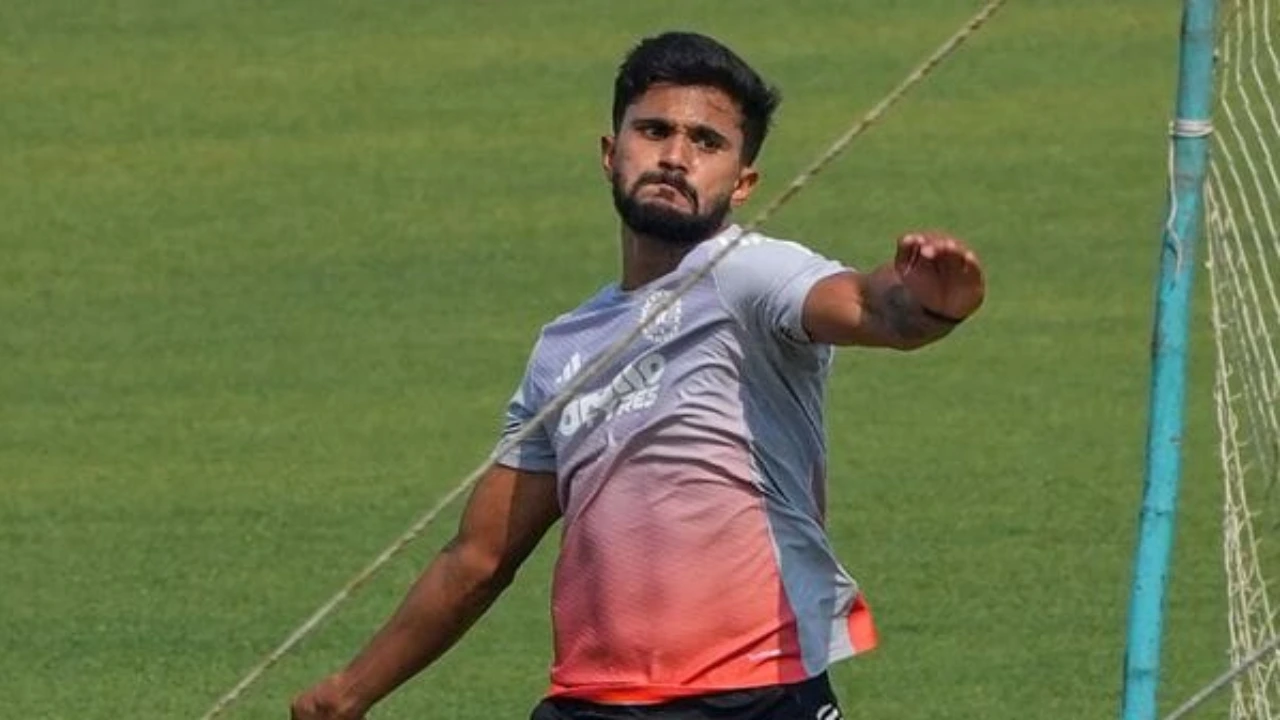
Manoj Tiwary Raises Concerns Over Nitish Kumar Reddy’s Form
Former Indian cricketer Manoj Tiwary has sparked a fresh debate regarding the sudden dip in form of young all-rounder Nitish Kumar Reddy. Tiwary pointed out events following Reddy’s maiden international century in Melbourne that may have impacted his performance.
Tiwary’s Critique of Celebrations and Distractions
Tiwary openly blamed the unnecessary and extravagant celebrations, the presence of family members, and the failure of the Anti-Corruption Unit for Reddy’s decline in form. He believes that these events were a turning point in the youngster’s career, affecting his focus and performance.
According to Tiwary, Reddy’s struggles began right after his maiden Test hundred against Australia at the MCG during the Border-Gavaskar Trophy 2024-25. He highlighted how celebrations started even while the Test match was ongoing, which he felt was distracting for a young player settling at the international level.
Questioning the Role of the Anti-Corruption Unit
Tiwary also raised concerns about the Anti-Corruption Unit’s role in allowing Reddy’s father to enter the team hotel during the Test series. He compared the strict rules followed in tournaments like the IPL to the laxity observed during high-profile international tours.
He emphasized the need for better player management and stricter protocols to avoid such distractions that could impact a player’s performance negatively.
Reddy’s Struggles Post-Australia Tour
Following the Australia tour, Reddy’s performance saw a significant decline on subsequent tours, managing only modest scores against England, South Africa, and the West Indies. Tiwary expressed concern over Reddy’s development as a player and the need for a thorough review of his progress.
Tiwary stressed the importance of guiding young talents like Reddy in the right direction and minimizing external distractions that could hamper their growth and consistency in performance. He highlighted the rarity of fast-bowling all-rounders in India and the need to nurture and support such talents effectively.
Conclusion
Manoj Tiwary’s observations have sparked discussions about the challenges faced by young cricketers in maintaining their form and focus amidst external influences. The need for better player management, stricter protocols, and focused guidance for emerging talents like Nitish Kumar Reddy has been underscored by Tiwary’s remarks.
As the cricketing community reflects on Tiwary’s critique, the focus shifts to how players are nurtured and supported in their journey towards consistent high-level performance in the competitive world of international cricket.
The Impact of Early Success on Young Players
Manoj Tiwary’s concerns over Nitish Kumar Reddy’s form post his maiden international century shed light on a common phenomenon in sports – the impact of early success on young players. The pressure to maintain performance levels after a breakthrough moment can be immense, especially when coupled with external distractions and celebrations.
It is not uncommon for young athletes to struggle with consistency after achieving a significant milestone early in their careers. The sudden spotlight, expectations, and the weight of past achievements can weigh heavily on their shoulders, affecting their focus and performance on the field.
Understanding the psychological and emotional challenges that come with early success is crucial for coaches, mentors, and support staff in guiding young players through the highs and lows of professional sports. Providing them with the necessary tools to cope with pressure, manage expectations, and stay grounded is essential for their long-term development and success.
Lessons from Past Sporting Icons
Looking at the careers of past sporting icons can offer valuable lessons on how to navigate the challenges of early success. Many legendary athletes have faced similar hurdles in their careers and have found ways to overcome them through resilience, determination, and a strong support system.
By studying the journeys of athletes who have successfully managed the pressures of early success, young players like Nitish Kumar Reddy can gain insights into coping strategies, mental toughness, and the importance of staying focused on their goals amidst distractions.
Drawing inspiration from role models who have faced similar struggles can provide a roadmap for emerging talents to navigate the complexities of professional sports and emerge stronger from setbacks.
The Role of Mentorship and Player Development Programs
Manoj Tiwary’s critique also brings attention to the crucial role of mentorship and player development programs in nurturing young talent and helping them reach their full potential. Providing guidance, support, and personalized coaching to young players can make a significant difference in their growth as athletes.
Establishing structured mentorship programs, investing in mental skills training, and creating a conducive environment for young athletes to thrive can contribute to their overall development and long-term success in the sporting arena.
By fostering a culture of mentorship, continuous learning, and emotional intelligence in sports, organizations can empower young players like Nitish Kumar Reddy to navigate challenges, overcome obstacles, and carve out successful careers in the competitive world of professional cricket.
Conclusion: Fostering a Culture of Growth and Resilience
Manoj Tiwary’s insights into the challenges faced by young cricketers like Nitish Kumar Reddy serve as a reminder of the importance of fostering a culture of growth, resilience, and support in sports. The journey of a professional athlete is filled with ups and downs, and it is essential to equip them with the tools and resources they need to navigate the complexities of their careers.
By prioritizing mentorship, player development, and mental well-being in sports, organizations can create an environment where young talents can thrive, overcome setbacks, and realize their full potential on and off the field.
As the cricketing community reflects on the lessons from Tiwary’s critique, the focus shifts towards building a sustainable framework for nurturing and supporting the next generation of athletes in their quest for excellence and success in the dynamic world of professional sports.
Latest News

New Zealand suffer blow as William O’Rourke misses India ODIs and Tests

Top 10 highest run-chases in T20 cricket history, ft. West Indies’ Ranchi win vs India

Aaryavir Sehwag and Anvay Dravid set to make headlines at U19 Asia Cup 2026

Longest ducks in Test cricket history ft. Nic Maddinson, Shoaib Akhtar

ECB to offer 39 central contracts to England players after Ben Stokes, Mark Wood’s retirement

Steve Smith surpasses Steve Waugh in all-time Test run-scorers’ list

Shane Watson identifies Gautam Gambhir’s biggest problem as India struggle for consistency
Is Bhuvneshwar Kumar in India’s 2027 World Cup plans? Ajinkya Rahane makes revelation
BCCI’s big ₹127 Crore move after injury crisis raises concerns over Team India
Parthiv Patel reveals RCB ignored his Jasprit Bumrah recommendation in IPL 2014 Auction
“Never spoke ill of any faith”: Irfan Pathan hits back at fake news using his name
Nic Maddinson bags 33-ball duck on Test comeback, disappoints George Bailey
Imran Tahir predicts 2027 ICC ODI World Cup Semi-Finalists, snubs India for title
Australia create unwanted history with first all-30-plus Test XI