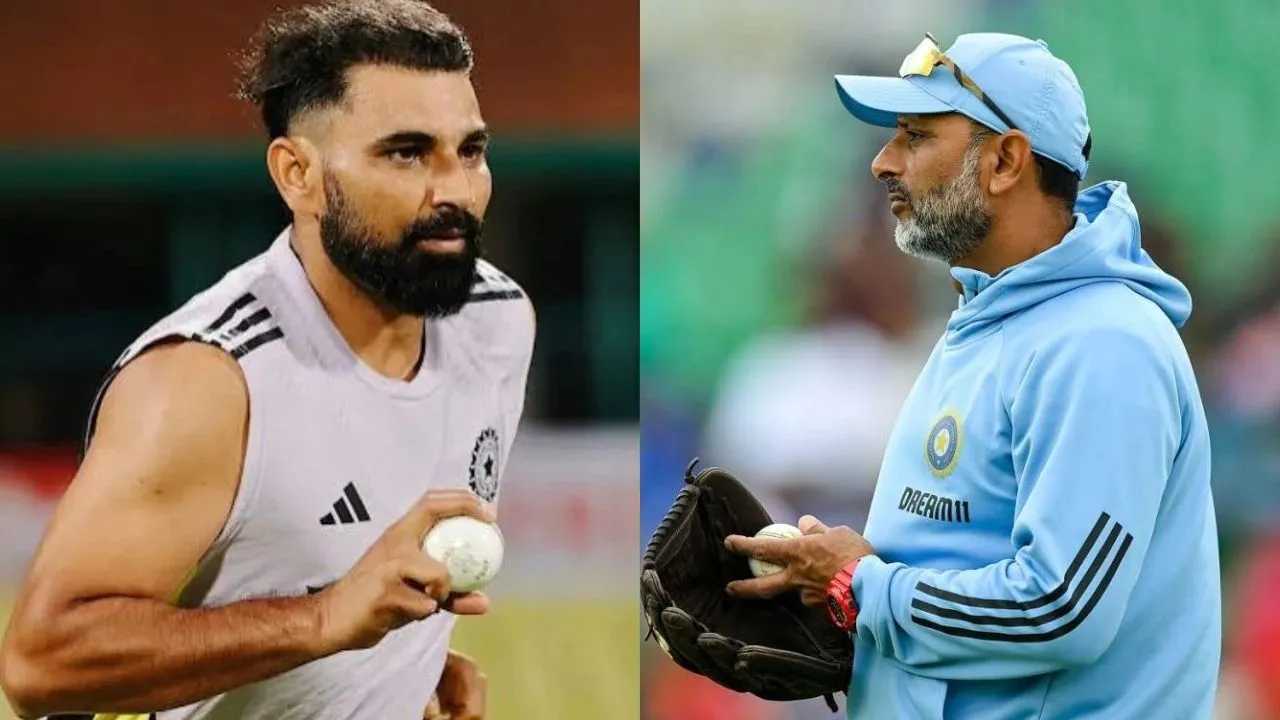
“Nobody is indispensable”: Sunil Gavaskar’s shocking warning puts Jasprit Bumrah’s India spot in danger
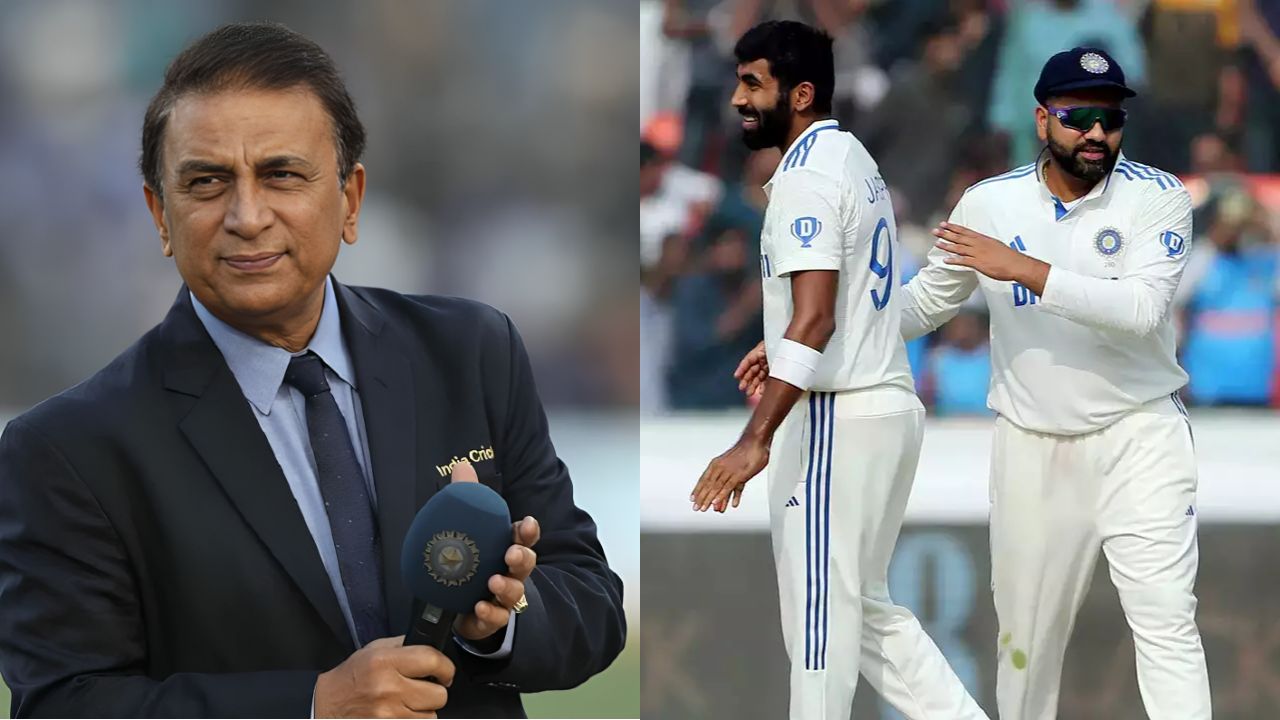
Sunil Gavaskar Raises Concerns Over Jasprit Bumrah’s Workload Management
Former Indian Cricketer Sunil Gavaskar has expressed his concerns about the workload management of Jasprit Bumrah during the Anderson-Tendulkar Trophy 2025.
Gavaskar has urged the Board of Control for Cricket in India (BCCI) and chief selector Ajit Agarkar to make clear decisions regarding the workload of the fast bowler, emphasizing that no player is indispensable in the team.
Jasprit Bumrah played three out of the five Tests during the England series as part of a pre-determined plan. His performances in the first, third, and fourth matches were commendable, where he took a total of 14 wickets, including two five-wicket hauls. However, despite the plan, the decision on his workload management faced criticism.
Bumrah had faced fitness issues during the previous Australia tour, where he suffered a back injury that affected his bowling in the Sydney Test. Despite the injury, he emerged as the leading wicket-taker of the series with 32 dismissals.
Sunil Gavaskar’s Perspective on Bumrah’s Involvement in the Final Test
Gavaskar revealed that Bumrah had informed the selection committee that he could only participate in three of the five Tests against England. The debate arose over whether Bumrah should have played in the critical final Test at the Oval, given the grassy nature of the pitch.
In his column for Mid-day, Gavaskar emphasized, “Nobody is indispensable. That’s why it is crucial for the selectors to decide when Jasprit Bumrah should be on the field. There has been a lot of discussion about his appearances in the recent England series.”
He added, “To be fair, he had informed the selection committee that he could only play three Tests out of the five. The debate that ensued is whether he should have been part of the last must-win Test match, especially considering the pitch conditions at the Oval.”
Gavaskar’s Take on Rest and Recovery for Bumrah
Gavaskar pointed out that Bumrah had a two-month break to rest and recover before the next Test in October. He acknowledged that the team management prioritized the bowler’s long-term fitness over immediate cricketing interests.
“The Indian team management decided not to include him, focusing on his future prospects. This blurred the lines between individual welfare and the team’s needs,” Gavaskar stated.
Prioritizing Indian Cricket’s Interests
While emphasizing the importance of prioritizing Jasprit Bumrah’s fitness for Indian cricket, Gavaskar reiterated that no player is indispensable, and the game always moves forward.
He concluded, “If he was fit, then for Indian cricket’s sake, he had to play. Nobody is irreplaceable in the game, and it keeps evolving.”
Bumrah’s absence from white-ball cricket after the 2024 final against South Africa was noted, but he is expected to make a comeback in the upcoming Asia Cup 2025 after featuring in the IPL 2025 season.
Overall, Gavaskar’s concerns shed light on the delicate balance between managing a player’s workload and ensuring the best interests of Indian cricket.
Analysis of Jasprit Bumrah’s Workload Management
Workload management has become a crucial aspect of modern cricket, especially for fast bowlers like Jasprit Bumrah, who possess the ability to generate pace and swing consistently. The demands of the game have increased significantly over the years, with players participating in multiple formats and leagues throughout the year. This has raised concerns about player burnout and the risk of injuries.
During the Anderson-Tendulkar Trophy 2025, Bumrah’s workload management was a topic of debate, highlighting the challenges faced by the team management and selectors in balancing the need for player participation with their long-term well-being. The decision to rest Bumrah for the final Test at the Oval showcased a strategic approach to prioritize his fitness over immediate match requirements.
The Evolution of Cricket Fitness and Recovery
In recent years, there has been a shift towards a more scientific approach to fitness and recovery in cricket. Teams now have dedicated support staff, including physiotherapists, strength and conditioning coaches, and nutritionists, to ensure that players are in peak physical condition. Injuries are closely monitored, and players undergo rigorous rehabilitation programs to expedite their return to the field.
Jasprit Bumrah’s back injury during the Australia tour highlighted the fragility of fast bowlers and the need for proactive measures to prevent long-term damage. The decision to manage his workload during the England series reflected a broader trend towards safeguarding players’ careers and longevity in the sport.
Balancing Individual Welfare and Team Needs
The dilemma faced by selectors and team management regarding Bumrah’s involvement in the final Test underscored the fine line between prioritizing individual welfare and meeting the team’s requirements. While Bumrah’s absence may have impacted the team’s performance in the short term, the decision was made with his long-term interests in mind.
By resting Bumrah and allowing him time to recover and prepare for future challenges, the Indian team demonstrated a commitment to nurturing their key players and ensuring their sustained success in international cricket. This approach aligns with global trends in sports science and player management, where preventative measures are becoming increasingly prevalent.
Looking Ahead: Bumrah’s Return and Future Prospects
As Jasprit Bumrah prepares to make his comeback in white-ball cricket during the upcoming Asia Cup 2025, all eyes will be on his performance and fitness levels. The IPL 2025 season will serve as a crucial platform for him to regain match practice and form before representing India on the international stage.
The lessons learned from managing Bumrah’s workload during the Anderson-Tendulkar Trophy will likely inform future decisions regarding his participation in high-stakes series and tournaments. The emphasis on balance, communication, and collaboration between players, management, and selectors will continue to shape the approach to player management in Indian cricket.
In conclusion, the scrutiny surrounding Jasprit Bumrah’s workload management offers valuable insights into the evolving landscape of cricket and the importance of prioritizing player welfare alongside team success. As the sport progresses, finding the optimal balance between individual needs and collective goals will remain a central challenge for cricketing authorities worldwide.
Latest News
Top 10 highest run-chases in T20 cricket history, ft. West Indies’ Ranchi win vs India

Aaryavir Sehwag and Anvay Dravid set to make headlines at U19 Asia Cup 2026

Longest ducks in Test cricket history ft. Nic Maddinson, Shoaib Akhtar

ECB to offer 39 central contracts to England players after Ben Stokes, Mark Wood’s retirement

Steve Smith surpasses Steve Waugh in all-time Test run-scorers’ list

Shane Watson identifies Gautam Gambhir’s biggest problem as India struggle for consistency

Is Bhuvneshwar Kumar in India’s 2027 World Cup plans? Ajinkya Rahane makes revelation

BCCI’s big ₹127 Crore move after injury crisis raises concerns over Team India

Parthiv Patel reveals RCB ignored his Jasprit Bumrah recommendation in IPL 2014 Auction
“Never spoke ill of any faith”: Irfan Pathan hits back at fake news using his name
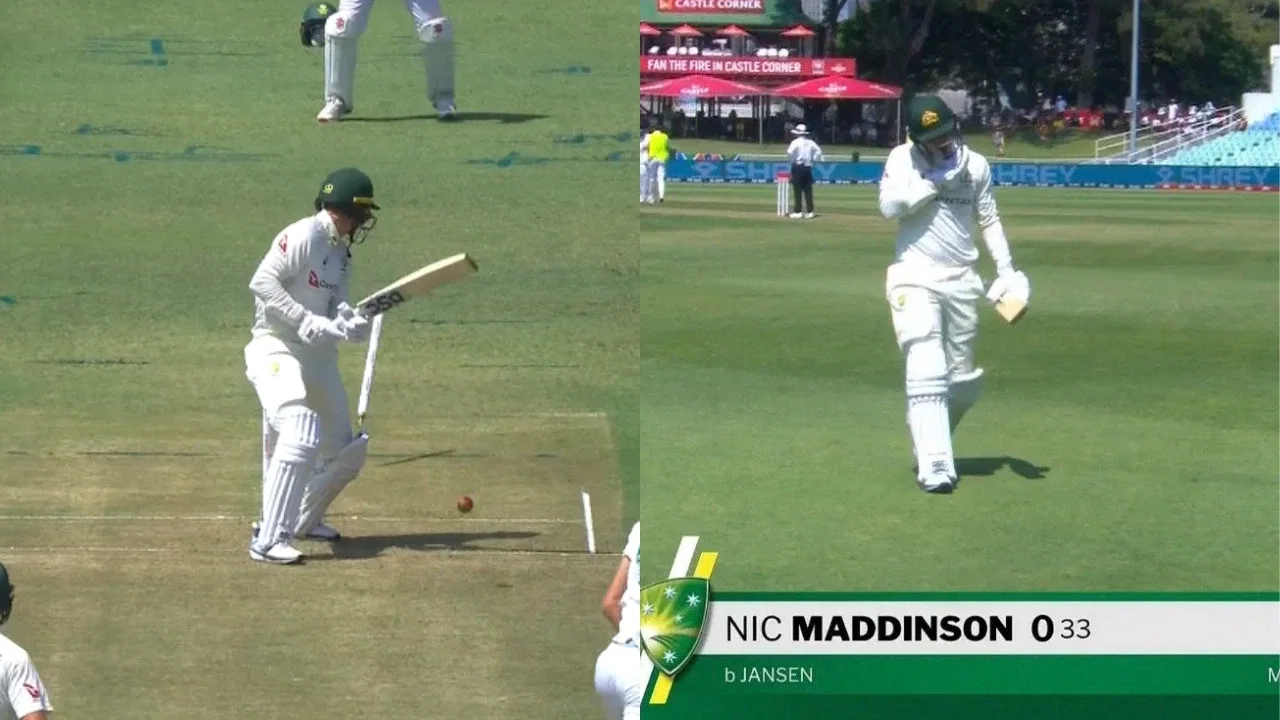
Nic Maddinson bags 33-ball duck on Test comeback, disappoints George Bailey

Imran Tahir predicts 2027 ICC ODI World Cup Semi-Finalists, snubs India for title

Australia create unwanted history with first all-30-plus Test XI
Ravindra Jadeja returns to Ranji Trophy as Saurashtra announce squad