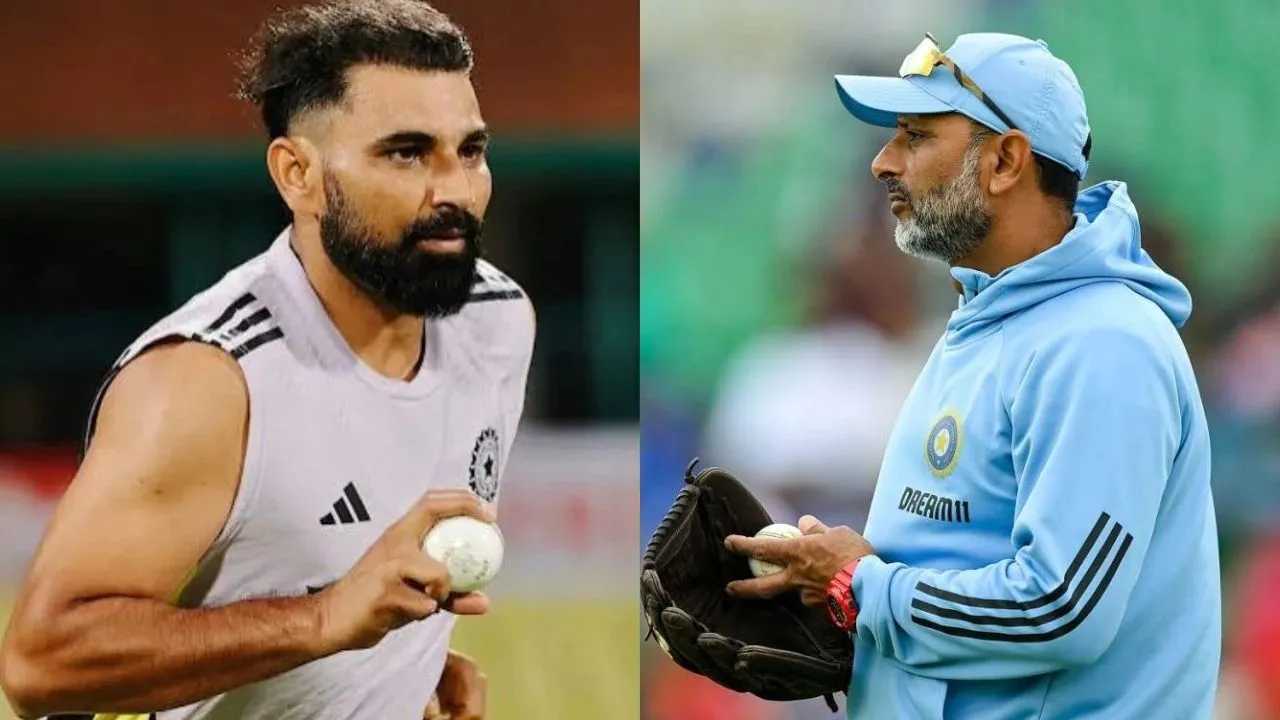
Not Steve Smith! Michael Vaughan picks Australian batter as ‘Greatest Slip Fielder of All Time’

Mark Waugh Named Greatest Slip Fielder in Cricket History by Michael Vaughan
Following India’s defeat in the opening Test match against England at Headingley, Leeds, former England captain Michael Vaughan sparked a debate on social media by naming Mark Waugh as the best slip fielder in the history of cricket. India’s sloppy fielding performance, which included dropping eight catches in the match, prompted Vaughan to highlight Waugh’s exceptional skills in the slip position.
Yashasvi Jaiswal Draws Criticism for Fielding Errors
Despite his impressive century in the first innings against England, Yashasvi Jaiswal faced criticism for his fielding performance, particularly for dropping crucial catches off the bat of English batsmen like Ollie Pope and Ben Duckett. Duckett, who was dropped by Jaiswal on 97, went on to score 149 runs and lead England to a successful chase of 371.
Mark Waugh’s Legacy as a Slip Fielder
Mark Waugh, known for his effortless catching technique, is widely regarded as the greatest slip fielder in cricket history. During his illustrious career spanning 128 Test matches, Waugh took a total of 181 catches and established himself as a reliable presence in the slip cordon. Alongside other Australian greats like Mark Taylor, Shane Warne, and Ricky Ponting, Waugh formed one of the most formidable slip fielding units in the game.
Despite a few lapses in his final Test series against Pakistan, where he dropped three catches in quick succession, Waugh’s near-flawless record solidifies his reputation as the finest slip fielder the sport has ever seen.
Mark Waugh’s Contribution with the Bat
Aside from his exceptional fielding skills, Mark Waugh was also a prolific batsman for Australia in both Test matches and One-Day Internationals. Known for his elegant strokeplay and natural talent, Waugh scored a total of 8,029 runs in Tests at an average of 41.81, including 20 centuries. In ODIs, he amassed 8,500 runs in 244 matches at an average of just under 40, showcasing his consistency and impact in the limited-overs format.
While some critics believed Waugh did not fully realize his potential in Test cricket, his graceful batting style and ability to make the game look easy earned him a place among the most naturally gifted batters of his time.
In conclusion, Michael Vaughan’s endorsement of Mark Waugh as the greatest slip fielder in cricket history highlights the former Australian cricketer’s enduring legacy in the sport. His exceptional skills in both fielding and batting have left an indelible mark on the game, solidifying his status as one of the all-time greats.
The Importance of Slip Fielding in Cricket
Slip fielding is a critical aspect of cricket, especially in Test matches where every chance counts. The slip cordon is positioned strategically to catch edges off the bat, making it a key area for securing wickets. A reliable slip fielder can make a significant difference in a team’s performance, as demonstrated by players like Mark Waugh who excelled in this role.
Fielders in the slip position need to have quick reflexes, excellent hand-eye coordination, and the ability to anticipate the movement of the ball off the bat. They must be focused and alert at all times, ready to pounce on any edges that come their way. A proficient slip fielder not only creates opportunities to dismiss batsmen but also boosts the morale of the bowling side by instilling confidence in the bowlers.
Evolution of Slip Fielding Techniques
Over the years, slip fielding techniques have evolved as players have refined their skills and adopted new strategies to enhance their performance in this specialized position. From the traditional two-slip and gully formation to variations like leg slips and fly slips, teams have experimented with different configurations to maximize their chances of taking catches in the slip cordon.
Modern slip fielders also use technology to their advantage, studying batsmen’s tendencies and analyzing their movements to anticipate where the ball might go. Video analysis and data-driven insights have become essential tools for slip fielders looking to gain a competitive edge and improve their success rate in catching opportunities.
The Art of Batting and Fielding Balance
Players like Mark Waugh epitomize the delicate balance between batting prowess and fielding excellence. While known for his elegant strokeplay and run-scoring ability, Waugh’s impact in the field was equally significant, contributing to his overall value as a player. The ability to excel in both disciplines requires a high level of skill, focus, and dedication to honing one’s craft.
For aspiring cricketers, studying the likes of Mark Waugh can offer valuable lessons in how to approach the game with a well-rounded skill set. Emphasizing the importance of fielding alongside batting and bowling can help young players understand the holistic nature of cricket and the value of being a versatile contributor to the team’s success.
Continuing the Legacy of Great Fielders
As the game of cricket evolves, the legacy of exceptional fielders like Mark Waugh serves as a source of inspiration for future generations of players. Emulating Waugh’s commitment to excellence in slip fielding and his ability to make a significant impact on matches through his fielding skills can motivate young cricketers to strive for greatness in all aspects of the game.
By recognizing and celebrating the contributions of legendary fielders like Waugh, cricket fans and players alike can appreciate the artistry and skill required to excel in one of the most demanding positions on the field. As the sport continues to evolve, the lessons learned from players like Waugh will continue to shape the future of cricket and inspire a new wave of exceptional fielders to make their mark on the game.
The Impact of Slip Fielding on Match Outcomes
It’s evident that slip fielding plays a crucial role in determining the outcome of matches, as seen in India’s recent defeat against England where dropped catches proved costly. The difference between a successful catch and a missed opportunity can swing the momentum of a game and ultimately decide the result. Teams that excel in slip fielding often have a competitive advantage, as they can capitalize on chances and put pressure on the opposition.
Coaches and players recognize the significance of slip fielding in shaping match outcomes, which is why they place a strong emphasis on developing and maintaining high standards in this aspect of the game. Practicing catching drills, improving anticipation skills, and fostering a culture of accountability among fielders are essential steps in enhancing slip fielding proficiency and ensuring a team’s success on the field.
Latest News
Top 10 highest run-chases in T20 cricket history, ft. West Indies’ Ranchi win vs India
Aaryavir Sehwag and Anvay Dravid set to make headlines at U19 Asia Cup 2026
Longest ducks in Test cricket history ft. Nic Maddinson, Shoaib Akhtar
ECB to offer 39 central contracts to England players after Ben Stokes, Mark Wood’s retirement
Steve Smith surpasses Steve Waugh in all-time Test run-scorers’ list

Shane Watson identifies Gautam Gambhir’s biggest problem as India struggle for consistency

Is Bhuvneshwar Kumar in India’s 2027 World Cup plans? Ajinkya Rahane makes revelation

BCCI’s big ₹127 Crore move after injury crisis raises concerns over Team India

Parthiv Patel reveals RCB ignored his Jasprit Bumrah recommendation in IPL 2014 Auction
“Never spoke ill of any faith”: Irfan Pathan hits back at fake news using his name
Nic Maddinson bags 33-ball duck on Test comeback, disappoints George Bailey

Imran Tahir predicts 2027 ICC ODI World Cup Semi-Finalists, snubs India for title
Australia create unwanted history with first all-30-plus Test XI
Ravindra Jadeja returns to Ranji Trophy as Saurashtra announce squad