Pakistan Cricket Board charges MLC franchises $25,000 for players’ NOCs; Mohsin Naqvi backs decision
Major League Cricket Franchises Accuse PCB of Charging Hefty Fees for NOCs
Major League Cricket (MLC) franchises have made massive claims against the Pakistan Cricket Board (PCB), alleging that the board is charging exorbitant fees to issue No Objection Certificates (NOCs) for their players. The controversy arose when PCB demanded a $25,000 fee for each player’s NOC, leaving the franchises in a difficult position just days before the tournament was set to begin.
MLC Franchises React to PCB’s Demands
The MLC franchises, gearing up for the American T20 league, were taken aback by PCB’s sudden demand for money at the eleventh hour. This unexpected request put the franchises in a tight spot as they had already finalized their player rosters and budget for the season. In response to PCB’s actions, the franchises have vowed to never sign a Pakistan cricketer again in the future if the situation remains unchanged.
An anonymous source from an MLC franchise revealed the timeline of events, stating, “Around a week before the tournament starts, when they know we can’t find other players, we’ve announced the players and cannot replace them, that’s when they’ll come back and say you have to pay $25,000 per player for an NOC.”
The source highlighted a specific incident from a previous season where PCB demanded payments just hours before a match was scheduled to begin. This unprofessional behavior has caused frustration among franchise owners who feel they are being extorted by the national cricket board.
PCB’s Response and Franchise Owners’ Stand
When approached with the issue, PCB Chairman Mohsin Naqvi defended the $25,000 NOC fee, claiming it as a legitimate source of revenue for the board. However, franchise owners argue that the lack of transparency and communication from PCB regarding the fee is unfair and unjust.
Despite raising the matter directly with PCB officials, the franchise owners have received little cooperation or clarification. The lack of a formal policy regarding NOC fees has further added to the confusion and discontent among the MLC franchises.
In conclusion, the ongoing dispute between the MLC franchises and PCB over NOC fees has strained their relationship and jeopardized the future participation of Pakistan cricketers in the American T20 league. Unless a resolution is reached that satisfies both parties, the standoff is likely to continue, impacting the dynamics of player transfers and team compositions in the upcoming seasons.
The Impact of NOC Fees on MLC Franchises
The exorbitant NOC fees demanded by the PCB have significant implications for MLC franchises beyond just financial burden. These unexpected costs disrupt the carefully laid out plans of team owners and management, affecting player selection, team dynamics, and overall performance. With limited time and resources to find replacements for Pakistani players, franchises are left with no choice but to comply with PCB’s demands, even if it means facing financial strain.
Moreover, the lack of transparency and communication from PCB regarding the NOC fees creates an atmosphere of mistrust between the national cricket board and MLC franchises. Franchise owners feel blindsided and unfairly targeted by these sudden financial obligations, leading to a breakdown in their working relationship with PCB. This strained dynamic could have long-term repercussions on the future collaboration between the two entities and the participation of Pakistani cricketers in international leagues.
The Need for Clear Policies and Fair Practices
As the dispute over NOC fees escalates, there is a growing consensus among MLC franchises for the need to establish clear policies and fair practices when it comes to player transfers and NOC issuance. The arbitrary imposition of fees without prior notice or justification undermines the integrity of the league and hampers the growth of cricket in emerging markets like the United States.
By setting transparent guidelines on NOC fees and ensuring open communication channels between PCB and MLC franchises, both parties can foster a more cooperative and mutually beneficial relationship. A structured approach to handling player transfers and NOC processes will not only protect the interests of franchise owners but also safeguard the rights and welfare of players involved in international leagues.
Exploring Alternative Solutions
Amidst the deadlock between MLC franchises and PCB, exploring alternative solutions to resolve the issue of NOC fees becomes imperative. One possible approach could involve negotiating a reasonable fee structure that takes into account the financial constraints of franchises while acknowledging the revenue needs of the national cricket board.
Additionally, establishing a formal arbitration mechanism or independent oversight body to mediate disputes related to NOC fees could help prevent future conflicts and ensure a fair resolution process. By promoting transparency, accountability, and fairness in player transfer regulations, both PCB and MLC franchises can work towards rebuilding trust and fostering a more harmonious working relationship.
Looking Ahead: The Future of Player Transfers in MLC
As the standoff over NOC fees continues, the future of player transfers in Major League Cricket hangs in the balance. The outcome of this conflict will not only shape the dynamics of the American T20 league but also influence the broader landscape of international cricket collaborations. Finding a mutually acceptable solution that addresses the concerns of both PCB and MLC franchises is essential for preserving the integrity and sustainability of player transfers in the global cricketing ecosystem.
In conclusion, the dispute over NOC fees underscores the complexities and challenges associated with player transfers in modern cricket leagues. By navigating these issues with transparency, fairness, and cooperation, stakeholders can pave the way for a more equitable and inclusive framework for player movements across borders. Only through constructive dialogue and collaborative efforts can the cricketing community overcome obstacles and foster a thriving environment for players, franchises, and governing bodies alike.
Latest News
Top 10 highest run-chases in T20 cricket history, ft. West Indies’ Ranchi win vs India
Aaryavir Sehwag and Anvay Dravid set to make headlines at U19 Asia Cup 2026
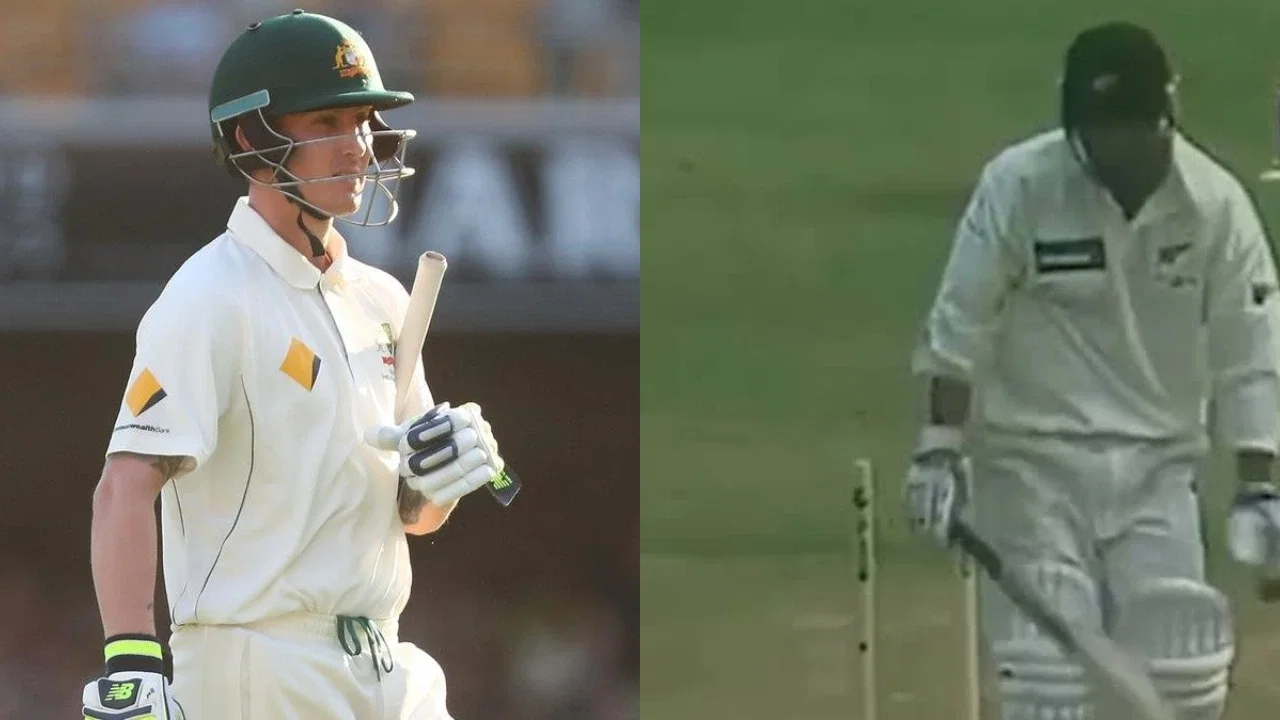
Longest ducks in Test cricket history ft. Nic Maddinson, Shoaib Akhtar
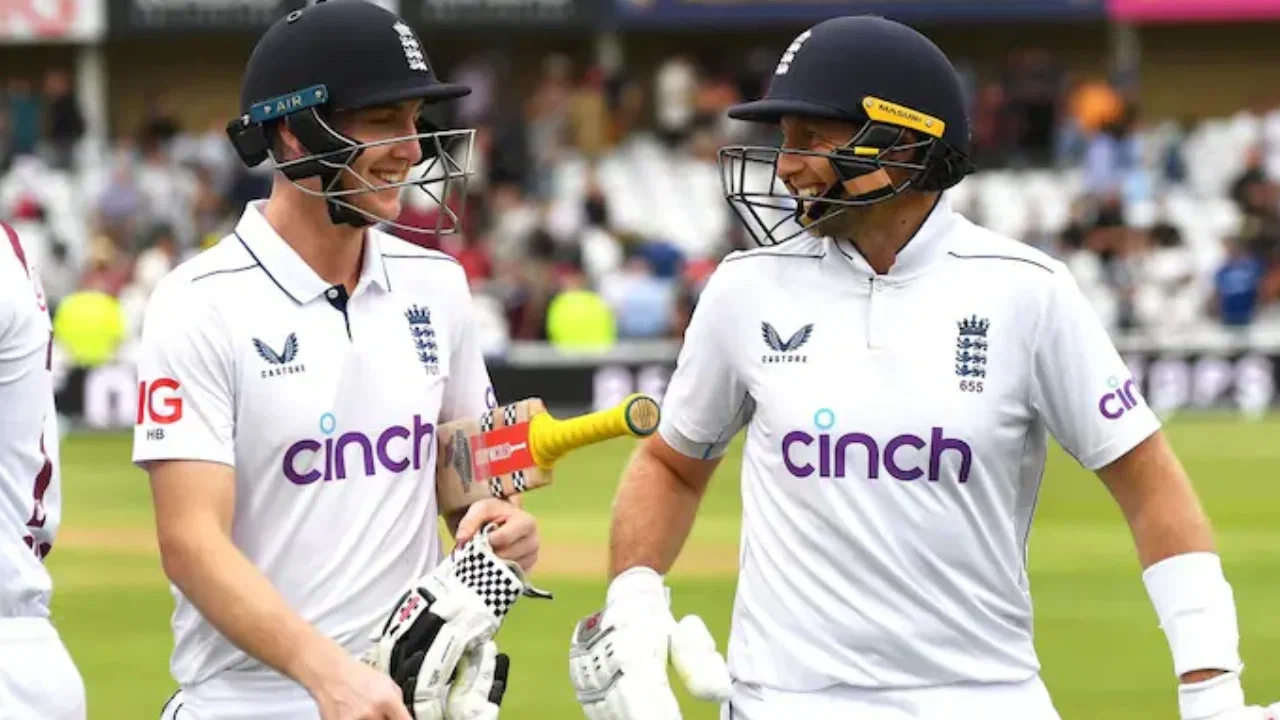
ECB to offer 39 central contracts to England players after Ben Stokes, Mark Wood’s retirement
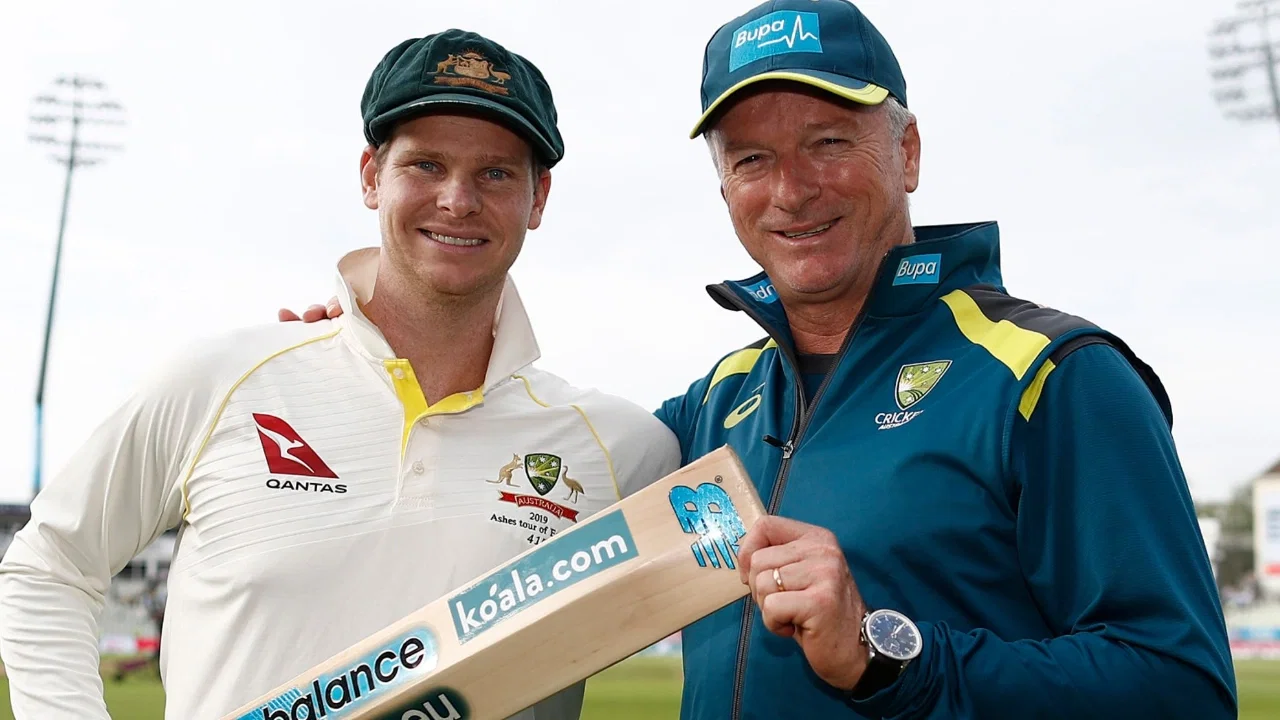
Steve Smith surpasses Steve Waugh in all-time Test run-scorers’ list

Shane Watson identifies Gautam Gambhir’s biggest problem as India struggle for consistency
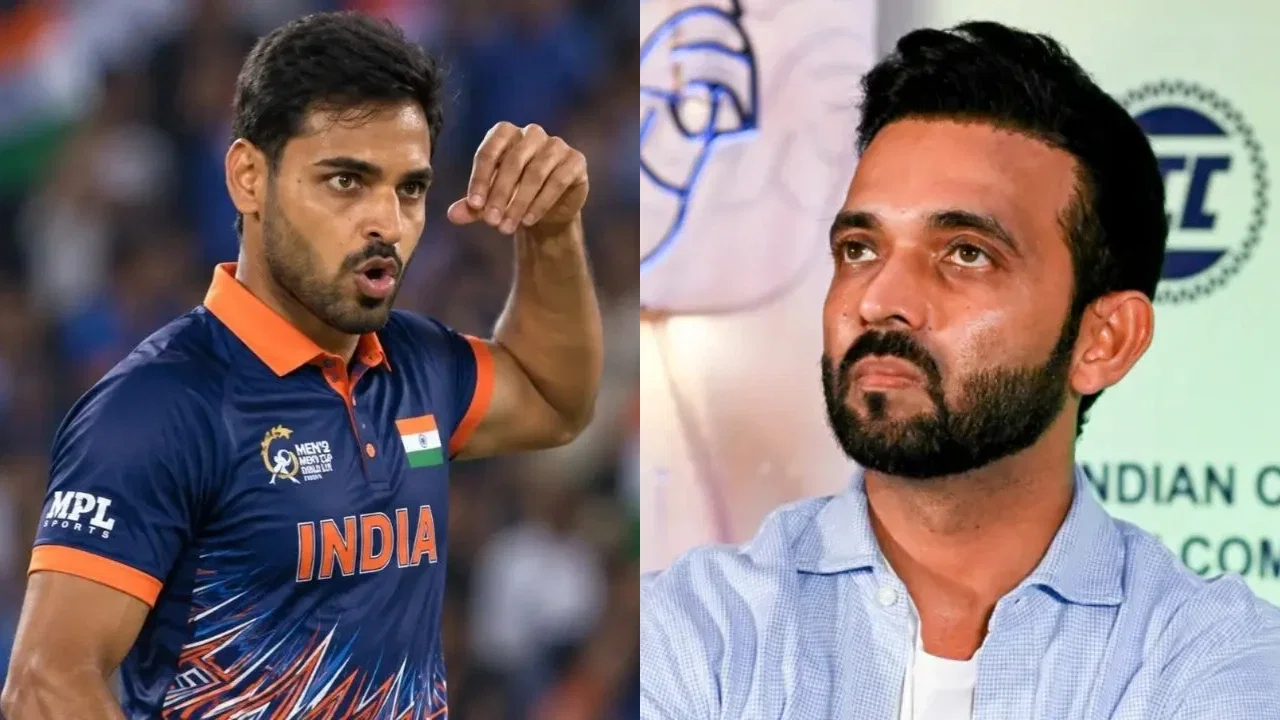
Is Bhuvneshwar Kumar in India’s 2027 World Cup plans? Ajinkya Rahane makes revelation
BCCI’s big ₹127 Crore move after injury crisis raises concerns over Team India
Parthiv Patel reveals RCB ignored his Jasprit Bumrah recommendation in IPL 2014 Auction
“Never spoke ill of any faith”: Irfan Pathan hits back at fake news using his name
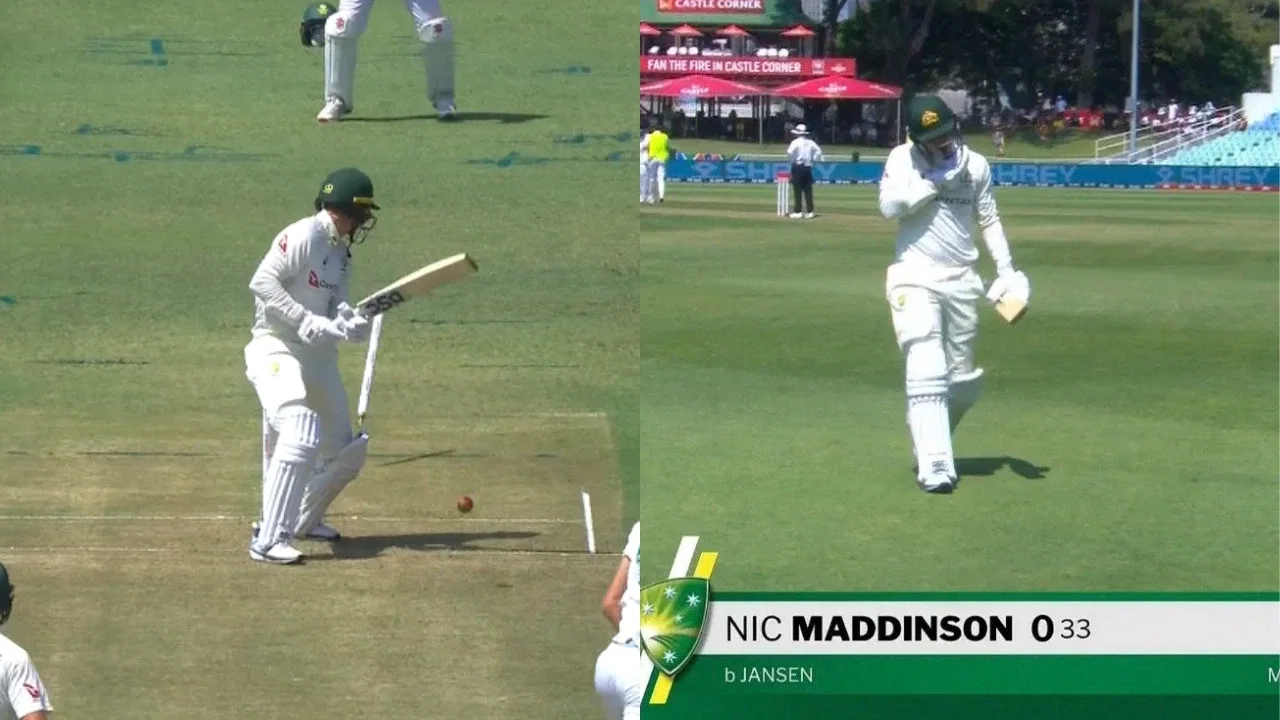
Nic Maddinson bags 33-ball duck on Test comeback, disappoints George Bailey
Imran Tahir predicts 2027 ICC ODI World Cup Semi-Finalists, snubs India for title
Australia create unwanted history with first all-30-plus Test XI
Ravindra Jadeja returns to Ranji Trophy as Saurashtra announce squad