Pakistan declares war on Jay Shah’s two-tier Test plan in explosive new cricket rift
PCB to Oppose ICC’s Two-Tier Test System Proposal
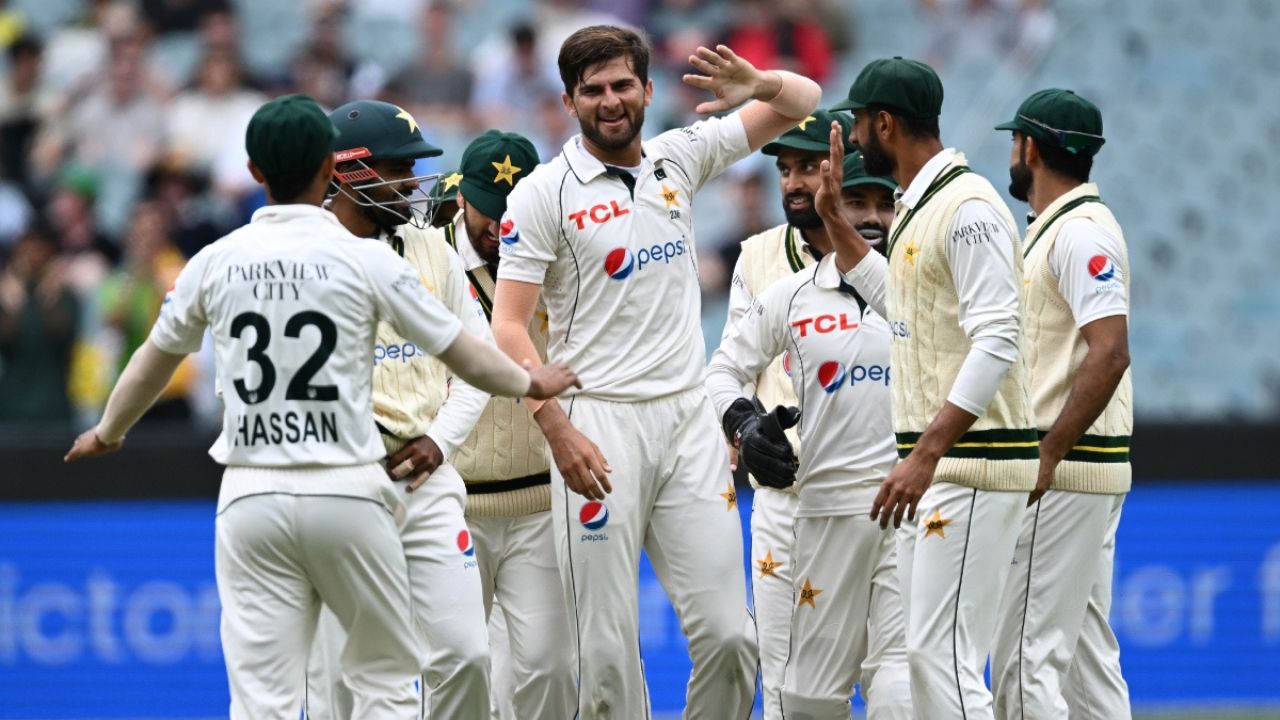
Reports from Pakistani media indicate that Saleem Khaliq, representing the Pakistan Cricket Board (PCB) and the national team, are gearing up to officially challenge the International Cricket Council’s (ICC) proposed two-tier Test system. The ICC recently tabled a plan at its annual meeting to potentially split Test cricket into two tiers, with the top six ranked teams forming an elite group, leaving the lower-ranked teams in a separate division. This move has stirred controversy and opposition within the cricket community, with Pakistan leading the charge against the proposed changes.
History of Opposition
This is not the first time that Pakistan has resisted the idea of a two-tier Test structure. Back in 2016, the PCB, along with other cricket boards like Sri Lanka, Zimbabwe, and Bangladesh, voiced their concerns against a similar proposal. The core argument revolves around the principle of equality in international cricket, advocating for all full-member nations to have equal rights and opportunities within the ICC’s Future Tours Programme (FTP) calendar, regardless of their current performance or financial standing.
Challenges Faced by Pakistan
Currently ranked 7th in the ICC Test Rankings, Pakistan has struggled to make a mark in the longer format of the game, especially within the ICC World Test Championship cycle. With a rating of 78 and 1705 points, Pakistan finds themselves at the bottom among the top Test-playing nations, highlighting their challenges in the red-ball cricket arena.
PCB’s Stance
The PCB, along with several other full-member cricket boards, is expected to vehemently oppose the ICC’s proposed two-tier Test system, citing concerns about the potential negative impact on cricketing equality and financial viability for lower-ranked teams. The idea of creating an ‘elite’ and ‘non-elite’ divide in Test cricket goes against the spirit of inclusivity and fair competition that the PCB stands for.
Looking Ahead
Despite the ICC’s argument that a two-tier system could enhance competitiveness and fan engagement, the opposition led by PCB believes that such a move would widen the gap between the top-tier nations like India, Australia, and England, and the rest of the cricketing world. The debate is expected to intensify in the upcoming ICC meetings as the cricketing community grapples with the future direction of Test cricket.
In conclusion, Pakistan’s resistance to the ICC’s proposed changes reflects a broader concern within the cricketing fraternity about the need to preserve the integrity and equality of the sport. The upcoming discussions and debates will be crucial in shaping the future of Test cricket and determining the path forward for all member nations, including Pakistan.
The Impact of a Two-Tier Test System
One of the key concerns raised by the PCB and other opposing cricket boards is the potential impact of a two-tier Test system on the development of the game globally. Critics argue that creating a divide between the top-ranked teams and the lower-ranked ones could hinder the growth and progress of emerging cricketing nations. By limiting opportunities for lower-ranked teams to compete against stronger opposition, the proposed system could restrict their ability to improve and climb up the rankings.
Furthermore, the financial implications of a two-tier system are also a cause for worry. Smaller cricketing nations like Pakistan rely on revenue generated from playing against higher-ranked teams in series and tournaments. If these opportunities are limited due to being relegated to a lower tier, it could have significant financial repercussions for boards like the PCB. This, in turn, could impact the overall development of cricket in these regions.
The Future of Test Cricket
As the debate over the two-tier Test system continues, it raises larger questions about the future of Test cricket as a whole. Many within the cricketing community argue that Test cricket should remain a format that promotes inclusivity and provides opportunities for all nations to compete on an equal footing. The traditional nature of Test cricket, with its emphasis on skill, strategy, and endurance, is seen as a cornerstone of the sport that should be preserved for future generations.
At the same time, there is recognition that the landscape of international cricket is evolving, with the rise of T20 leagues and the increasing commercialization of the game. Finding a balance between preserving the heritage of Test cricket and adapting to the changing dynamics of the sport is a challenge that cricket boards, players, and fans will need to navigate in the coming years.
Alternative Solutions
Instead of implementing a two-tier Test system, some voices within the cricketing community have proposed alternative solutions to address the challenges faced by lower-ranked nations like Pakistan. One idea is to create a more balanced FTP calendar that ensures all teams have a mix of fixtures against top-ranked and lower-ranked opponents. This would provide greater opportunities for teams to improve their performance and competitiveness over time.
Another suggestion is to incentivize Test cricket by introducing a more structured and rewarding system for bilateral series and tournaments. By offering greater financial incentives and recognition for success in Test matches, boards like the PCB believe that the allure of Test cricket can be revitalized, encouraging teams to invest in the format and prioritize its development.
Conclusion
As the PCB prepares to challenge the ICC’s proposed two-tier Test system, the debate over the future of Test cricket intensifies. The coming months will be crucial in determining the direction that the sport takes, with important decisions to be made regarding the structure, format, and inclusivity of Test cricket. Pakistan’s opposition to the proposed changes reflects a broader sentiment within the cricketing community about the need to protect the essence of the game while also embracing innovation and progress. Only time will tell how this debate unfolds and what impact it will have on the future of Test cricket worldwide.
Latest News
Top 10 highest run-chases in T20 cricket history, ft. West Indies’ Ranchi win vs India
Aaryavir Sehwag and Anvay Dravid set to make headlines at U19 Asia Cup 2026
Longest ducks in Test cricket history ft. Nic Maddinson, Shoaib Akhtar

ECB to offer 39 central contracts to England players after Ben Stokes, Mark Wood’s retirement
Steve Smith surpasses Steve Waugh in all-time Test run-scorers’ list

Shane Watson identifies Gautam Gambhir’s biggest problem as India struggle for consistency

Is Bhuvneshwar Kumar in India’s 2027 World Cup plans? Ajinkya Rahane makes revelation

BCCI’s big ₹127 Crore move after injury crisis raises concerns over Team India

Parthiv Patel reveals RCB ignored his Jasprit Bumrah recommendation in IPL 2014 Auction
“Never spoke ill of any faith”: Irfan Pathan hits back at fake news using his name
Nic Maddinson bags 33-ball duck on Test comeback, disappoints George Bailey

Imran Tahir predicts 2027 ICC ODI World Cup Semi-Finalists, snubs India for title
Australia create unwanted history with first all-30-plus Test XI
Ravindra Jadeja returns to Ranji Trophy as Saurashtra announce squad