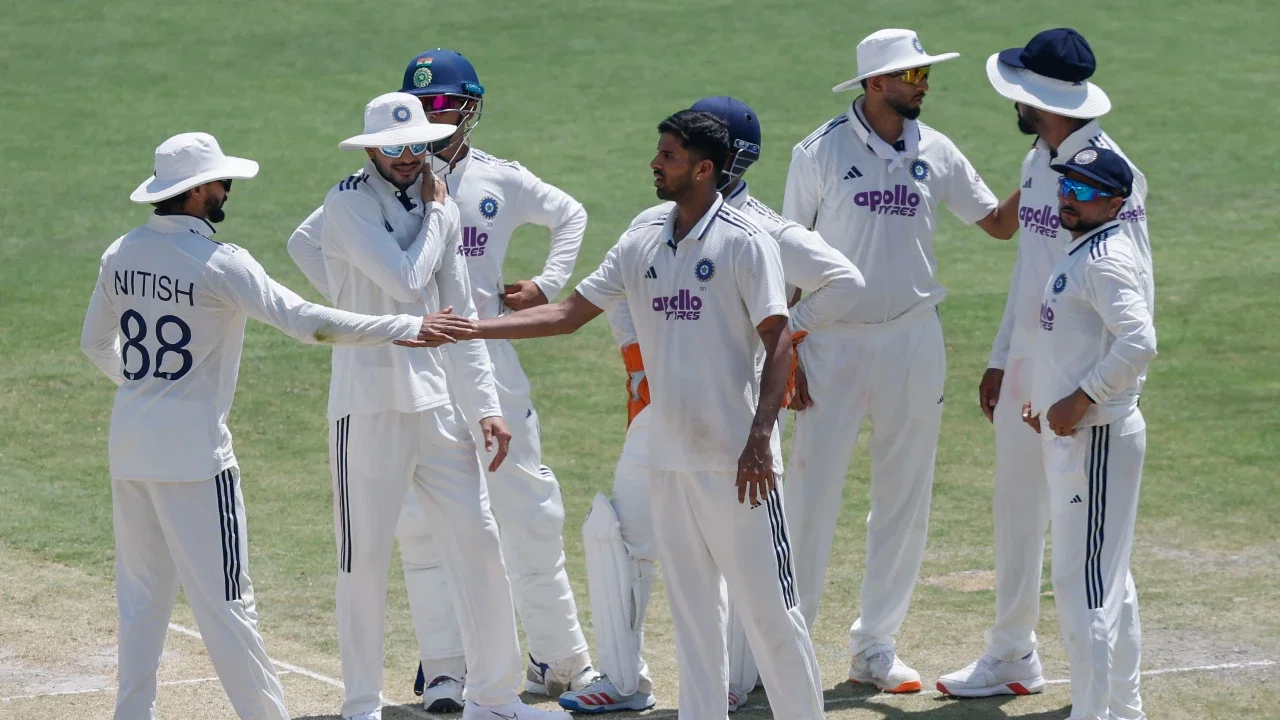
Why Gurnoor Brar, Manav Suthar were left out of India’s New Zealand Test squad
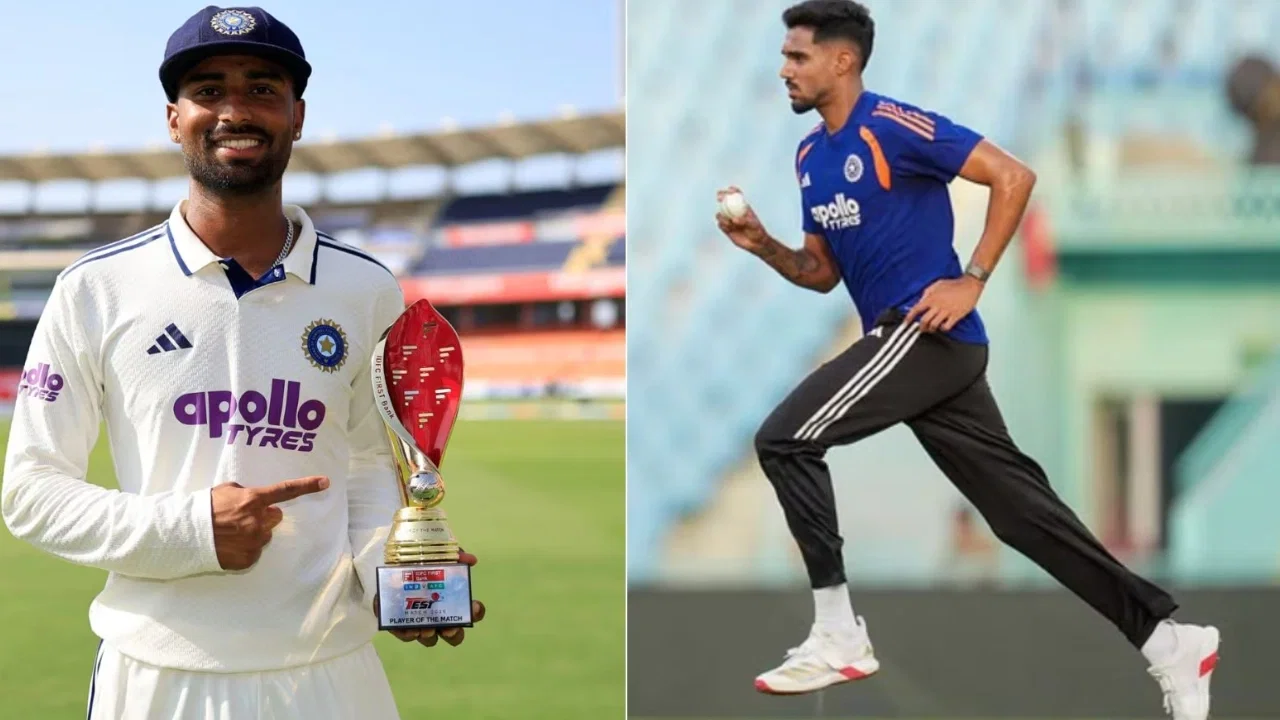
Why Manav Suthar and Gurnoor Brar Were Left Out of India’s New Zealand Test Squad
India’s upcoming two-match Test series in New Zealand presents selectors with a balancing act. The team must pursue valuable points in the current World Test Championship (WTC) cycle while also preparing for the 2027 ODI World Cup. That competing set of priorities appears to have influenced the squad, with experienced bowlers selected and rising talents Manav Suthar and Gurnoor Brar left out.
Their omissions have prompted questions, particularly because India’s coaching and selection setup has often shown a willingness to introduce emerging players. However, reports suggest the decisions may reflect long-term planning rather than a lack of confidence in either bowler. Suthar is reportedly being considered for future Test opportunities, while Brar is viewed as part of India’s plans in the one-day format.
Experience takes priority for the New Zealand Tests
India have named established options including Jasprit Bumrah, Mohammed Siraj, Washington Sundar and Kuldeep Yadav for the away Tests. Their selection gives the side a blend of international experience, pace, spin and all-round ability for conditions that can be challenging for visiting teams.
New Zealand’s pitches and weather can offer assistance to seamers, particularly when there is movement in the air or off the surface. At the same time, a two-Test series leaves little room for experimentation: a slow start can quickly become costly. Choosing bowlers familiar with international pressure and varied conditions may therefore be a practical call, especially with WTC points at stake.
That does not necessarily mean the selectors have closed the door on younger players. Squad decisions often depend on role, workload, conditions and the schedule ahead—not just a player’s recent performances. In this case, the reported strategy appears to involve managing India’s resources across formats and competitions.
Manav Suthar’s potential role in India’s Test plans
According to reporting by The Hindu, Suthar’s omission is linked to the management’s plans for the next Border-Gavaskar Trophy against Australia. The left-arm spinner has produced promising returns in red-ball cricket, taking seven wickets against Afghanistan and then claiming 10 and six wickets in two Tests against Sri Lanka.
Those performances have strengthened his case as a developing Test option. A left-arm spinner can offer a different angle from India’s other bowling choices, while also giving the captain a useful option when the pitch begins to wear. Suthar’s value may be especially significant in a long series, where variation and the ability to sustain pressure can matter as much as raw pace or turn.
India’s road to the WTC final is demanding. The team, led by Shubman Gill, reportedly needs at least six wins from its remaining seven matches to stay in contention. That makes every Test important, but it also increases the need for a squad capable of handling a packed schedule. Preserving a promising bowler for a major future assignment could be part of a wider effort to avoid overusing players before they are ready for a sustained run at the highest level.
Why Gurnoor Brar may be focused on ODI cricket
Brar’s situation appears to be different, though it also reflects India’s multi-format planning. He has played nine ODIs for India and taken 14 wickets, but he is yet to make his Test debut. Reports indicate that the selectors see him as a longer-term option for the 2027 ODI World Cup and may prefer to develop his role in the format where he has already gained international experience.
Preparing a player for a major tournament involves more than selecting him for every available match. Teams need to establish clear roles, build familiarity with combinations and manage workloads across a demanding calendar. If Brar is being assessed primarily as an ODI bowler, keeping him within that setup could help him develop consistency and confidence without adding the physical demands of a new format.
His ODI record offers an encouraging starting point, but the next stage will be turning early promise into dependable performances. Regular opportunities, careful workload management and exposure to different opponents could all contribute to that development. With the 2027 World Cup still ahead, India have time to refine their bowling options and identify which players best fit the conditions and tactical demands of the tournament.
India’s selection challenge: immediate results and long-term depth
The New Zealand series places India at the intersection of two major objectives. The WTC campaign calls for immediate results, while the 2027 ODI World Cup requires the gradual construction of a balanced squad. Those goals can compete for attention, particularly when players are capable of contributing in more than one format.
One way to manage that challenge is to assign players clearer format-specific roles. That approach can reduce unnecessary workload and give emerging cricketers a more focused development path. It also allows selectors to retain experienced options for high-pressure Test matches while continuing to build depth in the ODI side.
For supporters, the absence of Suthar and Brar may look surprising, given their potential and recent contributions. But selection is not always a direct reward for form; it is also a prediction of what the team will need months or years from now. If reports about the management’s plans are accurate, both bowlers remain part of India’s broader vision—Suthar as a possible future Test specialist and Brar as a developing ODI option.
Ultimately, the success of this strategy will be judged by results. India must compete strongly in New Zealand to keep their WTC ambitions alive, while also ensuring that their next generation is ready for major assignments. The selectors’ choices suggest they are trying to pursue both goals at once, even if that means leaving two promising names out of the immediate Test squad.
Latest News
Bhuvneshwar Kumar replaced by GT pacer after India recall, Krunal Pandya named captain
Shubman Gill to pay for 4-5 personal net bowlers in NZ, face Chhattisgarh in Ranji Trophy
BCCI grills selector candidates on Rohit Sharma’s future and Vaibhav Sooryavanshi’s situation
Wasim Jaffer in line to replace Ajit Agarkar as BCCI chief selector
Why Gurnoor Brar, Manav Suthar were left out of India’s New Zealand Test squad
Chaminda Vaas joins Delhi Capitals: A look at his coaching journey
Prasidh Krishna, Harshit Rana to undergo match simulations ahead of New Zealand tour
Jonny Bairstow calls ECB’s George Hill snub an ‘absolute joke’
Who is Kumar Kushagra? Jharkhand wicketkeeper picked over Sanju Samson for NZ ODIs
Mahela Jayawardene OUT: Mumbai Indians shortlist several big names for head coach role
Jake Fraser-McGurk creates Australian cricket history with fastest-ever fifty
Aiden Markram fitness update: South Africa star misses training ahead of 2nd Test vs Australia
BAN vs ZIM Playing 11 Today, Live Streaming, Pitch & Weather: Bangladesh vs Zimbabwe 1st ODI, Tri-Series 2026
India ODI squad for New Zealand tour announced, Ravindra Jadeja dropped