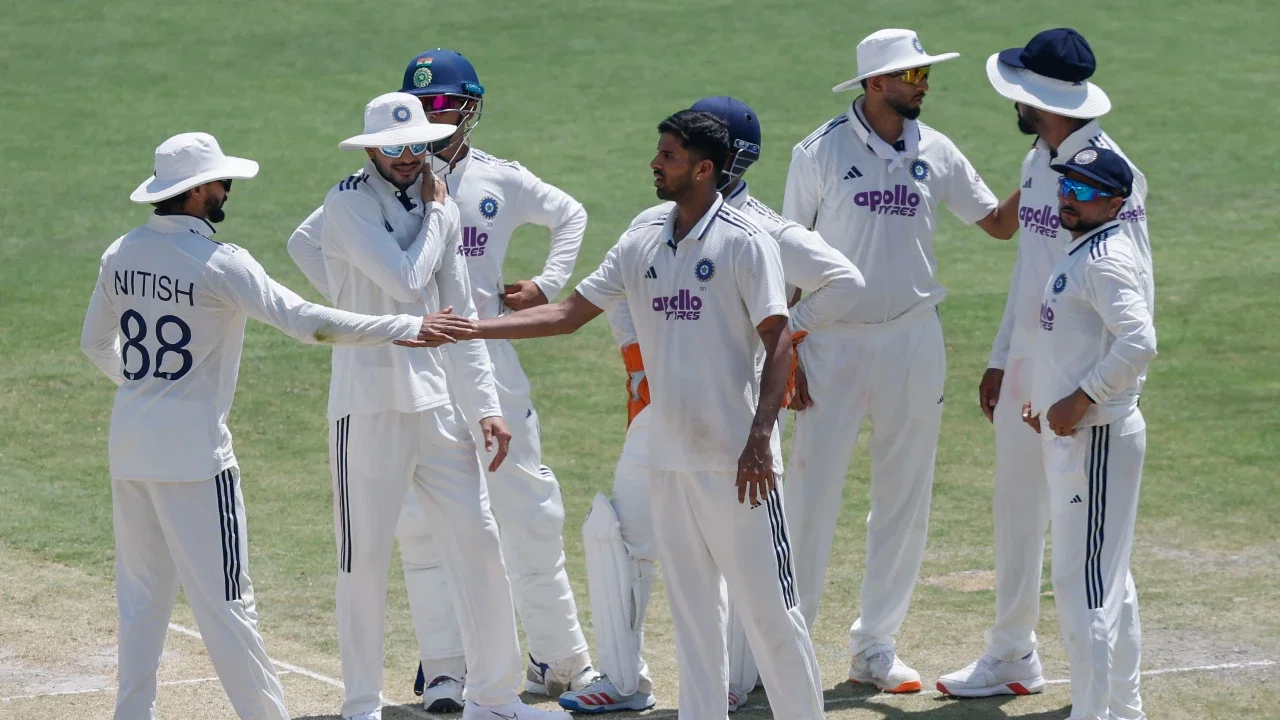
Prasidh Krishna, Harshit Rana to undergo match simulations ahead of New Zealand tour
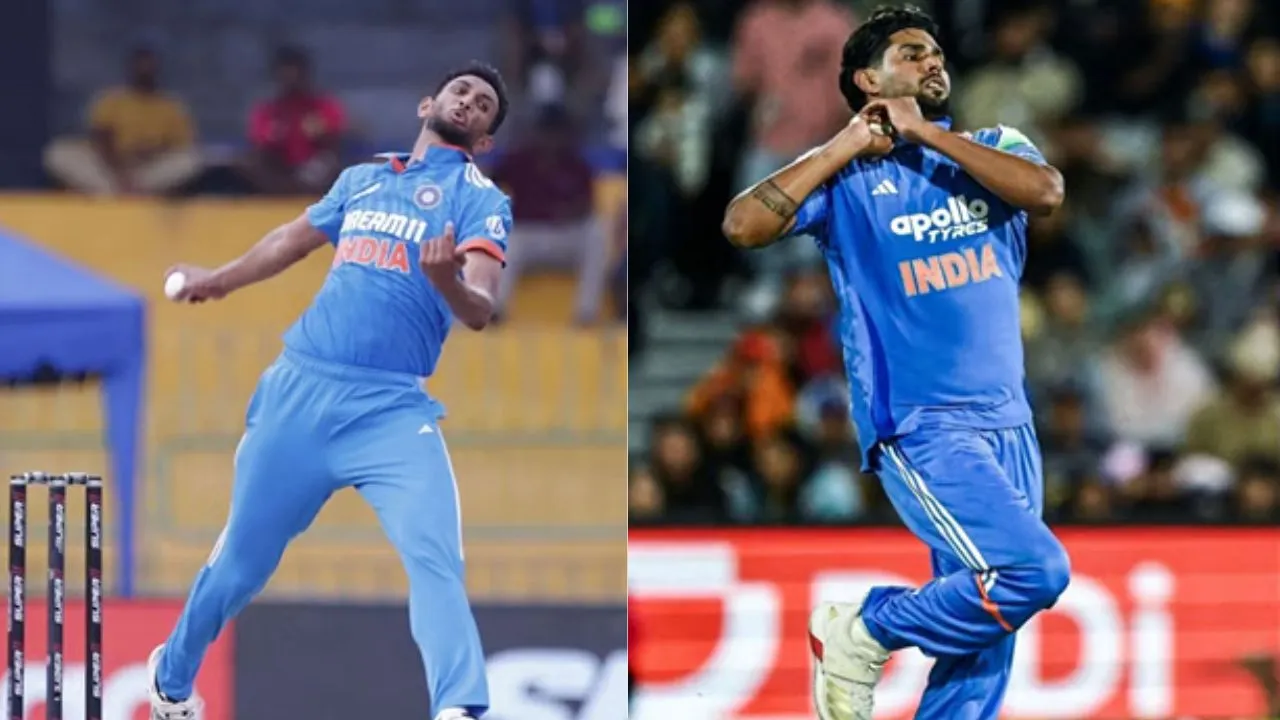
India’s New Zealand Tour: Prasidh Krishna and Harshit Rana Face Key Match Simulations
India’s preparations for a demanding tour of New Zealand are entering an important phase, with fast bowlers Prasidh Krishna and Harshit Rana scheduled for match simulations at the Centre of Excellence (CoE). The assessments will help the medical and coaching staff judge whether the pace bowlers are ready to return to competitive cricket—and, in Prasidh’s case, whether he can join the touring squad as planned.
Prasidh is due to complete simulations on October 22 and 24, while Rana’s sessions are scheduled for October 26 and 28. The timing matters: India’s tour features white-ball cricket before a two-Test series, and New Zealand’s conditions are expected to place a premium on accurate, fit seam bowlers.
Prasidh Krishna’s Fitness Could Affect India’s ODI and Test Plans
According to a report by Abhishek Tripathi of Jagran News, Prasidh will be evaluated through match-like workloads at the CoE. He has been selected for India’s Test squad and for the first three ODIs of the New Zealand tour, but his participation depends on clearing the required fitness assessments.
The right-arm fast bowler sustained a left hamstring strain during the second ODI against the West Indies in Guwahati on September 30. He was prescribed a recovery period of around 21 days, and the upcoming simulations are intended to test more than basic fitness. They should give the team a clearer picture of how he responds to repeated bowling spells, changes of pace, fielding demands and the recovery time between efforts.
That distinction is important for a fast bowler returning from a muscle injury. Completing rehabilitation exercises does not automatically mean a player is ready for the intensity of international cricket. Match simulations can help assess whether Prasidh can maintain his bowling action and pace under pressure without aggravating the hamstring.
His availability could be especially valuable in New Zealand, where movement off the pitch and through the air can reward tall seamers who hit a consistent length. If he is cleared, India would gain another pace option across formats. If he is not, the selectors and team management will need to adjust their plans and avoid rushing him back before he is fully ready.
Harshit Rana Continues His Rehabilitation
Rana is not part of India’s ODI squad for the New Zealand tour, but his scheduled simulations remain an important step in his recovery and longer-term development. After undergoing rehabilitation at the CoE since July, he is expected to take part in sessions on October 26 and 28.
Rana last represented India in a T20I against England in Nottingham on July 7, 2026. His absence from the touring ODI group means the immediate selection focus is different from Prasidh’s: the simulations will help establish where he stands physically and whether he can progress towards a return to competitive cricket.
For India, managing Rana’s recovery carefully could strengthen the country’s fast-bowling depth over the coming months. Young quicks often face a steep workload increase when moving between domestic and international cricket, so a measured return can be as important as the eventual selection decision. The CoE assessments should provide useful information about his readiness without making a premature commitment to a match date.
Jasprit Bumrah’s Workload Is Being Increased Gradually
India are also managing the preparation of their leading fast bowler, Jasprit Bumrah. He has been selected for the Test squad but left out of the white-ball groups for the New Zealand tour. Reports say he is currently bowling approximately 24 overs per week and is expected to report to the CoE as his workload is gradually increased.
The decision reflects the demands of the two-Test series. Red-ball cricket requires a bowler to sustain repeated spells over several days, and Bumrah’s preparation will need to build towards that level of volume. Keeping him out of the ODI squad gives him additional time to focus on Test-specific conditioning rather than moving between formats and workloads.
Bumrah last played a Test during India’s home series against South Africa in 2025. His return to the Test setup would give the attack a major boost, but the priority will be ensuring that he can handle the physical demands of the format. A gradual increase in overs is a cautious approach, particularly for a fast bowler whose impact depends on maintaining both pace and control.
India’s New Zealand Schedule and WTC Stakes
India’s tour is set to include a five-match T20I series, followed by five ODIs and a two-match Test series. The Test matches carry added significance because they contribute to the 2025–27 World Test Championship (WTC) race. Every result can influence India’s position in the standings and its prospects of reaching the final.
The ODI series is scheduled to begin on November 4. Prasidh has been named for the first three matches, subject to fitness clearance, while Arshdeep Singh has been selected for all five ODIs despite recently sustaining a shoulder injury during the home series against the West Indies. His condition, like Prasidh’s, will be closely monitored as the tour approaches.
India’s selection strategy appears to balance immediate needs with longer-term workload management. Seam-friendly New Zealand conditions make pace depth a central consideration, but the selectors must also ensure that bowlers are not exposed to excessive demands before they are ready. The match simulations are therefore more than routine fitness checks: they are part of the decision-making process that will shape India’s attack across a packed schedule.
What the Fitness Tests Could Mean for India
The next few days should clarify whether Prasidh can travel and contribute to the early part of the tour, while Rana’s sessions will offer a progress report on his rehabilitation. Bumrah’s gradual workload build-up will also be closely watched as India prepares for the Tests.
For supporters, the key prediction is that India are likely to remain cautious with their fast bowlers rather than take unnecessary risks before a multi-format tour. A fully fit pace attack could be a major advantage in New Zealand, but the team’s plans will depend on medical clearance, training response and the ability of each bowler to cope with match-level intensity. The final decisions will reveal how India intend to balance selection, recovery and the demands of the WTC campaign.
Latest News
Bhuvneshwar Kumar replaced by GT pacer after India recall, Krunal Pandya named captain
Shubman Gill to pay for 4-5 personal net bowlers in NZ, face Chhattisgarh in Ranji Trophy
BCCI grills selector candidates on Rohit Sharma’s future and Vaibhav Sooryavanshi’s situation
Wasim Jaffer in line to replace Ajit Agarkar as BCCI chief selector
Why Gurnoor Brar, Manav Suthar were left out of India’s New Zealand Test squad
Chaminda Vaas joins Delhi Capitals: A look at his coaching journey
Prasidh Krishna, Harshit Rana to undergo match simulations ahead of New Zealand tour
Jonny Bairstow calls ECB’s George Hill snub an ‘absolute joke’
Who is Kumar Kushagra? Jharkhand wicketkeeper picked over Sanju Samson for NZ ODIs
Mahela Jayawardene OUT: Mumbai Indians shortlist several big names for head coach role
Jake Fraser-McGurk creates Australian cricket history with fastest-ever fifty
Aiden Markram fitness update: South Africa star misses training ahead of 2nd Test vs Australia
BAN vs ZIM Playing 11 Today, Live Streaming, Pitch & Weather: Bangladesh vs Zimbabwe 1st ODI, Tri-Series 2026
India ODI squad for New Zealand tour announced, Ravindra Jadeja dropped