

Pakistan regret not boycotting IND vs PAK clash as Mohsin Naqvi ‘shames’ his government and nation
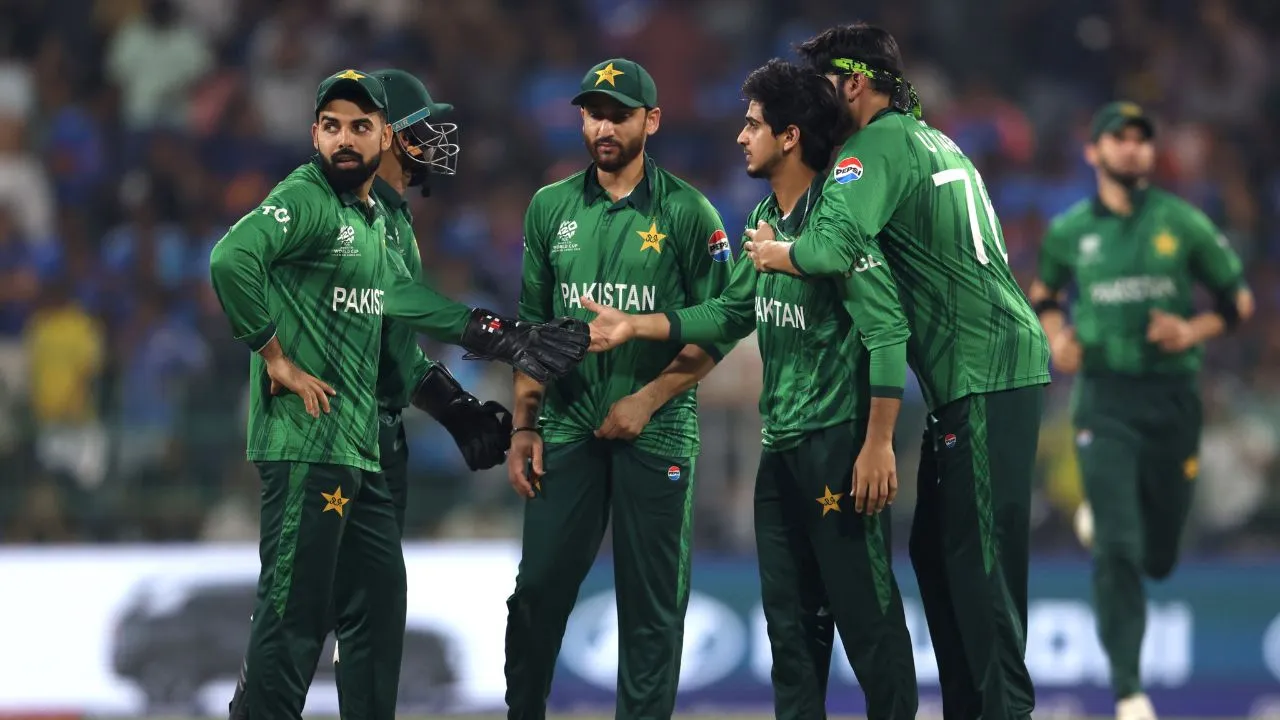
India’s Dominant Victory Over Pakistan Shakes T20 World Cup 2026
The recent India-Pakistan matchup in the ICC T20 World Cup 2026 was highly anticipated by cricket fans around the world. However, what was expected to be a thrilling clash on the field turned into a political and organizational debacle, leading to a heavy defeat for Pakistan and a wave of disappointment among fans and officials.
Dominant Performance by Team India
On Sunday, February 15, India secured a decisive victory over Pakistan, winning by a significant margin of 61 runs. This victory marked India’s third consecutive win in the tournament, earning them a spot in the Super 8. India set a challenging target by posting a total of 175/7 while batting first. Their bowlers then delivered an outstanding performance, restricting Pakistan to just 114 runs in 18 overs, sealing a one-sided victory.
Political Pressure and Boycott Threats
Pakistan’s stance leading up to the match created tension and uncertainty within the ICC and T20 World Cup 2026 organizers. Following the removal of Bangladesh from the tournament, PCB chairman Mohsin Naqvi publicly criticized the ICC for what he deemed a unilateral decision. Naqvi’s comments quickly escalated into a boycott threat, putting the participation of Pakistan in the tournament in question.
The potential boycott raised concerns among the ICC and broadcasters, as it threatened to disrupt one of the most anticipated matches of the T20 World Cup. While some fans debated whether boycotting the match would have been a better choice, the repercussions of such a decision, including financial losses and potential ICC action against Pakistan, were significant.
Impact on Pakistan Cricket
Despite the potential consequences, Pakistan ultimately decided to go ahead with the match, resulting in a heavy defeat and a blow to the team’s pride and credibility. The loss not only highlighted the team’s on-field struggles but also exposed underlying issues within Pakistan cricket, including political pressure and leadership challenges.
As Pakistan looks ahead to their final group-stage match against Namibia, the team and board are under pressure to redeem themselves and secure a spot in the Super 8 stage of the tournament. The fallout from the India-Pakistan match serves as a reminder of the complexities and challenges faced by cricketing nations on and off the field.
As fans await the remainder of the T20 World Cup 2026, the spotlight remains on Pakistan as they seek to overcome their recent setback and regain their competitive edge in the tournament.
Strategic Planning and Performance Analysis
India’s victory over Pakistan was not just a result of their superior performance on the field but also a testament to their strategic planning and execution. The team’s meticulous preparation, both in terms of batting and bowling, allowed them to dominate the match from start to finish. India’s top-order batsmen set a solid foundation, enabling the middle order to accelerate the run rate effectively. On the bowling front, India’s bowlers applied pressure consistently, leading to wickets at crucial intervals and restricting Pakistan’s scoring opportunities.
Analysts and cricket enthusiasts have praised India’s captaincy and decision-making during the match, highlighting the team’s ability to adapt to changing game situations and maintain composure under pressure. This victory not only showcased India’s talent and skill but also their resilience and tactical acumen, setting them apart as a formidable force in the T20 World Cup 2026.
Global Implications and Fan Reactions
The outcome of the India-Pakistan match reverberated beyond the cricketing world, sparking discussions and debates among fans, analysts, and officials. The match’s political undertones and the subsequent fallout have raised questions about the intersection of sports, diplomacy, and national pride. The strong reactions and emotions elicited by this match serve as a reminder of the deep-rooted rivalry and historical context that define India-Pakistan cricket encounters.
Fans from both sides of the border have expressed a mix of disappointment, frustration, and hope following Pakistan’s defeat. While Indian fans celebrated their team’s triumph, Pakistani supporters grappled with the implications of the loss and the challenges facing their cricketing establishment. The intense reactions and diverse perspectives surrounding this match underscore the power of cricket as a unifying and divisive force, capable of transcending boundaries and stirring passion among millions of followers.
Lessons Learned and Future Prospects
As Pakistan reflects on their performance and prepares for upcoming matches, there are valuable lessons to be learned from the India encounter. The defeat against their arch-rivals serves as a reality check for Pakistan cricket, highlighting areas for improvement and areas of vulnerability. The team’s response to adversity and their ability to regroup and bounce back will be closely watched by fans and pundits alike.
Looking ahead, Pakistan has an opportunity to turn the tide and demonstrate their resilience and competitive spirit in the remaining matches of the T20 World Cup. The team’s leadership, coaching staff, and players will need to come together to address the challenges and setbacks faced during the India match, refocusing their efforts on achieving success in the tournament.
Ultimately, the India-Pakistan clash in the T20 World Cup 2026 serves as a powerful reminder of the unpredictability and drama that characterizes cricket’s most storied rivalry. As the tournament progresses, the world will be watching closely as both teams navigate the highs and lows of international competition, fueled by the passion and intensity that define cricket’s greatest spectacles.
Latest News
New Zealand suffer blow as William O’Rourke misses India ODIs and Tests

Top 10 highest run-chases in T20 cricket history, ft. West Indies’ Ranchi win vs India

Aaryavir Sehwag and Anvay Dravid set to make headlines at U19 Asia Cup 2026

Longest ducks in Test cricket history ft. Nic Maddinson, Shoaib Akhtar

ECB to offer 39 central contracts to England players after Ben Stokes, Mark Wood’s retirement

Steve Smith surpasses Steve Waugh in all-time Test run-scorers’ list

Shane Watson identifies Gautam Gambhir’s biggest problem as India struggle for consistency

Is Bhuvneshwar Kumar in India’s 2027 World Cup plans? Ajinkya Rahane makes revelation

BCCI’s big ₹127 Crore move after injury crisis raises concerns over Team India

Parthiv Patel reveals RCB ignored his Jasprit Bumrah recommendation in IPL 2014 Auction

“Never spoke ill of any faith”: Irfan Pathan hits back at fake news using his name

Nic Maddinson bags 33-ball duck on Test comeback, disappoints George Bailey

Imran Tahir predicts 2027 ICC ODI World Cup Semi-Finalists, snubs India for title

Australia create unwanted history with first all-30-plus Test XI


