PCB seeks court protection after PIC orders disclosure of financial records: Report
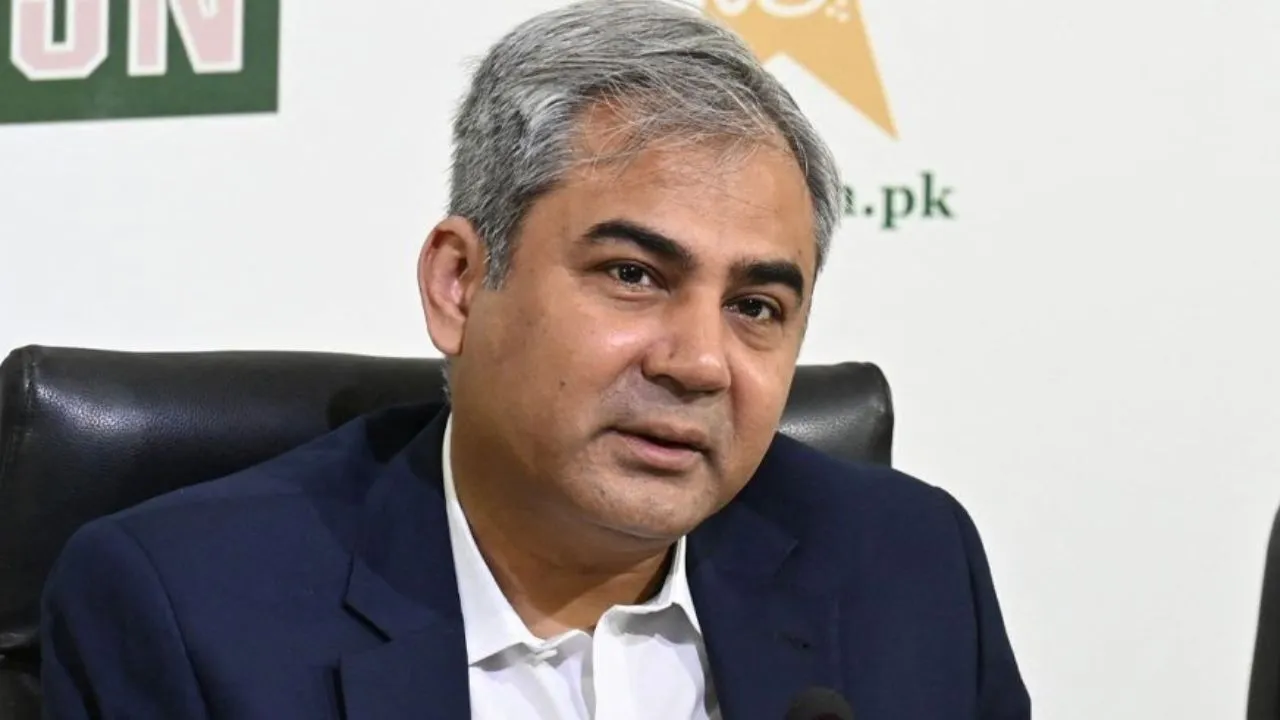
Pakistan Cricket Board Seeks Legal Protection Against Information Commission’s Order
The Pakistan Cricket Board (PCB) is seeking protection from the Islamabad High Court after the Pakistan Information Commission (PIC) ordered the disclosure of confidential data related to players’ contracts, employees’ salaries, and financial details. PCB, led by Mohsin Naqvi, has moved to the court to halt the commission’s directives.
What Did the Pakistan Information Commission (PIC) Request?
On August 4, news agency PTI reported that the PIC issued an order to PCB under the Right of Access to Information Act, 2017, asking for the detailed annual budget for the financial years 2023-26. The cricket board argues that revealing such detailed financial information could have negative implications for PCB.
The PIC also requested details of the players and officials who traveled to the T20 World Cup this year and the amount invested by the board to upgrade the Iqbal Stadium in Faisalabad.
PCB’s Response
PCB, under Naqvi’s leadership, is reluctant to disclose the requested information as it could jeopardize relationships with various stakeholders. The board cited exemptions under Section 16 of the Right of Access to Information Act, 2017, protecting personal privacy, confidential contractual arrangements, commercially sensitive information, and third-party interests.
Since Naqvi took over in 2024, PCB stopped providing detailed financial breakdowns on its official website, causing concerns among stakeholders.
Details of Petition
In a petition filed through Advocate Kashif Ali Malik, PCB was asked to disclose the annual budgets for the financial years 2023 to 2025, a breakdown of expenses, travel expenditure for the 2026 T20 World Cup, and the board’s audit report.
Another petition raised concerns over the lack of financial transparency regarding the upgrade of Iqbal Stadium in Faisalabad for the Pakistan national cricket team’s ODI series against South Africa in November 2025.
Why Does PCB Resist Disclosure?
PCB argues that it operates in a highly competitive sector without receiving funds from the federal government or the Consolidated Fund. Given the dependence on commercial interests for revenue, the board fears that disclosing financial details could harm its position in the international market.
Therefore, PCB is seeking interim relief from the court to protect its financial information from public disclosure.
Overall, the legal battle between PCB and the PIC highlights the challenges faced by sports organizations in balancing transparency with confidentiality in a competitive industry.
The Importance of Financial Confidentiality in Sports Organizations
Financial transparency is crucial for maintaining trust and accountability within sports organizations. However, in the case of the Pakistan Cricket Board (PCB), the need for financial confidentiality highlights the complexities of operating in a highly competitive industry. By safeguarding sensitive information such as players’ contracts, employees’ salaries, and financial details, PCB aims to protect its strategic interests and maintain a competitive edge in the global cricket market.
PCB’s reluctance to disclose detailed financial information stems from its unique funding model. Unlike some cricket boards that receive substantial funding from their government, PCB relies heavily on commercial interests for revenue generation. This reliance on commercial partnerships makes PCB vulnerable to potential exploitation or disadvantage if sensitive financial data were to be made public.
Implications of Public Disclosure on Commercial Interests
Revealing confidential details such as annual budgets, travel expenditures, and audit reports could expose PCB’s financial strategies to competitors, compromising its negotiation power in sponsorship deals and broadcasting rights. Additionally, disclosing players’ salaries and contractual arrangements may impact their market value and contractual negotiations, leading to potential unrest among the cricketing community.
Furthermore, transparency requirements mandated by regulatory bodies like the Pakistan Information Commission (PIC) can create tensions between the need for accountability and the protection of proprietary information in sports organizations. Balancing these conflicting demands is a delicate task for PCB, as it navigates the complexities of governance, financial management, and stakeholder relationships.
Challenges for Sports Organizations in Maintaining Competitive Edge
The legal battle between PCB and the PIC underscores the broader challenges faced by sports organizations in safeguarding their financial interests while upholding transparency and accountability. In an era of heightened scrutiny and public scrutiny, organizations like PCB must find a delicate balance between disclosing information to stakeholders and protecting proprietary data to remain competitive in the global sports market.
As the sports industry evolves and becomes increasingly commercialized, the demand for financial transparency grows, along with the need to protect sensitive commercial information from public disclosure. PCB’s efforts to seek legal protection against the PIC’s directives shed light on the intricate challenges faced by sports organizations in today’s competitive landscape.
Conclusion
In conclusion, the legal battle between PCB and the Pakistan Information Commission exemplifies the tension between transparency and confidentiality within sports organizations. By seeking legal protection against the disclosure of sensitive financial information, PCB underscores the importance of maintaining a competitive edge in the global cricket market. As the case unfolds in the Islamabad High Court, the outcome will not only impact PCB’s operations but also set a precedent for how sports organizations navigate the complexities of financial management, governance, and stakeholder relations in the modern sports industry.
Latest News

Top 10 highest run-chases in T20 cricket history, ft. West Indies’ Ranchi win vs India

Aaryavir Sehwag and Anvay Dravid set to make headlines at U19 Asia Cup 2026

Longest ducks in Test cricket history ft. Nic Maddinson, Shoaib Akhtar

ECB to offer 39 central contracts to England players after Ben Stokes, Mark Wood’s retirement

Steve Smith surpasses Steve Waugh in all-time Test run-scorers’ list

Shane Watson identifies Gautam Gambhir’s biggest problem as India struggle for consistency

Is Bhuvneshwar Kumar in India’s 2027 World Cup plans? Ajinkya Rahane makes revelation

BCCI’s big ₹127 Crore move after injury crisis raises concerns over Team India

Parthiv Patel reveals RCB ignored his Jasprit Bumrah recommendation in IPL 2014 Auction

“Never spoke ill of any faith”: Irfan Pathan hits back at fake news using his name
Nic Maddinson bags 33-ball duck on Test comeback, disappoints George Bailey

Imran Tahir predicts 2027 ICC ODI World Cup Semi-Finalists, snubs India for title

Australia create unwanted history with first all-30-plus Test XI
Ravindra Jadeja returns to Ranji Trophy as Saurashtra announce squad