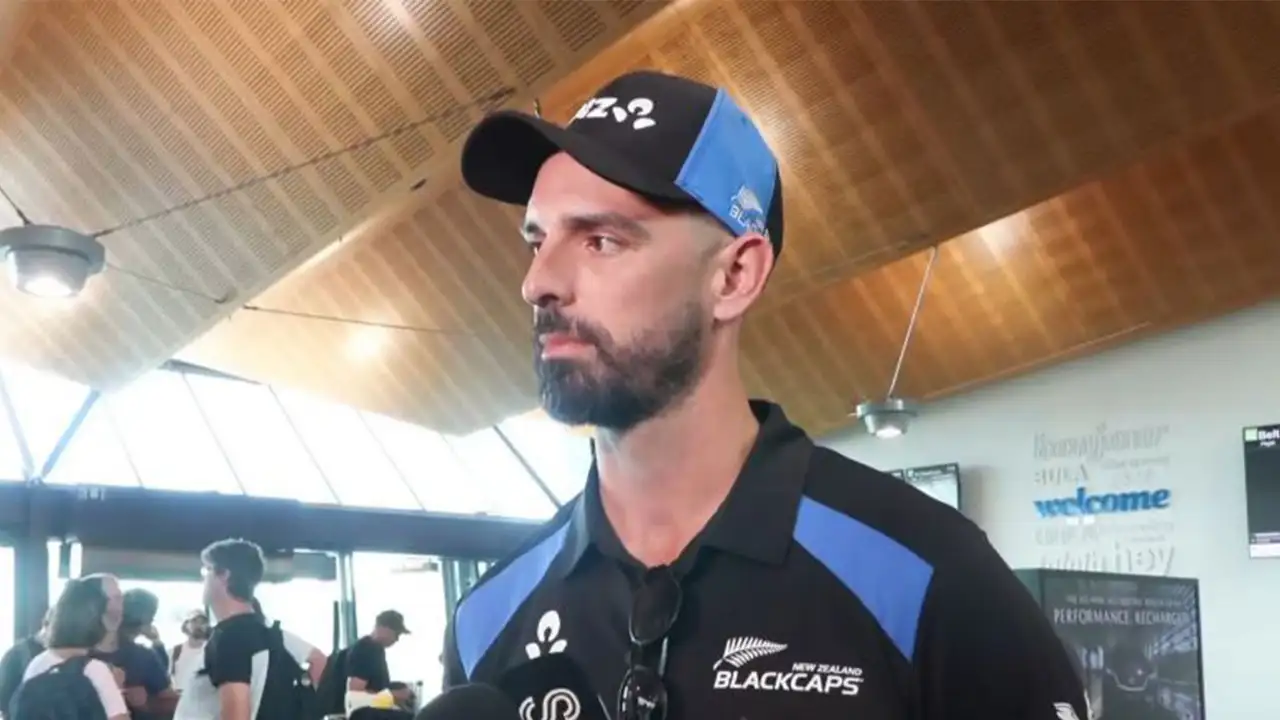
Phil Salt creates unwanted record with golden duck in 1st T20I vs Australia
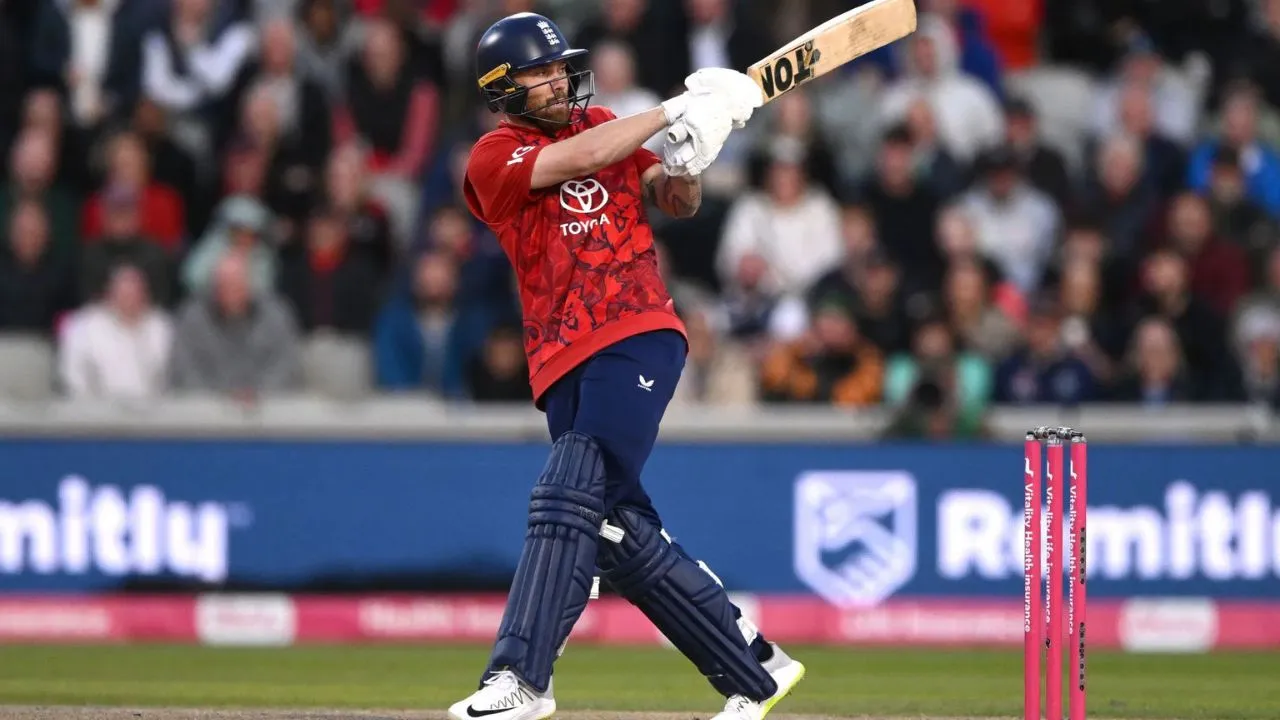
Phil Salt’s Golden Duck Sets Unwanted Record as Harry Brook Powers England at the MCG
England’s opening match of the five-game T20I series against Australia began in the worst possible fashion for Phil Salt, but Harry Brook quickly transformed the mood at the Melbourne Cricket Ground. Salt fell for a golden duck on the first ball of England’s innings, creating an unwanted record, before Brook launched a remarkable counterattack that helped the visitors post a formidable total.
The first T20I, played in Melbourne on Saturday, November 21, 2026, delivered an eventful opening six overs. England lost both openers early, yet Brook’s explosive batting—including a 20-ball half-century—gave the innings its momentum. Despite Australia’s early breakthroughs and several missed chances in the field, England finished on 187 for nine, their highest T20I total at the MCG.
Phil Salt dismissed first ball in England’s T20I innings
Australia captain Mitchell Marsh won the toss and chose to bowl, handing the new ball to Joel Davies. The decision paid off immediately. Davies sent down a full delivery, and Salt attempted to hit it over the infield. He failed to find the middle of the bat, allowing Marsh to take a straightforward catch at mid-off.
Salt walked back without scoring, giving England an early setback and making a place in the record books for the wrong reason. He became the first England batter to be dismissed by an Australian bowler off the opening delivery of a T20I innings. A golden duck is always a difficult way to start a match, but the timing was particularly damaging in a series opener where England wanted to establish an aggressive tone.
Australia struck again soon after. Jack Edwards removed Aneurin Donald for 10, leaving England at 13 for two and placing pressure on the middle order before the powerplay had gathered pace. With two wickets down so early, England needed a batter capable of changing the tempo—and Brook responded decisively.
Harry Brook’s 20-ball fifty changes the match
England captain Brook took the attack to Australia, refusing to let the early dismissals dictate the innings. His most explosive passage came against Riley Meredith in the fourth over, when Brook struck 24 runs. The over provided England with a sudden surge of momentum and forced Australia to reconsider its plans during the powerplay.
Meredith’s costly over also matched an unwanted Australian T20I record against England. He conceded 24 runs, equalling the most runs Australia had given away in a single over against the visitors in this format. Josh Hazlewood had previously conceded the same number in Hobart in 2014.
Brook continued to find the boundary and reached his half-century from just 20 deliveries. The innings set a new mark for the fastest T20I fifty by an England batter against Australia, surpassing Jos Buttler’s 22-ball effort at Edgbaston in 2018. It was also the second-fastest half-century recorded in a T20I at the MCG, behind David Warner’s 19-ball fifty against South Africa in 2009.
Brook’s innings was especially influential because England had lost both openers before the innings had properly settled. His willingness to attack disrupted Australia’s early control and gave the rest of the batting lineup a platform. He eventually scored 65, providing the defining contribution of the innings.
England recover from early trouble to post 187
Tom Banton supported Brook during the recovery, scoring 39 as England surged to 74 for two by the end of the six-over powerplay. That total was a striking response to the loss of Salt and Donald and reflected the aggressive approach Brook had set for the innings.
England could not maintain the same scoring rate throughout, however, as Australia continued to take wickets. Sam Curran made 21 from 20 balls, while Jordan Cox added 27 from 20. Liam Dawson contributed a useful 17, helping England keep adding runs late in the innings despite the fall of wickets.
The visitors ultimately reached 187 for nine in their allotted 20 overs. It became England’s third-highest T20I total in Australia and their highest score in the format at the MCG. The innings therefore combined a difficult start with a substantial recovery, built largely on Brook’s powerplay assault and contributions from the middle and lower order.
Missed chances give England room to recover
Although Australia made the perfect start with the ball, its fielding proved costly. The hosts dropped six catches, including three in the first three overs. Those missed opportunities offered England valuable second chances and helped the visitors maintain their scoring threat after the early wickets.
Jack Edwards and Nikhil Chaudhary each claimed two wickets for Australia, while Davies made the crucial early breakthrough against Salt. But the contrast between Australia’s sharp start and its later fielding errors became one of the match’s major talking points. In a high-scoring T20I, dropped catches can quickly change the balance: one missed opportunity may extend an innings, while several can allow a batter to build a match-defining score.
What the first innings means for the series
England’s 187 for nine gives Australia a challenging target and sets up an intriguing contest in the series opener. Brook’s rapid fifty has already shaped the match, but the eventual result will depend on whether Australia’s batters can handle England’s attack and make the most of the conditions at the MCG.
For England, the innings offers both encouragement and a warning. Brook demonstrated that the side can recover quickly from a poor start, while the contributions from Banton, Cox, Curran and Dawson helped turn one standout performance into a competitive total. At the same time, Salt’s first-ball dismissal highlights the volatility of T20 cricket, where even a leading opener can be gone before the innings has begun in earnest.
Any pre-match prediction based on England’s batting strength would have anticipated an aggressive approach, but few would have expected such a dramatic swing from 13 for two to a total of 187. Brook’s record-setting innings, Australia’s dropped catches and England’s recovery have made the opening T20I a compelling start to the five-match series.
Latest News
WATCH: Beau Webster pulls off sensational caught-and-bowled to dismiss Cameron Bancroft

IPL 2027: MS Dhoni unlikely to sit at CSK’s auction table, says Irfan Pathan
Ben Stokes mocks Shubman Gill’s decision to settle for draw against New Zealand

“Ravindra Jadeja could have been the difference”: S Badrinath slams India’s team selection in 1st Test vs NZ
Aakash Chopra predicts costliest player of IPL 2027 auction, names 3 Indian pacers
Wasim Jaffer backs Rishabh Pant’s ODI comeback after impressive performance in 1st Test

IPL 2027: Yuvraj Samra and Brandon McMullen register for mini-auction

Michael Vaughan questions Shubman Gill’s decision to settle for draw against New Zealand
Priyansh Arya smashes world record, surpasses KL Rahul’s highest T20 score by an Indian
ICC rejects England’s request to change WTC slow over-rate penalties

IPL 2027: LSG, PBKS set to battle for England pacer Sonny Baker in mini-auction
“Don’t understand why”: Madan Lal questions Rishabh Pant’s absence in ODIs and T20Is

Aakash Chopra points out why Ravindra Jadeja is a better bowler than Washington Sundar
PSL 2027: Peshawar gets historic first match as PCB confirms six host cities